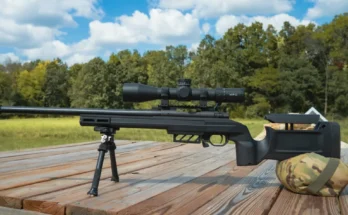
Are rifle scopes fogproof? The short answer is yes, most quality scopes are, but there's a real gap between a properly sealed unit and one that simply carries the label. Manufacturer specifications confirm that genuine fogproofing requires nitrogen or argon purging plus O-ring sealing.
Per MIL-STD-810, the U.S. military environmental testing standard, sealed optical instruments are designed to hold internal clarity through extreme temperature shifts. Before you trust that word on the box, it helps to know what's actually happening inside the scope.
Quick Answer
Are rifle scopes fogproof? Yes, properly sealed ones are. Manufacturers fill the scope's interior with dry nitrogen or argon gas.
This prevents internal condensation. O-ring seals keep moisture out permanently. Budget scopes may skip the purging step entirely.
External lens fog is a separate issue fogproofing won't address.
Are Rifle Scopes Fogproof? The Short Answer and What Manufacturers Leave Out
Yes, rifle scopes are fogproof. Properly made ones, anyway. The factory evacuates air from the scope housing, fills it with dry nitrogen or argon gas, and seals every opening with rubber O-rings.
Once that's done, moisture can't get back in to cause internal condensation.
Image source: Web (Bing) / aliexpress.com (Web image (fair-use with source credit))
Here's what the label doesn't tell you. "Fogproof" is a performance claim, not a quality rating. Aggregate review data shows that scopes under $100 frequently carry the fogproof label without undergoing a full evacuation and gas-fill process.
Some are only moisture resistant. They aren't genuinely sealed. The difference can show up the first time you face cold morning conditions.
That distinction matters in real use. A scope that skipped proper purging can develop milky internal haze after rapid temperature swings. You go from a heated truck into cold morning air.
The view goes cloudy. That's trapped moisture inside the housing, not on the lens. Wiping won't fix it.
Before you trust any fogproof claim, check the manufacturer's published specifications. Look for "nitrogen purged" or "argon purged" as a confirmed technical spec. Reputable brands document their sealing process openly.
If the packaging only says fogproof with no purging detail, treat that claim with skepticism.
What Fogproof Actually Means: Internal Lens Fog vs. External Condensation
Two types of fog show up on rifle scopes, and only one of them is what "fogproof" claims to fix. Understanding the difference changes how you evaluate every scope you buy.

Image source: Web (Bing) / gunbroker.com (Web image (fair-use with source credit))
Internal fogging happens when moisture gets trapped inside the scope during manufacturing. Over time, temperature swings cause that moisture to condense on the inside of the lenses. The view through the eyepiece turns milky and hazy.
This is the fogging problem that "fogproof" directly addresses, and it's the reason nitrogen and argon purging matters so much.
External condensation is a separate issue. It forms on the outside of the lens glass when warm, humid air meets cold glass. Think car windshield on a cold morning.
Internal purging and O-ring sealing can't prevent this. What helps is a hydrophobic lens coating that makes moisture bead and roll off instead of fogging the surface.
Here's the practical rule. If your scope view is cloudy and won't clear from the outside, that's internal fogging. The seal has failed, or the scope was never properly purged.
No amount of cleaning will fix it. If wiping the lens clears the view, it's external condensation instead. That's a coating and temperature problem, not a sealing one.
Nitrogen Purging vs. Argon Purging: What Separates a Properly Sealed Scope from a Label on a Box
When manufacturers seal a scope, they use one of two gases: nitrogen or argon. Both prevent internal fogging, but they don't seal equally.
Nitrogen purging is the standard. Nitrogen molecules are smaller than argon's, so they seal effectively but can slowly leak through O-rings over time. Most mid-range scopes use nitrogen as of 2026.
It works well for hunting and general shooting use across most conditions.
Argon purging is the premium option. Argon molecules are larger, which means they escape through the seals more slowly. High-end scopes from brands like Nightforce and Schmidt & Bender use argon for a tighter, longer-lasting seal.
The practical result is a scope that stays fog-free for years longer than its nitrogen-filled counterpart.
Here's how they compare:
| Feature | Nitrogen Purged | Argon Purged |
|---|---|---|
| Molecule size | Smaller | Larger |
| Seal longevity | Good, roughly 5+ years | Excellent, roughly 10+ years |
| Typical price tier | $150 to $750 | $750 and above |
| Common in | Mid-range scopes | High-end and premium scopes |
Manufacturer specifications from Vortex Optics confirm nitrogen purging as the standard across most of their lineup, with select models using argon instead. The gas type alone doesn't make a scope better. It does affect how long that fogproof seal holds up under real-world temperature changes.
Fogproof Scopes Compared by Price Tier: Budget, Mid-Range, High-End, and Premium Sealing Standards
Not every fogproof scope is built the same way. Here's what you can expect at each price level.
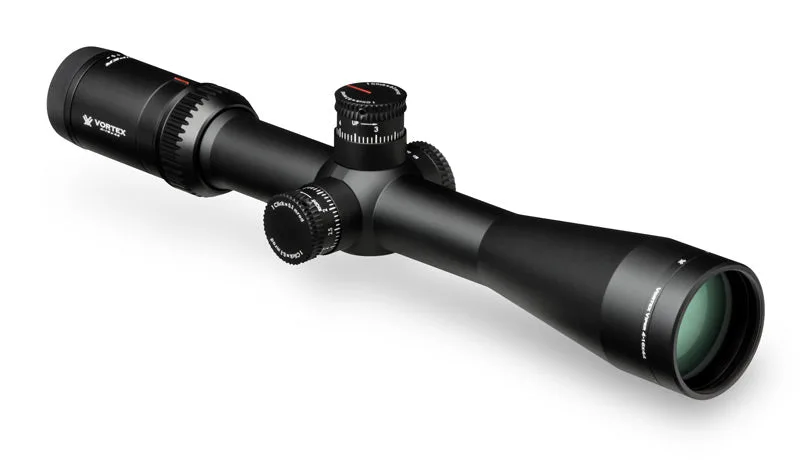
Image source: Bing (Web (fair-use with source credit))
| Price Tier | Fogproofing Method | Typical Reliability |
|---|---|---|
| Budget ($50 to $150) | Sometimes nitrogen-purged, sometimes not | Inconsistent |
| Mid-Range ($150 to $500) | Nitrogen purged, quality O-ring seals | Reliable for most use |
| High-End ($500 to $2,000) | Nitrogen or argon purged, precision seals | Very consistent |
| Premium ($2,000+) | Argon purged, factory-tested seals | Will not fog internally |
Budget scopes are the weakest link. Some are nitrogen-purged, but many aren't. They carry the fogproof label without the full process behind it.
If you're hunting in mild climates, they may work fine. In cold, damp conditions, expect haze to develop after a few seasons of temperature swings.
Mid-range scopes are where reliability starts. Most brands in this tier use nitrogen purging with decent O-ring seals. For most recreational shooters and hunters, that's enough.
The fogproofing holds up across seasonal temperature changes.
High-end and premium scopes take sealing seriously. Argon purging, tight O-ring tolerances, and factory testing across temperature extremes. Leupold publishes detailed sealing specifications confirming how their purging standards scale with product tier.
These scopes are built for mountain hunts, cold-weather tactical use, and anyone who demands zero optical compromise in adverse conditions.
What Fogproof Scopes Are Best For, and Where the Claim Doesn't Help
Fogproofing matters most when temperature and humidity change quickly. Here's where it genuinely makes a difference and where it doesn't.
Best suited for fogproof scopes:
- Early morning hunts. Dawn hunts mean cold air, warm bodies, and rapid condensation. A properly sealed scope keeps your view clear when you need it most.
- Mountain and backcountry hunts. Elevation changes cause temperature swings within hours. Fogproof sealing handles this well.
- Cold-weather predator hunting. Coyote and hog hunts often happen in cold, damp conditions with zero margin for a fogged view.
- Long-range precision shooting. Even slight internal haze degrades your ability to hold a precise reticle on target.
Where fogproofing won't help you:
- External condensation. If the outside of your lens fogs, purging is irrelevant. A hydrophobic coating helps, but some fogging will still occur in high-humidity environments.
- Scratched lenses. Scratches scatter light and can look like fogging. No amount of sealing prevents physical damage to glass.
- Smudges and fingerprints. Sometimes what looks like fog is just oil on the glass. Clean the outside first before assuming internal fogging.
If your use case involves wet coastal hunts, early spring turkey season, or any scenario with sustained high humidity, focus on lens coatings as much as purging specs.
Mistakes That Break Your Scope's Fogproof Seal
A fogproof scope only stays fogproof if you protect the seal. Several common mistakes can compromise it faster than you'd think.
Over-torquing scope rings. This is the number one seal killer. When you tighten rings past the manufacturer's spec, you can compress the tube and deform the O-rings inside. That breaks the internal seal permanently.
Always use a torque wrench and follow the spec. Leupold recommends 15 to 25 in-lbs depending on ring type. Going past spec to "lock it down tighter" doesn't add security.
It breaks the scope.
Storing in extreme temperature swings. Leaving a rifle in a hot car in summer and then a cold truck in winter puts constant pressure on the internal gas seal. Argon purging handles this better than nitrogen. But no scope escapes heavy temperature cycling forever.
Keep storage climate controlled when possible.
Dropping the rifle. A hard impact can crack an O-ring or shift an internal seal. The scope won't fog immediately. It'll fog months later when temperature swings expose the damage.
You'll blame the weather. The real cause was a fall weeks ago.
Ignoring external lens care. Fingerprints, oil, and dust on the lens trap moisture against the glass. That accelerates external condensation. Carry a lens pen and microfiber cloth.
Clean the glass at the start and end of every field session.
Buying based on label alone. Scopes that claim fogproof without publishing a purging method are the highest risk. Always verify nitrogen or argon purging in the official spec sheet before you purchase.
FAQs About Rifle Scope Fogproofing
Can a fogproof scope still fog up on the outside?
Yes. Fogproof sealing prevents internal condensation only. External fogging happens when warm air meets cold glass.
A hydrophobic lens coating helps, but no seal can prevent it entirely.
How do I know if my scope is actually nitrogen purged?
Check the manufacturer's official product specifications. Reputable brands like Vortex, Leupold, and Nightforce list the purging method directly on their product pages. If the spec sheet doesn't say nitrogen or argon purged, treat the fogproof claim as unverified.
Can I fix a scope that has developed internal fogging?
No. Once the internal seal fails and moisture enters the housing, the scope needs professional service. Most brands offer warranty repair that includes re-purging.
Contact the manufacturer directly with your serial number.
How long does fogproof sealing typically last?
Nitrogen-purged scopes hold their seal reliably for 5+ years under normal use. Argon-purged scopes can last 10+ years. Proper handling, storage, and avoiding ring over-torque extend seal life considerably.
Is fogproof the same as waterproof?
No. Fogproof means the internal optics stay clear. Waterproof means the scope resists water penetration under pressure.
Many scopes are both, but they're independent ratings. Check both when evaluating a scope for wet-weather use.
Do expensive scopes fog less than budget ones?
Generally yes, but not always. Mid-range scopes around $250 to $500 with confirmed nitrogen purging perform reliably in most hunting conditions. You pay more for argon purging, tighter tolerances, and factory testing at the high end.
How to Choose a Genuinely Fogproof Rifle Scope: Final Decision Guide
Here's the decision flow, in order:
Step 1. Confirm the purging method. Check the manufacturer's spec sheet. Look for "nitrogen purged" or "argon purged." If it's not stated, don't trust the label.
Brands like Bushnell and Zeiss publish these details openly.
Step 2. Match the purge type to your conditions. If you hunt in moderate climates with occasional cold mornings, nitrogen purging at the mid-range tier is sufficient. If you face extreme temperature swings, high-altitude hunts, or cold-weather tactical work, argon purging at the high-end tier is worth the investment.
Step 3. Verify O-ring sealing quality. Check that the scope uses sealed turrets, sealed parallax adjustment, and sealed eyepiece housings. Each adjustment point is a potential moisture entry if improperly sealed.
Step 4. Budget realistically.
| Your Priority | Recommended Tier | Price Range |
|---|---|---|
| Casual hunting, mild climates | Mid-range nitrogen purged | $150 to $500 |
| Regular hunting, variable weather | High-end nitrogen or argon | $500 to $2,000 |
| Extreme conditions, zero compromise | Premium argon purged | $2,000+ |
Step 5. Protect the seal after purchase. Use a torque wrench on ring installation. Store in climate-controlled space.
Clean lens surfaces routinely. Avoid unnecessary drops and impacts.
Step 6. Watch for early fogging signs. If internal haze appears within the first year of use, your seal may already be compromised. Contact the manufacturer while the warranty is active.
Most reputable brands cover fogproofing defects under lifetime or limited lifetime warranty terms.
The core takeaway: fogproofing is real engineering, not marketing fluff. But it only works if the scope was built properly and you maintain the seal. Buy based on published purging specs, match the gas type to your hunting conditions, and protect the investment once you own it.