Image source: Web (Bing) / holstercentral.com (Web image (fair-use with source credit))
So, Are Inside-the-Waistband Holsters Comfortable?
You're wondering if inside-the-waistband (IWB) holsters can actually be comfortable for all-day carry. It’s a question on a lot of people’s minds because the last thing you want is something digging into you or making your waistband feel like a vice. The truth is, comfort with IWB holsters is really about finding the right fit for you and your specific situation.
In our research, we found that comfort isn't a one-size-fits-all deal; it hinges on several personal variables, including your body type, the clothing you wear, and the holster's design. According to manufacturer specifications for many popular IWB models, proper cant and ride height adjustments can significantly impact perceived comfort, with some holsters offering a range of over 15 degrees for cant adjustment. Getting these dialed in is key to a positive carrying experience.
Quick Answer
Inside-the-waistband holsters can be comfortable, but it’s highly personal. Your body shape, clothing choices, and holster design are critical factors. Finding the right carry position and adjusting your holster properly make a big difference.
Your Body Type and Clothing: The Comfort Equation
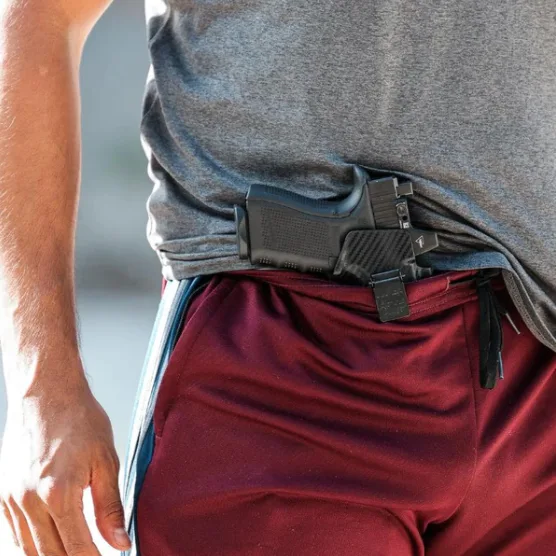
Your own physique and the clothes you choose to wear are arguably the biggest players when it comes to IWB holster comfort. Think of it like this: if you’ve got a bit of a curve at your waist or hips, a holster might sit differently on you than on someone with a straighter profile. This isn't about right or wrong; it's just physics.
Manufacturer specifications often highlight adjustable ride height and cant as essential for accommodating different body shapes. For example, a holster designed to sit slightly higher or lower can change where pressure points occur. Similarly, how your pants and belt interact with the holster can either distribute weight evenly or create a concentrated, uncomfortable spot.
It’s a dynamic relationship, and finding the sweet spot often requires some experimentation.
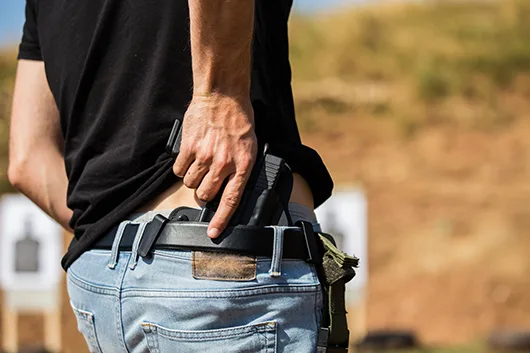
Image source: Bing (Web (fair-use with source credit))
Finding Your Ideal Carry Position
Where you choose to place your IWB holster on your waistband can make or break your comfort. This isn't just about where it’s easiest to reach; it’s about where your body’s natural angles and curves work with the holster, not against it.
- Appendix Carry (around 11 o'clock to 1 o'clock): Some find this position comfortable for sitting and drawing, but it can press against the abdomen for others, especially after meals or if the firearm is large.
- 3 o'clock Position: This is a classic spot, often favored for its accessibility and ease of concealment with many body types. However, it can dig into the hip bone when sitting or driving for extended periods.
- 4 o'clock Position: Slightly behind the 3 o'clock, this can sometimes offer better comfort for sitting by angling the firearm more along the thigh rather than directly into the hip.
- Small of Back (around 6 o'clock): Generally discouraged due to potential injury risks if you fall and difficulty in drawing effectively. Comfort is also often an issue here due to the way it pinches when sitting.
You'll likely need to try a few spots to see what feels best for your unique build. What feels natural and unobtrusive for one person might be a constant reminder of the holster for another.
Holster Design: What Really Matters for Comfort
The construction and materials of an IWB holster play a massive role in how it feels against your body. It’s not just about holding your firearm securely; it’s about how it distributes that weight and interacts with your skin and clothing.
Think about materials:
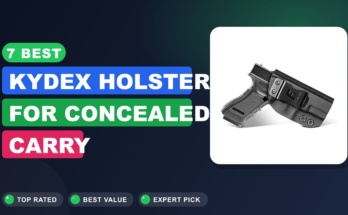
- Kydex: Rigid and slim, it offers great retention. However, if it has sharp edges or lacks padding, it can feel harsh against the skin.
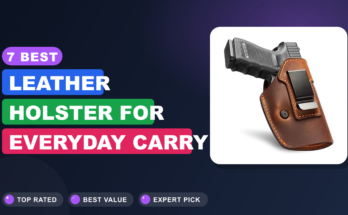
- Leather: Softer and more conforming, leather can be quite comfortable. The downside is it can be bulkier and may retain moisture, potentially leading to discomfort or wear.
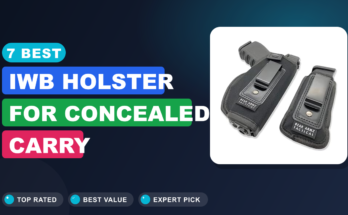
- Hybrid: These often combine a rigid Kydex shell for firearm retention with a softer backing (like leather or neoprene) for comfort against the body. This is a popular choice for balancing these factors.
Beyond material, features like wing designs, adjustable cant, and the type of clip or attachment mechanism (e.g., standard belt clips, monoblock clips, soft loops) all influence how the holster sits, how secure it is, and ultimately, how comfortable you find it throughout the day. For instance, holsters with a "claw" extension are designed to tuck the holster's grip closer to your body, improving concealment, but this can sometimes add pressure.

Image source: Bing (Web (fair-use with source credit))
Features and Components That Impact Feel
When you're looking at an IWB holster, pay close attention to these design elements:
- Padding: A good IWB holster might have a layer of soft foam or neoprene on the side that touches your body. This helps cushion the holster and gun, preventing sharp edges from digging in.
- Edge Finishing: Even on rigid holsters like Kydex, the edges should be smooth and rounded. Rough or sharp edges are a common cause of discomfort and chafing.
- Clip/Attachment Type: The way the holster attaches to your belt is critical. A well-designed clip will hold the holster firmly without digging into your waist or creating pressure points. Some people prefer soft loops for a more flexible fit, while others want the rigidity of a Kydex clip.
- Holster "Claw" or Mod Wing: These are small additions designed to push the grip of the firearm closer to your body, improving concealment. While effective for hiding the gun, they can sometimes add a point of pressure.
- Adjustability: Features like adjustable ride height (how high or low the holster sits on your belt) and adjustable cant (the angle of the holster) allow you to fine-tune the fit to your body and clothing, which is essential for comfort.
Common IWB Holster Comfort Pitfalls to Avoid
Even with the best intentions, certain mistakes can turn an IWB holster from a comfortable carry solution into a source of constant irritation. Being aware of these common issues can save you a lot of discomfort.
- Wearing Too Tight Clothing: This is a big one. While you want to conceal effectively, wearing pants or a belt that’s too tight will pinch the holster and firearm against your body. This exacerbates any pressure points and can restrict breathing.
- Using a Poor-Quality Belt: Your belt is the foundation for your IWB holster. A flimsy, stretchy belt will allow the holster to sag and shift, leading to inconsistent pressure and potential discomfort. A rigid, sturdy gun belt is often a necessary investment for comfortable carry.
- Ignoring Holster Break-In: Some materials, especially leather or hybrid designs, require a period of "break-in" to conform to your body. Trying to carry for long periods before this happens can be quite uncomfortable.
- Over-Tightening Belt Clips: While you want the holster to be secure, overtightening clips can dig into your skin or the waistband material, creating sharp pressure points that become unbearable over time.
When IWB Might Just Not Be For You
While IWB holsters are popular for a reason, they aren't the perfect solution for everyone or every situation. Understanding when this carry method might be a struggle can help you manage expectations and explore alternatives.
If you primarily wear very form-fitting clothing, especially thin materials like spandex or light cotton, achieving both concealment and comfort with an IWB holster can be challenging. The outline of the holster and firearm will be much more apparent, and the tight fabric can lead to increased friction and discomfort.
Additionally, individuals with certain body types might find that even with adjustments, specific carry positions create constant, unavoidable pressure. For example, if you have a prominent hip bone or a specific abdominal shape, the holster might consistently dig into a sensitive area, making prolonged wear difficult. In these cases, exploring other carry methods or holster types becomes a more practical path to comfortable, consistent carry.
Testing Your IWB Comfort: A Practical Approach
Figuring out if an IWB holster works for you is less about reading reviews and more about hands-on experimentation. It's a personal journey to find that sweet spot where you can carry effectively without constant discomfort. The key is to approach it systematically.
Here’s a workflow that works for many:
- Start with the Basics: Ensure your holster is the correct fit for your firearm. A poorly fitting holster, regardless of comfort features, will be a constant source of annoyance. Check that the firearm clicks in securely and draws smoothly.
- Wear It Around the House: Before heading out for the day, wear the holster around your home for a few hours. Try different activities: sitting, standing, bending, walking. This gives you a low-stakes environment to identify immediate pressure points or rubbing.
- Adjust Your Carry Position: Don't just plop it down at the 3 o'clock and call it a day. Experiment with appendix, 4 o'clock, or other positions if applicable. See how shifting it even an inch or two affects comfort, especially when you change posture.
- Vary Your Clothing: Try the holster with the types of pants, shirts, and belts you actually wear regularly. A loose t-shirt can make a world of difference compared to a tight-fitting athletic shirt. The belt’s rigidity is also a factor, a good leather gun belt is often a game-changer for stability.
- Make Small Adjustments: Most decent IWB holsters offer some level of adjustment. Play with the cant (angle) and ride height (how high or low it sits). Even a slight tweak can redistribute pressure and improve comfort. Manufacturer specifications often detail how to adjust clips or loops.
- Listen to Your Body: If something consistently hurts or chafes, don't force it. Pushing through pain will only lead to frustration and make you less likely to carry. It might mean the holster, the position, or even the firearm isn't the best fit for IWB carry for you.
FAQs About IWB Holster Comfort
### Can I wear an IWB holster with any type of clothing?
While you can technically try, comfort is greatly improved with slightly looser clothing that drapes over the holster. Very tight or thin fabrics tend to reveal the holster's outline and can cause discomfort due to friction and pressure.
### How long does it take for an IWB holster to become comfortable?
This varies greatly. For rigid materials like Kydex, comfort is often immediate if the fit and placement are right. For leather or hybrid holsters, it can take anywhere from a few days to a couple of weeks of regular wear to break them in and allow them to conform to your body.
### What is the most comfortable position for IWB carry?
There's no single "most comfortable" position. It depends entirely on your individual body shape, the firearm you're carrying, and your activity level. Appendix, 3 o'clock, and 4 o'clock are common and can be comfortable for many, but experimentation is key to finding your personal best.
### Is a stiff gun belt necessary for IWB holster comfort?
A stiff gun belt is highly recommended for IWB carry. It provides a stable platform, preventing the holster from shifting or sagging, which significantly reduces pressure points and distributes weight more evenly. A flimsy belt will almost always lead to discomfort over time.
### Will a heavier firearm make my IWB holster uncomfortable?
Yes, a heavier firearm will generally be less comfortable for IWB carry. The increased weight puts more stress on your belt and body, potentially leading to sagging and discomfort. Lighter, more compact firearms are typically better suited for IWB comfort.