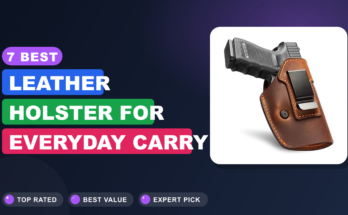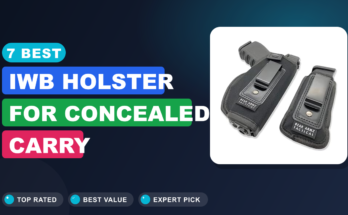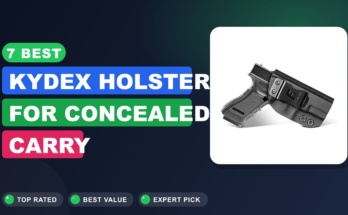
Image source: Bing (Web (fair-use with source credit))
So, you're trying to figure out what is the difference between IWB and OWB holsters, right? It’s a question a lot of people ask when they start looking into carrying a firearm. The way you carry your handgun, specifically the holster you choose, makes a massive difference in comfort, concealment, and how quickly you can access it.
Choosing between Inside-the-Waistband (IWB) and Outside-the-Waistband (OWB) holsters really boils down to your personal needs and daily routine. Manufacturer specifications for many holsters indicate retention levels that meet industry standards, but the real-world experience of comfort and access is what you'll notice most. Let's break down what makes each type tick.
Quick Answer
IWB holsters tuck your firearm inside your waistband for deep concealment. OWB holsters attach outside your waistband for easier access. IWB is better for hiding, OWB for speed.
Your clothing choice and comfort needs will guide which is best for you.
What's the Deal with IWB Holsters?
Inside-the-Waistband (IWB) holsters are designed to be worn discreetly, tucked inside your pants and clipped or hooked onto your belt. This setup positions the firearm close to your body, making it an excellent choice for anyone prioritizing deep concealment. Manufacturer specifications often highlight the secure fit and retention features designed to keep the handgun stable throughout the day.
When you're looking for a way to carry your firearm without it being obvious, especially with slimmer clothing, IWB is usually the way to go.
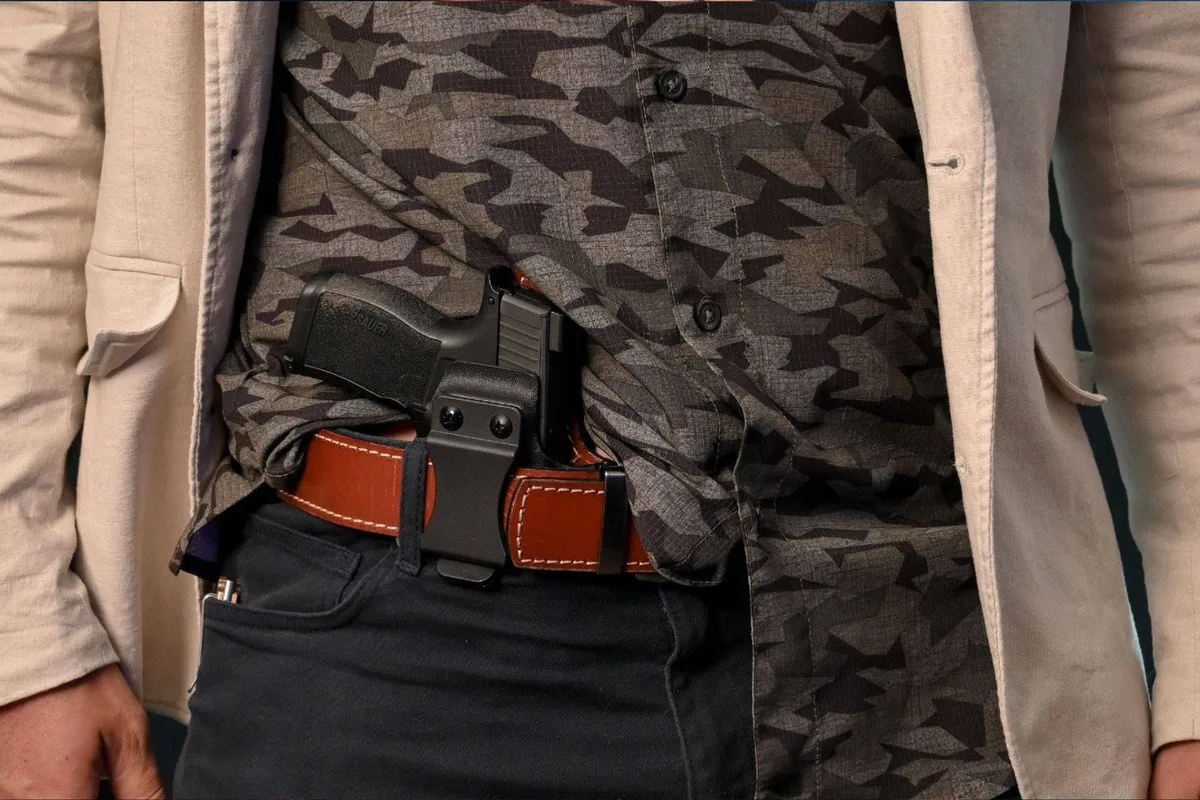
Image source: Web (Bing) / falcoholsters.com (Web image (fair-use with source credit))
Concealment and Comfort
The primary advantage of an IWB holster is its ability to conceal your firearm effectively. By sitting closer to your body, it minimizes the "printing" that can occur when the outline of your handgun is visible through clothing. This makes it ideal for professional environments or situations where overt carry is not permitted or desired.
Aggregate user reviews frequently report that IWB holsters offer good stability, especially when worn at the strong-side hip or appendix position. For many, the snug fit against the body feels more secure and comfortable during prolonged periods of wear, including sitting and moving.
And What About OWB Holsters?
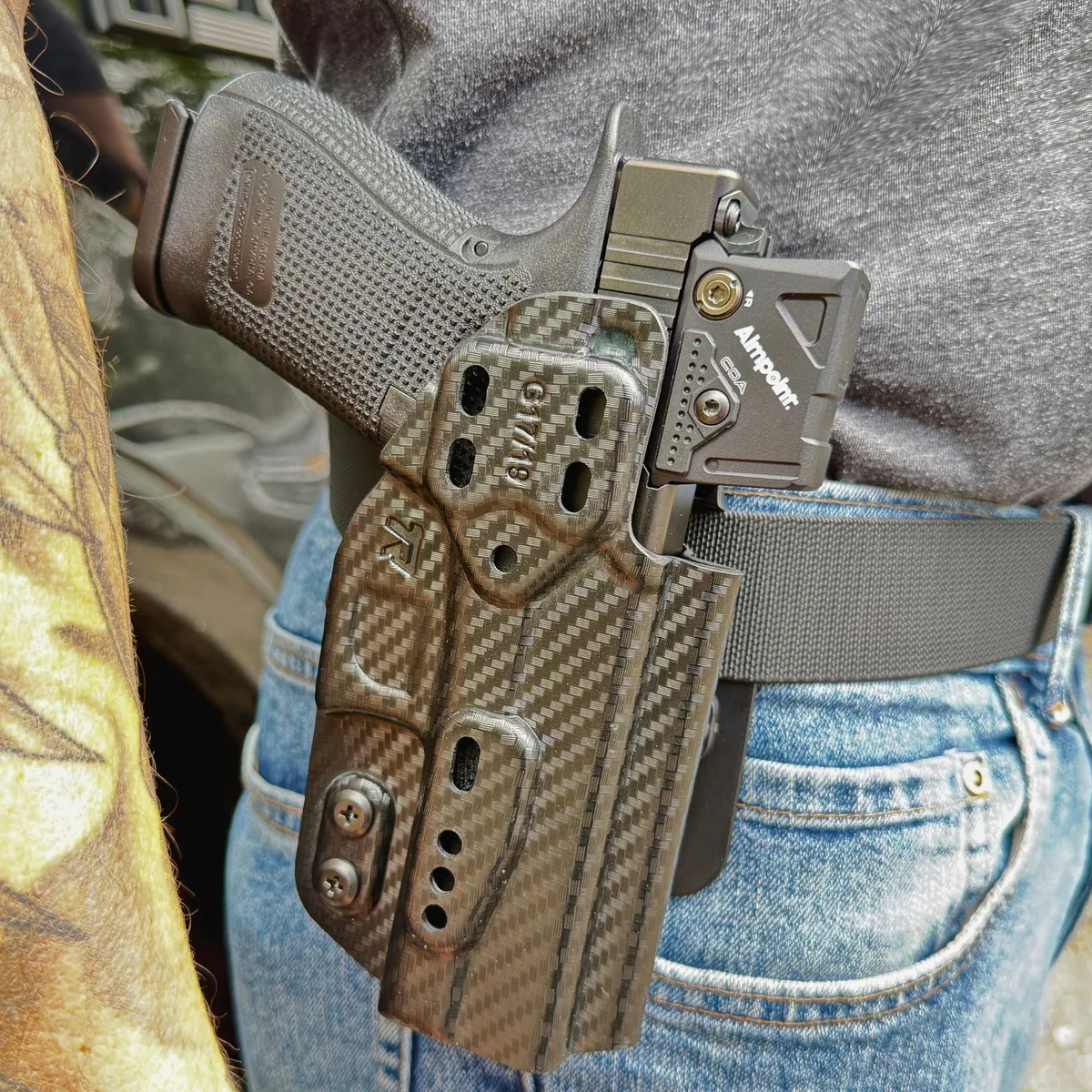
Outside-the-Waistband (OWB) holsters, sometimes called belt holsters, are worn on the exterior of your waistband, typically secured by belt loops or clips that go around your belt. These holsters position the firearm further away from your body, which generally makes drawing your handgun quicker and more straightforward. They are often chosen for their ease of use and accessibility, particularly when wearing looser clothing or tactical gear.
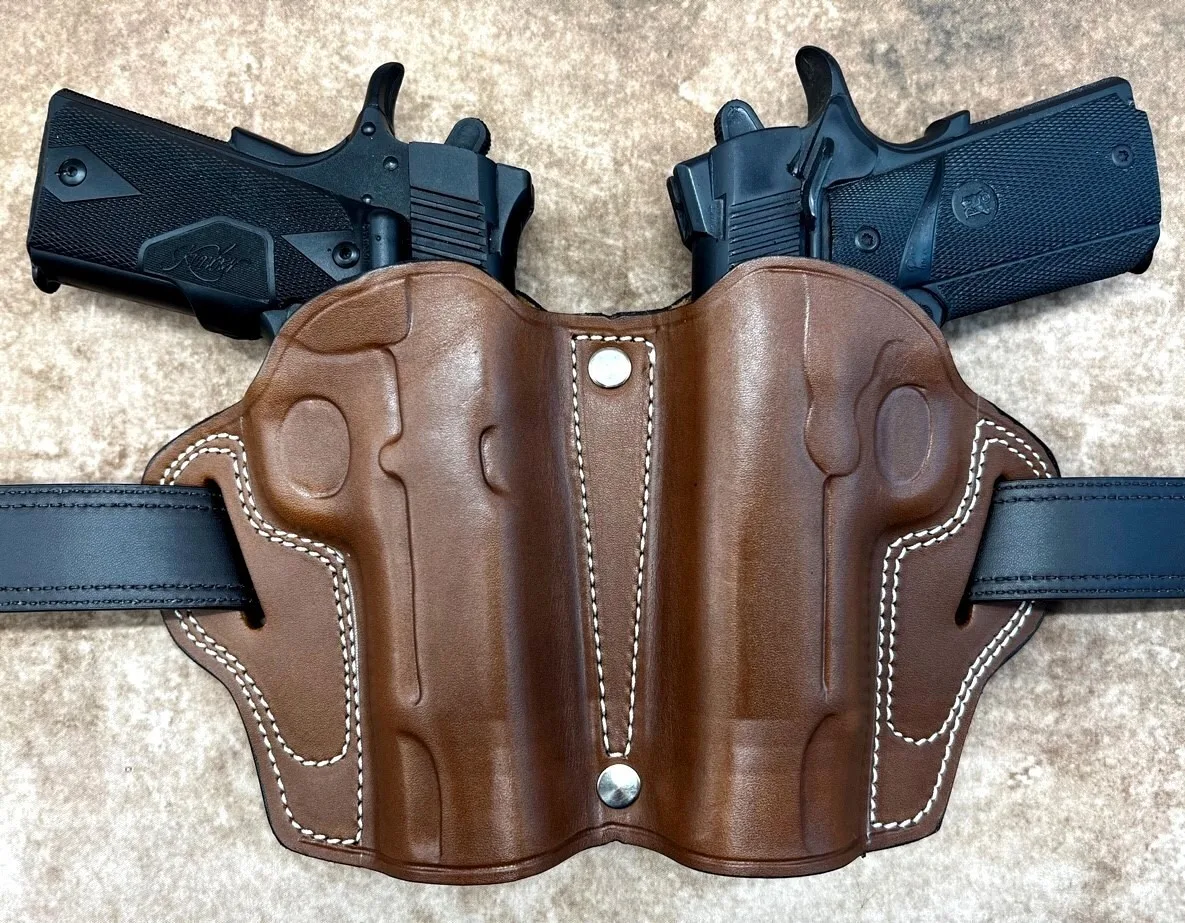
Image source: Web (Bing) / ebay.com (Web image (fair-use with source credit))
Ease of Access and Feel
The main benefit of an OWB holster is the unimpeded access it provides to your firearm. Because it sits away from your body, there’s less chance of clothing interfering with your draw stroke. This can be crucial in self-defense scenarios where every second counts.
Many users also find OWB holsters to be more comfortable for extended wear if they prefer not to have a rigid object pressing directly against their body for hours on end. They can also be a good option for those who are not always concerned with deep concealment, such as during range practice or open carry situations where permitted.
IWB vs. OWB: The Key Differences
When you’re trying to decide between an IWB and an OWB holster, it’s helpful to see exactly where they diverge. The fundamental difference lies in their placement relative to your body and waistband, which impacts everything from how well your firearm stays hidden to how quickly you can draw it. Our research shows that understanding these core distinctions is the first step to making an informed choice that suits your personal carry needs.
As of 2026, these remain the two most common holster types for concealed carry.
A Direct Comparison
| Feature | Inside-the-Waistband (IWB) | Outside-the-Waistband (OWB) |
|---|---|---|
| Placement | Inside the waistband, against the body. | Outside the waistband, on the belt. |
| Concealment | Excellent; designed for deep concealment. | Moderate; requires looser clothing or cover garments. |
| Draw Speed | Slightly slower; requires reaching inside waistband. | Faster, more natural draw. |
| Comfort | Can be very comfortable with good fit; close to body. | Comfortable for many; less direct body contact. |
| Clothing Fit | Works with a variety of clothing, even fitted styles. | Often requires looser shirts, jackets, or vests for cover. |
| Bulk Factor | Generally less noticeable bulk against the body. | Can feel bulkier; sits further from the body. |
Which Holster Style is Right for Your Carry?
Deciding between an IWB and an OWB holster isn't about which one is universally "better," but rather which one aligns best with your lifestyle, clothing choices, and personal priorities. If your primary goal is to keep your firearm as discreet as possible, even under close-fitting attire, an IWB holster is likely your best bet. It positions the handgun closer to your body, minimizing the chances of it being seen.
Conversely, if ease of access and a more natural draw stroke are paramount, an OWB holster might be the more suitable option for you, especially if you're not concerned about deep concealment.
Best For Concealed Carry
For those who need their firearm to be virtually undetectable, the Inside-the-Waistband (IWB) holster is generally the superior choice. Its design allows it to be worn tucked discreetly within your pants, offering excellent concealment, especially when paired with fitted clothing. This makes it ideal for everyday concealed carry (EDC) in environments where discretion is key, such as professional settings or public spaces.
Many IWB designs feature strong clips or hooks that ensure the holster stays put, contributing to a secure and stable carry that minimizes printing, a common concern for concealed carriers.
Best For Quick Access
When speed and immediate access to your firearm are the top priorities, the Outside-the-Waistband (OWB) holster often takes the lead. Its position on the exterior of your belt allows for a more fluid and less obstructed draw stroke, which can be critical in high-stress situations. OWB holsters are frequently used by law enforcement officers on duty and by individuals who prioritize a faster draw during range practice or in situations where open carry is permissible and speed is a factor.
They tend to feel less constricting for some users and can be more comfortable when worn for extended periods without the direct pressure of a concealed holster against the body.
Common Holster Carry Mistakes to Avoid
Even with the right holster, you can still run into problems if you're not careful. One of the most common issues is improper fit. A holster that's too loose won't retain your firearm securely, which is a major safety concern.
Conversely, a holster that's too tight can make drawing difficult and may even scratch your gun’s finish over time. Always double-check that your specific firearm model is listed as compatible with the holster you choose, as even slight variations can cause fitment issues.
Another pitfall is neglecting the importance of belt choice. Even the best IWB or OWB holster won't function optimally with a flimsy, thin belt. A good gun belt provides the necessary rigidity to keep the holster stable and prevent it from collapsing or shifting.
Think of it as the foundation for your carry system. Wearing a holster without a proper belt is like building a house on sand; it’s asking for trouble and compromising both safety and accessibility.
You also need to be mindful of how you position your holster. For IWB, appendix carry (AIWB) is popular but requires careful consideration of body mechanics and clothing. Placing it too far forward or back can lead to discomfort or a difficult draw.
Similarly, with OWB, avoid placing it where it might snag on car seats, doorways, or other obstacles. Your daily movements dictate the ideal placement, and it often takes some experimentation to find that sweet spot.
Expert Tips for Choosing Your Holster
When selecting between IWB and OWB, consider your environment and typical attire first. If you’re often in a professional setting that demands discretion, lean towards IWB. If you spend a lot of time outdoors, at a range, or wear looser clothing, OWB might offer more comfort and quicker access.
Manufacturer specifications often highlight the materials used, such as Kydex for rigid retention and durability or leather for a more traditional feel and comfort. Researching specific holster designs within each category is key; not all IWB holsters are created equal in terms of concealment or comfort, and the same applies to OWB.
Beyond the type, look at the attachment method. IWB holsters often use clips or hooks; ensure they’re robust and suit your belt. OWB holsters typically use belt loops that accommodate different belt widths, check compatibility.
Also, consider adjustable retention. Some holsters allow you to dial in how much force is needed to draw your firearm, offering a customizable level of security. This is especially important for those who practice frequently or want to fine-tune their draw.
FAQs About IWB and OWB Holsters
How do I know if a holster will fit my specific firearm?
Most reputable holster manufacturers provide a detailed list of compatible firearm models on their product pages or packaging. Always check this list carefully. Even slight variations in firearm models can affect fit, so look for holsters specifically designed for your make and model.
Can I wear both IWB and OWB holsters?
Absolutely. Many individuals find value in having both types of holsters. You might use an IWB for everyday concealed carry in the office and switch to an OWB for range days or when wearing a jacket that provides ample cover.
This versatility allows you to adapt your carry method to different situations and comfort preferences.
What's the best holster material?
There's no single "best" material, as it depends on your priorities. Kydex offers excellent retention and durability, making it popular for concealed and duty carry. Leather provides comfort and a classic look but may require more maintenance and can conform to your body over time.
Hybrid holsters combine the rigidity of Kydex with the comfort of a softer backing.
How often should I check my holster for wear and tear?
It's wise to inspect your holster regularly, at least every few months, or more often if you carry daily. Look for cracks, loose screws, worn clips or loops, and any signs that retention might be compromised. A damaged holster can pose a safety risk, so replace it if you notice significant wear.
Is appendix carry considered IWB?
Yes, appendix carry (AIWB) is a specific type of Inside-the-Waistband carry, typically worn between the 10 o'clock and 2 o'clock positions. It's highly popular for its concealment and accessibility, but it requires careful consideration of firearm safety and can be uncomfortable for some due to its proximity to vital areas.