That irritating squeak from your holster is more than just a minor annoyance; it's a telltale sign of friction between your firearm and its carry rig. Understanding where that sound originates is the first step toward a quieter, more comfortable carry experience. Most of the time, it's a simple material-on-material rub that can be easily addressed.
Research into firearm accessory materials indicates that factors like friction coefficients and surface finishes significantly impact wear and sound. For instance, many polymer holsters, designed for durability and precise fit, can produce audible friction against metal slides or textured grip panels. Thankfully, as of 2026, there are well-established methods to resolve this common issue without compromising your holster's integrity or firearm safety.
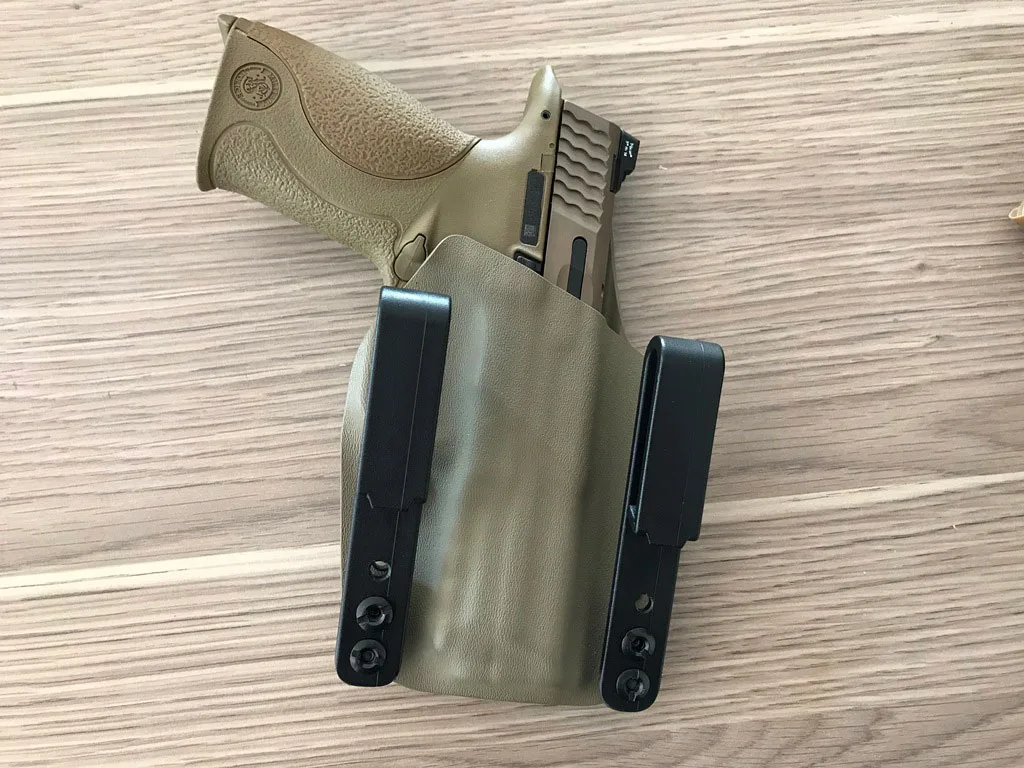
Image source: Bing (Web (fair-use with source credit))
Quick Answer
Your holster squeaks due to friction between the firearm and holster materials. This happens where the gun's slide, frame, or components rub against the holster's interior. It can also occur at the belt attachment point.
Resolving it usually involves simple lubrication, smoothing rough spots, or checking belt compatibility.
Pinpointing the Source of the Squeak
The first thing we need to do is figure out exactly where that squeak is coming from. It’s not usually a random occurrence; there’s a specific point of contact causing the noise. By systematically checking different areas, we can isolate the problem and choose the right fix.
Think of it like a mechanic listening to an engine, they need to hear the specific knock to know what’s wrong.
Inside the Holster Contact Points
This is where most holster squeaks originate. It's the sound of your firearm's components rubbing against the inner surfaces of the holster. When the holster is molded, it’s designed to create a snug fit for retention, but sometimes this snugness translates into a continuous rub.
- Slide Rub: The sides of your firearm's slide are often the primary culprits. As the gun moves in and out of the holster, or even shifts slightly while worn, the slide can rub against the holster material. This is especially common with Kydex or injection-molded polymer holsters that have a very precise fit.
- Frame and Component Contact: Beyond the slide, other parts of your firearm can also cause squeaks. This might include contact with the grip panels, the frame itself, or even specific components like a magazine release button, a safety lever, or an extended slide stop. If these parts protrude slightly, they can catch and rub, creating noise.
- Textured Surfaces: Some firearms have textured grips or slides. These textures, while great for handling, can also create more friction points and thus more potential for squeaking against the smooth interior of a holster.
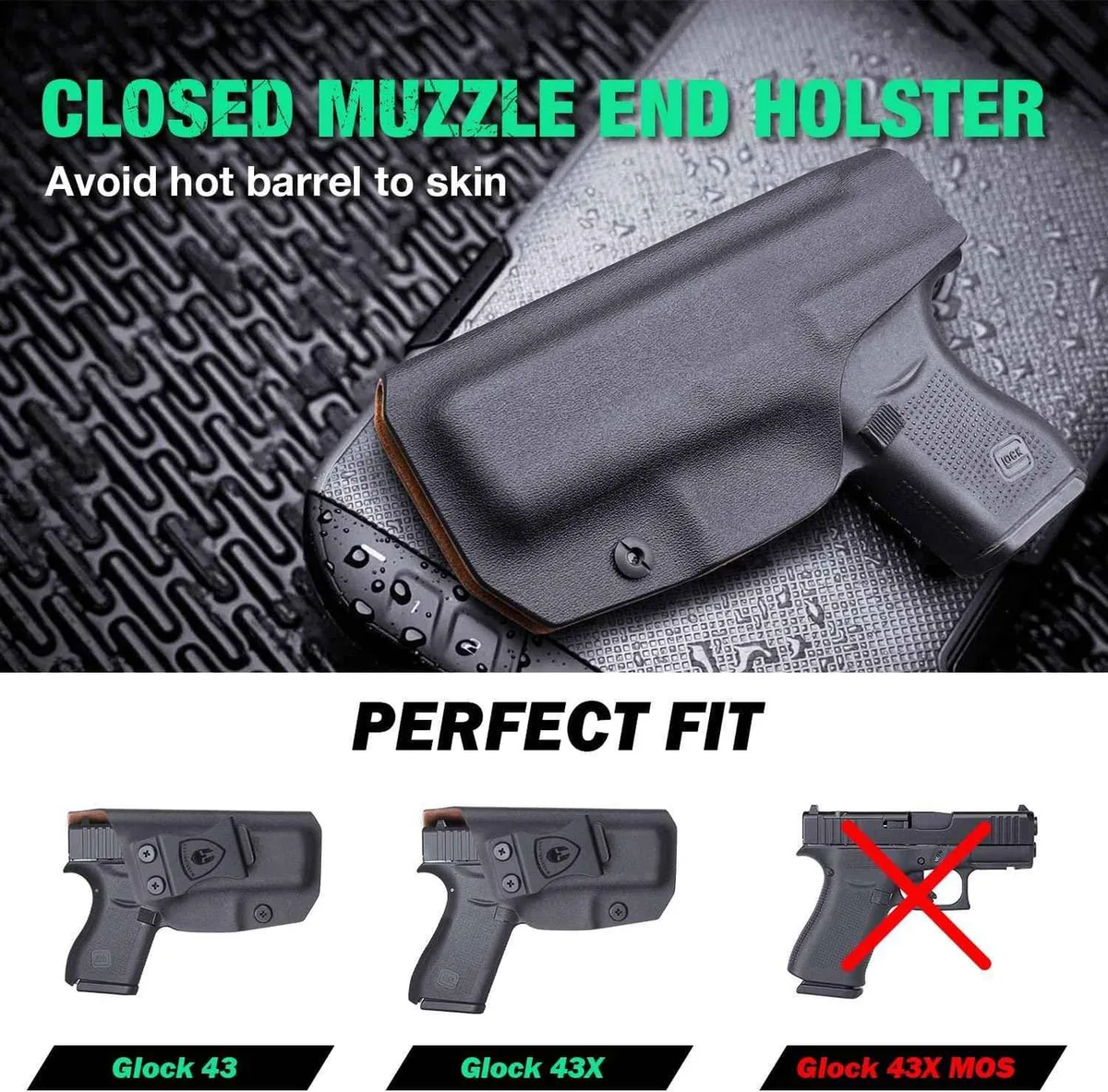
Image source: Web (Bing) / warriorland.net (Web image (fair-use with source credit))
Belt Attachment Friction
Sometimes, the squeak isn't coming from the gun-to-holster interface at all, but from the holster's connection to your belt. This can be just as irritating, and it’s important to differentiate.
- Holster Clip/Loop to Belt Material: If you're using a belt clip or a specific holster loop system, the material of the clip (often plastic or metal) can rub against the material of your belt. A stiff leather belt, for example, might create more friction than a nylon one.
- Belt Loops Rubbing: Some holster designs feature adjustable belt loops. If these are tight or made of a material that grates against your belt, noise can result.
- Belt Buckle Interference: In some rare cases, the way a holster sits can cause it to rub against your belt buckle or its keeper. This is less common but can happen depending on the holster and belt combination.
Simple Fixes for a Quiet Holster
Once we know where the squeak is coming from, fixing it is usually pretty straightforward. We're talking about common household items or simple techniques, not major modifications. The goal is to reduce or eliminate the friction points causing the noise.
Lubrication: Your First Line of Defense
Lubrication is often the quickest and most effective way to silence a squeaky holster. The idea is to create a slippery barrier between the offending materials. It's important to use the right type of lubricant and apply it sparingly to avoid issues.
- What to Use: For most Kydex, polymer, or even leather holsters, a silicone-based lubricant is ideal. These are generally safe for the materials and don't degrade them over time. You can find these in small spray bottles or applicators. Some users also opt for specialized gun lubricants, but ensure they are compatible with holster materials.
- How to Apply: This is crucial. You don't want to soak the holster or your firearm.
- For inside-the-holster squeaks, apply a tiny dab of lubricant to a cotton swab and gently rub it along the inside edges of the holster where the firearm makes contact. Focus on the areas identified during your inspection. You can also apply a very thin coat to the slide or frame of the firearm itself, in the contact zones.
- For belt attachment squeaks, apply a small amount of lubricant directly to the clip or loop that contacts the belt.
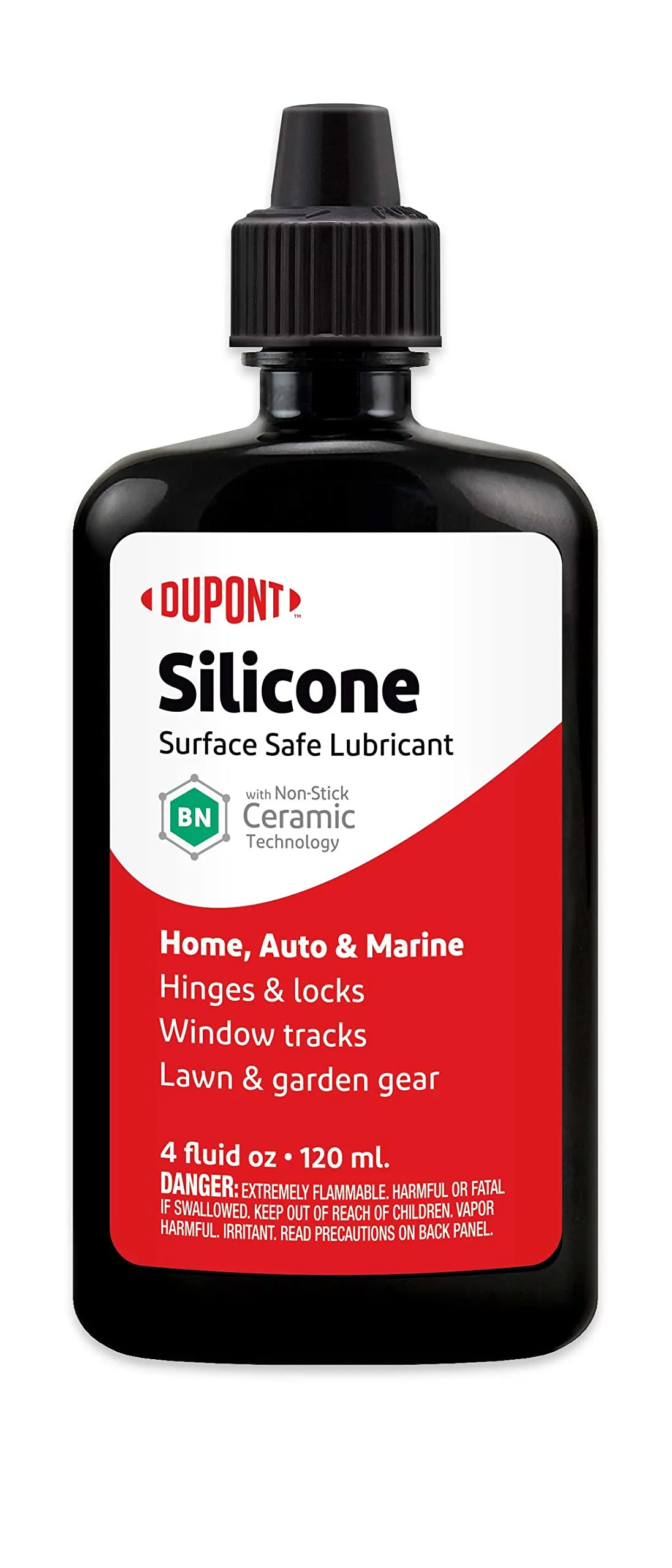
Image source: Web (Bing) / snapklik.com (Web image (fair-use with source credit))
- When to Reapply: Depending on usage, you might need to reapply lubricant every few weeks or months. Excessive sweat, dust, and daily wear will break down the lubricant over time.
Smoothing Rough Spots: A Gentle Touch
Sometimes, a microscopic rough spot or a slight burr on the edge of your holster's interior is the cause of the squeak. It’s like a tiny snag catching and releasing, causing that noise. This is common with 3D-printed or some injection-molded holsters where edges aren't perfectly polished.
- The Tool: A fine-grit sandpaper, typically 400-grit or higher, is your best bet. You want something that will smooth without being overly aggressive.
- The Technique:
- Identify the Spot: Carefully inspect the interior of the holster, paying close attention to the edges and any areas that look rough or show wear. You might be able to feel a slight catch with your finger.
- Gentle Sanding: Wrap a small piece of sandpaper around a pencil eraser or a soft cloth to give you a bit more control. Gently rub the rough spot in a circular motion. Don't apply a lot of pressure, and don't try to reshape the holster.
- Clean and Test: After a few gentle passes, wipe away any dust with a clean cloth. Then, reinsert your firearm and see if the squeak is gone. You may need to repeat the process a couple of times, but always err on the side of caution to avoid damaging the holster.
Common Holster Squeak Mistakes to Avoid
While fixing a squeaky holster is usually simple, there are a few common missteps that can either not solve the problem or even create new ones. Being aware of these pitfalls can save you time and potential frustration.
- Over-Lubricating: Applying too much lubricant is a frequent mistake. It can attract dust, dirt, and debris, creating a gritty paste that can actually accelerate wear on both your firearm and the holster. It can also transfer to your clothing, leaving unsightly stains. Always use the smallest amount necessary, focusing only on the friction points.
- Using the Wrong Lubricant: Not all lubricants are created equal. Some common household oils or greases can degrade certain plastics and polymers over time, making your holster brittle or misshapen. It's best to stick with silicone-based lubricants or specialized gun-safe lubricants known to be compatible with holster materials. Checking the holster manufacturer's recommendations is always a good idea.
- Aggressive Sanding: When smoothing rough spots, it's easy to get carried away and sand too much. Aggressively sanding can alter the fit and retention of your holster. Remember, you're trying to eliminate a roughness, not change the shape. If you sand too much, you might end up with a loose-fitting holster, which compromises safety.
- Ignoring the Belt: Many people focus solely on the gun-to-holster interface. If the squeak persists after addressing internal friction, don't forget to consider the belt itself. A worn-out, excessively stiff, or incompatible belt material can be the root cause, and no amount of holster adjustment will fix it.
When to Consider a Different Approach
While lubrication and minor smoothing usually solve the problem, there are times when you might need to think outside the box or consider alternatives. If the squeak is persistent, or if the fixes aren't working, it might be time to re-evaluate.
- Material Incompatibility: Sometimes, a specific combination of firearm material and holster material just doesn't get along. For instance, certain very rough firearm finishes might continuously abrade even a well-lubricated Kydex holster. In such cases, if smoothing and lubrication fail, you might consider a holster made from a different material, like a dual-layer hybrid with a softer inner lining.
- Holster Design Flaws: Not all holsters are created equal. A poorly designed holster might have sharp internal edges or components that are inherently prone to squeaking, regardless of material. If your holster is relatively new and causing persistent noise, it might indicate a manufacturing defect or a fundamental design issue.
- Excessive Wear and Tear: If your holster is old and heavily used, it might have developed wear patterns that are no longer conducive to a quiet carry. The friction points may have worn down unevenly, leading to noise. In these situations, replacement might be the most practical solution.
- Trying a Holster Liner: For very specific noise issues, adding a thin liner inside the holster can help. Materials like thin rubberized fabric or specialized holster liners can create a buffer zone that absorbs friction and dampens sound. This is a more advanced fix but can be effective for stubborn squeaks.
Frequently Asked Questions About Holster Squeaks
### Why does my new holster squeak?
New holsters can squeak because the materials haven't yet broken in. The precise fit, often very tight to ensure retention, means the firearm's components are in constant, firm contact with the holster. A little break-in time or a slight application of lubricant can usually resolve this.
### Can squeaking damage my firearm or holster?
Persistent squeaking itself is unlikely to cause direct damage, but the friction that causes it can. Over time, the rubbing can wear down the finish on your firearm in the contact areas. Similarly, continuous friction can cause premature wear on the interior of your holster, potentially affecting its retention capabilities.
### How often should I lubricate my holster?
You should lubricate your holster when you notice squeaking has returned or if you observe increased friction. This frequency varies greatly depending on usage, environmental factors like humidity and dust, and the specific materials involved. For many, a light touch-up every few months is sufficient.
### Is it safe to use WD-40 on my holster?
While WD-40 can act as a lubricant, it's generally not recommended for long-term use on holster materials like Kydex or polymer. It's a solvent-based product that can potentially degrade these plastics over time. Silicone-based lubricants or specific gun-safe lubricants are much safer and more effective choices.





One Comment on “Why Does My Holster Squeak?”