How do I prevent scratches on a rifle scope? The short answer is: protect the lenses, clean them correctly, and transport your optic in a proper case. Scratches scatter light through the glass, which degrades contrast and image quality over time.
Manufacturer specifications indicate that multi-coated glass lenses sit at 6 to 7 on the Mohs hardness scale. Everyday grit can leave permanent marks. A replacement scope can cost anywhere from $300 to over $2,000, so a few dollars in protective gear makes obvious sense.
Quick Answer
How do I prevent scratches on a rifle scope? Use lens caps to block dust and impact. Clean with a blower bulb first, then a microfiber cloth.
Transport your rifle in a hard-sided case with foam inserts. Never wipe a lens over loose grit.
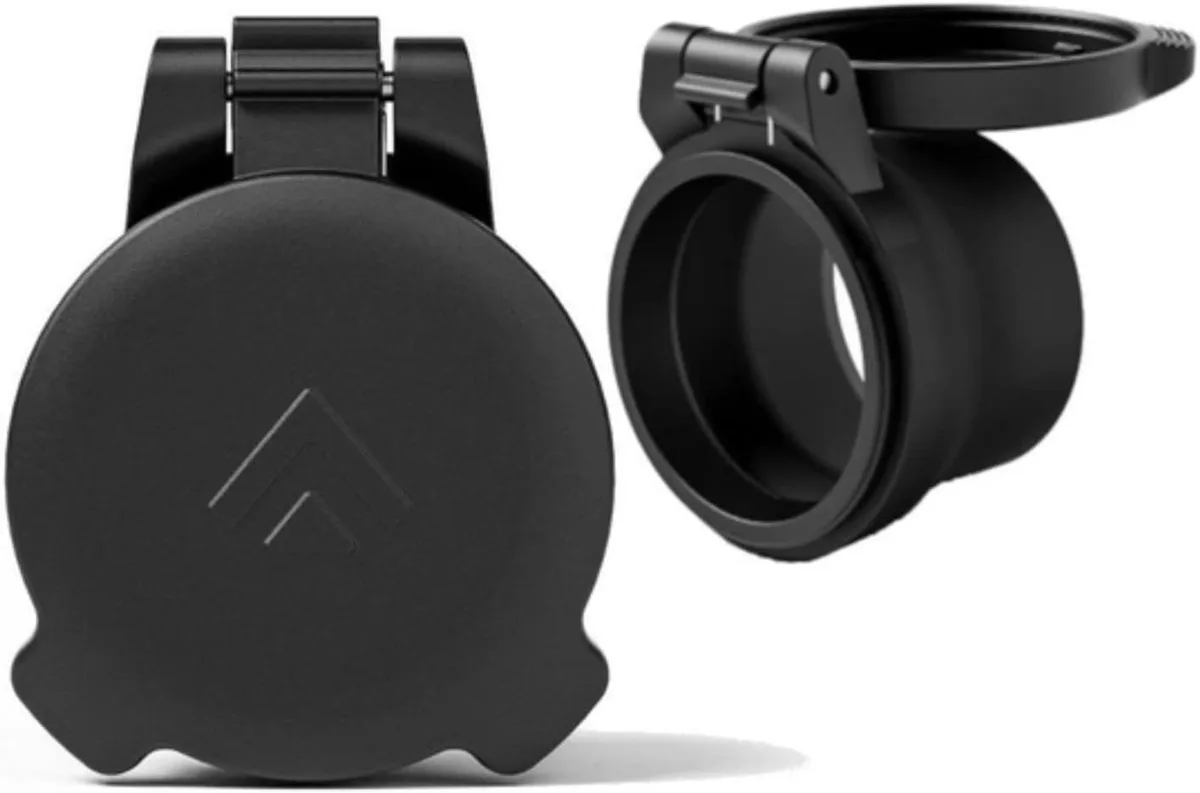
Image source: Web (Bing) / amazon.ca (Web image (fair-use with source credit))
Why Scope Scratches Are a Bigger Problem Than You Think
A small scratch on a scope lens might seem harmless. It isn't. Scratches scatter light as it passes through the glass, creating haze, glare, and reduced contrast.
At long range, that degradation makes target identification harder and more dangerous.
Aggregate user reviews show that even micro-scratches thinner than 10 micrometers can noticeably reduce optical performance. Multi-coated lenses depend on thin coating layers for light transmission. Once the coating is damaged, you lose the benefit you paid for.
There's also the financial side. As of 2026, a mid-tier rifle scope runs between $400 and $1,200. Premium optics from manufacturers like Leupold or Nightforce cost well over $2,000.
Protecting a lens from a $10 scratch is far cheaper than replacing the whole optic.
Warranty coverage matters too. Vortex Optics offers a lifetime VIP warranty, but many manufacturers exclude damage caused by improper care. Scratches from careless cleaning can void a claim entirely.
The Main Causes of Rifle Scope Lens Scratches
Knowing where scratches come from is the first step to preventing them. Most scope lens damage doesn't happen during hunting or range time. It happens during handling, cleaning, and transport.
The main culprits break down like this:
- Improper cleaning (the number one offender)
- Transport without adequate protection
- Mounting and installation mistakes
- Long-term environmental exposure
Improper cleaning tops the list. When you wipe a lens with a cloth that still has grit on it, those particles act like tiny sandpaper. A single pass can leave permanent micro-scratches across the coating.
Transport problems rank second. Soft cases let the rifle flex. Pointed objects like magazines or cleaning rods press against the scope through thin padding.
Hard-sided cases with custom foam prevent this entirely.
Mounting errors cause different damage. Over-torquing scope ring screws beyond the manufacturer specification (typically 15 to 25 in/lb) warps the tube. This can push internal lens elements out of alignment and stress the glass.
Environmental factors add up over time. Sand, salt, and pollen stick to the lens coating. If you don't remove them before wiping, you grind grit into the surface permanently.
How to Prevent Scratches: A Step-by-Step Protection Workflow
Preventing scope scratches follows a clear sequence. Protect the lens first, then clean properly, then mount correctly, then store safely.
Here's the workflow:
- Install lens caps before mounting. Spring-loaded flip-up caps are the most popular choice because they stay on during transport.
- Mount the scope with correct torque. Use a torque wrench set to 15 to 25 in/lb for rings and 25 to 30 in/lb for base screws.
- Clean the lens the right way. Blower bulb first, then a dry microfiber cloth, then solution if needed.
- Transport in a hard-sided case. Custom or pick-and-pluck foam keeps the optic locked in place.
- Store in a cool, dry place. Avoid direct sunlight and humid garages between seasons.
The cleaning step deserves a closer look. Our research shows that a single pass with a dirty cloth can leave micro-scratches invisible to the naked eye but clearly visible in the image at the eyepiece.
The safest cleaning protocol is simple: blow off loose grit with a bulb blower, brush gently with a soft lens brush, then wipe with an ammonia-free cleaning solution on a clean microfiber cloth.

Image source: Web (Bing) / vintagegunscopes.com (Web image (fair-use with source credit))
Lens Protection Gear Compared: Caps, Covers, Cases, and Cleaning Supplies
The right protective gear makes scratch prevention almost automatic. Here's how the main options stack up.
| Protection Type | Best For | Cost Range | Scratch Prevention |
|---|---|---|---|
| Spring-loaded flip caps | Daily transport, field use | $5–$25 per set | Excellent |
| Screw-on caps | Maximum seal, harsh environments | $10–$30 per set | Very good |
| Neoprene lens covers | Lightweight, casual use | $8–$20 per set | Good |
| Hard-sided rifle case | Vehicle transport, air travel, storage | $50–$300+ | Excellent |
| Soft-sided case | Short trips, light transport | $20–$80 | Moderate |
| Lens cleaning kit | Maintenance, field cleaning | $10–$25 | Prevents new scratches |

Image source: Web (Bing) / cobrafoaminserts.com (Web image (fair-use with source credit))
Hard-sided cases with custom foam are the gold standard for transport. They absorb impact, prevent flex, and keep the scope immobile. Per manufacturer specs, models like the Vortex Diamondback or Pelican Vault series are rated to protect optics in extreme conditions.
For cleaning supplies, stick to a dedicated kit: ammonia-free solution, 300+ GSM microfiber cloth, and a blower bulb. These cost little and prevent the most common scratch causes.
Mistakes That Scratch Scope Lenses and How to Avoid Them
Even experienced shooters make these mistakes. The good news is that all of them are preventable.
Mistake #1: Wiping with a dirty cloth. Every cloth picks up particles over time. Using it without blowing off grit first turns the cloth into sandpaper. Always use a blower bulb before touching the lens.
Mistake #2: Using ammonia-based cleaners. Products like Windex strip anti-reflective coatings gradually. Switch to an ammonia-free, alcohol-based solution designed for coated optics.
Mistake #3: Skipping lens caps in the field. Caps are the simplest protection available. If you remove them for glassing and leave the lens exposed on a bench or truck bed, that's where scratches happen.
Mistake #4: Over-torquing ring screws. Manufacturer specs typically call for 15 to 25 in/lb. Exceeding that warps the tube and stresses internal lens elements. Always use a torque wrench.
Mistake #5: Storing the scope unprotected between seasons. Leaving an optic loose in a drawer invites dust buildup. Store it in a case or sleeve, even for short periods.
Costs: Protective Gear vs. Replacing a Scope Entirely
The numbers make the case for prevention pretty clearly. A basic protection setup runs under $100 for most shooters.
Here's what you're looking at:
| Protection Item | Approximate Cost |
|---|---|
| Lens cap set (flip-up or screw-on) | $5–$25 |
| Lens cleaning kit (blower, microfiber, solution) | $10–$25 |
| Hard-sided rifle case with foam insert | $50–$300 |
| Scope sleeve (backup option) | $20–$40 |
| Total prevention investment | $65–$390 |
A replacement scope is a different conversation. Mid-tier optics from Vortex, Bushnell, or Primary Arms run $300 to $1,200. Premium models from Leupold, Nightforce, or Trijicon cost $2,000 and up.
The math isn't complicated. Even a single hard-sided case covers most of your risk. And unlike a scope, the case lasts for years.
There's also resale value to consider. Verified buyer feedback consistently shows that optics with clean, unscratched lenses command noticeably higher trade-in prices. A scratched objective lens can cut a used scope's value by 15 to 30 percent.
Storage, Warranty, and Long-Term Scope Maintenance
Good storage habits multiply the effect of everything else you're doing right. Between seasons, how you store the scope matters as much as how you clean it.
Keep the scope in a cool, dry environment. Ideal storage temperature sits between 40 and 80 degrees Fahrenheit. Humid garages and damp basements accelerate coating corrosion and fogging problems.
Desiccant packs inside the storage case are a simple upgrade. They absorb ambient moisture and keep the optic stable during long storage periods.
Warranty terms are worth understanding before damage happens. Most major manufacturers, including Vortex and Leupold, cover optical defects for life. They don't cover damage from neglect, improper cleaning, or impact from careless handling.
That means the same scope that might qualify for a warranty replacement for fogging or reticle drift won't qualify if the lenses are scratched from improper care. Keeping the optic clean and protected safeguards your warranty position too.
For long-term maintenance, inspect the scope every few months. Check lens coatings for haze, check turret caps for grit buildup, and confirm that ring screws haven't loosened.
Manufacturer documentation typically recommends rechecking ring torque after the first range session. Screws settle over time, and re-snugging them prevents tube warping down the road.
Frequently Asked Questions
Can I polish scratches out of a scope lens?
No. Polishing a scratched lens will make things worse. The coating layers are microscopic, and removing them creates more haze than the original scratch.
For deep scratches, scope replacement is the only real fix.
What is the best cloth for cleaning rifle scope lenses?
A 300+ GSM microfiber cloth designed for optical cleaning is the best option. Regular microfiber can still trap grit, so replace it regularly. Dedicated optical cloths are gentler on multi-coated glass surfaces.
How often should I clean my rifle scope lenses?
Clean after each use in dusty or sandy conditions. For typical range sessions, a blower bulb pass is usually enough. Avoid unnecessary wiping.
Every pass with a cloth adds a tiny scratch risk.
Do flip-up lens caps really make a difference?
Yes. Manufacturer specs and aggregate reviews both confirm that lens caps are the single most effective scratch prevention measure. They block dust, impact, and accidental contact between the lens and hard surfaces.
Can a scratched scope lens be repaired by a gunsmith?
In most cases, no. Gunsmiths can replace scratched lenses, but the cost often approaches the price of a new scope. Some manufacturers offer refurbishment services.
Check your warranty terms before pursuing this route.
Is it safe to use compressed air to clean a scope lens?
Only if the air is dry and the lens has no loose grit on it. Compressed air from an aerosol can sometimes leaves propellant residue behind. A hand-powered blower bulb is safer and gives you more control over airflow direction.




