If you’re someone who enjoys shooting or just wants to make sure your pistol works safely, you’ve probably wondered about steel-cased 9mm ammo. You might have heard mixed opinions—some say it’s fine, others warn against it.
So, is steel-cased 9mm ammo really safe for your pistol? This question matters because using the wrong ammo can affect your gun’s performance and even cause damage. Keep reading to find out what you need to know before you load your next round.
Steel-cased Ammo Basics
Steel-cased 9mm ammo is a popular choice among shooters. It offers a budget-friendly option compared to brass-cased rounds. Understanding its basics helps decide if it fits your pistol. This section covers the key points about steel-cased ammo.
Material Differences
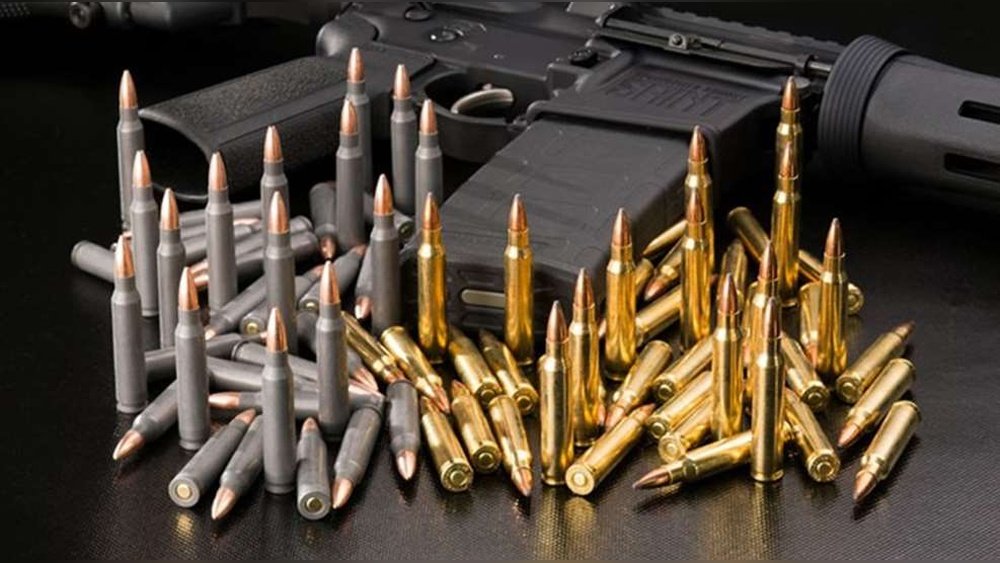
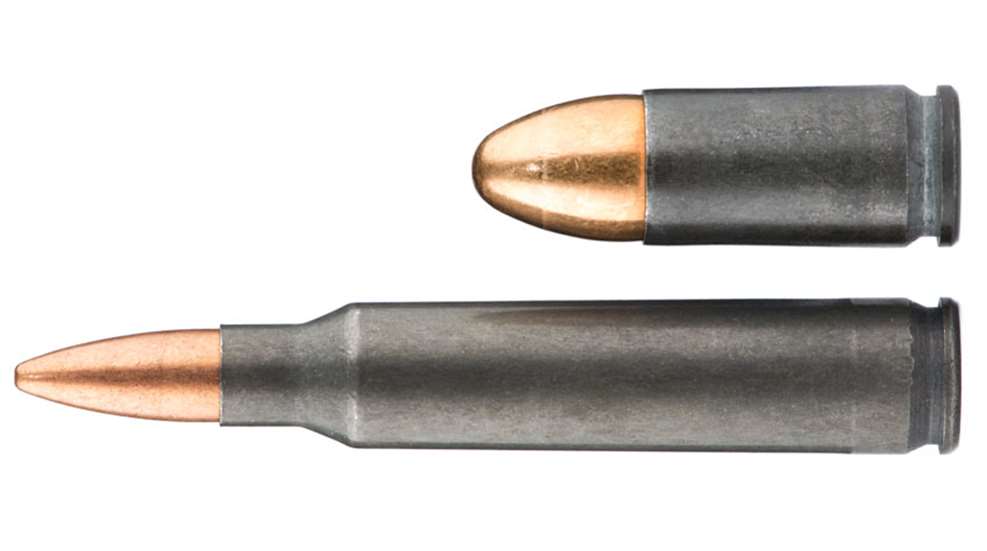
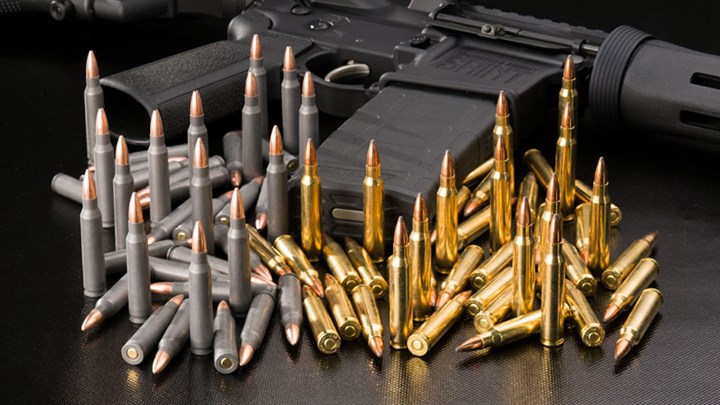
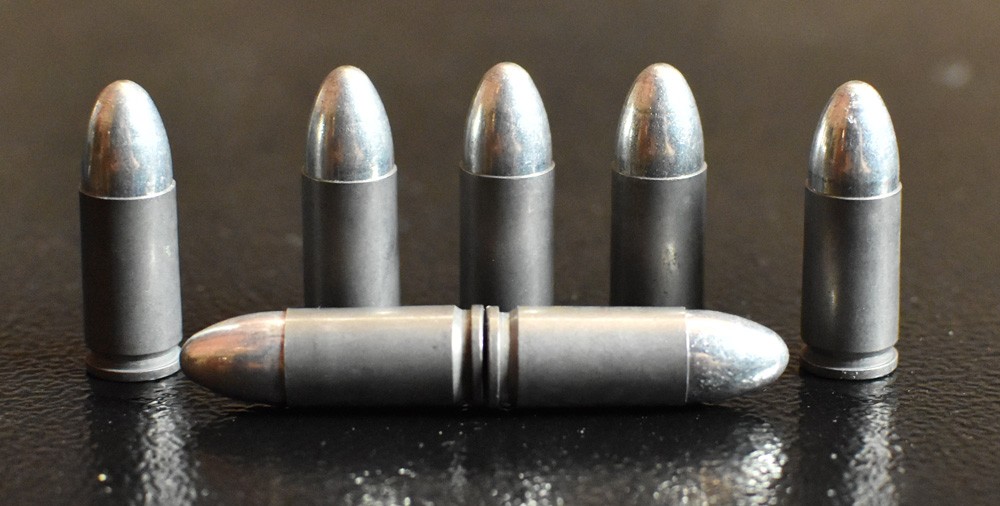
Steel-cased ammo uses steel for the cartridge case instead of brass. Steel is harder and less expensive to produce. It often has a thin coating to prevent rust. Brass cases are softer and easier to reload. Steel cases may wear out gun parts faster than brass.
Manufacturing Process
Steel cases are made by stamping and forming steel sheets. This process is faster and cheaper than making brass cases. The coating applied protects steel from corrosion. Brass cases require more complex machining. This difference affects the price and durability of ammo.
Common Usage
Shooters use steel-cased ammo mainly for practice and training. It is less expensive, making it good for high-volume shooting. Some pistols handle steel-cased ammo well, but not all. Users should check if their pistol can safely fire steel cases. Steel ammo is less common in competition or self-defense.
Compatibility With Pistols
Steel-cased 9mm ammo is popular due to its lower cost and availability. But its use is not always safe for all pistols. Some pistols handle steel cases better than others. Understanding compatibility helps you avoid jams or damage.
Chambering And Caliber Considerations
Pistols chambered specifically for 9mm Luger work with steel-cased ammo. The case diameter and length must match the chamber size exactly. Using ammo with different dimensions can cause feeding problems. Always check your pistol’s manual for recommended ammo types.
Feed And Extraction Issues
Steel cases are harder than brass cases. This hardness can affect how smoothly rounds feed into the chamber. Extraction can also be tougher, as steel cases may stick more in the chamber. Some pistols with strong extractors handle steel cases better. Others may experience failures or jams.
Impact On Semi-automatic Pistols
Semi-automatic pistols rely on smooth cycling of rounds. Steel-cased ammo can cause extra wear on the barrel and extractor. This may reduce pistol lifespan if used frequently. Some brands design pistols to tolerate steel cases well. Testing your pistol with steel ammo before regular use is wise.
Performance Factors
Performance factors play a key role in deciding if steel-cased 9mm ammo suits all pistols. These factors affect shooting experience and gun safety. Understanding them helps you pick the right ammo for your firearm.
Reliability In Different Firearms
Steel-cased ammo may feed less smoothly in some pistols. This happens because steel cases are harder and less flexible than brass. Some guns might jam or fail to eject properly. Testing ammo in your pistol ensures reliable performance.
Accuracy And Velocity
Steel-cased 9mm ammo often has slightly lower velocity. This can affect bullet trajectory and impact. Accuracy may vary depending on the gun and ammo brand. Steel cases might cause minor shifts in precision compared to brass.
Wear And Tear On Components
Steel cases are tougher on pistol parts like extractors and barrels. They cause more wear over time than brass cases. This means pistols may need more maintenance and part replacement. Regular cleaning helps reduce damage from steel-cased ammo.
Safety Concerns
Steel-cased 9mm ammo offers a budget-friendly option for many shooters. Yet, safety concerns arise for its use in all pistols. Understanding these concerns helps avoid damage or accidents.
Pressure And Barrel Wear
Steel cases can produce higher pressure than brass cases. This increased pressure may stress the pistol’s barrel and other parts. Over time, this wear can reduce the gun’s lifespan. Some pistols are not designed to handle this extra pressure safely.
Potential For Jamming
Steel cases are harder and less flexible than brass. This hardness can cause feeding and extraction problems. Pistols with tight chambers may jam more often using steel ammo. Frequent jams can be dangerous and frustrating during shooting.
Heat And Corrosion Effects
Steel cases conduct heat differently than brass cases. This difference can cause faster barrel heating during rapid firing. Steel is also more prone to rust and corrosion. Proper cleaning and care are essential to prevent damage.
Expert Recommendations
Experts offer clear advice about using steel-cased 9mm ammo in pistols. Safety and performance depend on the pistol type and ammo quality. Knowing the right pistols and maintenance steps helps avoid damage. Understanding when to skip steel-cased ammo keeps your gun safe and reliable.
Pistol Types Best Suited
Steel-cased 9mm ammo works best in pistols designed for full metal jacket rounds. Many modern pistols handle steel cases well. Older or high-end pistols with tight chambers may face issues. Polymer-framed pistols often manage steel ammo without problems. Semi-automatic pistols with robust extractors suit steel cases better.
Maintenance Tips
Steel-cased ammo can cause more wear and residue. Clean your pistol regularly to prevent buildup. Focus on the chamber, barrel, and extractor areas. Use a good solvent and brush after each shooting session. Lubricate moving parts well to reduce friction. Regular checks extend your pistol’s life with steel ammo.
When To Avoid Steel-cased Ammo
Avoid steel-cased ammo if your pistol is old or delicate. Some pistols may jam due to harder steel cases. Skip steel ammo during important or competition shooting. Also, avoid if you notice frequent misfeeds or extractor wear. When unsure, test a small batch first to check performance.
Alternatives To Steel-cased Ammo
Choosing the right ammo for your pistol matters a lot. Steel-cased 9mm ammo is common but not always the best choice for every gun. Some pistols may wear out faster or have feeding issues with steel cases. Exploring other ammo types can help you find safer, smoother shooting options.
Brass-cased Ammo Benefits
Brass cases are softer and less likely to damage your pistol. They expand and seal better in the chamber. This reduces gas blowback and improves safety. Brass is also easier to reload for those who reload their own ammo. Brass ammo tends to feed more reliably in many pistols.
Copper And Other Materials
Copper-jacketed bullets are common in both brass and steel ammo. Copper coatings reduce barrel wear and improve bullet performance. Some ammo uses nickel-plated cases for corrosion resistance. These materials can enhance reliability and reduce gun maintenance. Different materials suit different shooting needs and budgets.
Cost Vs. Performance
Steel ammo is usually cheaper but may cause faster pistol wear. Brass ammo costs more but offers better gun protection and reliability. Copper and nickel plating add slight cost but improve shooting experience. Decide based on how often you shoot and your pistol’s needs. Spending a bit more can save money on repairs later.
Frequently Asked Questions
Is Steel-cased 9mm Ammo Safe For All Pistols?
Steel-cased 9mm ammo is generally safe for most pistols. However, some firearms may experience increased wear. Always check your pistol manufacturer’s recommendations before using steel-cased ammo. Proper cleaning after shooting can help reduce any potential corrosion or damage.
Does Steel-cased Ammo Cause More Barrel Wear?
Yes, steel-cased ammo can cause slightly more barrel wear than brass-cased ammo. Steel is harder and may increase friction inside the barrel. For regular shooting, brass ammo is preferred to extend barrel life. Occasional steel-cased use is usually safe with proper maintenance.
Can Steel-cased 9mm Ammo Affect Pistol Reliability?
Steel-cased ammo can sometimes cause feeding or extraction issues. This is due to its harder casing and different friction properties. Reliable pistols tolerate steel ammo better. Testing your pistol with steel-cased rounds is essential to ensure consistent performance.
Is Steel-cased 9mm Ammo Cost-effective For Practice?
Steel-cased 9mm ammo is often cheaper than brass-cased ammo. It is a popular choice for high-volume practice sessions. While it may cause more wear, the savings usually outweigh the downsides for casual shooters. Always balance cost and firearm care.
Conclusion
Steel-cased 9mm ammo is not safe for all pistols. Some guns may have trouble feeding or firing it. Always check your pistol’s manual before use. Using the wrong ammo can cause damage or malfunctions. Choose ammo designed for your specific firearm.
Safety should come first when handling any gun. Test new ammo carefully and watch for signs of trouble. Stay informed and protect your firearm’s performance. This helps ensure safe and reliable shooting every time.