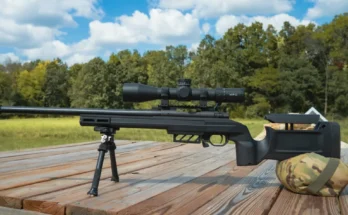
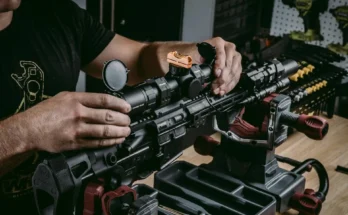
What is the best eye relief for a rifle scope? It's one of those specs most buyers glance past and regret later. Eye relief is the distance from the ocular lens to your eye when you see the full field of view.
Get it wrong and you risk scope bite, a recoil-driven injury that causes cuts, bruising, and in severe cases, facial fractures.
Manufacturer specifications indicate most modern variable-power centerfire scopes deliver 3.25 to 4.5 inches of eye relief at their lowest magnification. But that number alone doesn't tell the whole story. Recoil energy, mount height, magnification range, and shooting position all shift what actually works.
Let's start with why this matters more than people think.
Quick Answer
What is the best eye relief for a rifle scope? For most modern hunting and tactical scopes, aim for 3.5 to 4.5 inches. Long eye relief scopes work best for rimfire rifles, lever-actions, and shooters who wear glasses.
High-recoil calibers demand a larger safety margin. Always verify eye relief at maximum magnification before you zero.
Why Getting Eye Relief Wrong Is a Real Safety Problem

Image source: Web (Bing) / warnescopemounts.com (Web image (fair-use with source credit))
Scope bite is not a metaphor. When eye relief is too short, the scope jumps backward under recoil and strikes your face. Cuts, bruises, and orbital bone fractures are all documented outcomes of this mistake.
The risk scales directly with caliber recoil energy. A .223 Remington, generating roughly 4 foot-pounds of recoil, rarely causes injury from slightly short eye relief. A .300 Winchester Magnum at 35 foot-pounds will find your cheekbone if the scope sits too close.
Most major manufacturers now publish detailed eye relief specifications on their product pages. Per the technical documentation at Leupold, variable-power scopes list minimum eye relief values that change as you adjust magnification. The information is out there.
Plenty of buyers still skip it.
New scope buyers face the biggest risk. They often set eye relief by feel without verifying specs or thinking about how recoil behaves under real conditions.
Shooters who wear prescription glasses or bifocals have an additional complication. Thicker lenses push the eye further from the ocular lens. You may need more eye relief than the scope's minimum spec suggests.
One more factor compounds the danger. Cold-weather layers, heavy jackets, and face wraps change your cheek weld position. What felt correct in September might put you at risk of scope bite in November.
Treat eye relief as a safety specification, not a comfort preference.
How Eye Relief Actually Works
Eye relief is measured from the rear lens of the scope to the center of your eye when you see the full field of view without distortion. It's a straight-line distance. Simple in theory.
The complication is magnification. On most variable-power scopes, eye relief shortens as you dial up in power. A scope might give you 4.25 inches at low power but drop to 3.25 inches at maximum.
Set your eye relief at 3x and forget it, and the sight picture will be tight at 12x.
This is where the eye box concept matters. The eye box is the volume of space behind the scope where your eye can sit and still see the full sight picture. A generous eye box means forgiving positioning.
A tight eye box means you'll lose the picture the moment you shift your head.
First focal plane (FFP) and second focal plane (SFP) scopes both experience magnification-dependent eye relief changes. The difference lies in reticle behavior, not eye relief itself. FFP reticles scale with magnification.
SFP reticles stay fixed in size.
Fixed-power scopes hold a constant eye relief across all conditions. That's their advantage for consistency. But they limit your magnification range to a single setting.
The practical takeaway: always verify eye relief at your highest intended magnification. The sight picture at low power lies to you about how the scope will behave at long range.
The Best Eye Relief Numbers by Rifle Caliber, Scope Type, and Shooting Position
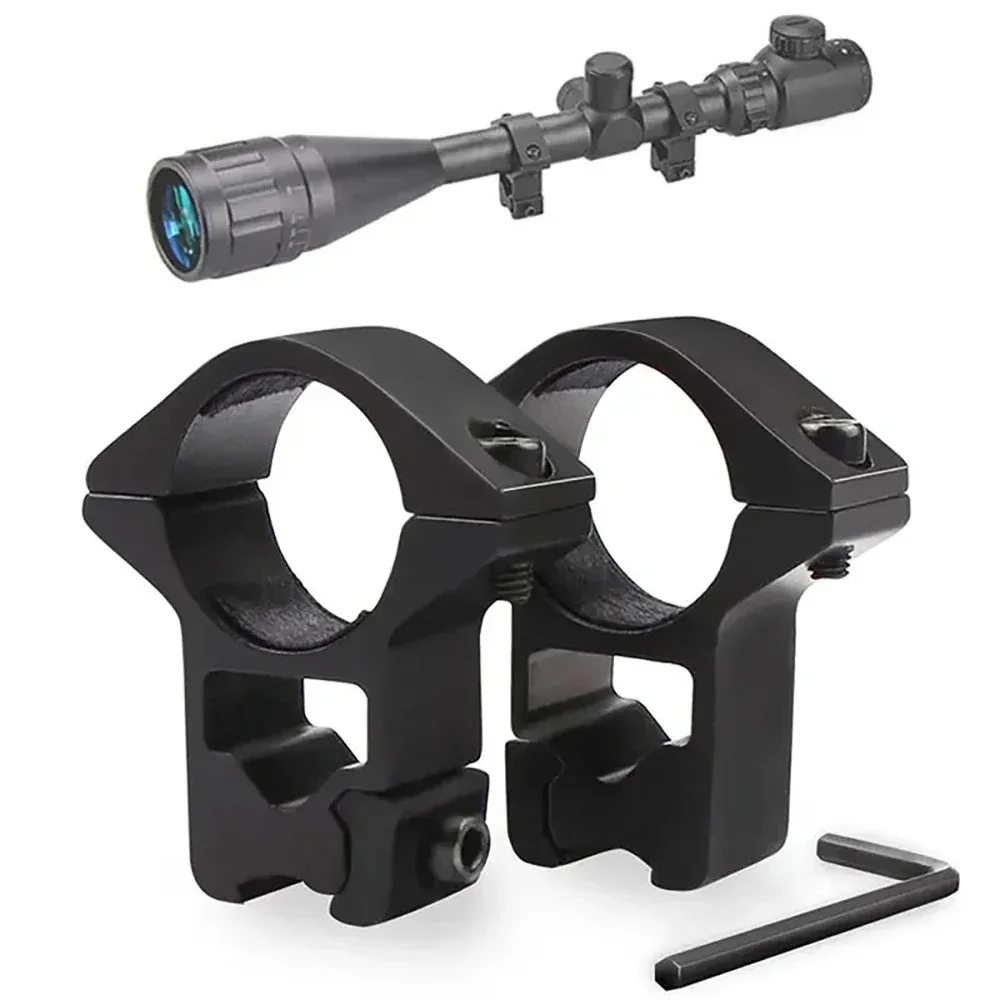
Image source: Web (Bing) / aliexpress.com (Web image (fair-use with source credit))
There is no single "best" eye relief number. The right value depends on recoil energy, scope type, and how you shoot. Here's a quick reference for common scenarios.
| Scenario | Typical Eye Relief Range |
|---|---|
| Hunting scope (.243 to .30-06) | 3.25 to 4.5 inches |
| Long-range precision scope | 3.5 to 4.0 inches |
| Rimfire scope (.22 LR) | 3.5 to 4.5 inches |
| Lever-action rifle scope | 3.5 to 4.5 inches |
| Scout rifle configuration | 3.5 to 4.0 inches |
| Magnum rifle (.300 WM, .375 H&H) | 3.75 to 4.75 inches |
| Budget scope (older designs) | 2.5 to 3.25 inches |
Recoil energy drives the real-world difference. Ballistic data compiled by SAAMI shows a .223 Remington generates under 5 foot-pounds of recoil, while a .300 Win Mag delivers over 30. As of 2026, that gap hasn't changed.
A scope that works perfectly on the former will punish you on the latter.
Mount height matters too. Scope rings that sit too high push the scope further from your eye. Rings that sit too low may cause bolt handle interference.
Most rifle-specific mounting guides list the correct ring height for each optic and rifle combination.
If you wear glasses, add at least 0.5 inches to the minimum eye relief your scope specifies. Prescription lenses and tight eye boxes don't play well together.
Standard Eye Relief vs Long Eye Relief

Image source: Web (Bing) / combathunting.com (Web image (fair-use with source credit))
Standard eye relief scopes offer 3.25 to 4.5 inches of eye relief. They're the default choice for most bolt-action rifles, modern hunting rifles, and tactical setups. The benefit is generous objective lens diameter and better low-light performance.
Long eye relief (LER) scopes push that distance to 4.5 to 6 inches. They're purpose-built for platforms where the shooter sits further back from the scope.
Standard eye relief is best for bolt-action hunting rifles, modern precision and long-range rifles, tactical rifles with Picatinny rail mounting, and shooters who don't wear glasses or bulky headwear.
Long eye relief is best for lever-action rifles with limited mounting space, scout rifle configurations, rimfire rifles with shorter mounting requirements, and shooters who wear wide-brimmed hats, thick glasses, or cold-weather gear.
The tradeoff is straightforward. Long eye relief scopes typically have smaller objective lens diameters. That reduces low-light gathering ability.
They also require taller ring heights on bolt-action rifles to clear the bolt handle.
Budget and premium brands handle eye relief differently. Premium scopes maintain tighter eye relief tolerances across magnification ranges. Budget scopes often advertise specs measured only at lowest magnification.
If you're choosing between the two, think about your rifle platform first, then your shooting conditions. The platform dictates which type will physically mount. Your conditions determine which eye relief value keeps you safe.
How to Set the Correct Eye Relief on Your Rifle Scope, Step by Step
Getting eye relief right doesn't require expensive tools. It requires patience and the right sequence.
Step 1: Choose the correct ring height. Check your scope's objective lens diameter and your rifle's bolt handle clearance. Manufacturer mounting charts specify the correct ring height for each combination. Get this wrong and everything else fails.
Step 2: Mount the scope but leave it loose. Hand-tighten the ring screws only. You need to slide the scope forward and backward during adjustment.
Step 3: Position the scope. Sit behind the rifle in your normal shooting position. Close one eye and line up the other with the scope. Move it until you see the full field of view with a thin ring of darkness around the edge.
Step 4: Set the diopter. Twist the rear ocular ring until the reticle appears sharp to your eye. Do this before checking eye relief. A blurry reticle makes everything else harder to judge.
Step 5: Check at maximum magnification. Crank the scope to full power. Verify you still see the full field of view. This is the test most shooters skip.
Step 6: Test under real conditions. Shoot from your actual position. Wear the hat, glasses, and clothing you'd use in the field. Recoil will tell you if you're positioned correctly.
Step 7: Torque the ring screws to manufacturer specs. Over-torquing crushes the scope tube. Under-torquing lets the scope shift under recoil.
Step 8: Re-verify after any change. Moving the scope, swapping rings, or changing stock components can all shift eye relief. Check the sight picture at maximum magnification before you trust your zero again.
Mistakes That Lead to Scope Bite and Why Your Zero Keeps Drifting
Mounting the scope too low is the most common error. Low rings seem sleek, but they leave no margin for recoil. The scope jumps straight into your cheek.
Use the minimum ring height that still clears your rifle's bolt handle.
Guessing ring height is equally dangerous. Every scope and rifle combination has a specific mounting chart. Don't rely on generic "medium" or "high" labels.
Check the manufacturer's chart before you buy anything.
Ignoring recoil energy when setting eye relief is a close third. If you swap from a .243 Winchester to a .30-06, the eye relief you trusted before no longer protects you. Higher recoil demands a larger safety buffer between your eye and the ocular lens.
Moving the scope after zeroing without re-verifying eye relief causes zero drift over time. Any shift in mount position changes where the bullet impacts. You'll chase a shifting group and never pin down the cause.
Assuming manufacturer eye relief specs fit every shooter is a dangerous shortcut. Specs are measured under controlled conditions. Real-world factors like head position, glasses, clothing layers, and shooting stance shift the effective window.
Here's one more trap. Shooters sometimes crank magnification to maximum without rechecking eye relief. The sight picture at low power hides the tightness at high power.
Always verify the full sight picture at the magnification you actually shoot.
Frequently Asked Questions About Rifle Scope Eye Relief
What eye relief do I need for a .30-06 rifle?
For a .30-06 Springfield, target 3.75 to 4.5 inches of eye relief. This caliber generates roughly 25 foot-pounds of recoil, which demands a generous margin. Check the scope at maximum magnification to confirm the sight picture holds.
Can I use a long eye relief scope on a bolt-action rifle?
Yes, but you'll likely need extra-high scope rings to clear the bolt handle. Long eye relief scopes sit higher on most bolt-action platforms. Verify bolt clearance before you finalize your mounting setup.
Does eye relief change on a variable power scope?
Yes. Eye relief typically shortens as you dial up in magnification. A scope giving 4.25 inches at 3x might drop to 3.25 inches at 12x.
Always test at the highest power you'll use in the field.
How much eye relief do I need if I wear glasses?
Add at least 0.5 inches beyond the scope's minimum spec if you wear prescription glasses. Thicker lenses push your eye further from the ocular lens. Budget for that gap when selecting a scope and choosing ring heights.
What is the difference between eye relief and eye box?
Eye relief is the distance from the ocular lens to your eye. Eye box is the area around that point where you still see the full sight picture. A generous eye box makes eye relief easier to achieve and maintain.
How do I know if my eye relief is too short?
If the scope kicks into your face under recoil, it's too short. You may also see only a partial field of view or experience eye strain. Increase the distance between your eye and the scope until the full picture sits comfortably.