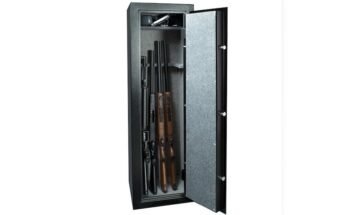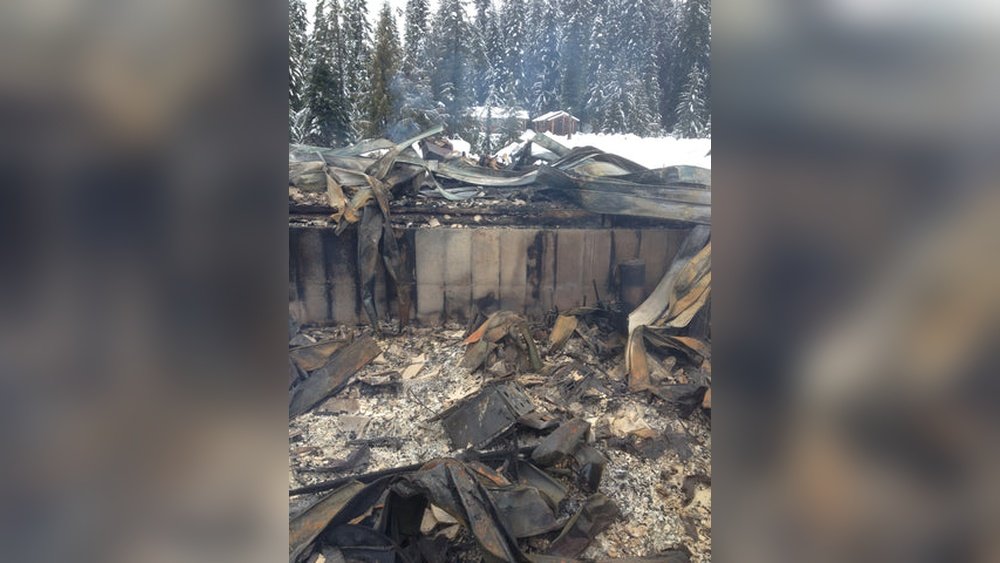
When it comes to protecting your valuable firearms, one question probably weighs heavily on your mind: How long can a rifle safe withstand fire? You want to keep your rifles secure, not just from theft but from unexpected disasters like house fires.
Understanding the fire resistance of your safe could make all the difference between losing your prized collection or keeping it intact. You’ll discover what really happens inside a rifle safe during a fire, how long it can protect your guns, and what features to look for to maximize that protection.
Keep reading to make sure your investment stays safe when it matters most.
Fire Resistance Ratings
Fire resistance ratings show how long a rifle safe can protect its contents during a fire. These ratings help you understand the level of protection offered. Not all safes are equal. Knowing these ratings helps you pick the right safe for your needs.
Common Fire Endurance Standards
Most rifle safes follow fire endurance standards from testing agencies. The common ratings are 30 minutes, 60 minutes, and 120 minutes. These numbers mean the safe can resist fire for that length of time. The standards often test safes at temperatures around 1,700°F (927°C).
Some safes also have ratings for internal temperature limits. For example, keeping the inside below 350°F (177°C) protects gunpowder and wood stocks. These standards ensure the safe does more than just stay closed—it protects the contents.
Testing Procedures For Safes
Testing involves placing the safe in a furnace that simulates real fire conditions. The temperature rises quickly to about 1,700°F and stays there. Testers check how long the safe can hold its shape and protect the inside.
During the test, sensors measure the internal temperature. This shows if the safe keeps the heat low enough to avoid damage. After the fire test, the safe may be hit or dropped to check its strength. This simulates rescue efforts during or after a fire.
What Ratings Mean For Protection
A 30-minute rating means the safe protects for short fires. A 60-minute rating offers medium protection. Two hours or more is best for serious fire risks. Longer ratings usually mean better materials and construction.
Remember, the rating does not guarantee total safety. It shows how long the safe can resist fire under test conditions. Real fires may vary in intensity and duration. Choose a rating that matches your local fire risk and the value of your guns.

Materials That Resist Fire
Rifle safes need strong materials to protect guns from fire. The choice of materials affects how long the safe can resist heat. Fire-resistant materials slow down heat and keep the inside cool. These materials are key for safety in case of fire. Understanding these helps you know how safes protect your rifles.
Fireproof Insulation Types
Fireproof insulation stops heat from reaching the safe’s inside. Common types include gypsum, cement board, and mineral wool. Gypsum holds water, which helps keep heat away. Cement board is tough and resists high temperatures. Mineral wool blocks heat with its dense fibers. These insulations work by absorbing or reflecting heat. They add crucial minutes during a fire.
Steel And Composite Construction
Steel is the main material in most rifle safes. It offers strong resistance to fire and physical attacks. Thicker steel means better protection but adds weight. Composite construction mixes steel with fireproof layers. This mix improves heat resistance without too much weight. Good construction delays heat entry, protecting guns longer.
Sealants And Gaskets
Sealants and gaskets close gaps in the safe’s door. They stop smoke and hot gases from entering. Intumescent sealants expand when heated, sealing cracks tightly. Gaskets made of fire-resistant materials keep the door airtight. These parts help maintain cooler temperatures inside. They are small but vital for fire protection.
Safe Design Features
Safe design features play a key role in protecting rifles during a fire. These features work together to slow down heat and keep the contents secure. Understanding these parts helps you know how long a rifle safe can last in extreme heat.
Door And Lock Mechanisms
The door is the first line of defense against fire. Thick steel doors block heat and flames. Many safes use special fire seals that expand when hot. These seals close gaps to stop smoke and heat from entering. Strong lock systems keep the door tightly shut. This prevents heat from sneaking inside through weak spots. A good lock also stops forced entry during emergencies.
Heat Dispersion Techniques
Heat dispersion slows down the fire’s effect on the safe. Some safes have layers of fire-resistant material inside the walls. These layers absorb and spread out heat to lower damage. Air gaps inside the safe help cool down the temperature. Some safes use insulation that reflects heat away. This keeps the inner part of the safe cooler for longer.
Internal Shelving And Padding
Inside, shelves help organize rifles and gear. These shelves also keep guns off the floor, away from heat. Soft padding protects the rifles from scratches and bumps. Padding can also add a small layer of heat resistance. It stops parts from touching hot metal surfaces directly. This helps keep rifles in better condition during a fire.

Factors Affecting Fire Survival Time
Several factors affect how long a rifle safe can withstand fire. Understanding these helps in choosing the right safe. Fire survival time varies widely based on different conditions. Knowing these details helps protect your valuables better.
Fire Intensity And Duration
Fire intensity plays a major role in a safe’s protection time. A low-intensity fire burns cooler and slower. High-intensity fires reach extreme temperatures quickly. The longer the fire burns, the more damage it causes. Safes can only resist heat for a certain period. After that, internal temperatures rise, risking damage to contents.
Safe Size And Thickness
Larger safes usually have thicker walls and more insulation. Thicker walls slow heat transfer inside the safe. This extra protection extends fire survival time. Smaller safes with thin walls heat up faster. Insulation quality also matters for heat resistance. A well-built safe balances size and thickness for better fire protection.
Environmental Conditions
Environmental factors influence how a fire affects a safe. Outdoor safes face wind that can increase fire heat. Indoor safes may be shielded by building materials. Humidity and moisture can impact safe materials during a fire. Placement of the safe can change fire exposure levels. These conditions alter the safe’s ability to survive fire.
Testing Real-world Fire Scenarios
Understanding how long a rifle safe can survive a fire is important. Testing real-world fire scenarios gives clear answers. It shows how safes react under extreme heat and smoke. Such tests help gun owners choose the best protection for their firearms. Let’s explore what these tests reveal.
Results From Controlled Burn Tests
Controlled burn tests simulate house fires with safes inside. Experts place sensors to track heat and internal temperature. Many safes keep guns safe for 30 minutes to 2 hours. Some high-end models last even longer. The safe’s insulation and seal quality matter most. Results prove not all safes are fireproof.
Firefighter Insights
Firefighters often see homes destroyed by flames. They confirm fires can reach 1,100 degrees Fahrenheit or more. Firefighters note safes slow fire damage but rarely stop it completely. They warn that rapid heat rise can break weak locks or seals. Their experience highlights the need for tested, reliable safes.
Case Studies Of Fire Damage
Real case studies show mixed results for rifle safes in fires. Some safes protect guns despite heavy smoke and heat. Others fail due to poor design or old age. Stories from survivors stress buying safes with good fire ratings. These cases remind us that no safe is perfect but some offer real protection.
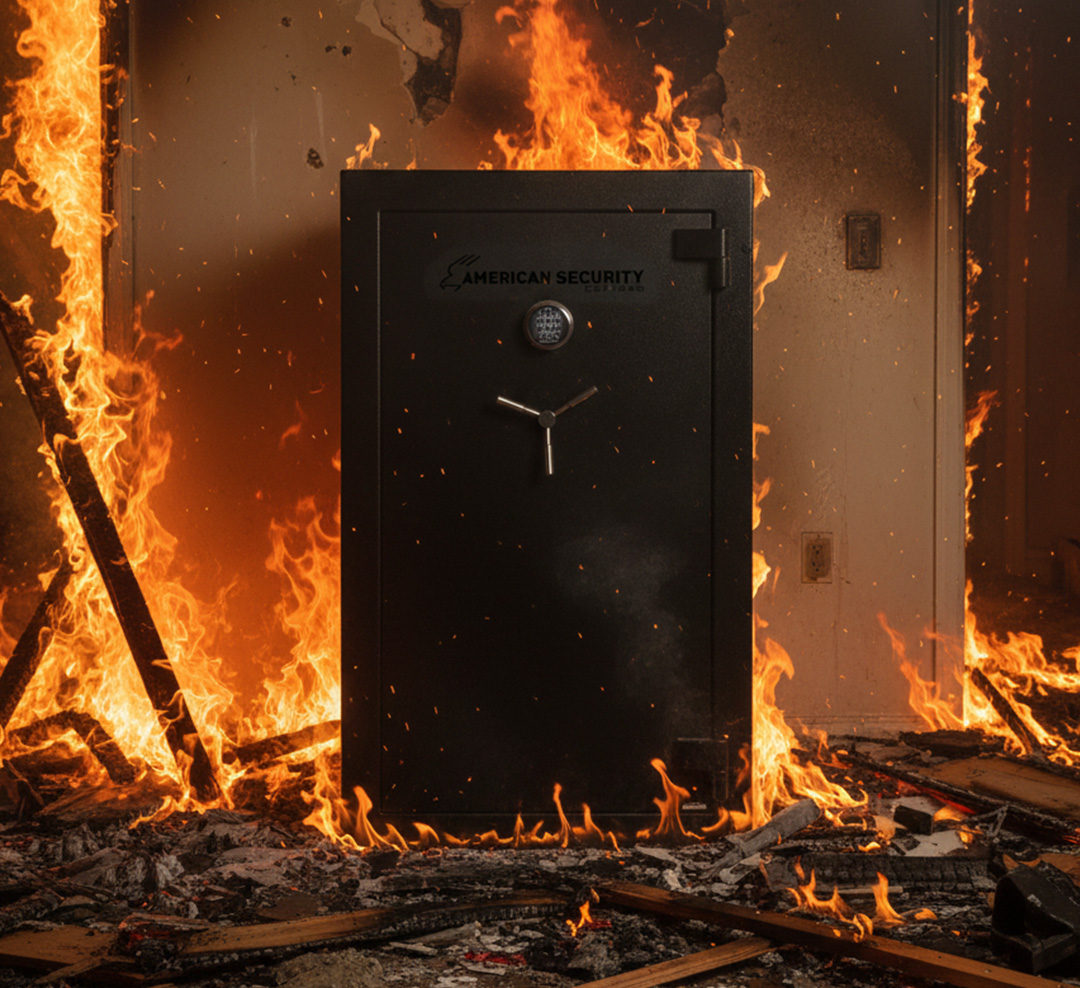
Choosing The Right Fireproof Rifle Safe
Choosing the right fireproof rifle safe is key to protecting your firearms. The safe must resist fire long enough to keep your guns secure. It also needs to prevent theft. Finding a balance between these factors is important. Consider your budget and check the safe’s certifications. These steps help you pick a reliable safe that fits your needs.
Balancing Fire And Theft Protection
Some safes focus more on fire resistance. Others offer strong theft protection. The best safes provide both. Fireproof materials like special insulation keep heat away. Thick steel walls and solid locks stop thieves. Think about what risks you face more often. A good safe balances both types of protection well.
Budget Considerations
Fireproof rifle safes come in many price ranges. Higher prices often mean better fire and theft protection. Set a budget before you shop. Don’t buy the cheapest safe. It might not last in a fire or stop theft. Spend enough to get peace of mind. Look for safes that offer good value, not just low cost.
Certification And Warranty
Look for safes with fire and security certifications. These prove the safe meets strict testing standards. Common certifications come from independent labs. They test how long a safe can resist fire. Warranties show the maker’s confidence in their product. Choose safes with clear certifications and solid warranties. This helps ensure your rifle safe will protect your guns.
Maintenance For Fire Protection
Maintaining your rifle safe is key for fire protection. Regular care keeps the safe working well during emergencies. Fire can damage seals and locks. Checking these parts helps your safe protect your rifles better. Small problems can become big issues. Fixing them early saves your guns and your peace of mind.
Inspecting Seals And Locks
Check the door seals for cracks or dryness. Seals keep smoke and heat out. Tight seals stop fire from entering. Test locks to ensure smooth operation. Locks that stick may fail in a fire. Clean dirt and dust from seals and locks. A clean safe works better in emergencies.
Replacing Damaged Components
Replace seals that look worn or broken. Old seals lose their fire resistance. Swap out locks that do not close firmly. Use parts made for your safe model. Avoid cheap or generic components. Proper parts keep fire protection strong. Timely replacements extend your safe’s life.
Safe Placement Tips
Place your safe away from heat sources. Avoid spots near heaters or fireplaces. Keep the safe off the floor if possible. Elevate it with a sturdy stand or platform. Choose a dry location to prevent rust. Avoid direct sunlight to protect seals. Good placement helps the safe resist fire damage.
Frequently Asked Questions
How Long Does A Rifle Safe Resist Fire?
A rifle safe typically resists fire for 30 to 60 minutes. This depends on the safe’s fire rating and construction materials. Higher-rated safes offer longer protection by withstanding extreme temperatures and preventing internal damage to firearms.
What Materials Make A Rifle Safe Fire-resistant?
Fire-resistant rifle safes use materials like gypsum, concrete, and steel. These materials absorb heat and slow fire spread. Insulation layers inside the safe protect firearms from high temperatures and smoke damage during a fire.
Does Fire Rating Affect A Rifle Safe’s Price?
Yes, fire ratings impact rifle safe prices. Higher fire ratings require better materials and construction, increasing cost. Investing in a safe with a strong fire rating ensures better protection for your firearms and valuables.
Can A Rifle Safe Protect Against Smoke Damage?
Most fire-resistant rifle safes also protect against smoke damage. Sealed doors and insulation prevent smoke from entering. This helps preserve firearms and ammunition during fires, ensuring they remain safe and usable.
Conclusion
A rifle safe can protect your guns from fire for some time. The exact duration depends on the safe’s rating and materials. Investing in a high-quality safe helps keep firearms secure during emergencies. Fire resistance ratings give a clear idea of how long safes last in heat.
Remember, no safe can guarantee total protection in extreme fires. Regular maintenance and proper placement improve safety. Choose a safe that fits your needs and budget. Stay safe and protect your valuables wisely.