Have you ever wondered how quickly a biometric safe can open when you need it most? Whether you’re rushing to secure your valuables or accessing important documents in an emergency, speed matters.
You’ll discover exactly how fast these safes respond to your fingerprint and what factors can affect their opening time. By the end, you’ll know what to expect and how to choose a biometric safe that matches your need for both security and quick access.
Keep reading to unlock the truth behind the speed of biometric safes.

Biometric Safe Basics
Biometric safes use unique body features to open. They focus on fingerprints or eye patterns. This technology keeps your valuables secure and easy to access only by you.
The speed of opening depends on the quality of the biometric system. Understanding how these safes work helps you know what to expect.
What Is A Biometric Safe
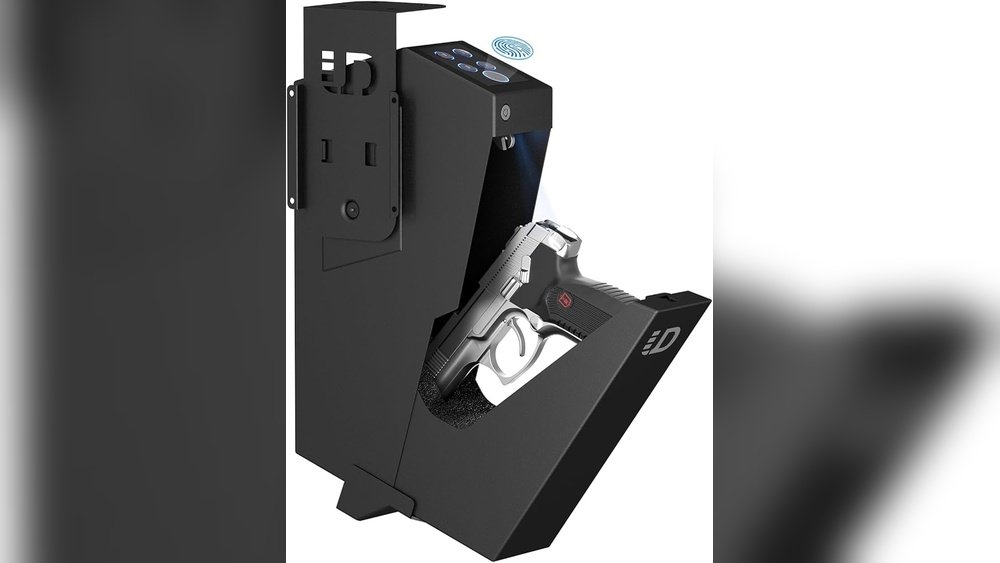
A biometric safe is a secure box with a lock that reads your fingerprint or retina. It replaces traditional keys or codes. Only registered users can open it. This stops others from gaining access. It is common in homes and offices for protecting important items.
Key Components Of Biometric Locks
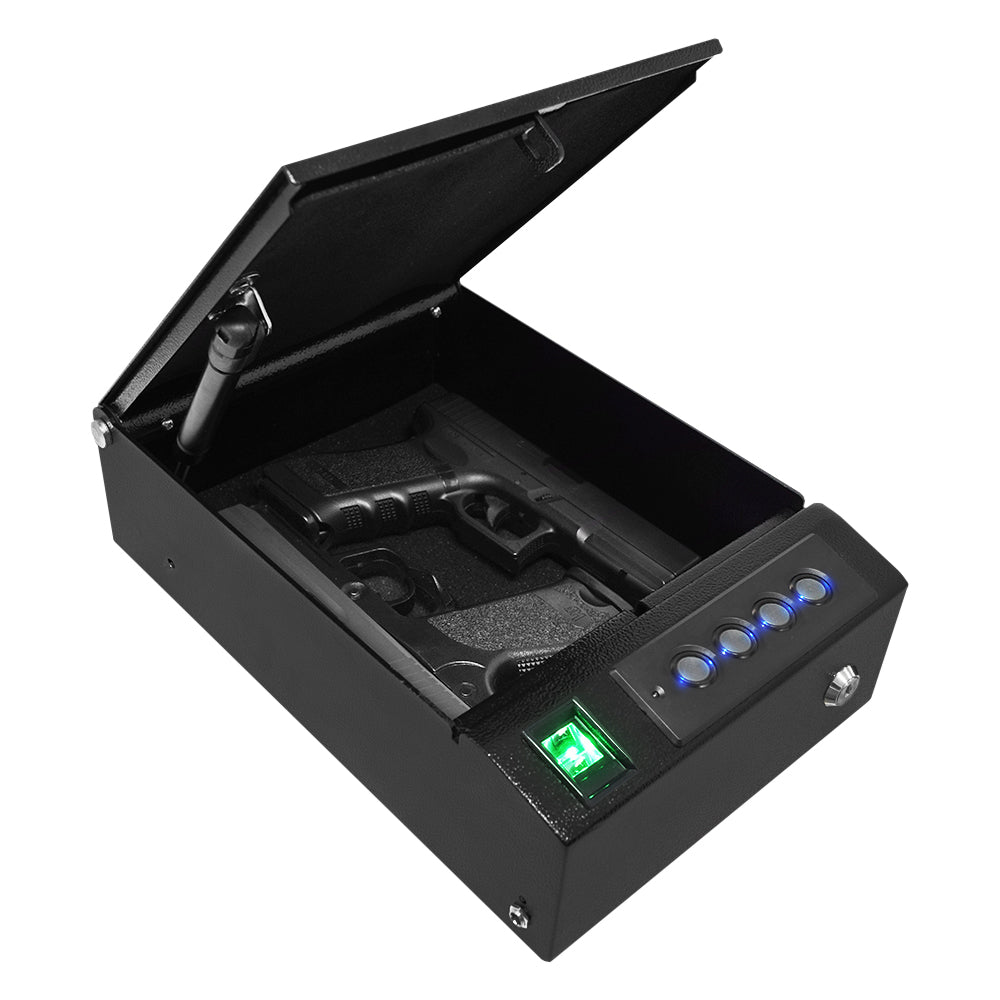
Biometric locks have several key parts. The sensor scans your fingerprint or eye. A processor compares the scan to stored data. If it matches, the lock opens. A battery powers the system. A backup method may exist in case of power failure.
Good sensors are fast and accurate. This affects how quickly the safe opens. The processor speed also matters. Strong batteries ensure consistent performance. Understanding these parts explains how fast a biometric safe can open.
Factors Affecting Opening Speed
The speed at which a biometric safe opens depends on several key factors. These factors affect how quickly the safe recognizes your fingerprint and releases the lock. Understanding them helps you choose a safe that fits your needs for quick access.
Sensor Technology
The type of sensor affects how fast the safe reads your fingerprint. Optical sensors use light to scan, which can be slower in low light. Capacitive sensors read your fingerprint by detecting electrical signals. They tend to be faster and more accurate. The quality of the sensor also matters. Higher-quality sensors reduce errors and speed up recognition.
Processor Efficiency
The processor inside the safe controls the fingerprint matching process. A faster processor compares your fingerprint data quickly. This lowers the time between scanning and opening. Slower processors cause delays and frustration. Modern safes often use advanced chips for better speed and accuracy.
Battery Life And Power
Battery power affects the safe’s performance. Low battery levels can slow down the sensor and processor. Some safes slow their response to save energy. Fresh batteries keep the safe working at top speed. Regular battery checks ensure fast access every time.
Locking Mechanism Type
The mechanical parts also impact opening speed. Electronic locks open faster than traditional dial or key locks. Motor-driven bolts retract quickly once the code is verified. Manual locks take longer because they need physical turning. A simple locking mechanism usually means faster access.
Typical Unlocking Times
Typical unlocking times for biometric safes vary depending on technology and model. These safes use fingerprint scanners to identify users quickly. The goal is to provide fast access without compromising security.
Knowing the usual response times helps users understand what to expect. It also shows how biometric safes compare to traditional locking systems.
Average Biometric Safe Response Times
Most biometric safes open within 1 to 3 seconds after a fingerprint scan. The scanner reads the fingerprint and matches it with stored data. If the print matches, the safe’s lock releases quickly. Some models may take up to 5 seconds due to extra security checks. Response time depends on sensor quality and software speed.
This quick access is useful in emergencies or daily use. Users can reach their valuables without delay. The technology improves over time, making response times faster.
Comparison With Traditional Safes
Traditional safes use keys or combination dials. Opening them usually takes 10 to 30 seconds or more. Users must find the right key or remember the code. This process can slow down access.
Biometric safes cut down opening time significantly. No need to fumble with keys or dials. Fingerprint recognition is faster and more convenient. It also reduces the chance of forgetting codes or losing keys.
However, traditional safes do not rely on electronics. They work even if batteries die. Biometric safes need power, so battery life matters.
Improving Unlock Speed
Improving the speed of a biometric safe opening depends on several simple but effective steps. Faster access means less waiting and more convenience. Small changes can make a big difference in how quickly the safe responds. Focus on key areas to help your safe work better and faster.
Optimizing Fingerprint Recognition
Clean your fingers before using the scanner. Dirt or moisture can slow down recognition. Enroll multiple fingerprints for quicker access. Make sure the scanner is free of dust and smudges. Position your finger correctly on the sensor to avoid errors. Adjust the settings to reduce the time the scanner takes to identify prints.
Maintenance Tips
Regularly clean the biometric sensor with a soft cloth. Avoid harsh chemicals that can damage the surface. Check the battery level often; low power slows the system. Replace batteries promptly to keep the safe responsive. Keep the safe in a dry place to prevent moisture issues. Test the sensor frequently to ensure it works smoothly.
Upgrading Hardware
Older biometric safes may have slower processors. Consider upgrading to a model with faster technology. Newer sensors recognize prints more quickly and accurately. Check for firmware updates from the manufacturer. Updated software can improve speed and security. Investing in better hardware reduces waiting time significantly.
Security Vs. Speed Trade-offs
Choosing the right biometric safe means weighing speed against security. Faster access can save time in urgent moments. Yet, quick opening often reduces the safe’s protection strength. Understanding this balance helps pick the best safe for your needs.
Balancing Quick Access And Protection
Biometric safes vary in how fast they open. Some open in less than a second, ideal for emergencies. Others take longer but offer stronger security features.
Faster models use simpler sensors or fewer verification steps. This speeds up access but may allow more false positives. Slower safes check multiple factors to confirm identity. This extra check time protects valuables better.
Think about what matters most. For daily use, quick access might be key. For high-value items, slower but safer options suit better.
Risks Of Faster Unlocking
Speed can create risks. Quick sensors might mistake a wrong fingerprint for the owner’s. This error lets intruders open the safe.
Fast biometric safes may have weaker encryption. Hackers could exploit this to break in. Also, they might be easier to trick with fake fingerprints.
Choosing a fast safe means accepting some risk. Be aware of what safety features are reduced. Always test the safe’s reliability before trusting it fully.

Future Trends In Biometric Safes
The future of biometric safes looks promising. Technology is evolving fast. This will make safes quicker and safer. New features will improve how we protect valuables. Understanding these trends helps in choosing the right safe.
Advances In Biometric Sensors
Biometric sensors are becoming more precise. They can read fingerprints, eyes, or even veins better. Faster scanning reduces the time to open safes. Sensors now work well even with wet or dirty fingers. These upgrades lower the chance of errors. This means safer and quicker access to your safe.
Ai And Machine Learning Integration
Artificial intelligence helps safes learn user patterns. Machine learning improves how safes recognize authorized users. This reduces false rejections and increases security. AI can detect unusual access attempts and alert owners. It also speeds up safe opening by predicting user behavior. These smart features make biometric safes more reliable and user-friendly.
Frequently Asked Questions
How Fast Does A Biometric Safe Open On Average?
A biometric safe typically opens within 1 to 3 seconds after successful fingerprint recognition. This speed ensures quick access while maintaining security.
What Affects The Opening Speed Of Biometric Safes?
Factors like sensor quality, battery life, and user fingerprint accuracy impact opening speed. High-quality safes offer faster and more reliable access.
Can A Biometric Safe Open Without Fingerprints?
Most biometric safes include backup methods like passcodes or keys. These alternatives allow access if fingerprint recognition fails or batteries die.
Are Biometric Safes Faster Than Traditional Combination Locks?
Yes, biometric safes generally open quicker than combination locks. Fingerprint scanning takes seconds, while combination entry can take longer.
Conclusion
Biometric safes open quickly, usually within seconds. Speed depends on the model and technology used. Fingerprint recognition is fast but may vary slightly. Battery life and sensor quality also affect opening time. These safes balance security with convenience well. Choosing the right safe means knowing your needs.
Quick access is useful in emergencies or daily use. Trust in biometric safes grows as they improve. They offer a secure and simple way to protect valuables. Safety and speed can work hand in hand.