You probably want to keep your rifles safe and secure. But have you ever wondered how easy it really is to open a rifle safe?
Whether you’re worried about quick access in emergencies or keeping your firearms out of the wrong hands, understanding how a rifle safe works is crucial. This article will reveal what makes some safes simple to open and others nearly impossible.
By the end, you’ll know exactly what to look for to protect your guns—and your peace of mind. Keep reading to discover the truth about rifle safe security.
Types Of Rifle Safes
Rifle safes come in several types, each with its own locking method. The type of lock affects how easy or hard it is to open the safe. Choosing the right safe depends on your needs for security and convenience.
Mechanical Lock Safes
Mechanical lock safes use a dial to enter a combination. Turning the dial to the correct numbers opens the safe. These locks do not need batteries or electricity. They are simple but can take longer to open. Mechanical locks are very reliable and hard to break.
Electronic Lock Safes
Electronic lock safes use a keypad for a code. You enter a number to unlock the safe quickly. These safes need batteries to work. They offer faster access than mechanical locks. Electronic locks often have backup keys for emergencies.
Biometric Safes
Biometric safes use fingerprints to unlock. The safe reads your fingerprint to allow access. This type is very fast and easy to use. Biometric safes provide high security by limiting access. They need power, usually from batteries, to operate.
Common Vulnerabilities
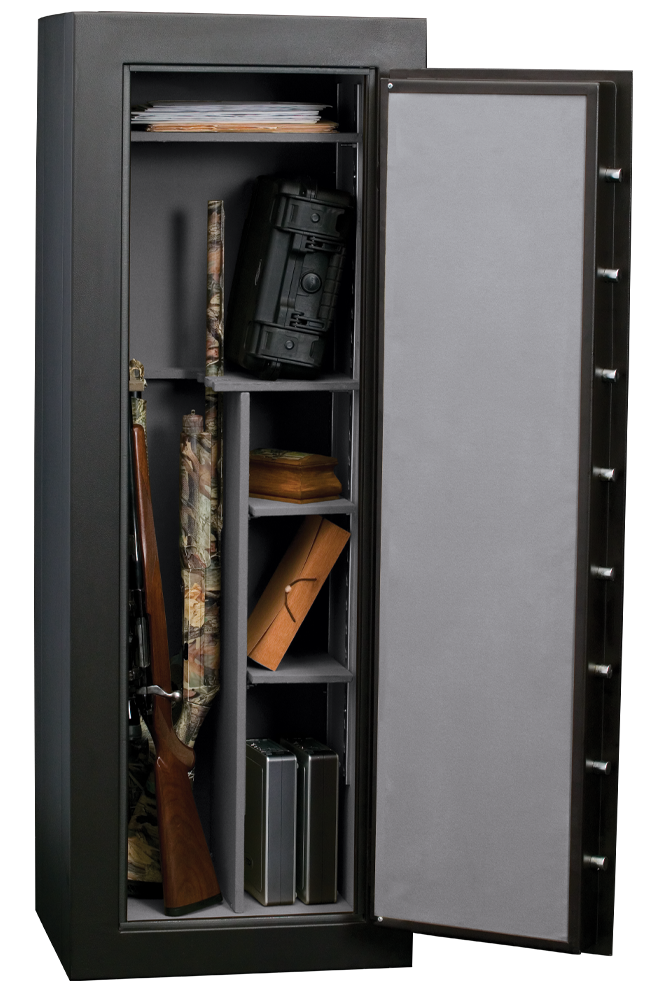
Rifle safes provide important protection. Yet, some safes have weak points. These common vulnerabilities can make opening easier than expected. Understanding these risks helps choose better protection. Here are typical ways safes can be opened.
Lock Picking Techniques
Many rifle safes use mechanical locks. These locks can sometimes be picked. Lock picking involves manipulating the lock’s pins or wheels. Skilled individuals use special tools to turn the lock. Some cheap locks are easier to pick. Higher-quality locks resist picking better. Still, no lock is completely pick-proof.
Forceful Entry Methods
Force can break into many safes. Tools like crowbars, hammers, or drills apply pressure. Softer metals or thin walls give way fast. Some safes have reinforced steel to slow down attackers. But strong, persistent force can cause damage and open the safe. Location and weight of the safe affect how easy forceful entry is.
Bypassing Electronic Systems
Electronic locks add convenience but carry risks. Hackers can exploit weak programming or default codes. Some safes have backup keys, which can be found or copied. Power failures might allow temporary bypass. Electronic locks rely on batteries that can die. Without power, safes may become easier to open or reset. Proper maintenance and strong codes reduce these risks.
Security Features That Matter
Security features are the heart of any good rifle safe. They protect your firearms from theft and damage. Knowing these features helps you choose a safe that is both strong and easy to use.
Strong security does not mean complicated access. The best safes balance safety with convenience.
Reinforced Steel Construction
Thick steel walls make a safe hard to break. This metal resists cutting and drilling tools. The stronger the steel, the harder it is for thieves to open the safe.
Look for safes with solid steel plates at least 10 to 12 gauge thick. This thickness adds serious protection without making the safe too heavy to move.
Bolt And Hinge Design
Bolts lock the door firmly in place. Multiple solid steel bolts stop forced entry. The more bolts, the better the security.
Hinges hidden inside the safe prevent tampering. External hinges can be cut or removed. Internal hinges keep the door locked tight from all sides.
Alarm Integration
Some safes come with built-in alarms. These alarms sound if someone tries to open the safe wrongfully. They alert you and scare off intruders.
Alarms can connect to home security systems. This adds a layer of protection beyond the safe itself.

Real-world Break-in Scenarios
Understanding how easy it is to open a rifle safe requires looking at real break-in scenarios. These incidents show what works and what does not. They reveal common mistakes and strengths of rifle safes. This insight helps in choosing the right safe and improving security.
Real-world cases teach important lessons about safe design and thief tactics. Learning from these examples helps gun owners protect their weapons better.
Case Studies Of Successful Breaches
Some safes were opened quickly by thieves using simple tools. One case involved a safe with a weak locking mechanism. Thieves used a crowbar and gained access in under five minutes. Another case showed a safe with a digital lock hacked by guessing the code. Poor safe placement also helped criminals act without being noticed. These examples prove that not all safes are equally secure.
Failures in construction or poor lock quality often lead to quick breaches. Safes made with thin metal or weak hinges are easy targets. Knowing these weaknesses can prevent buying an unsafe model.
Failed Attempts And Why They Failed
Many break-in attempts fail because of strong locks and heavy materials. One thief tried to drill into a safe but could not break the thick steel door. Another tried prying but the safe’s reinforced edges stopped the effort. Motion alarms and loud sounds often scared off intruders before entry. Proper installation also made some safes impossible to move or break.
Failures show that investing in quality locks and solid construction pays off. Also, using safes with alarms and proper placement adds extra security layers.
Tips To Enhance Safe Security
Keeping a rifle safe secure protects your firearms and prevents unauthorized access. Simple steps can make your safe much harder to open by others. These tips help improve security without complicating daily use. Safety starts with the right choices and care.
Choosing The Right Safe
Select a safe made from strong materials like steel. Look for safes with thick walls and reinforced doors. Choose a lock type that suits your needs, such as a combination lock or electronic keypad. Avoid cheap models that can be easily broken into. Size matters too; pick one that fits your rifles and space securely.
Regular Maintenance
Keep your safe clean and dry to prevent rust. Check the lock often to ensure it works smoothly. Lubricate hinges and locking bolts with proper oil to avoid sticking. Test the lock regularly to catch problems early. Regular upkeep extends the safe’s life and reliability.
Additional Security Measures
Anchor your safe to the floor or wall to stop theft. Use security cables or bolts for extra hold. Place the safe in a hidden or hard-to-reach spot. Consider adding alarms or cameras nearby. These steps add layers of protection beyond just the lock.

Frequently Asked Questions
How Secure Is A Typical Rifle Safe?
A typical rifle safe offers strong protection against unauthorized access. It uses solid steel construction and advanced locking mechanisms. However, no safe is completely impervious. Quality safes deter most break-ins and protect firearms from theft and damage.
Can Anyone Easily Open A Rifle Safe?
Opening a rifle safe requires knowledge of the lock type and combination. Most safes use electronic or mechanical locks that are difficult to bypass without the code or key. Proper safes prevent easy unauthorized access, ensuring firearm safety.
What Affects The Difficulty Of Opening A Rifle Safe?
The lock type, safe build quality, and user knowledge affect opening difficulty. Electronic locks with complex codes are harder to open than simple key locks. Heavier, well-built safes add physical difficulty, enhancing security against theft.
Are Biometric Rifle Safes Easy To Open?
Biometric rifle safes open quickly using fingerprint recognition. They offer fast access while maintaining security. However, they require proper setup and maintenance to ensure accuracy and prevent unauthorized access.
Conclusion
Opening a rifle safe can be simple or hard, depending on its type. Mechanical safes need turning the dial just right. Electronic safes ask for a code or key. Good safes keep guns safe from thieves and kids. Choosing the right safe means balancing security and ease.
Always practice opening your safe to avoid trouble later. Safety and quick access matter most for responsible gun owners. Keep your firearms secure, but easy enough for you to reach.