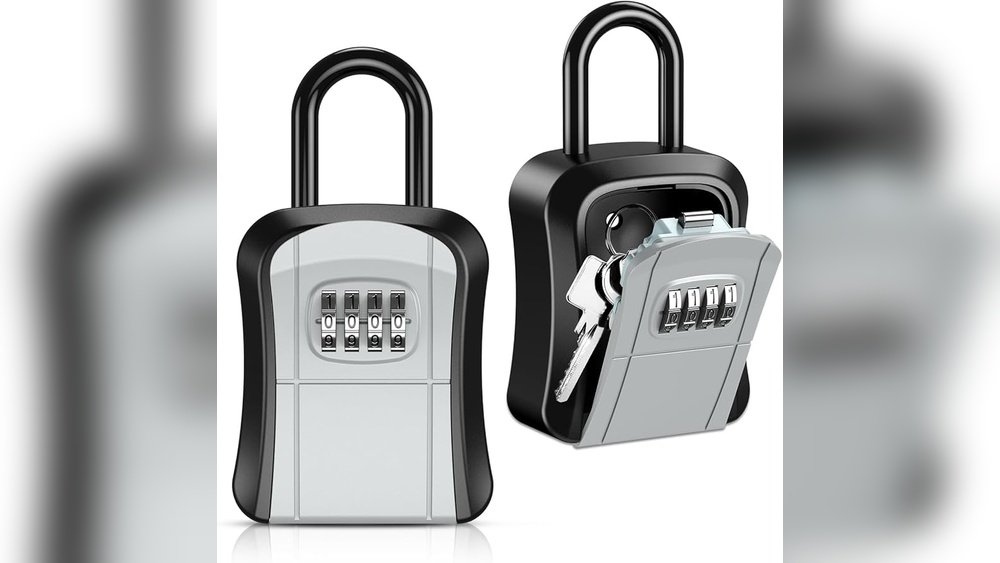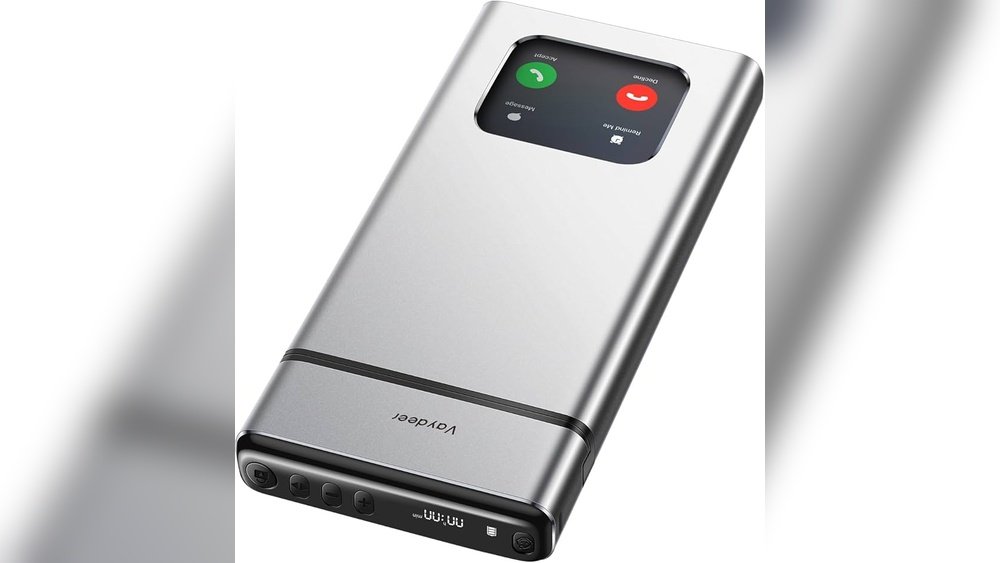
When you invest in a portable lock box, you want to be sure it will keep your valuables safe for years to come. But how durable are these lock boxes over time?
You might wonder if they can withstand daily wear, rough handling, or even the elements. Understanding their strength and longevity can help you choose the right one and protect what matters most. Keep reading to discover what affects their durability and how to get the best value from your portable lock box.

Materials Used In Portable Lock Boxes
Portable lock boxes must be strong to protect valuable items. Their durability depends a lot on the materials used. Different materials affect weight, strength, and how long the box lasts. Understanding these materials helps you choose a lock box that stays reliable over time.
Steel Vs Aluminum
Steel is very strong and hard to break. It resists dents and cuts well. Steel lock boxes offer great protection but can be heavy. Aluminum is lighter than steel and still strong. It does not rust easily, making it good for outdoor use. Aluminum boxes are easier to carry but may dent more than steel.
Plastic Components
Some lock boxes use plastic parts to reduce weight. High-quality plastic can be tough and resist impact. Plastic helps lower cost and stops rust problems. Still, plastic parts may wear out faster than metal. Check the quality of plastic to ensure it lasts long.
Coating And Finishes
Coatings protect the metal from rust and scratches. Powder coating is common and adds a thick protective layer. Paint can also protect but may chip over time. Some finishes add extra resistance to weather and wear. Good coatings keep the lock box looking new for years.
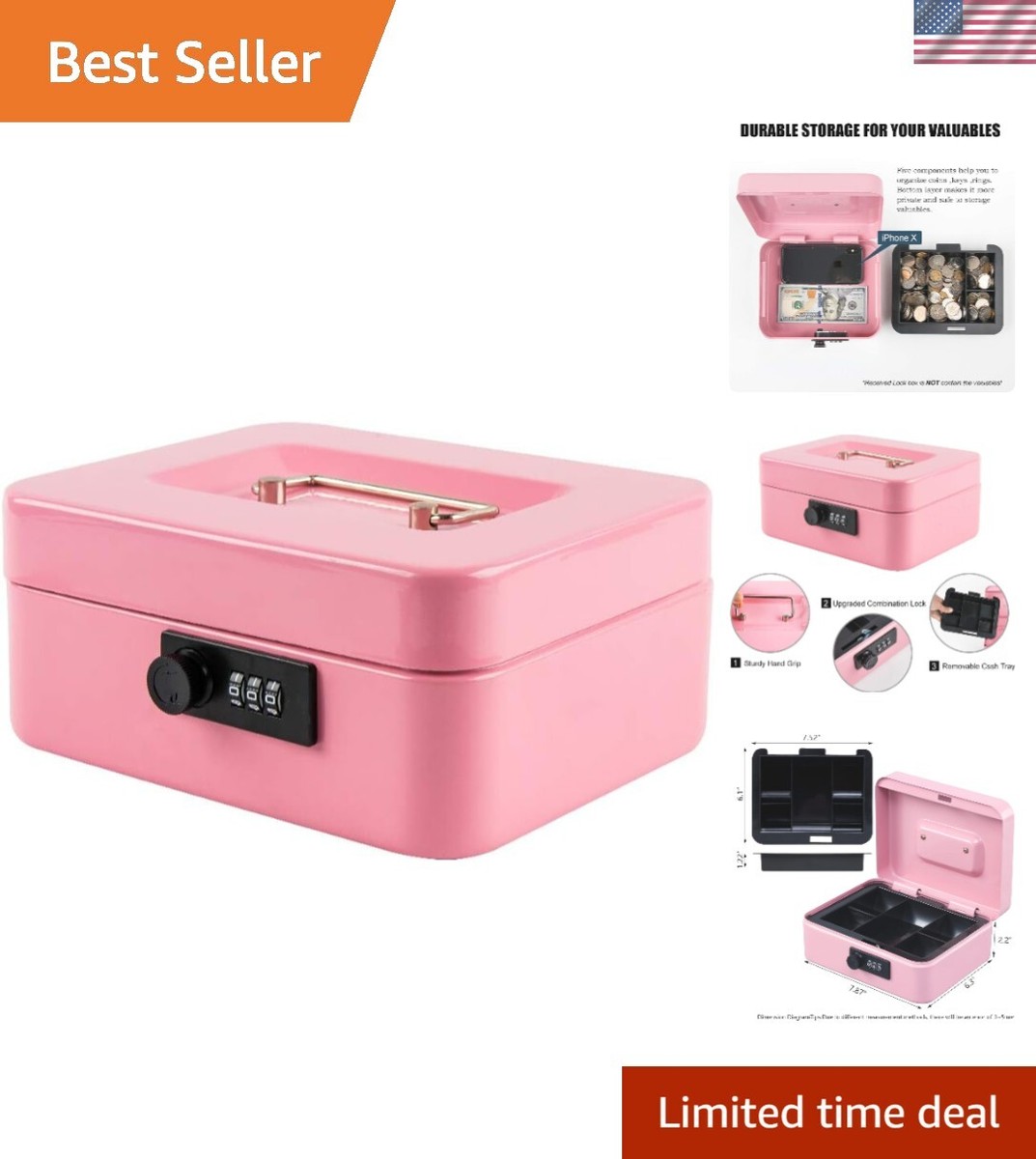
Lock Mechanisms And Security Features
Portable lock boxes offer various lock mechanisms and security features. These features affect their durability and protection over time. Understanding each type helps in choosing the right box for your needs. The lock quality plays a major role in keeping your valuables safe.
Keyed Locks
Keyed locks use physical keys to open the box. They are simple and easy to use. The key and lock quality determine how long they last. Rust-resistant metals increase durability. Keys can be lost, so keep spares safe. These locks provide reliable security for daily use.
Combination Locks
Combination locks use numbers or letters as codes. No physical key is needed, which reduces key loss risk. The lock’s internal mechanism can wear out over time. High-quality dials resist tampering and weather damage. Changing codes is easy and adds flexibility. Good for users who want quick access without keys.
Biometric Options
Biometric locks use fingerprints or other body data. They offer advanced security and quick access. Electronic parts may wear or fail over time. Battery life impacts functionality and must be maintained. These locks are best for users wanting high security and convenience. Regular cleaning helps keep sensors accurate and responsive.
Resistance To Environmental Factors
Portable lock boxes face many environmental challenges over time. Their durability depends on how well they resist water, weather, rust, and physical impacts. These factors affect the box’s ability to keep contents safe and secure.
Waterproof And Weatherproof Ratings
Many lock boxes have waterproof ratings like IP65 or IP67. These ratings show how well the box stops water and dust from entering. A high rating means the box can withstand rain, splashes, and dust storms. Weatherproof boxes resist heat, cold, and UV rays from the sun. This protection helps prevent damage from long outdoor exposure.
Corrosion Resistance
Corrosion can weaken lock boxes over time. Boxes made from stainless steel or coated metals resist rust better. Powder coatings add extra protection against moisture and salt. This is important in humid or coastal areas. Corrosion resistance keeps the lock box strong and extends its lifespan.
Impact And Shock Resistance
Lock boxes often face drops or knocks during use. Strong materials like steel or reinforced plastic absorb shocks well. Some boxes have padding inside to protect contents from impact. This resistance prevents dents and cracks, keeping the box functional and secure. Good shock resistance ensures the box lasts through rough handling.
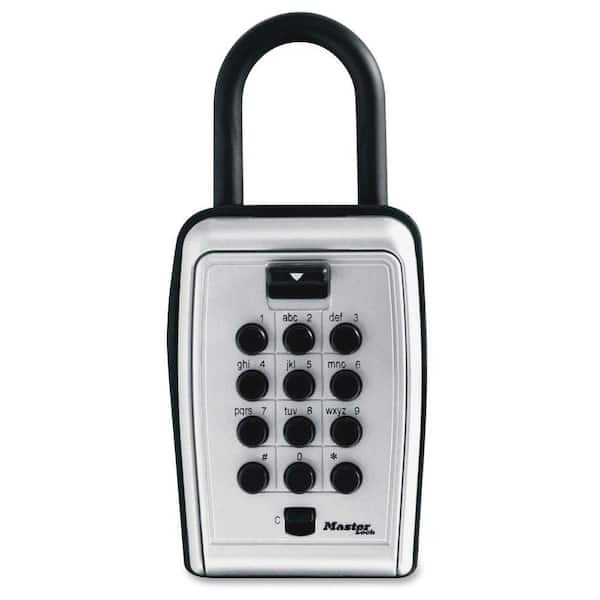
Wear And Tear From Daily Use
Portable lock boxes face daily use that can affect their durability. Constant opening, closing, and moving test their strength. Understanding how wear and tear impacts these boxes helps in choosing the right one. It also guides proper care to extend their life.
Hinges And Moving Parts
Hinges are key to a lock box’s function. They move each time you open or close the box. Over time, hinges can loosen or rust. This makes the box less secure. Good-quality hinges are made from strong metal. Regular cleaning and oiling can keep them working well.
Lock Durability
The lock is the most important part of the box. It must stay strong and work smoothly. Daily use can cause wear on the lock’s mechanism. Cheap locks may jam or break faster. High-quality locks resist damage and keep your items safe. Testing the lock regularly helps spot problems early.
Surface Scratches And Dents
Portable lock boxes often get scratched or dented. This happens when they bump into hard surfaces. Scratches do not always affect security but can harm appearance. Dents may weaken the box structure if they are deep. Choosing boxes with tough, scratch-resistant coatings helps reduce damage.
Maintenance Tips To Extend Lifespan
Maintaining a portable lock box helps it last longer and work better. Small care steps can protect your investment. This section shares easy tips to keep your lock box in good shape over time.
Cleaning And Lubrication
Keep the lock box clean to avoid dirt buildup. Wipe the surface with a soft cloth regularly. Avoid harsh chemicals that can damage the finish.
Use a small amount of lubricant on the lock mechanism. This stops it from sticking and keeps it smooth. Apply lubricant once every few months for best results.
Proper Storage
Store the lock box in a dry place. Moisture can cause rust and weaken the box. Avoid direct sunlight, which may fade or warp the material.
Keep the lock box away from extreme temperatures. Sudden heat or cold can damage the lock and body. Use a protective cover if needed.
Regular Inspections
Check the lock box often for signs of wear or damage. Look for rust, cracks, or loose parts. Early detection helps prevent bigger problems later.
Test the lock and hinges frequently. Ensure they open and close smoothly without force. Fix or replace parts promptly to maintain security.
User Experiences And Longevity
Many users share their real-life experiences with portable lock boxes. These stories help us understand how well these boxes last over time. Users report on the materials, design, and daily use effects. This feedback reveals the true durability beyond product descriptions.
Longevity depends on use, environment, and build quality. Some boxes resist rust and damage for years. Others may weaken or fail sooner. User reviews offer a clearer picture of what to expect in real settings.
Common Durability Issues
Some users notice rust on metal parts after months. Locks can jam or break with frequent use. Hinges may loosen or squeak over time. Plastic components sometimes crack under pressure or cold weather. Water exposure causes problems in non-waterproof boxes. These issues reduce the box’s protective ability and lifespan.
Success Stories
Many owners praise their lock boxes for lasting several years. Some survive harsh weather and rough handling without damage. Users report boxes keeping valuables safe during travel and work. High-quality models show minimal wear even after daily use. These success stories prove the value of investing in sturdy designs.
Brand Comparisons
Top brands often use stronger materials and better locks. Cheaper models may sacrifice durability for price. Some brands provide extra features like waterproof seals or reinforced steel. User ratings often highlight which brands stay reliable longer. Checking reviews helps find the best balance of cost and strength.
Choosing A Durable Lock Box
Choosing a durable lock box means picking one that lasts long and keeps your items safe. Durability depends on many factors. Knowing what to check helps you make a good choice. Focus on the material, build, security features, and price. These points guide you to a lock box that stands the test of time.
Material And Build Quality
Strong materials make a lock box tough. Steel is a common choice because it resists cutting and breaking. Thick metal walls add extra protection. Look for boxes with solid welds and no weak spots. A good paint finish stops rust and wear. Durable boxes handle rough use and harsh weather well.
Security Features To Consider
Security features add to a lock box’s strength. Choose boxes with complex locking systems like combination dials or electronic locks. Some have anti-pry edges to stop forced entry. Water and fire resistance improve protection for valuables. The better the security features, the longer your items stay safe.
Price Vs Durability
Price often reflects durability but not always. Cheap boxes may break or rust quickly. Higher prices usually mean better materials and locks. Balance your budget with the level of protection you need. Spending a bit more can save money in the long run by avoiding replacements.
Frequently Asked Questions
How Long Do Portable Lock Boxes Typically Last?
Portable lock boxes usually last between 5 to 10 years. Their durability depends on material quality and usage frequency. Proper care and maintenance can extend their lifespan significantly.
What Materials Ensure The Best Durability In Lock Boxes?
Steel and heavy-duty aluminum are the most durable materials. These metals resist corrosion and physical damage better than plastic or thin metals. Choosing high-quality materials boosts long-term security and longevity.
Do Weather Conditions Affect Portable Lock Box Durability?
Yes, extreme weather can impact durability. Moisture can cause rust, and UV rays may weaken some materials. Weather-resistant coatings and waterproof designs help protect lock boxes outdoors.
How Often Should Portable Lock Boxes Be Maintained?
Regular maintenance every 6 to 12 months is ideal. Cleaning, lubricating locks, and checking for damage prevent wear and extend durability. Timely repairs keep the lock box secure and functional.
Conclusion
Portable lock boxes last long with proper care and use. Strong materials resist wear and tear over time. Regular maintenance helps keep locks working well. Choose a box made for your needs and environment. Remember, durability depends on quality and how you treat it.
A good lock box protects your valuables safely for years. Durable and reliable—exactly what you want from security gear.