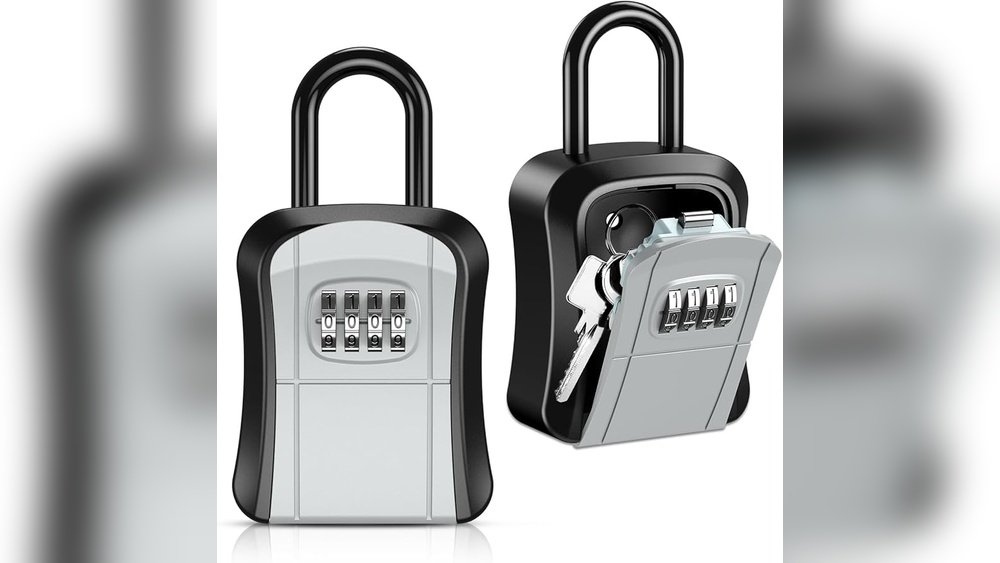
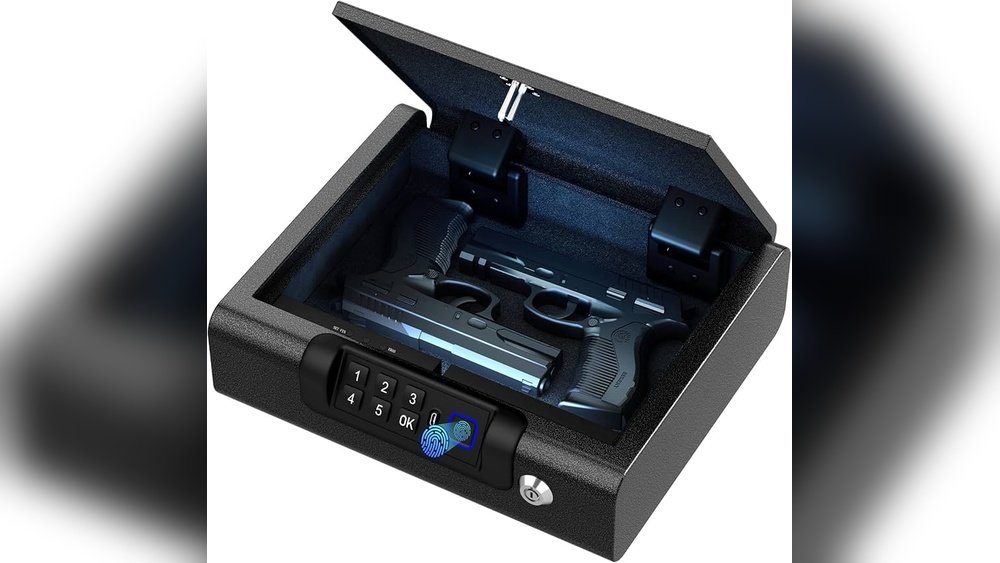
When it comes to protecting your valuables, you want more than just a lock box—you want peace of mind. But have you ever wondered if portable lock boxes really keep tamperers out?
You might be asking yourself, “Do these lock boxes have built-in features that stop someone from breaking in? ” Understanding the tamper-resistant qualities of portable lock boxes can make all the difference in how secure your belongings truly are. Keep reading to discover what makes a lock box truly safe and whether your portable option has what it takes to keep intruders away.
Tamper-resistant Features Explained
Portable lock boxes need strong tamper-resistant features. These features stop thieves from breaking in. They protect your valuables and important items. Understanding these features helps you choose the right lock box.
Each lock box uses different ways to stay secure. These include the materials used, locking methods, and design details. All work together to keep the box safe and hard to open.
Materials Used For Security
Strong materials make a lock box hard to break. Steel is common because it resists cutting and hammering. Some boxes use thick metal plates for extra strength.
High-quality paint or coatings prevent rust and damage. This keeps the box strong over time. Durable materials help the box last longer and stay secure.
Locking Mechanisms
Lock boxes use different locks to stop tampering. Combination locks are popular and hard to guess. Some boxes have key locks with sturdy keys.
Advanced boxes may use electronic locks with codes. These locks can include alarms or time delays. The locking system must be reliable and tough to pick.
Design Elements To Prevent Tampering
Design plays a big role in security. Lock boxes often have hidden hinges to stop pry attacks. Rounded edges make it hard to grip with tools.
Some boxes have reinforced corners and extra bolts. These features add layers of protection. Careful design makes tampering very difficult and time-consuming.

Common Tamper-resistant Technologies
Portable lock boxes often come with features to stop tampering. These features help keep your valuables safe. Many designs use different technologies to resist break-ins. Understanding these common tamper-resistant technologies helps you choose the right box.
Reinforced Steel Construction
Many lock boxes use thick steel to stop cutting and prying. Reinforced steel makes the box very hard to break. It resists tools like crowbars and saws. This strong build protects your items from physical attacks.
Biometric Locks
Biometric locks use fingerprints for access. Only registered users can open the box. This stops others from guessing codes or stealing keys. Biometric locks add a high level of security and convenience.
Combination And Key Locks
Combination locks need a correct code to open. Key locks use a unique key for access. Both types prevent easy entry by strangers. Some lock boxes offer both for extra protection.
Benefits Of Tamper-resistant Lock Boxes
Tamper-resistant lock boxes offer strong protection for your important items. They help keep valuables safe from theft or damage. These lock boxes are made with special features that stop tampering efforts. This makes them a smart choice for secure storage.
Enhanced Security For Valuables
These lock boxes use tough materials that resist picking and breaking. The locks are designed to stay secure under pressure. This adds an extra layer of protection for your belongings. You can trust these boxes to guard important documents, cash, or keys.
Deterrence Of Unauthorized Access
Visible tamper-resistant features discourage thieves from trying to open the box. The strong design sends a clear message: access is not easy. This lowers the chance of forced entry. It helps keep unauthorized people away from your valuables.
Durability And Longevity
Lock boxes with tamper-resistant features last longer due to sturdy construction. They resist harsh weather and rough handling. This means you get reliable security over time. Investing in a durable box saves money on replacements.
Limitations And Potential Vulnerabilities
Portable lock boxes offer security on the go, but they are not without flaws. Understanding their limitations helps users make better choices and stay cautious. No lock box is completely tamper-proof. Knowing where they might fail is important for protecting your valuables.
Possible Weak Points
Lock boxes often have hinges that can be targeted. Thin metal walls may bend under force. Locks themselves can be weak if made from cheap materials. Some models use simple combination dials or low-grade key locks. These areas create openings for attackers.
Methods Thieves Use To Bypass
Thieves try to pick or drill locks to gain entry. They may use prying tools to force open the box. Cutting tools can slice through thin metal. Some try to remove hinges or bolts. Knowing these tactics helps users choose stronger designs.
Maintenance And Wear Impact
Wear and tear reduce a lock box’s strength. Rust can weaken metal parts and locks. Dirt and grime can jam locking mechanisms. Poor maintenance makes it easier for thieves to break in. Regular cleaning and inspection can keep the box secure.
Choosing The Right Portable Lock Box
Choosing the right portable lock box is important for keeping your items safe. Different lock boxes offer various levels of protection. Understanding these differences helps you pick the best option for your needs.
Focus on security, features, and cost. This will guide you to a suitable choice that fits your situation.
Assessing Security Needs
Think about what you want to protect. Small valuables need less heavy-duty security. Important documents or cash may need stronger protection. Consider where you will use the lock box. Outdoor use demands more durable materials. Indoor use allows for lighter options. Knowing your risks helps you decide on the right level of security.
Comparing Tamper-resistant Features
Look for lock boxes with tamper-resistant designs. Features like reinforced steel and hidden hinges add protection. Some boxes include alarms or lockout systems. Check if the lock type suits your needs. Combination locks avoid lost keys but need memory. Key locks are simple but risk key loss. Choose features that reduce the chance of forced entry.
Budget Considerations
Set a clear budget before buying. Higher security often means higher cost. Balance your spending with the level of protection needed. Basic lock boxes work for low-risk items. Premium models offer advanced tamper resistance. Spending wisely ensures you get value without overspending.
Real-world Applications
Portable lock boxes often come with tamper-resistant features. These features help protect valuable items from theft or damage. They are useful in many real-world situations. People trust these boxes for safety and peace of mind. Here are some common uses where tamper resistance matters.
Use In Law Enforcement
Police officers use portable lock boxes to secure evidence. The tamper-resistant design keeps evidence safe from tampering. This helps maintain the integrity of cases. Officers also store weapons and sensitive items inside these boxes. The strong locks and tough materials prevent unauthorized access. These boxes are vital tools in law enforcement work.
Personal And Travel Use
Travelers use lock boxes to protect passports and cash. The tamper-resistant features stop thieves from breaking in. People also store jewelry and electronics securely at home. These boxes offer easy protection for small valuables. They are lightweight and easy to carry on trips. Safety on the go becomes much simpler with these boxes.
Commercial And Industrial Settings
Businesses use portable lock boxes to secure keys and important documents. The tamper-resistant locks reduce risks of theft or loss. Workers store tools and sensitive equipment in these boxes. They help control access to expensive or dangerous items. These boxes support security rules in workplaces. They keep operations running smoothly and safely.
Frequently Asked Questions
Do Portable Lock Boxes Have Tamper-resistant Features?
Yes, most portable lock boxes include tamper-resistant features. These features protect contents from unauthorized access and damage. Common features include reinforced steel, anti-pry designs, and secure locking mechanisms. These help ensure your valuables remain safe even in harsh conditions.
How Effective Are Tamper-resistant Portable Lock Boxes?
Tamper-resistant portable lock boxes are highly effective. They deter break-ins through strong materials and secure locks. Their design resists picking, drilling, and prying attempts. However, no lock is completely foolproof, so choose a box with robust security ratings.
Can Tamper-resistant Lock Boxes Prevent Theft Completely?
Tamper-resistant lock boxes significantly reduce theft risk but cannot guarantee full prevention. They act as strong barriers and deterrents. Combining them with other security measures improves overall safety. Always place lock boxes in discreet, secure locations for maximum protection.
What Materials Enhance Tamper Resistance In Lock Boxes?
Steel and hardened alloys enhance tamper resistance in lock boxes. These materials resist cutting, drilling, and prying. Some boxes include reinforced hinges and anti-tamper coatings. Material quality directly impacts the box’s ability to withstand forced entry attempts.
Conclusion
Portable lock boxes often come with tamper-resistant features. These features help protect your valuables from theft or damage. Most models use strong materials and special locks to keep things safe. Some have alarms or indicators to show if someone tries to open them.
Choosing a lock box with these features adds extra security. It gives you peace of mind when storing important items. Always check the product details before buying. This way, you know what protection you get. Safety matters, and tamper-resistant locks help ensure it.