Are you tired of dealing with sticky air, musty smells, or damp walls in your home? Excess moisture can cause all these problems and even harm your health.
But how exactly does a dehumidifier step in to fix this? Understanding how a dehumidifier reduces moisture can help you take control of your living space and create a fresher, healthier environment. Keep reading, and you’ll discover simple yet powerful ways to beat humidity for good.
How Dehumidifiers Work
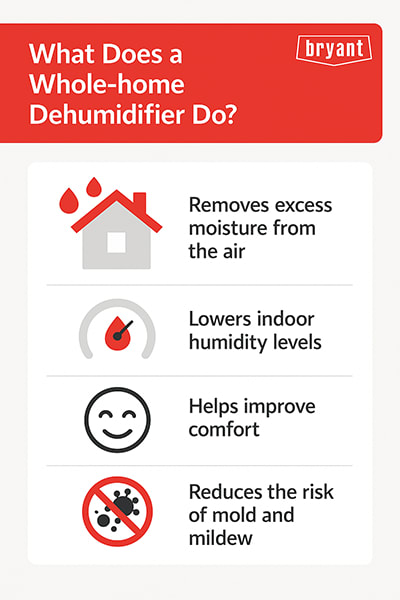
Dehumidifiers help keep indoor air dry by removing extra moisture. They work quietly in the background. This keeps homes comfortable and prevents mold growth. Understanding how they work helps you choose the right one.
Basic Mechanism
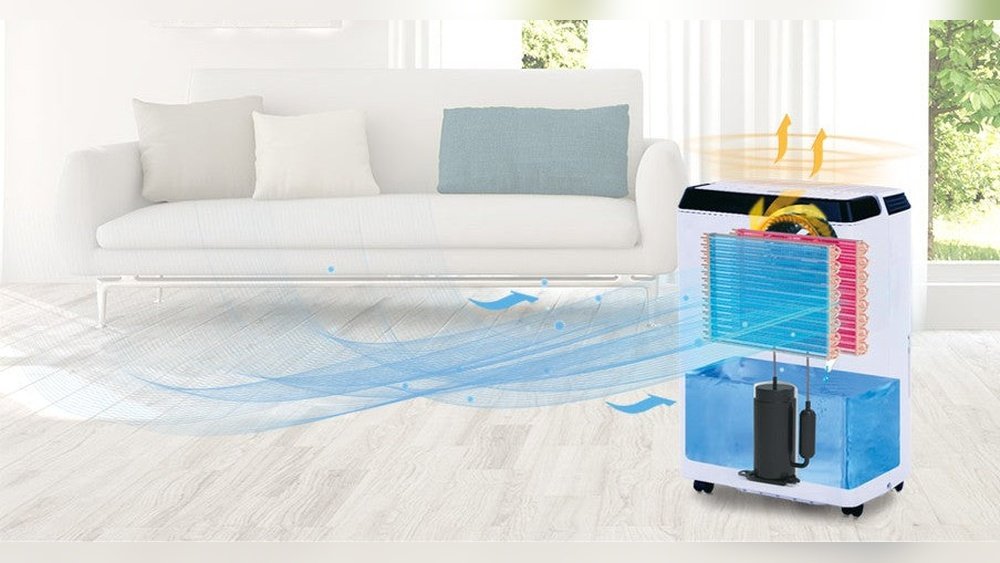
Dehumidifiers pull air from the room into the machine. Inside, the air cools down. This causes water vapor to turn into liquid water. The water collects in a tank or drains away. Then, dry air returns to the room.
This cycle repeats many times per hour. It lowers the humidity level quickly and efficiently. This process makes the air feel cooler and fresher.
Types Of Dehumidifiers
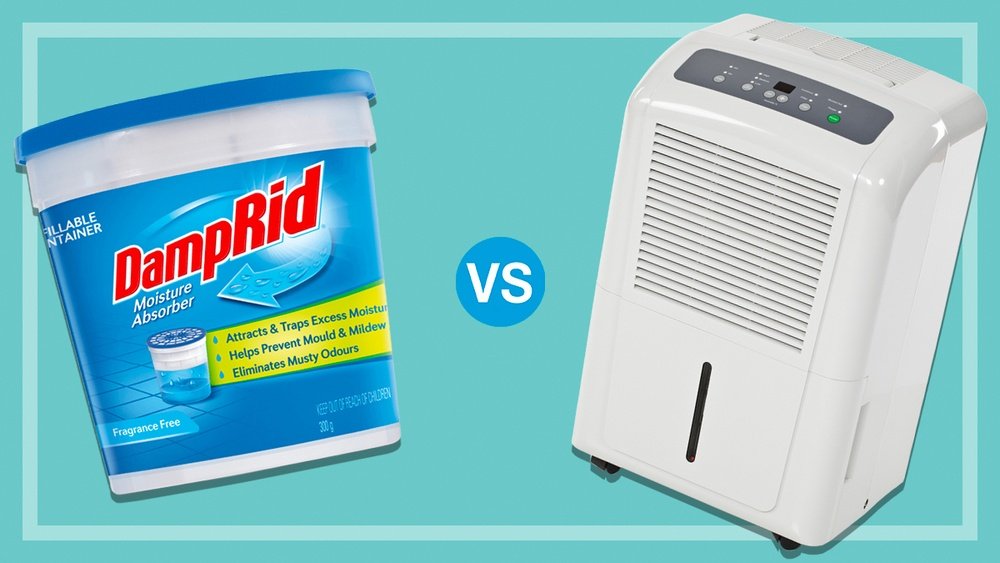
There are two main types: refrigerant and desiccant dehumidifiers. Refrigerant models cool the air to remove moisture. They work best in warm, humid spaces.
Desiccant dehumidifiers use a special material to absorb moisture. They work well in cooler rooms or tight spaces. Each type suits different needs and environments.
Components Involved
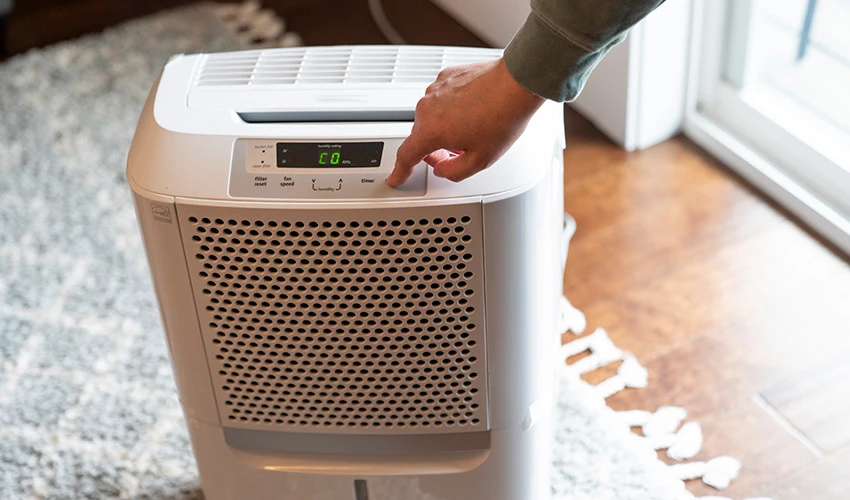
Key parts include a fan, cooling coils, and a water collection tank. The fan moves air into the unit. Cooling coils chill the air to condense moisture. The tank holds the water until you empty it.
Other parts like sensors monitor humidity levels. They help the machine run efficiently. These components work together to reduce moisture in the air.
Benefits Of Moisture Reduction
Reducing moisture in your home brings many benefits. It helps create a cleaner and safer space. Moisture control is key to avoiding many common problems. A dehumidifier works quietly to keep humidity levels low. This small change improves health and protects your belongings. Let’s explore the main benefits of moisture reduction.
Health Improvements
High moisture levels can cause breathing problems. Dust mites and allergens grow in damp air. Dry air helps reduce these irritants. Less moisture means fewer chances of mold allergies. People with asthma find relief in drier environments. Good air quality supports better sleep and comfort.
Protecting Property
Moisture damages wood, paint, and furniture. It causes warping, peeling, and stains. Electronics and books also suffer from dampness. A dehumidifier keeps your belongings safe. It extends the life of your home’s interior. Protect your investments with balanced humidity.
Preventing Mold Growth
Mold thrives in moist and dark places. It spreads quickly and harms surfaces. Mold spores can cause health issues. Lowering moisture stops mold from growing. Regular dehumidification keeps your home mold-free. Prevent costly mold removal and repairs.
Choosing The Right Dehumidifier
Choosing the right dehumidifier helps remove moisture effectively. It keeps your space comfortable and prevents mold growth. Picking a model that fits your needs saves energy and effort.
Room Size Considerations
Measure the room size before selecting a dehumidifier. Small rooms need less capacity than large rooms. Check the unit’s capacity, usually shown in pints per day. A bigger room needs a higher capacity unit. This ensures the dehumidifier works well and fast.
Energy Efficiency
Energy-efficient dehumidifiers use less electricity. Look for models with an Energy Star label. These save money on electric bills. Efficient units work quietly and keep your home cool. Choosing one helps reduce your environmental impact.
Maintenance Needs
Regular maintenance keeps your dehumidifier working properly. Choose a model with easy-to-clean filters and water tanks. Some units have alerts for cleaning or emptying. Simple maintenance extends the machine’s life and saves repair costs.

Effective Moisture Control Tips
Controlling moisture is key to a dry and healthy home. A dehumidifier helps by removing extra water from the air. Still, using other tips improves its effect and stops moisture problems faster.
Simple steps make a big difference in keeping your rooms dry. These tips work well with your dehumidifier. They help stop mold, dust mites, and bad smells caused by dampness.
Ventilation Strategies
Good airflow reduces moisture inside your home. Open windows and doors when weather allows. Use screens to keep bugs out while letting air in. Move fans around rooms to keep air moving. This stops moisture from settling on walls and furniture.
Using Exhaust Fans
Bathrooms and kitchens produce a lot of moisture. Turn on exhaust fans during showers and cooking. Fans pull moist air outside quickly. This prevents water buildup on walls and ceilings. Run fans for 15 minutes after using these rooms to clear extra humidity.
Sealing Leaks
Leaks let water enter your home unnoticed. Check doors, windows, and walls for gaps. Use weatherstripping or caulk to seal cracks. Fix leaking pipes and roofs right away. Stopping leaks keeps moisture from increasing inside your house.
Regular Cleaning
Dust and dirt hold moisture and feed mold. Clean floors, carpets, and furniture often. Wash bathroom tiles and kitchen surfaces weekly. Check and clean air vents and filters. Keeping your home clean lowers chances of damp spots forming.
Common Mistakes To Avoid
Using a dehumidifier can help reduce moisture in your home effectively. Yet, some common mistakes can lower its performance. Avoiding these errors makes your dehumidifier work better and saves energy.
Overusing Dehumidifiers
Running a dehumidifier all day wastes electricity. It also wears out the machine faster. Turn it off once the room feels dry. Use a timer or a humidistat to control it.
Ignoring Humidity Levels
Not checking indoor humidity can cause problems. Too low humidity makes air dry and uncomfortable. Aim for 30% to 50% humidity. Use a hygrometer to measure moisture in the air.
Poor Placement
Placing a dehumidifier in the wrong spot reduces its efficiency. Keep it away from walls and furniture. Allow air to flow freely around the unit. Place it near moisture sources like bathrooms or basements.
Monitoring And Maintaining Ideal Humidity
Monitoring and maintaining ideal humidity is key to controlling moisture in your home. A dehumidifier works best when the humidity level stays within a healthy range. Too much moisture can cause mold and damage. Too little can make the air dry and uncomfortable.
Keeping track of humidity helps you use your dehumidifier efficiently. It also protects your health and your belongings. Simple tools and regular checks make this task easy and effective.
Using Hygrometers
A hygrometer measures the amount of moisture in the air. It shows the current humidity level in your room. You can buy small, affordable hygrometers online or at local stores. Place one in the room where you use the dehumidifier most. This helps you see how well the device works.
Setting Optimal Humidity
The ideal indoor humidity level is usually between 30% and 50%. This range keeps the air comfortable and safe. Set your dehumidifier to reach this range. Many models have a built-in humidistat for easy control. Avoid setting it too low, as dry air can cause discomfort.
Routine Checks
Check your hygrometer daily or every few days. Note changes in humidity levels. Clean the dehumidifier’s filter and water tank regularly. This keeps the machine running smoothly. Regular maintenance extends the life of your device and ensures consistent moisture control.
Frequently Asked Questions
How Does A Dehumidifier Remove Excess Moisture?
A dehumidifier pulls moist air inside and cools it. Water condenses on cold coils and collects in a tank. Dry air is released back to the room. This lowers humidity and prevents mold and dampness.
Why Is Moisture Control Important Indoors?
Controlling moisture prevents mold, mildew, and allergens. It protects furniture and walls from damage. Proper humidity improves air quality and comfort. Dehumidifiers help maintain healthy indoor conditions.
Can A Dehumidifier Prevent Mold Growth?
Yes, by reducing humidity below 50%, mold growth slows. Mold thrives in damp, humid environments. Using a dehumidifier keeps moisture low, reducing mold risk effectively.
How Often Should You Empty A Dehumidifier Tank?
Empty the tank when it’s full, usually daily or every few days. Some models have auto shut-off and continuous drainage options. Regular emptying ensures efficient operation and prevents water overflow.
Conclusion
A dehumidifier helps by pulling moisture from the air. It cools the air, causing water to collect inside. This process lowers humidity, making rooms feel dryer. Dryer air prevents mold and damage to walls. It also improves comfort and air quality.
Using a dehumidifier keeps your home healthier. Simple, effective, and easy to use. A smart choice for moist spaces.