Are you tired of feeling sticky and uncomfortable in your own room? Too much moisture in the air can cause all sorts of problems, from musty smells to mold growth.
But how do you choose the right size dehumidifier to fix this? Picking the wrong size can mean wasted money or poor results. You’ll discover exactly what size dehumidifier you need for your room. By the end, you’ll feel confident making the best choice to create a fresher, healthier space you’ll love spending time in.
Keep reading to find the perfect fit for your home!
Factors Affecting Dehumidifier Size
Choosing the right dehumidifier size depends on several key factors. These factors ensure the device works efficiently and keeps your room comfortable. Understanding these points helps you pick the best dehumidifier for your needs.
Room Dimensions
The size of your room is the main factor in choosing a dehumidifier. Larger rooms need bigger units with higher capacity. Measure your room’s length, width, and height to find the total volume. This helps match the dehumidifier size to the space.
Moisture Levels
Rooms with high moisture need more powerful dehumidifiers. Signs of moisture include damp walls, mold, or a musty smell. The wetter the room, the larger the dehumidifier capacity required. Dry rooms can use smaller units.
Room Usage
How you use the room affects the dehumidifier size. Bathrooms and laundry rooms have higher moisture from water and steam. Living rooms or bedrooms usually have less moisture. Rooms with many people may need bigger units to handle extra humidity.
Climate Impact
The climate where you live changes your dehumidifier needs. Humid areas need stronger dehumidifiers to control moisture. Dryer climates require less powerful units. Consider the weather and season when choosing size.
Measuring Your Room
Choosing the right dehumidifier size starts with measuring your room correctly. This step ensures the device works well and removes enough moisture. Small mistakes in measuring can lead to poor results or wasted energy. Take your time with these simple steps to get accurate measurements.
Calculating Square Footage
Measure the length and width of your room in feet. Multiply these two numbers to get the square footage. For example, a 10-foot by 12-foot room equals 120 square feet. This number helps find a dehumidifier that fits your room’s size.
Considering Ceiling Height
Standard ceiling height is usually 8 feet. If your ceiling is higher, multiply your room’s square footage by the ceiling height divided by 8. This gives you the cubic feet of air in the room. More air means you might need a larger dehumidifier to cover the space.
Identifying Moisture Sources
Look for places where moisture enters the room. Check windows, doors, or leaks in walls and ceilings. Kitchens and bathrooms often have more moisture. Rooms with basements or poor ventilation hold more humidity. Note these areas to decide if a bigger dehumidifier is needed.
Dehumidifier Capacity Explained
Choosing the right dehumidifier size starts with understanding its capacity. Capacity tells how much moisture a dehumidifier can remove from the air. This helps you pick a unit that works well for your room size and humidity level. A correct capacity keeps your room comfortable and prevents damage from excess moisture.
Pint Ratings
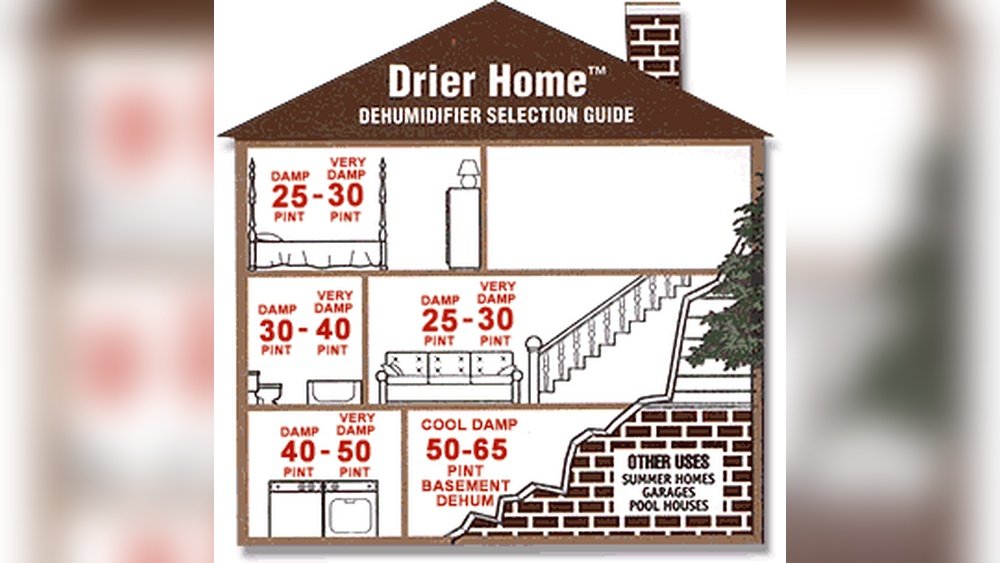
Pint ratings show the amount of water a dehumidifier can remove in 24 hours. For example, a 30-pint dehumidifier can remove 30 pints of water each day. Larger rooms or very damp areas need higher pint ratings. Small spaces or lightly damp rooms can use smaller units.
Daily Moisture Removal
Daily moisture removal depends on room size and humidity. Bigger rooms trap more moisture and need stronger dehumidifiers. High humidity means more water in the air. The dehumidifier must remove this moisture quickly to keep air dry and fresh.
Energy Efficiency
Energy efficiency matters for saving electricity and cost. Efficient dehumidifiers use less power but still remove moisture well. Look for Energy Star-rated models. They work better and lower energy bills. Efficient units run quietly and last longer.
Choosing The Right Size
Choosing the right size dehumidifier is key to keeping your room comfortable. A unit that is too small will not remove enough moisture. A too-large unit may waste energy. Knowing your room size helps select the right dehumidifier.
Small Rooms
Small rooms are usually under 300 square feet. A dehumidifier with a capacity of 20 to 30 pints per day works well. These units are compact and easy to move. They keep the air dry without using much power.
Medium Spaces
Medium rooms range from 300 to 700 square feet. Choose a dehumidifier that removes 30 to 50 pints of moisture daily. These models handle average humidity and keep the room fresh. They balance size and performance efficiently.
Large Areas
Large rooms are over 700 square feet. A 50 to 70 pint dehumidifier fits best here. These units work harder to reduce moisture quickly. They are ideal for open spaces or rooms with many windows.
Basements And Damp Rooms
Basements and damp rooms need stronger dehumidifiers. Choose units with 50 pints or more daily capacity. These spaces have higher humidity and need fast moisture removal. A powerful dehumidifier prevents mold and keeps air healthy.
Special Considerations
Choosing the right dehumidifier size depends on more than just room size. Some special factors affect your choice. Understanding these helps pick the best unit for your needs.
High Humidity Climates
Areas with very high humidity need stronger dehumidifiers. These units remove more moisture per day. A small unit may not keep up with the damp air. Choose a model with a higher pint capacity for such climates. This helps maintain a comfortable, dry room.
Multiple Room Coverage
Dehumidifiers usually work best in one room. Covering multiple rooms needs a larger or more powerful unit. Some models can handle connected spaces or open floor plans. Check the product details for coverage area. This ensures moisture control in all needed rooms.
Portable Vs. Whole-house Units
Portable dehumidifiers fit single rooms or small spaces. They are easy to move and use where needed. Whole-house units connect to your home’s HVAC system. They control humidity throughout the entire house. Choose based on your home’s size and moisture issues.
Tips For Optimal Performance
Getting the right size dehumidifier is just the first step. To keep your room dry and comfortable, you must use the device correctly. These tips help your dehumidifier work at its best. Follow them to improve air quality and reduce moisture fast.
Proper care and setup make a big difference in performance. Small actions can save energy and extend your dehumidifier’s life. Let’s explore easy ways to get the most from your machine.
Proper Placement
Place your dehumidifier in a central spot in the room. Keep it away from walls and furniture for good airflow. Avoid corners or cluttered spaces. This helps the machine pull in moist air better. Also, do not block the air intake or outlet vents. A well-placed dehumidifier dries the room faster and uses less power.
Maintenance Practices
Clean the filter regularly to keep air flowing freely. Check the water tank and empty it often. Dirty filters and full tanks slow down the machine. Inspect coils and other parts for dust and dirt. Wipe them gently with a soft cloth. Regular maintenance keeps your dehumidifier working smoothly and lasts longer.
Monitoring Humidity Levels
Use a hygrometer to track the room’s humidity. Aim for 30-50% relative humidity for comfort and health. Adjust the dehumidifier settings based on your readings. Avoid running the unit all day if the air is already dry. Watching humidity helps save energy and prevents over-drying the room.
Frequently Asked Questions
What Factors Determine The Size Of A Dehumidifier?
Room size, humidity level, and air circulation determine the needed dehumidifier size. Larger rooms or higher humidity require bigger units for efficient moisture removal.
How To Calculate The Right Dehumidifier Size For My Room?
Measure your room’s square footage and consider moisture levels. Use sizing charts or manufacturer guidelines to pick a model that matches your room’s needs.
Can A Small Dehumidifier Work In A Large Room?
A small dehumidifier in a large room will struggle to control humidity. It may run continuously without effectively reducing moisture.
What Happens If My Dehumidifier Is Too Large?
An oversized dehumidifier may cycle off quickly, causing inefficient energy use and uneven humidity control. Proper sizing ensures better performance and comfort.
Conclusion
Choosing the right dehumidifier size helps keep your room dry and comfortable. Measure your room first to find the best fit. A unit too small won’t work well. Too big wastes energy and money. Check the moisture level to decide capacity.
Regular use stops mold and dust mites. A good dehumidifier improves air quality and health. Simple steps lead to a better living space. Now, you can pick the perfect dehumidifier with confidence.