Knowing how to tell if a holster is compatible is crucial for safe and effective firearm handling. Getting it wrong can lead to a firearm that doesn't fit, is insecure, or worse, poses a safety risk. This guide breaks down the essential checks you need to make to ensure a proper, reliable match between your firearm and its holster.
We'll look at exactly what details matter, from your firearm's make and model to specific holster features. Understanding these nuances means you can confidently select a holster that provides secure retention, comfortable carry, and reliable access when you need it. This isn't about guesswork; it's about matching specific attributes to ensure safety and functionality, a principle upheld by firearm safety organizations nationwide.
Quick Answer
To know if a holster is compatible, match your firearm's exact make and model to the holster's specifications. Check for barrel length, frame size, and any special features like optics cuts or accessory rails. If the holster is advertised for your specific firearm model, it’s likely compatible.
Always confirm with manufacturer details or a physical fit test with an unloaded firearm.
The "Uh Oh" Moment: When Holster and Firearm Don't Play Nice
You've picked out a holster that looks great, promising secure carry and easy access. But when you go to seat your firearm, something's off. Maybe it slides in too easily with no satisfying click, or perhaps it's a struggle to get it in or out, feeling like you might damage the finish.
These are classic signs of incompatibility, and they can pop up for a variety of reasons, even if the holster looks similar to one designed for your gun.
The problem often boils down to subtle but critical differences in firearm design that holsters need to account for. It's not just about the overall size; it’s about specific contours, rail systems, and even slight variations in dimensions between seemingly identical models from different manufacturers or even different production runs.
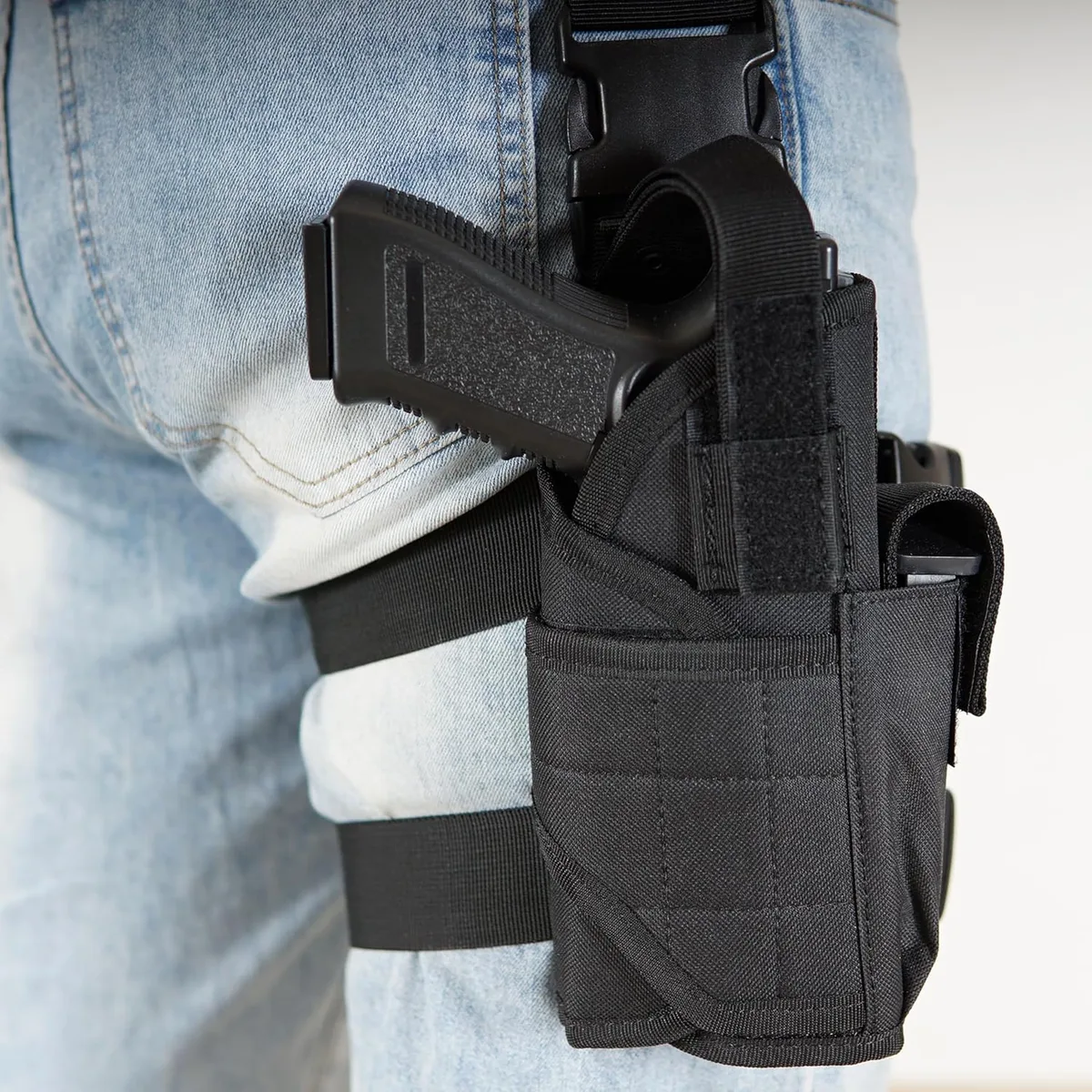
Image source: Web (Bing) / amazon.co.uk (Web image (fair-use with source credit))
Common Fit Issues and What They Mean
When a holster and firearm aren't compatible, you'll typically encounter one or a combination of these issues:
- Too Loose: The firearm rattles around inside the holster. This means retention is compromised, and the gun could potentially fall out, which is a major safety concern. It also makes drawing less predictable.
- Too Tight: You have to force the firearm into the holster, or it’s incredibly difficult to draw. This can lead to fumbling during a draw, damage to your firearm's finish, and frustration.
- Trigger Guard Not Covered: The holster doesn't fully enclose the trigger guard. This is a critical safety failure, as it leaves the trigger exposed and increases the risk of an accidental discharge.
- Improper Seating: The firearm doesn't sit flush or lock into place correctly, often due to misaligned contours or interference from accessories.
- Accessory Interference: The holster is designed for a firearm without certain lights, lasers, or optics, but yours has them, preventing a proper fit.
Your Holster Compatibility Checklist: A Step-by-Step Guide
Determining holster compatibility isn't complicated, but it requires attention to detail. Think of it like fitting a key to a lock, there are specific shapes and tolerances involved. We'll walk through the essential steps to make sure you get it right every time, avoiding the common pitfalls many people run into.
The core principle is matching the holster's design to your firearm's specific dimensions and features. If the holster manufacturer says it fits your gun, that's a strong starting point, but you still need to verify.
Step 1: Know Your Firearm's Exact Identity
This might sound obvious, but it's where many mistakes begin. You need to know the precise make, model, and often the specific variant of your firearm. It's not enough to say "Glock" or "1911"; you need to know if it's a Glock 19 Gen 5, a Smith & Wesson M&P Shield Plus, or a Colt 1911 Government Model.
- Make: The company that manufactured the firearm (e.g., Glock, Smith & Wesson, Sig Sauer).
- Model: The specific product line (e.g., M&P Shield, P365, 1911).
- Variant/Generation: Sub-models or generations that can affect dimensions or features (e.g., Gen 3 vs. Gen 4 Glock, Shield vs. Shield Plus).
Check your firearm's documentation, slide markings, or the manufacturer's website for this exact information.
Image source: Web (Bing) / logodesign.net (Web image (fair-use with source credit))
Step 2: Decode the Holster's Promise
Holster manufacturers put a lot of information on their product listings, but it's crucial to know how to interpret it correctly. They'll usually tell you exactly which firearms their holster is designed for, but sometimes this can be generalized, leading to confusion.
- Specific Model Listings: The best-case scenario is a holster clearly marked for your exact firearm model and generation, like "Fits Glock 19 Gen 5." This is the gold standard for compatibility.
- Platform or Series Fit: Some holsters are designed for an entire platform or series, such as "Fits S&W M&P Shield Series" or "Compatible with Sig Sauer P365 Family." This usually means it accommodates several closely related models within that line. However, always double-check if your specific variant is included.
- Barrel Length Specification: Holsters are often categorized by the barrel length of the firearm they fit. For example, a holster might be listed for a 4-inch barrel, a 4.5-inch barrel, or a 5-inch barrel. You must match your firearm's barrel length to the holster's specification.
- Retention Level: While not strictly a compatibility feature, the retention level (Level I, II, III) indicates how many active or passive retention devices the holster has. This is more about security than fit, but it's a key attribute to understand for your intended use.
If a holster's description is vague, or if your firearm model isn't explicitly listed, it's a strong indicator that it might not be the right fit. Always err on the side of caution.
Step 3: Matching Dimensions: The Critical Details
Even when a holster is listed for your firearm's make and model, subtle dimensional differences can still cause problems. These are often the silent killers of compatibility that you need to look out for.
- Frame Size and Width: Firearms like a standard Glock 17 and a Glock 19 share the same operating system but have different frame sizes and slide widths. A holster molded for the larger Glock 17 frame will likely be too loose for a Glock 19, compromising retention.
- Slide Profile: Minor variations in the shape or thickness of the slide can affect how snugly a firearm sits in a Kydex or molded holster.
- Trigger Guard Shape: The trigger guard is a critical safety feature. A holster must fully encompass it. Even slight differences in its shape or dimensions can prevent a proper, safe fit.
- Accessory Rails: If your firearm has a Picatinny rail or a proprietary accessory rail for lights or lasers, the holster must be designed to accommodate this feature. A holster for a railed firearm will not fit a non-railed one, and vice versa, unless specifically designed for it.
Consulting detailed specification sheets for both your firearm and the holster is highly recommended. For example, a firearm manufacturer's website might list the overall length, width, and height of the firearm, which can be compared to holster dimensions where available.
Step 4: The Accessory Factor: Lights, Lasers, and Optics
This is where holster compatibility can quickly become a complex puzzle. Many modern firearms are designed to accept various accessories, and if your firearm has any of these, you absolutely must choose a holster that accounts for them. A holster designed for a "bare" firearm simply won't work if you've added a light, laser, or optic.
- Weapon-Mounted Lights (WMLs): If you have a light attached to your firearm's rail, like a SureFire X300, Streamlight TLR-1, or Inforce APL, the holster must be specifically molded to fit that light with the firearm. These holsters are often advertised by the firearm-light combination (e.g., "Fits Glock 19 with X300 Ultra").
- Laser Sights: Similar to lights, if you have a laser module attached to your firearm’s frame or rail, the holster needs to accommodate its shape and bulk.
- Red Dot Optics (RDOs): Firearms with slide cuts for red dot sights (like RMRs, Deltas, or enclosed emitters) require holsters with an extended or cut-out top to prevent the optic from snagging or colliding with the holster body during drawing or reholstering. These are often labeled "Optics Ready" or "RDO Compatible."
- Threaded Barrels: If your firearm has a threaded barrel for a suppressor, the holster needs an open-ended design that allows the extended barrel to protrude.
Choosing a holster without considering these accessories means it simply won't fit or function correctly. Always verify the holster's compatibility with all accessories attached to your firearm.
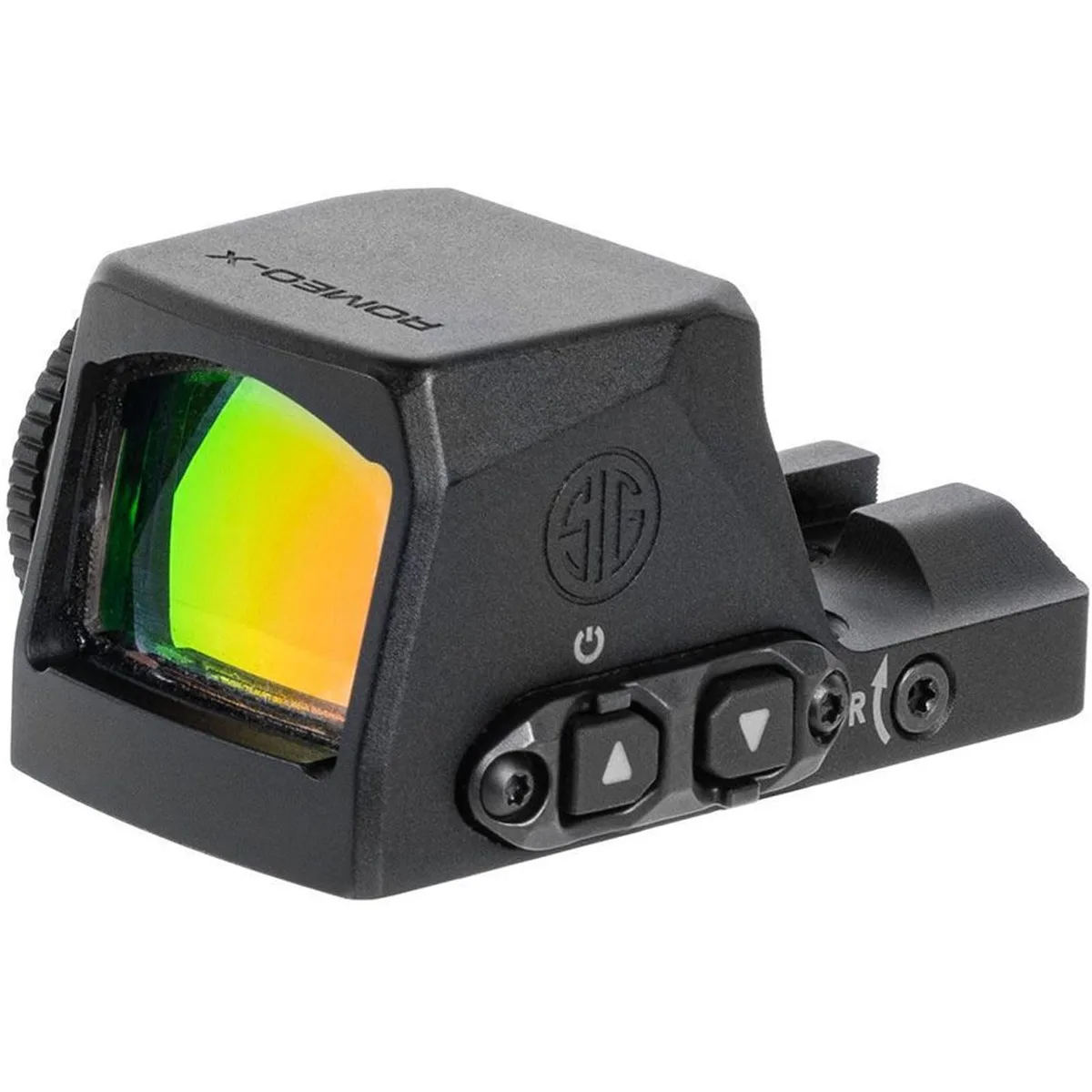
Image source: Web (Bing) / amazon.com (Web image (fair-use with source credit))
Step 5: The Real-World Fit Test (Safely!)
Once you've purchased a holster based on the specifications, the final and most important step is a safe, unloaded fit test. This confirms everything visually and tactilely.
Here’s how to do it safely:
- Unload Your Firearm: Ensure the firearm is completely unloaded, with no ammunition in the magazine or chamber. Visually and physically inspect it to be certain.
- Seat the Firearm: Gently insert the firearm into the holster.
- Check for Resistance: Does it slide in smoothly without excessive force? Is there a distinct click or feeling of retention as it seats fully?
- Test Retention: With the holster oriented downwards (as if carrying it), does the firearm stay securely in place? Gently shake it to confirm it doesn't fall out.
- Test the Draw: Practice drawing the firearm. Does it release cleanly and without snagging? Is the trigger guard consistently covered when holstered?
- Check Accessory Fit (if applicable): If you have lights, lasers, or optics, re-perform these checks to ensure they don't interfere.
If at any point during this test you encounter significant resistance, the firearm feels loose, or the trigger guard isn't properly protected, the holster is likely not compatible or is poorly designed.
Common Holster Compatibility Pitfalls to Steer Clear Of
Even with the best intentions, people often fall into traps when trying to find a compatible holster. Understanding these common mistakes can save you time, money, and potential safety headaches.
- Assuming "Same Brand, Same Fit": Just because two firearms are from the same manufacturer doesn't mean they use the same holster. A Sig Sauer P365 and a P365XL, for example, have different slide lengths and require different holsters, even though they're both P365 variants.
- Relying on "Universal" Holsters: While "universal" holsters exist, they often sacrifice a secure, custom fit for broad compatibility. For concealed carry or duty, these are rarely ideal because they may not offer adequate retention or trigger guard coverage for your specific firearm.
- Ignoring Firearm Generations/Variants: As mentioned, minor design changes between firearm generations can render a holster incompatible. Always verify compatibility with the specific generation or variant of your firearm.
- Forgetting About Aftermarket Parts: If you’ve added aftermarket sights, extended slide releases, or magazine wells, these can also affect holster fit. Always consider any modifications made to your firearm.
- Buying Based Solely on Looks: A holster might look fantastic, but if its design doesn't precisely match your firearm's dimensions and features, its aesthetics are irrelevant. Functionality and safety must come first.
- Not Reading Reviews or Manufacturer Specs Carefully: Take the time to read what other users and the manufacturer say. Look for specific model numbers and any stated limitations.
When "Close Enough" Isn't Good Enough: Safety First
In the world of firearms, "close enough" when it comes to holster compatibility is a dangerous gamble. The stakes are incredibly high, and compromises can have severe consequences. Holster compatibility isn't just about convenience; it's a fundamental aspect of safe firearm handling.
A properly fitting holster ensures that the trigger guard is completely shielded. This prevents accidental contact with the trigger mechanism, which could lead to an unintended discharge. Manufacturer specifications for holsters, like those provided by companies such as DeSantis Holster or Raven Concealment Systems, typically detail the specific firearm models they are designed for, often citing dimensions or specific design elements they accommodate.
This level of specificity is vital for safety.
When a holster is too loose, the firearm can shift, potentially falling out during movement, which could be hazardous in public or during a critical situation. Conversely, a holster that’s too tight can impede a smooth draw, causing fumbling when immediate access is needed. For concealed carry, a poorly fitting holster can also print more obviously or cause discomfort that leads to not carrying at all.
Always prioritize a perfect fit over a nearly-there one.
Your Firearm's Exact Identity: What to Look For
Knowing your firearm's precise identity is the absolute cornerstone of ensuring holster compatibility. It sounds straightforward, but the nuances here are often where compatibility issues begin. Think of it like trying to buy a specific replacement part for your car, you wouldn't just say "I need a Ford part"; you'd specify the year, make, model, and trim level.
Firearm manufacturers go into great detail to design and produce distinct models, and even within a single model line, there can be variations that drastically affect how a holster needs to be shaped.
- Make: This is the brand name of the company that manufactured your firearm. Examples include Smith & Wesson, Glock, Sig Sauer, CZ, Springfield Armory, and Ruger.
- Model: This is the specific product line or name given to the firearm. Examples include the Smith & Wesson M&P Shield, Glock 19, Sig Sauer P365, or CZ P-10 C.
- Generation/Variant: Many firearm models have gone through updates and redesigns over the years. These are often denoted by numbers (e.g., Glock Gen 3, Gen 4, Gen 5) or specific variant names (e.g., Glock 19X, Glock 45, S&W Shield Plus, Sig Sauer P365XL). These updates can involve changes to frame dimensions, slide profiles, or accessory rail configurations, all of which impact holster fit.
- Caliber: While often implied by the model, sometimes different calibers within the same model line can have slight dimensional differences that a holster must account for.
Where to find this information:
- On the Firearm Itself: Most firearms have the make and model clearly engraved or stamped on the slide or frame.
- Owner's Manual: The original manual that came with your firearm will have all the identifying details.
- Manufacturer's Website: You can usually find detailed specifications for your firearm model on the official manufacturer's website.
- Original Packaging: If you still have the original box or case, it will list the exact make, model, and serial number.
Getting this information correct upfront saves you the hassle of ordering the wrong holster and having to send it back. It’s the critical first step before you even start looking at holster options.
Decoding the Holster's Promise: What the Specs Really Mean
Holster manufacturers put a lot of information on their product listings, but it's crucial to know how to interpret it correctly. They'll usually tell you exactly which firearms their holster is designed for, but sometimes this can be generalized, leading to confusion.
- Specific Model Listings: The best-case scenario is a holster clearly marked for your exact firearm model and generation, like "Fits Glock 19 Gen 5." This is the gold standard for compatibility.
- Platform or Series Fit: Some holsters are designed for an entire platform or series, such as "Fits S&W M&P Shield Series" or "Compatible with Sig Sauer P365 Family." This usually means it accommodates several closely related models within that line. However, always double-check if your specific variant is included.
- Barrel Length Specification: Holsters are often categorized by the barrel length of the firearm they fit. For example, a holster might be listed for a 4-inch barrel, a 4.5-inch barrel, or a 5-inch barrel. You must match your firearm's barrel length to the holster's specification.
- Retention Level: While not strictly a compatibility feature, the retention level (Level I, II, III) indicates how many active or passive retention devices the holster has. This is more about security than fit, but it's a key attribute to understand for your intended use.
If a holster's description is vague, or if your firearm model isn't explicitly listed, it's a strong indicator that it might not be the right fit. Always err on the side of caution.
Matching Dimensions: The Critical Details
Even when a holster is listed for your firearm's make and model, subtle dimensional differences can still cause problems. These are often the silent killers of compatibility that you need to look out for.
- Frame Size and Width: Firearms like a standard Glock 17 and a Glock 19 share the same operating system but have different frame sizes and slide widths. A holster molded for the larger Glock 17 frame will likely be too loose for a Glock 19, compromising retention.
- Slide Profile: Minor variations in the shape or thickness of the slide can affect how snugly a firearm sits in a Kydex or molded holster.
- Trigger Guard Shape: The trigger guard is a critical safety feature. A holster must fully encompass it. Even slight differences in its shape or dimensions can prevent a proper, safe fit.
- Accessory Rails: If your firearm has a Picatinny rail or a proprietary accessory rail for lights or lasers, the holster must be designed to accommodate this feature. A holster for a railed firearm will not fit a non-railed one, and vice versa, unless specifically designed for it.
Consulting detailed specification sheets for both your firearm and the holster is highly recommended. For example, a firearm manufacturer's website might list the overall length, width, and height of the firearm, which can be compared to holster dimensions where available.
The Accessory Factor: Lights, Lasers, and Optics
This is where holster compatibility can quickly become a complex puzzle. Many modern firearms are designed to accept various accessories, and if your firearm has any of these, you absolutely must choose a holster that accounts for them. A holster designed for a "bare" firearm simply won't work if you've added a light, laser, or optic.
- Weapon-Mounted Lights (WMLs): If you have a light attached to your firearm's rail, like a SureFire X300, Streamlight TLR-1, or Inforce APL, the holster must be specifically molded to fit that light with the firearm. These holsters are often advertised by the firearm-light combination (e.g., "Fits Glock 19 with X300 Ultra").
- Laser Sights: Similar to lights, if you have a laser module attached to your firearm’s frame or rail, the holster needs to accommodate its shape and bulk.
- Red Dot Optics (RDOs): Firearms with slide cuts for red dot sights (like RMRs, Deltas, or enclosed emitters) require holsters with an extended or cut-out top to prevent the optic from snagging or colliding with the holster body during drawing or reholstering. These are often labeled "Optics Ready" or "RDO Compatible."
- Threaded Barrels: If your firearm has a threaded barrel for a suppressor, the holster needs an open-ended design that allows the extended barrel to protrude.
Choosing a holster without considering these accessories means it simply won't fit or function correctly. Always verify the holster's compatibility with all accessories attached to your firearm.
Image source: Web (Bing) / amazon.com (Web image (fair-use with source credit))
Step 5: The Real-World Fit Test (Safely!)
Once you've purchased a holster based on the specifications, the final and most important step is a safe, unloaded fit test. This confirms everything visually and tactilely.
Here’s how to do it safely:
- Unload Your Firearm: Ensure the firearm is completely unloaded, with no ammunition in the magazine or chamber. Visually and physically inspect it to be certain.
- Seat the Firearm: Gently insert the firearm into the holster.
- Check for Resistance: Does it slide in smoothly without excessive force? Is there a distinct click or feeling of retention as it seats fully?
- Test Retention: With the holster oriented downwards (as if carrying it), does the firearm stay securely in place? Gently shake it to confirm it doesn't fall out.
- Test the Draw: Practice drawing the firearm. Does it release cleanly and without snagging? Is the trigger guard consistently covered when holstered?
- Check Accessory Fit (if applicable): If you have lights, lasers, or optics, re-perform these checks to ensure they don't interfere.
If at any point during this test you encounter significant resistance, the firearm feels loose, or the trigger guard isn't properly protected, the holster is likely not compatible or is poorly designed.
Frequently Asked Questions
Why do some holsters claim to fit multiple firearm models?
Holsters designed for a broad range of models typically use a more generalized shape or adjustable retention mechanisms. While convenient, they often lack the precise fit of a firearm-specific holster, potentially compromising retention or trigger guard coverage. Always verify compatibility for your exact model if safety and reliability are paramount.
Can I use a holster designed for a slightly different model, like a Glock 19 for a Glock 45?
It might seem like they're close, but often the differences in frame size, slide length, or accessory rail configuration are significant enough to prevent a safe and secure fit. For concealed carry or duty, it's best to use holsters explicitly listed for your firearm model and generation.
What if my firearm has aftermarket sights? Will that affect holster fit?
Yes, aftermarket sights, especially taller ones designed for competitive shooting or low-light conditions, can interfere with a holster. If your holster is specifically molded for factory sights, taller aftermarket ones might snag or prevent proper seating. Look for holsters advertised as "tall sight" or "suppressor sight" compatible if you have them.
How important is trigger guard coverage on a holster?
Trigger guard coverage is absolutely critical for safety. A holster's primary job is to safely cover the trigger and prevent any foreign objects or accidental contact from causing a discharge. If a holster doesn't fully and securely cover the trigger guard, it's a major safety flaw and should not be used.