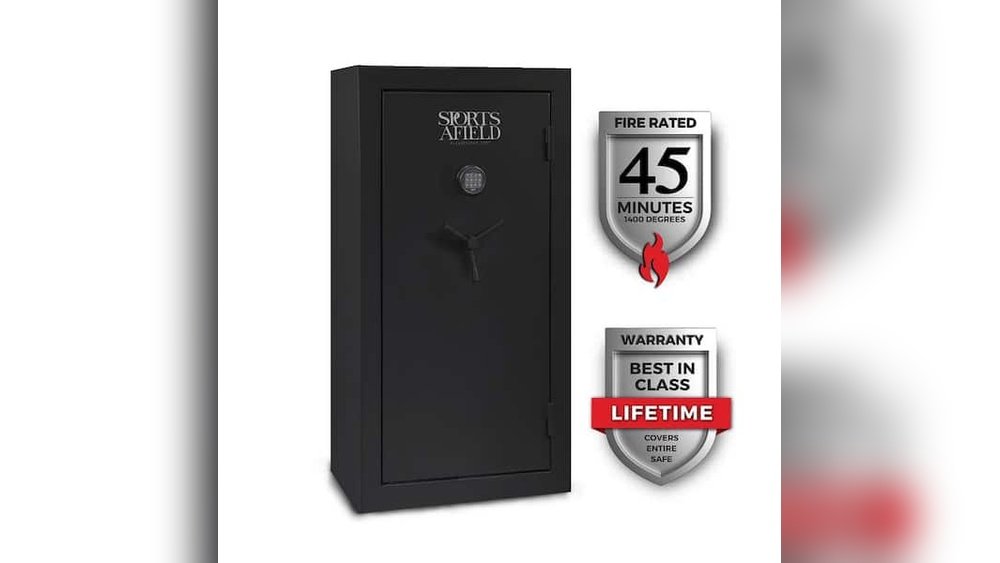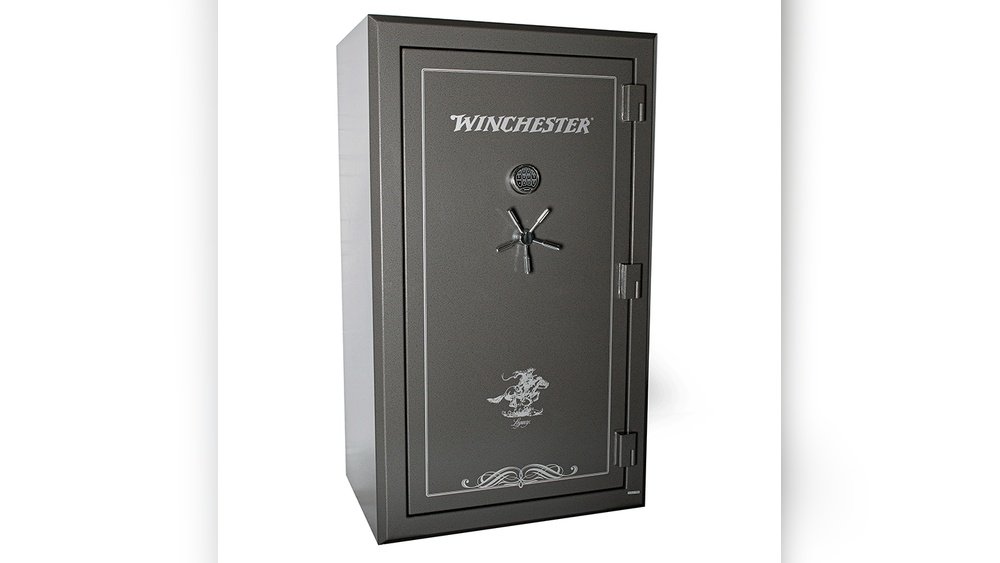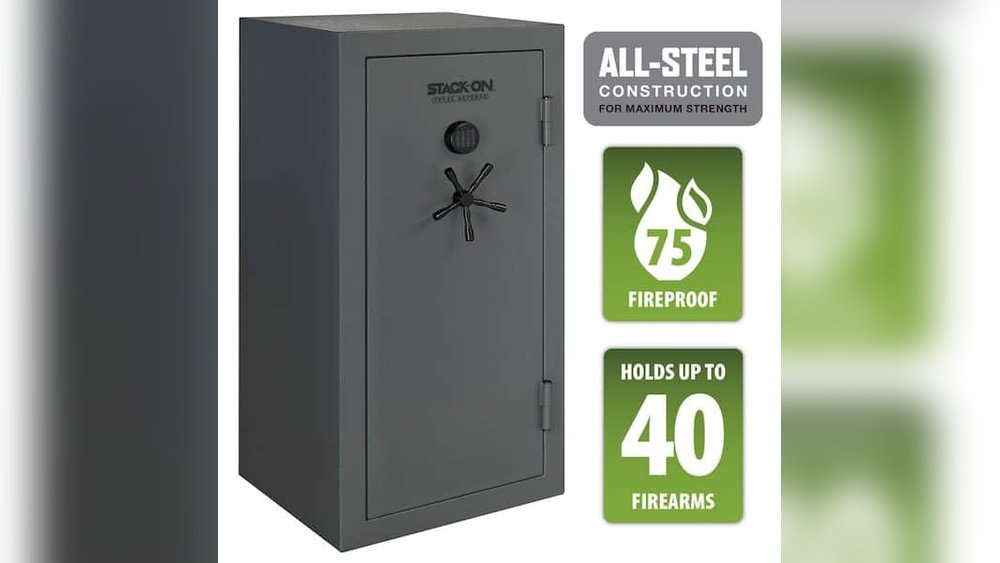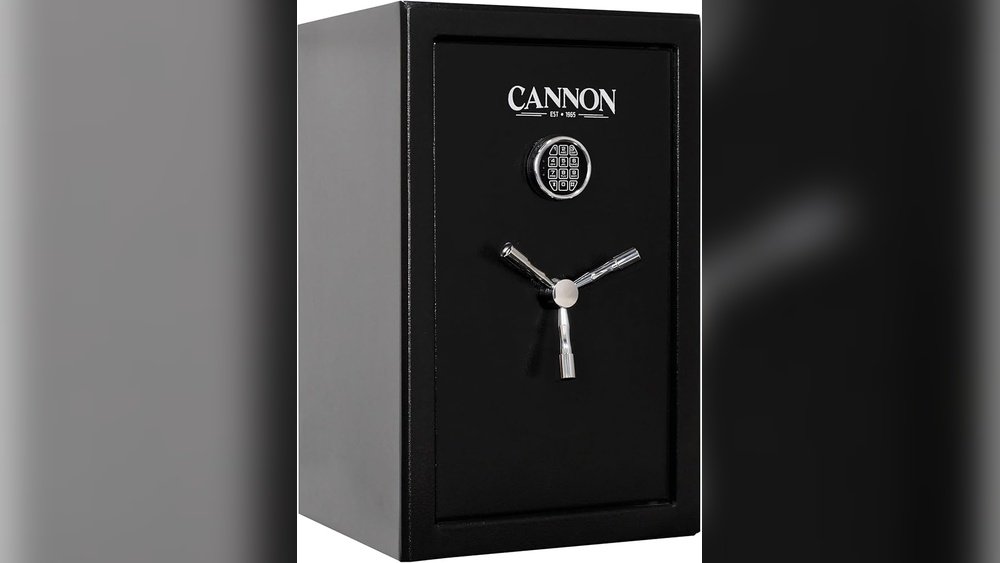
You’ve probably invested in a fireproof gun safe to protect your firearms, but have you ever wondered if it can also keep your electronics and important documents safe during a fire? You might be surprised to learn that not all fireproof safes offer the same level of protection for these items.
If you want to make sure your valuables survive a disaster, it’s crucial to understand how fireproof gun safes work and what they can really protect. Keep reading to discover the truth about fireproof gun safes and how they can safeguard your electronics and documents when it matters most.
Fireproof Gun Safe Basics
Fireproof gun safes do more than protect your firearms. They also guard important documents and electronics. These safes offer a secure place against fire damage. Understanding their design helps you choose the right safe for your needs.
Many people wonder if these safes can truly protect sensitive items like electronics. The answer depends on the safe’s materials and fire rating. Both factors affect how well the safe handles heat and smoke.
Materials And Construction
Fireproof gun safes use heavy steel for strong outer shells. Inside, fire-resistant materials like gypsum or concrete keep heat away. These layers work to slow down the fire’s heat. They also block smoke from entering the safe.
Seals around the door prevent hot air from leaking inside. This helps protect items like paper and electronics. The build quality matters a lot. Thicker walls and better seals mean better fire resistance.
Fire Ratings Explained
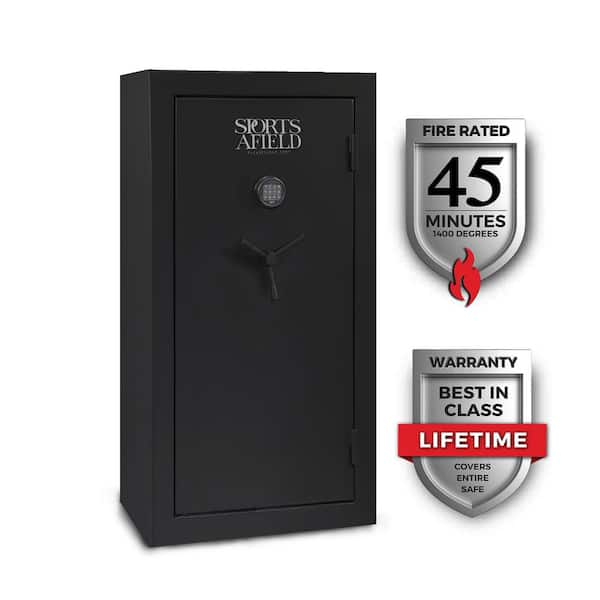
Fire ratings show how long a safe can resist heat. Ratings often list time in minutes, like 30, 60, or 90 minutes. The rating also shows the maximum temperature inside the safe. Lower temperatures mean better protection for documents and electronics.
Paper starts to burn around 350°F, while electronics get damaged at much lower heat. Look for safes with ratings under 170°F to protect electronics. A higher rating means the safe keeps the inside cooler longer.
Protection For Electronics
Fireproof gun safes offer more than just protection for your firearms. They can also safeguard electronics during a fire. Electronics are sensitive to heat. Protecting them requires understanding how heat affects these devices and what temperatures are safe inside the safe.
Heat Impact On Electronics
High heat damages electronic components quickly. Circuit boards, batteries, and screens can melt or warp. Heat can cause permanent data loss in hard drives and memory cards. Even short heat exposure may ruin delicate parts. Fireproof safes reduce heat but may not eliminate it.
Safe Temperature Limits
Most electronics withstand temperatures up to 125°F (52°C). Temperatures above this can cause damage. A good fireproof safe keeps internal heat below this level for at least 30 minutes. This limit helps protect devices like laptops, tablets, and external drives. Choose safes tested for electronics protection.
Protection For Documents
Documents hold valuable information. Protecting them from fire is crucial. Fireproof gun safes offer a secure place for papers. They guard against heat, flames, and smoke. Understanding how documents react to fire helps choose the right safe.
Paper Combustion Temperatures
Paper starts to burn at about 451°F (233°C). Fireproof safes resist heat below this level. A quality safe keeps internal temperature low. This prevents papers from catching fire. Heat alone can damage paper before flames arrive.
Humidity And Smoke Effects
Fire produces smoke and moisture inside a safe. Humidity can warp or stick paper together. Smoke leaves stains and bad odors. A good fireproof safe seals tightly. It blocks moisture and smoke from reaching documents. This keeps papers dry and clean after a fire.
Comparing Fireproof Gun Safes And Data Safes
Fireproof gun safes and data safes both protect valuable items from fire. Each type serves a specific purpose. Understanding their differences helps you choose the right safe for your needs. This section compares fireproof gun safes and data safes to highlight their unique features and protection levels.
Design Differences
Fireproof gun safes are built mainly to protect firearms and some documents. They have thick steel walls and strong locking systems. The design focuses on preventing theft and fire damage to guns.
Data safes focus on protecting electronic devices and important papers. Their interiors often include insulation to protect against heat and moisture. They may have special compartments for hard drives, disks, and USB drives.
Gun safes usually have more space and shelves for larger items. Data safes are smaller but better at shielding sensitive electronics from heat and water.
Performance In Tests
Fireproof gun safes can withstand high temperatures for a certain time, usually 30 to 60 minutes. They protect guns and paper documents but may not be ideal for delicate electronics.
Data safes undergo stricter tests for heat and water resistance. They keep electronics safe at lower temperature limits, around 125°F (52°C). This is crucial to prevent data loss from heat damage.
In fire tests, data safes often outperform gun safes in protecting digital media. Gun safes excel at physical security and fire resistance but are less effective for sensitive data storage.
Additional Security Features
Fireproof gun safes do more than just protect against fire. They often include extra features to keep your valuables safe from other risks. These features add layers of protection for your electronics and important documents.
Understanding these extra protections helps you choose a safe that fits your needs. Let’s explore some common additional security features.
Water Resistance
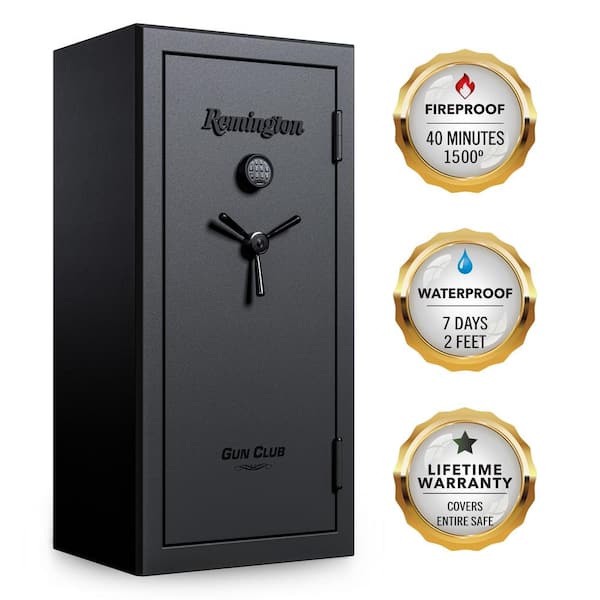
Water resistance is key for protecting items from floods or leaks. Many fireproof safes also block water entry. This feature keeps electronics and papers dry even if water surrounds the safe.
Look for safes with sealed doors and waterproof gaskets. These parts stop water from seeping inside. Water resistance prevents damage that fireproofing alone cannot stop.
Locking Mechanisms
Strong locking mechanisms prevent theft and unauthorized access. Safes use different types of locks like digital keypads, combination dials, or biometric scanners.
Choose a locking system that is easy for you to use but hard for others to break. Secure locks protect your valuable electronics and documents from theft as well as fire or water damage.

Choosing The Right Safe
Choosing the right fireproof gun safe matters a lot. It ensures your valuables stay safe from fire and theft. Not all safes protect electronics and documents equally. Some safes offer better heat resistance and storage options. Picking the right one fits your needs and budget.
Assessing Your Storage Needs
Think about what you want to store inside the safe. Electronics like hard drives need special protection from heat and moisture. Paper documents require a different level of fire resistance. Measure the size of items to find a safe with enough space. Consider future storage needs to avoid buying a too small safe.
Budget Considerations
Set a budget before choosing a safe. Higher fire ratings usually cost more but offer better protection. Cheaper safes may protect guns but not sensitive electronics or papers. Balance cost with the level of security and fire protection you need. Remember, a good safe is an investment in your valuables’ safety.
Maintenance Tips For Longevity
Proper maintenance helps fireproof gun safes last longer and protect valuables well. Small checks and good habits keep safes working strong. Follow simple steps to maintain your safe’s fire and security features.
Regular Inspection
Check your safe often for any damage or wear. Look at seals to ensure they are not cracked or broken. Test the lock and hinges for smooth operation. Clean dust and dirt from the outside and inside. Spot problems early to fix them before they grow.
Proper Placement
Place the safe on a flat, stable surface to avoid tipping. Avoid damp or humid areas to prevent rust and mold. Keep it away from direct sunlight and heat sources. Good placement helps the safe perform well during a fire or break-in. A well-placed safe protects electronics and documents better.
Frequently Asked Questions
Do Fireproof Gun Safes Protect Electronic Devices?
Yes, fireproof gun safes protect electronics by maintaining low internal temperatures. Look for safes with digital media ratings for added protection.
Can Fireproof Safes Preserve Important Documents?
Fireproof safes protect documents by resisting heat and flames. Ensure the safe is rated for at least 1 hour at 1700°F.
Are All Gun Safes Fireproof By Default?
No, not all gun safes are fireproof. Check the manufacturer’s specifications for fire resistance and temperature ratings before purchase.
How Long Do Fireproof Safes Protect Contents In A Fire?
Fireproof safes typically protect contents for 30 minutes to 2 hours. Duration depends on the safe’s fire rating and construction.
Conclusion
Fireproof gun safes offer strong protection for guns and valuables. They can also shield electronics and documents from fire damage. Yet, some safes handle heat and smoke better than others. Choosing the right safe matters for your important items. Keep in mind, no safe is completely fireproof forever.
Regularly check your safe’s rating and condition. Protect your valuables wisely with a trusted fireproof safe. Safety and peace of mind go hand in hand. Is your important stuff truly safe?