When it comes to protecting your firearms, knowing how much heat your fireproof gun safe can handle is crucial. You want to be sure that in the worst-case scenario—like a house fire—your valuable guns and important documents inside the safe remain unharmed.
But what exactly is the temperature limit your safe can withstand? Understanding this can save you from costly losses and give you peace of mind. Keep reading to discover the real heat resistance of fireproof gun safes and how to choose one that truly safeguards your belongings when it matters most.

Fireproof Gun Safe Basics
Fireproof gun safes protect firearms from fire damage. They keep guns safe even in high heat. Knowing the basics helps choose the right safe. Fireproof safes differ by materials and design. These features decide how much heat the safe can handle.
Materials Used
Most fireproof safes use steel for the outer shell. Steel handles heat well and adds strength. Inside, fireproof safes have special insulation. This insulation stops heat from reaching guns. Common materials are gypsum or concrete-based fillers. These slow heat transfer during a fire. Some safes use fire-resistant sealants too. Together, these materials help keep internal temperature low.
Construction Features
The design of fireproof safes matters. Double walls with insulation between them are common. This design traps air, which acts as a heat barrier. Doors have tight seals to block smoke and heat. Some safes include intumescent strips. These strips swell in heat, sealing gaps tightly. Strong locking systems also keep the door closed. Good construction limits heat and protects contents longer.
Heat Resistance Standards
Heat resistance standards tell us how well a fireproof gun safe can protect its contents. These standards are based on strict tests that simulate real fire conditions. They show how long a safe can keep guns and important documents safe from heat damage. Understanding these standards helps buyers choose the right safe for their needs.
Industry Testing Methods
Testing methods check the safe’s ability to resist fire heat. Experts place safes in ovens that reach very high temperatures. The heat can go over 1,000 degrees Fahrenheit. They keep the safe inside for a set time, often 30 minutes to 2 hours. Sensors inside the safe monitor the temperature. The goal is to keep inside temperature under a safe limit. This limit is usually 350 degrees Fahrenheit to protect gun powder and materials.
Tests also check how well the safe seals out smoke and flames. Some tests include sudden temperature changes to mimic real fires. These tests ensure the safe can handle different fire types and conditions.
Certification Ratings
Certification ratings show the results of heat resistance tests. Organizations like UL (Underwriters Laboratories) and ETL certify gun safes. Ratings include time and temperature limits a safe can handle. For example, UL 72 Class 350 means the safe keeps inside under 350°F for 1 hour. Higher ratings mean longer protection times or higher heat resistance.
Look for these ratings when buying a fireproof gun safe. They give trust that the safe meets safety rules. Certified safes give peace of mind about fire protection.
Typical Temperature Limits
Fireproof gun safes protect valuables from extreme heat. Each safe has a limit to the temperature it can handle. Knowing these limits helps you choose the right safe for your needs. The typical temperature limits show how well a safe stands up to fire.
These limits depend on the materials and design of the safe. Most manufacturers test their safes under strict conditions. This ensures the contents stay safe during a fire.
Common Heat Thresholds
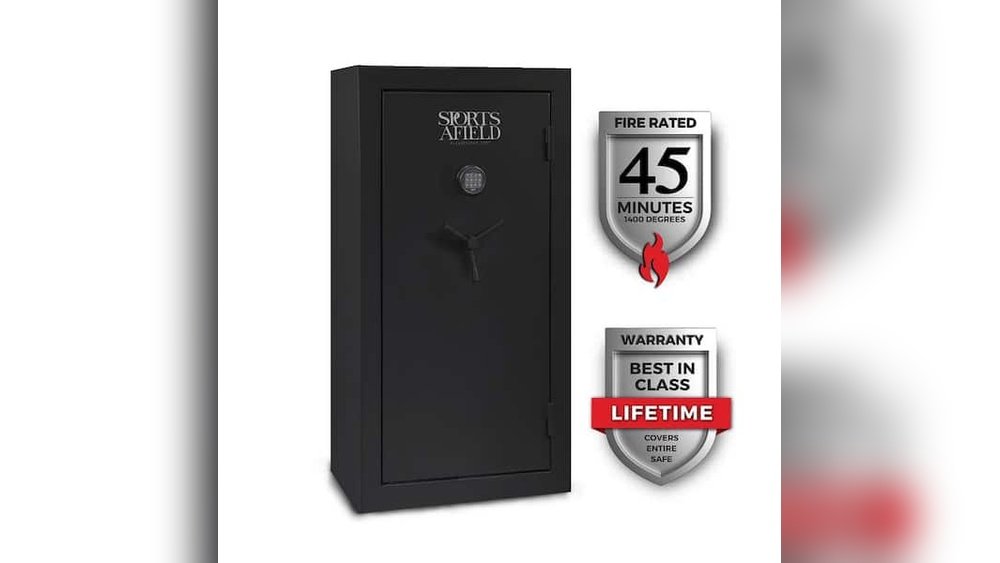
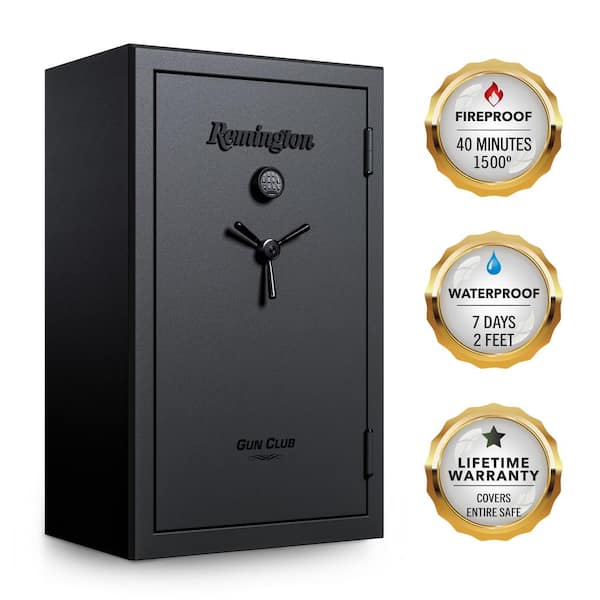
Fireproof gun safes usually resist temperatures between 1200°F and 1850°F. The most common rating is 1400°F, enough to survive most house fires. Some high-end safes resist even higher temperatures. These safes protect paper, guns, and electronics better.
The temperature inside the safe stays much lower than outside. Fireproof insulation slows down heat transfer. This keeps the contents safe for a certain period.
Duration Of Heat Exposure
Heat resistance depends on how long the fire lasts. Most safes protect items from 30 minutes to 2 hours. Longer protection means better safety but usually higher cost. The time rating means the safe keeps contents below damage temperature.
Manufacturers test safes in fire chambers to check duration limits. This shows how long the safe can keep items safe during a real fire. Knowing both temperature and duration helps pick the right safe.
Internal Temperature Vs. External Heat
Understanding the difference between internal temperature and external heat is vital for gun safes. A fireproof gun safe can face extreme heat outside, but the inside must stay cool. This keeps guns and important items safe during a fire. The safe’s design controls how much heat passes through its walls.
External heat can reach very high levels quickly. Yet, the internal temperature inside the safe rises much slower. This delay helps protect the contents. The safe’s materials and insulation are key to managing this heat transfer.
Insulation Mechanisms
Fireproof gun safes use special insulation to block heat. These materials slow down heat movement from outside to inside. Some safes have layers of fire-resistant board or special fireproof foam. This keeps the internal temperature lower for a longer time.
The insulation also seals the safe tightly. It stops hot air and smoke from getting inside. This barrier is crucial during a fire. The better the insulation, the longer the safe can protect its contents.
Safe Internal Temperature For Firearms
Firearms can be damaged by heat above 350°F (about 175°C). Gunpowder and oils inside guns start to break down at this temperature. A quality fireproof safe keeps the inside below this level.
Most safes are tested to hold the internal temperature under 350°F for at least 30 minutes. Some can protect for up to an hour or more. This time is often enough to prevent damage and allow firefighters to control the blaze.
Maintaining a low internal temperature is the main goal of a fireproof safe. It protects your firearms and other valuables from fire damage.
Factors Affecting Heat Resistance
Fireproof gun safes protect valuable items from extreme heat. Their ability to resist heat depends on several factors. Understanding these factors helps you choose the right safe for your needs. Heat resistance varies based on design and environment. Below, we explore the key elements that affect a safe’s heat resistance.
Safe Size And Thickness
Larger safes often have thicker walls. Thick walls provide better insulation against heat. Insulation slows down heat transfer inside the safe. Small safes with thin walls may heat up faster. Thickness also affects how long a safe can protect its contents. Thicker safes generally withstand higher temperatures longer.
Type Of Fire And Heat Source
Different fires produce different heat levels. Wood fires burn at lower temperatures than chemical fires. Gas fires can reach extreme heat quickly. The source of fire impacts how fast heat reaches the safe. Some safes resist heat better from certain fire types. Understanding the fire type helps in picking the right safe.
Real-world Fire Scenarios
Understanding how a fireproof gun safe performs during real fires helps you choose the right one. Fires vary in heat and duration, affecting what the safe can handle. Let’s look at common fire scenarios and their impact on gun safes.
Residential Fires
House fires usually reach temperatures between 1,100 and 1,500 degrees Fahrenheit. These fires burn for about 30 to 60 minutes. A quality fireproof gun safe can protect contents if it keeps internal heat below 350 degrees. This limit prevents damage to guns and ammunition. Many safes have a fire rating that matches these conditions. Still, fast response and proper placement of the safe matter.
Wildfires And Extreme Conditions
Wildfires can get hotter, often exceeding 1,800 degrees Fahrenheit. They last longer and spread quickly through homes and forests. Extreme heat and smoke challenge fireproof safes more than house fires. Only safes with high fire ratings and strong insulation withstand this. Even then, no safe is completely fireproof in extreme wildfires. Choosing a safe with a long fire rating gives better protection in these harsh conditions.
Limitations Of Fireproof Gun Safes
Fireproof gun safes offer strong protection against fire damage. They can withstand high temperatures for a certain time. Yet, they have limits that every owner should know. Understanding these limits helps keep guns safe in real emergencies.
Potential Failure Points
Fireproof safes rely on special materials and design. The fire-resistant insulation inside can break down under extreme heat. Door seals may fail, allowing hot air or smoke inside. Locks and hinges can warp or melt at very high temperatures. Any weak point can let heat reach the guns. This reduces the safe’s ability to protect firearms during long fires.
Maintenance And Aging Effects
Over time, fireproof safes lose some of their fire resistance. Insulation materials can dry out or crack. Door seals may shrink or lose elasticity. Rust or dirt can affect locks and hinges. Regular maintenance is important to keep the safe reliable. Without care, the safe may not handle fire as well as when new.
Choosing The Right Fireproof Safe
Choosing the right fireproof gun safe is important for protecting your valuables. Not all safes offer the same level of fire protection. Knowing what temperature your safe can handle helps you pick the best one. This choice depends on your specific needs and the kind of fire risk you expect.
Matching Needs To Ratings
Fireproof safes come with different temperature ratings. These ratings show how long and how hot the safe can resist fire. Some safes protect up to 1,200 degrees Fahrenheit for 30 minutes. Others can handle higher temperatures for longer times. Match the rating to the potential fire risk in your area. A safe with a higher rating offers better protection. Choose one that fits your budget and safety needs.
Additional Protective Features
Look for extra features that improve fire safety. Some safes have insulation that keeps heat away from the contents. Others include seals that expand when heated to block smoke and fire. Water resistance is also important to protect against fire hoses or sprinklers. These features add layers of protection. They help keep your guns and documents safe during a fire.
Frequently Asked Questions
What Temperature Can A Fireproof Gun Safe Withstand?
Most fireproof gun safes can withstand temperatures up to 1,200°F (648°C) for 30 minutes. This protects firearms from typical house fires. Some high-end safes offer longer protection at higher temperatures.
How Long Does Fire Resistance Last In Gun Safes?
Fire resistance in gun safes typically lasts from 30 minutes to 2 hours. The duration depends on the safe’s rating. Longer ratings provide better protection during prolonged fires.
Do Fireproof Gun Safes Protect Ammunition Too?
Yes, most fireproof gun safes protect both firearms and ammunition. They maintain internal temperatures below ignition points. This prevents ammunition from exploding or degrading in a fire.
What Materials Help Gun Safes Resist High Heat?
Fireproof gun safes use materials like gypsum, concrete, and fire-resistant insulation. These materials absorb heat and keep internal temperatures low. They are key to the safe’s fire resistance.
Conclusion
Fireproof gun safes protect your valuables from extreme heat. Most safes can handle temperatures up to 1200°F (650°C). This range keeps guns and documents safe during fires. Choosing the right safe means knowing its heat resistance. Always check the safe’s rating before buying.
Remember, no safe is completely fireproof, but many offer strong protection. Stay informed to protect your firearms and important items well. Safety matters, and the right safe helps ensure it.