Are you tired of emptying your dehumidifier’s water tank multiple times a day? Imagine a device that takes care of the water for you, so you don’t have to worry about it at all.
But do dehumidifiers come with built-in pumps to make this possible? If you’ve ever wondered whether there’s an easier way to handle the moisture in your home, this article will clear things up for you. Keep reading to discover how built-in pumps work, if they’re worth it, and how they can change the way you manage humidity in your space.
Your comfort could be just one decision away.
Types Of Dehumidifiers
Dehumidifiers come in different types to suit various needs and spaces. Each type has its own features and benefits. Choosing the right one depends on the size of the area and how much moisture you want to remove. Some models include built-in pumps for easy water removal. Understanding the types helps you decide what fits best.
Portable Models
Portable dehumidifiers are small and easy to move. They work well in single rooms or small spaces. Most have a water collection bucket that you need to empty. Some portable units come with built-in pumps. These pumps help push water out through a hose, so you don’t have to empty the bucket often.
Whole-house Systems
Whole-house dehumidifiers connect to your home’s HVAC system. They manage humidity throughout the entire house. These systems usually have built-in pumps. The pumps drain water directly into your home’s plumbing or outside. They need professional installation but offer constant moisture control. Whole-house systems are ideal for large spaces or very humid areas.

Role Of Built-in Pumps
Built-in pumps play a key role in some dehumidifiers. They help remove water collected during the dehumidifying process. This feature makes it easier to manage moisture without manual emptying.
Understanding the role of these pumps helps you decide if a dehumidifier suits your needs. It also shows how these pumps add convenience and improve performance.
How Pumps Work
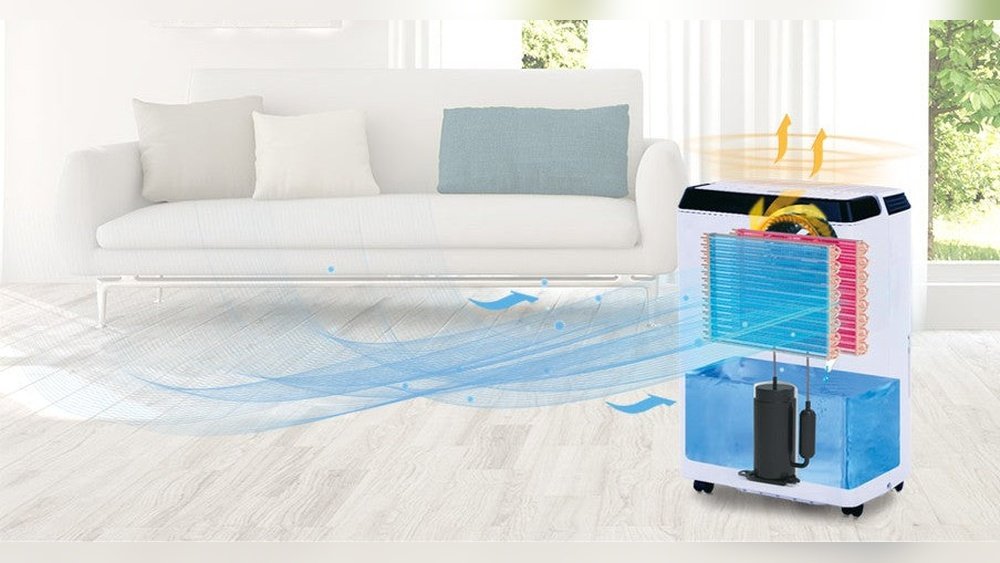
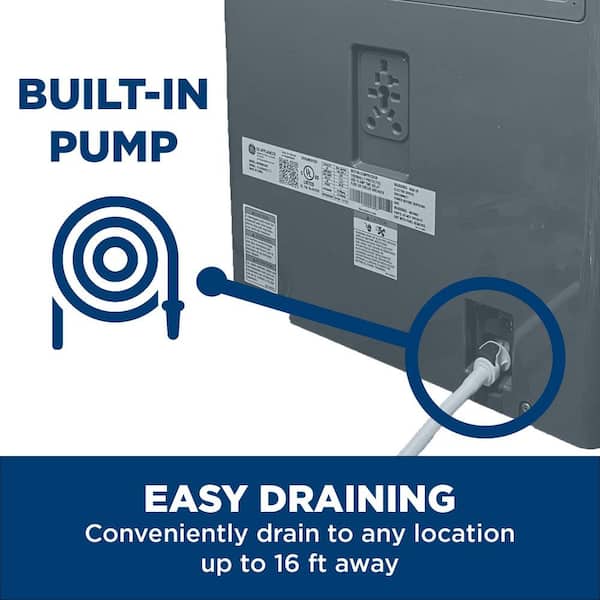
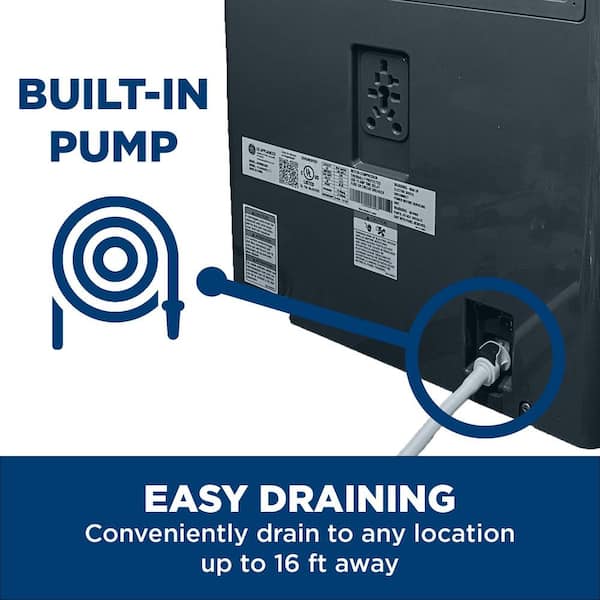
A built-in pump moves water from the dehumidifier’s tank to a drain. It uses a small motor to push water upward or sideways. This allows water to flow out even if the drain is higher than the unit.
The pump activates when the water tank is full or during continuous operation. It prevents overflow and stops the need to carry heavy water buckets. The pump works quietly and runs only when needed.
Benefits Of Built-in Pumps
Built-in pumps save time and effort by automating water removal. This means no frequent emptying of the water bucket. It is helpful in places like basements or rooms without easy drainage.
They also reduce spills and mess caused by manual water disposal. Pumps allow the dehumidifier to run longer without interruption. This improves air quality and comfort in your space.
Dehumidifiers Without Pumps
Dehumidifiers without pumps are common in many homes. They help reduce moisture in the air. These models collect water in a tank. Users must empty the tank regularly to keep the unit working.
These units are usually smaller and more affordable. They work well in places without a drain nearby. Understanding how to manage water is key to using these devices efficiently.
Manual Drainage Methods
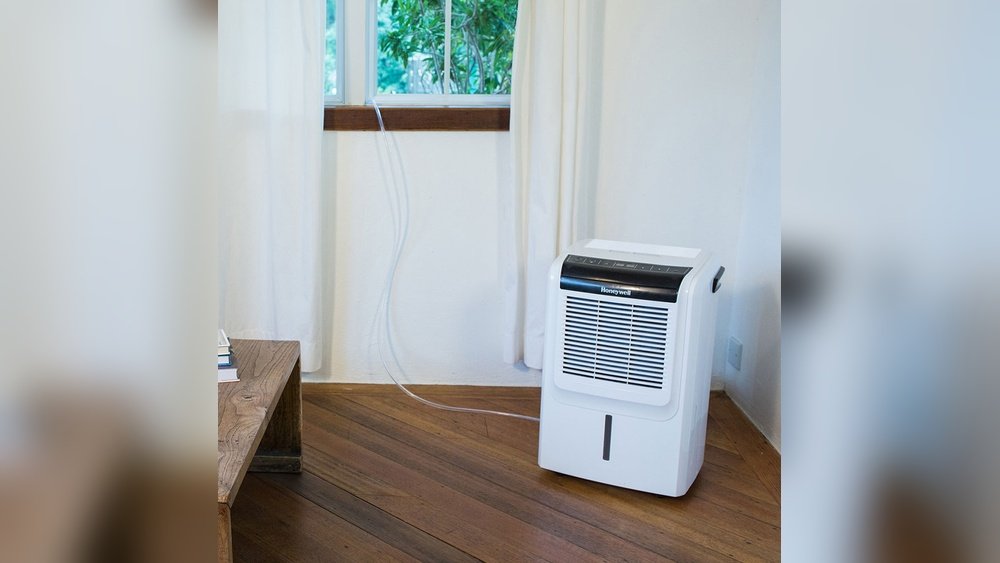
Without a pump, water drains by gravity. Most units have a removable tank for easy emptying. Some models offer a hose outlet. You can attach a hose to drain water into a sink or bucket.
Emptying the tank often prevents overflow and damage. Setting a regular schedule to check the tank helps avoid problems. This method requires some effort but works well in many rooms.
Common Usage Scenarios
Dehumidifiers without pumps suit small spaces like bedrooms or offices. They fit well where no floor drain exists. People use them in basements or closets where water collection is manageable.
These units are good for occasional use or in areas with low humidity. They offer quiet operation and easy handling. Choosing the right model depends on the room size and drainage options.
Choosing The Right Dehumidifier
Picking the right dehumidifier is important for your home or office. The right model keeps air comfortable and prevents mold. Some dehumidifiers come with built-in pumps, which help move water out automatically. Not every space needs this feature. Consider your room size, layout, and where the unit will sit.
Knowing when to choose a model with a pump can save time and effort. Also, think about installation options and space limits before buying. These factors affect how well the dehumidifier works for you.
When To Opt For Built-in Pumps
Choose a dehumidifier with a built-in pump if draining water is hard. Pumps push water up or sideways into a sink or drain. This feature fits places without floor drains nearby. It works well in basements and laundry rooms. A pump saves you from emptying the tank by hand. Use it if you want less maintenance and better convenience.
Considerations For Space And Installation
Measure your space before buying a dehumidifier. Some models are bulky and need room for airflow. Check if you can place the unit near a drain or window. A pump allows flexible placement away from drains. Also, think about noise levels if you plan to keep it in living areas. Easy installation and access for cleaning are important too. Choose a model that fits your space and lifestyle.
Maintenance Tips For Pump-equipped Units
Maintaining a dehumidifier with a built-in pump helps keep it working well. Regular care ensures the pump moves water out efficiently. Small steps protect your unit and extend its life.
Cleaning And Care
Clean the water tank often. Dirt and mold block water flow. Wipe the tank with a soft cloth and mild soap. Rinse well and dry before use.
Check the pump area regularly. Remove dust and debris from vents and filters. A clean pump runs smoothly and lasts longer. Replace filters as the manual says.
Troubleshooting Common Issues
Listen for unusual noises from the pump. Strange sounds can mean a blockage or worn parts. Turn off the unit and inspect the pump.
If water does not drain, check the pump hose. Look for kinks or clogs. Clear any blockages carefully. Ensure the hose is properly connected.
Reset the unit if it stops working. Unplug it for a few minutes, then plug it back in. This can fix minor electronic errors.
Frequently Asked Questions
Do All Dehumidifiers Have Built-in Pumps?
No, not all dehumidifiers include built-in pumps. Only specific models come with pumps to automatically drain water. Most standard dehumidifiers require manual emptying or a gravity drain hose. Choosing a model depends on your drainage needs and convenience preferences.
How Does A Built-in Pump In A Dehumidifier Work?
A built-in pump in a dehumidifier removes collected water automatically. It pumps the water upwards through a hose to a sink or drain. This feature prevents overflow and eliminates the need to manually empty the water tank frequently.
Are Dehumidifiers With Pumps More Expensive?
Yes, dehumidifiers with built-in pumps generally cost more than models without pumps. The pump adds convenience and flexibility but increases the unit’s price. However, the added cost can be worth it for continuous drainage and less maintenance.
Can I Install A Pump On Any Dehumidifier?
Most dehumidifiers without built-in pumps cannot be fitted with external pumps easily. Some models support gravity drainage but lack pump compatibility. It’s best to buy a dehumidifier with a built-in pump if automatic pumping is needed.
Conclusion
Dehumidifiers sometimes include built-in pumps, but not always. Pumps help remove water automatically, making maintenance easier. Many models rely on manual draining instead. Choosing the right dehumidifier depends on your space and needs. Consider if you want a pump for convenience.
Understanding these features helps you pick the best option. Keep these points in mind when shopping around. This way, you get the perfect match for your home or office.