You’ve probably come across reloaded 9mm ammo and wondered if it’s safe to shoot. Maybe you’re looking to save money or just curious about how it compares to factory rounds.
But before you pull the trigger, it’s important to know what you’re really dealing with. Can reloaded ammo perform reliably without putting your safety at risk? This article will give you clear answers and practical tips so you can make the right choice for your gun and your peace of mind.
Keep reading to find out how to shoot reloaded 9mm ammo safely—your safety depends on it.
Risks Of Using Reloaded Ammo
Using reloaded 9mm ammo carries certain risks. These risks can affect your safety and the gun’s performance. Understanding these dangers is important before choosing reloaded ammunition.
Potential Quality Issues
Reloaded ammo may not have consistent quality. Parts like primers and bullets can vary in quality. This can lead to misfires or poor accuracy. Poor quality ammo can also cause damage to your firearm.
Variations In Powder Charge
The amount of gunpowder in each cartridge may differ. Too much powder can create dangerous pressure. Too little powder may cause weak shots or failures to fire. Consistent powder charge is critical for safe shooting.
Case Integrity Concerns
Spent cases are reused in reloading. Cases may weaken or crack after several uses. Damaged cases can rupture inside the gun barrel. This can cause serious injury or damage to the firearm.
Benefits Of Reloaded Ammo
Reloaded 9mm ammo offers several advantages for shooters. It is a practical choice for many gun owners. Understanding these benefits helps you decide if reloaded ammo fits your needs.
Reloaded ammo can be a smart option for saving money, customizing rounds, and helping the environment. Each benefit adds real value to your shooting experience.
Cost Savings
Reloaded ammo costs less than factory-made rounds. You pay less for the same amount of shooting. This can add up to big savings over time. Many shooters use reloaded ammo to practice more without spending too much.
Customization Options
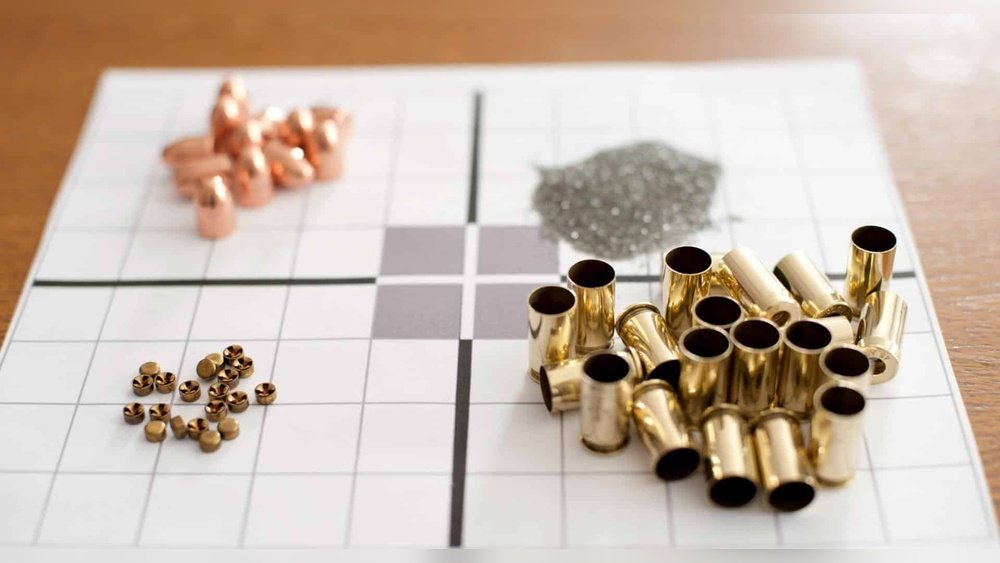
Reloaded ammo allows you to choose bullet types and powder amounts. This customization improves accuracy and performance. You can match ammo to your gun and shooting style. Tailoring ammo helps you get better results on the range.
Environmental Impact
Reloading uses spent cases instead of new ones. This reduces waste and conserves materials. Fewer new components mean less mining and manufacturing. Reloading is a simple way to be more eco-friendly while enjoying shooting.
Safety Tips For Shooting Reloaded 9mm
Shooting reloaded 9mm ammo can be safe with the right care and attention. Safety is the top priority for every shooter. Reloaded ammo may vary in quality, so extra caution helps prevent accidents. Follow these safety tips to protect yourself and your firearm.
Inspecting Ammo Before Use
Always check each round carefully before loading. Look for cracks, dents, or unusual marks on the casing. Make sure the primer is seated properly and not damaged. Avoid using ammo that looks worn or defective. This simple check can stop many problems before they start.
Starting With Low Velocity Loads
Begin shooting reloaded 9mm ammo with low velocity rounds. Low velocity means less pressure inside the gun. It helps you test the ammo safely without stressing your firearm. Watch for any signs of trouble, like strange sounds or jams. Slowly increase speed only if everything works well.
Using Reliable Firearms
Use guns known for their strength and reliability. Older or weaker firearms might not handle reloaded ammo safely. Keep your gun clean and well maintained. Check for any wear or damage before shooting. A strong, reliable firearm reduces the risk of accidents with reloads.
Expert Opinions On Reloaded Ammo
Reloaded 9mm ammo raises many safety questions among shooters. Experts in the field share valuable views. Their opinions help understand the risks and benefits of using reloaded ammunition.
Views From Experienced Shooters
Experienced shooters often have mixed feelings about reloaded ammo. Some trust it if the reloaders use proper tools and follow safety rules. Others prefer factory ammo for consistent quality. Many say testing a few rounds first is wise. They stress checking each cartridge for signs of damage or poor assembly. Safety comes first in any shooting activity.
Advice From Ammunition Manufacturers
Manufacturers usually advise caution with reloaded ammo. They emphasize factory rounds meet strict quality controls. Reloaded ammo may not have the same consistency or pressure levels. Some manufacturers warn about risks like case failures or improper powder charges. They suggest using reloaded ammo only if you know the source well. Proper storage and inspection are crucial to avoid accidents.
Insights From Gunsmiths
Gunsmiths offer practical advice on reloaded 9mm ammo. They check firearms for wear caused by different ammo types. Gunsmiths recommend regular firearm maintenance if using reloads. They point out that poorly reloaded ammo can damage guns or cause jams. Trusted reloaders and proper equipment reduce these risks. Always listen to your gunsmith’s advice on ammo choices.
When To Avoid Reloaded 9mm Ammo
Reloaded 9mm ammo can offer savings and customization. Still, it is not always the best choice. Certain times call for extra caution or avoiding reloaded rounds entirely. Understanding when to skip reloaded 9mm ammo helps keep shooting safe and reliable.
Knowing the risks and signs of poor quality can prevent accidents. Some situations need the highest trust in ammo performance. Legal rules also affect ammo use in some places. This section highlights key moments to avoid reloaded 9mm ammo.
Signs Of Poor Reloading Practices
Look for physical defects on the cartridge. Dents, uneven primers, or inconsistent powder amounts are bad signs. Poor crimping can cause misfires or jams. Bullets seated too deep or too shallow show carelessness. Low-quality reloads increase the chance of dangerous pressure levels. Avoid ammo from unknown or unreliable sources.
Situations Demanding Maximum Reliability
Use factory ammo for self-defense or duty use. Life-or-death moments need flawless performance. Competitive shooting also requires consistent ammo quality. Training with reloaded ammo is okay but not for critical events. Hunting can demand reliable shots to ensure humane kills. Always pick ammo that you trust 100 percent.
Legal Considerations
Some regions restrict or ban reloaded ammunition. Check local laws before buying or using it. Police and military often forbid reloaded rounds on duty. Insurance claims may be denied if reloaded ammo causes damage. Keep documentation if you reload ammo yourself. Knowing the law helps avoid fines or legal trouble.


Frequently Asked Questions
Can You Shoot Reloaded 9mm Ammo Safely?
Yes, you can shoot reloaded 9mm ammo safely if it is properly assembled. Ensure the reloads use quality components and consistent powder charges. Always inspect each cartridge for defects before use. Using reloaded ammo from a trusted source reduces safety risks significantly.
What Are The Risks Of Using Reloaded 9mm Ammo?
Risks include inconsistent powder charges, case defects, and improper bullet seating. These issues can cause malfunctions or firearm damage. Always verify the reloaded ammo quality and test it in a safe environment before regular use. Proper inspection minimizes these risks effectively.
How To Identify Safe Reloaded 9mm Ammo?
Safe reloaded ammo has uniform bullet seating, consistent case appearance, and correct primer seating. Avoid ammo with dents, cracks, or unusual powder smell. Reliable reloading practices and quality control ensure safety. Always test fire cautiously to confirm performance before extensive use.
Is Reloaded 9mm Ammo Cheaper Than Factory Ammo?
Yes, reloaded 9mm ammo is generally cheaper than factory-produced ammo. Reloading saves money by reusing cases and buying components in bulk. However, cost savings depend on quality control and time invested. Safety should never be compromised to save money on ammo.
Conclusion
Shooting reloaded 9mm ammo can be safe with proper care. Always check the ammo quality before use. Use reliable firearms that match the ammo specifications. Avoid damaged or poorly reloaded rounds to prevent accidents. Regular cleaning and maintenance help your gun perform well.
Safety gear and good habits protect you at the range. Remember, safety depends on careful handling and good choices. Stay informed and cautious for a safe shooting experience.