Are you wondering if steel-cased 9mm ammo is corrosive? This question matters a lot if you want to keep your firearm clean and working smoothly.
Using the wrong type of ammo can cause rust and damage, leading to costly repairs or even safety issues. You’ll discover the truth about steel-cased 9mm ammo and whether it can harm your gun. Keep reading to protect your investment and shoot with confidence.

Steel-cased 9mm Ammo Basics
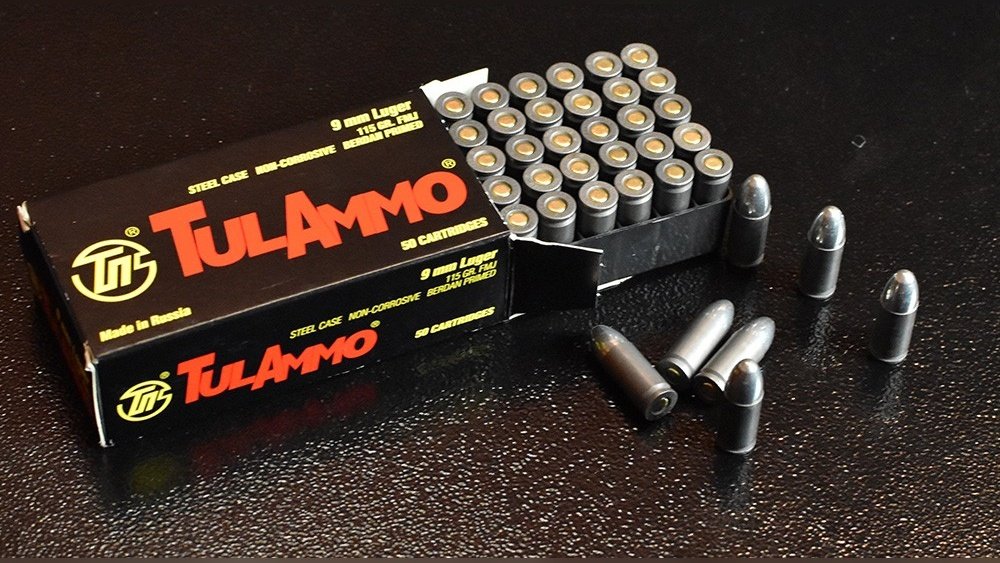
Steel-cased 9mm ammunition has become popular among shooters. It offers a budget-friendly option for target practice and training. Understanding its properties helps users make better choices. This section explains the basics of steel-cased 9mm ammo.
Steel cases differ from traditional brass cases. This difference affects performance and handling. Knowing why manufacturers use steel cases is important. It affects cleaning, storage, and shooting experience.
Material Differences
Steel cases are made from thin steel sheets. They often have a thin coating to prevent rust. Brass cases are made from copper and zinc alloy. Brass is softer and easier to reload. Steel is harder and less expensive.
Steel does not expand as well during firing. This can cause more wear on the gun’s chamber. Steel cases may leave more residue inside the barrel. This residue may require more frequent cleaning.
Why Steel Casings Are Used
Steel casings reduce manufacturing costs significantly. This makes ammo cheaper for buyers. They are strong enough for most shooting needs. Steel cases also help conserve brass resources.
Steel-cased ammo is common for military surplus and bulk ammo. Shooters use it for practice and training. The price savings often outweigh the downsides. Steel cases are less ideal for frequent reloading.

What Causes Ammo Corrosion
Ammo corrosion can ruin your ammunition over time. It happens when metal parts react with moisture and other elements. Understanding what causes corrosion helps in proper ammo care and storage.
Chemical Composition
Steel-cased 9mm ammo often uses steel instead of brass for the casing. Steel is prone to rust because it contains iron. Rust forms when iron reacts with water and oxygen. Some ammo uses coatings to protect the steel. But these coatings can wear off, exposing the steel to corrosion. The type of primer and powder can also affect corrosion. Corrosive primers contain salts that attract moisture. This moisture causes rust and damage to the ammo parts.
Environmental Factors
Humidity is a major cause of ammo corrosion. High moisture in the air speeds up rust formation on steel cases. Storing ammo in damp or wet places increases corrosion risk. Temperature changes cause condensation inside ammo boxes. This condensation brings moisture in contact with metal parts. Dust and dirt can trap moisture against the ammo surface. Poor ventilation worsens these effects. Keeping ammo in dry, cool, and clean places reduces corrosion chances.
Corrosiveness Of Steel-cased 9mm Ammo
Steel-cased 9mm ammo often raises questions about corrosion risks. Many shooters worry if these rounds cause rust inside their guns. Understanding the corrosiveness helps keep firearms clean and safe.
The main cause of corrosion is not the steel case itself. It depends mostly on the primer and powder used in the ammo. These elements leave residues that can harm your barrel and chamber.
Primer Types And Effects
Primers ignite the gunpowder inside the cartridge. Some use corrosive chemicals like potassium chlorate. These chemicals leave salts that attract moisture. Moisture leads to rust and corrosion in the barrel.
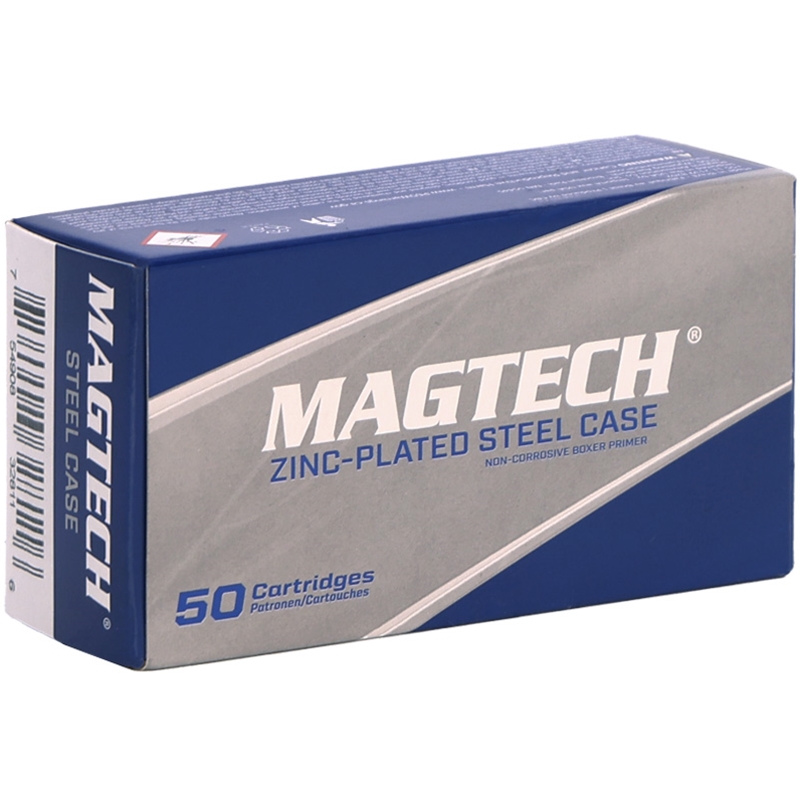
Non-corrosive primers use safer compounds. They leave less harmful residue. Steel-cased ammo can have either type. Always check the ammo details before buying.
Powder Residue Impact
Gunpowder burns and leaves residue inside the firearm. This residue can be acidic or alkaline. Acidic residues speed up corrosion on metal parts. Steel cases sometimes burn hotter, leaving more residue.
Cleaning the gun after shooting is vital. It removes powder and primer residues. This step prevents rust and keeps the firearm working well. Regular maintenance is key with steel-cased 9mm ammo.
Comparing Steel-cased And Brass-cased Ammo
Choosing between steel-cased and brass-cased 9mm ammo can affect your shooting experience. Each type has unique features that impact durability and corrosion risks. Understanding these differences helps in making the best choice for your needs.
Durability And Longevity
Brass cases are known for their strength and flexibility. They handle repeated use well and often can be reloaded multiple times. Steel cases are harder but less flexible. This makes them more prone to cracking after use. Brass usually lasts longer in storage without damage. Steel cases may dent or deform easier under pressure.
Corrosion Risks
Steel cases are more likely to rust over time. This happens because steel reacts with moisture and air. Brass is a copper alloy that resists corrosion better. Steel ammo often has a protective coating to reduce rust. Still, it is important to store steel-cased ammo in a dry place. Brass-cased ammo needs less special care to avoid corrosion.
Cleaning And Maintenance Tips
Cleaning and maintenance are key after using steel-cased 9mm ammo. This type of ammunition can leave residue that may cause rust or corrosion. Proper care helps keep your firearm safe and working well. Regular cleaning stops damage and extends the life of your gun.
Best Practices After Shooting
Start cleaning as soon as possible after shooting. Let your gun cool down before handling. Use a brush to remove powder and metal residue. Wipe all parts with a clean cloth. Check for signs of rust or corrosion. Pay close attention to the chamber and barrel. Dry all parts completely before reassembling. Store your gun in a dry place to avoid moisture.
Recommended Cleaning Products
Choose cleaning products made for firearms. Use a good quality bore cleaner to remove fouling. A nylon or bronze brush works well for scrubbing. Use gun oil to protect metal parts from rust. Avoid harsh chemicals that can damage finishes. Use patches or cloths designed for guns. Keep your cleaning kit organized for easy use.
Safe Storage For Steel-cased Ammo
Safe storage of steel-cased 9mm ammo is important to keep it reliable and long-lasting. Steel cases can be prone to rust because of the metal type. Proper care helps prevent damage and keeps the ammo ready for use.
Humidity Control
Humidity is the main cause of rust on steel-cased ammo. Store ammo in a dry place to avoid moisture buildup. Use a dehumidifier or moisture-absorbing packs inside storage containers. Check the storage area often to ensure it stays dry. Low humidity protects the metal cases from corrosion.
Proper Container Choices
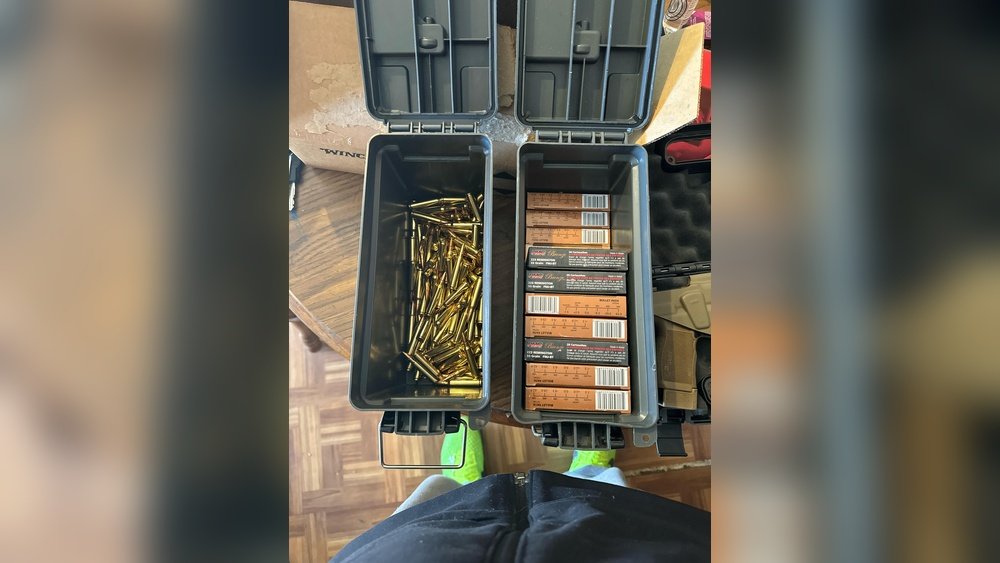
Choose containers that seal tightly to block air and moisture. Metal ammo cans with rubber gaskets work well. Plastic containers with airtight lids are also good options. Avoid cardboard boxes since they absorb moisture easily. Label containers clearly to keep track of your ammo stock. Proper containers create a safe environment for steel-cased ammo.
Common Myths About Steel-cased Ammo
Steel-cased 9mm ammo often faces many myths. These myths confuse shooters about its quality and safety. Some say it is always corrosive. Others believe it damages guns quickly. This section clears up common myths about steel-cased ammo. It helps you understand what is true and what is not.
Fact Vs Fiction
Many shooters think steel-cased ammo is always corrosive. This is not true. Corrosive ammo means the primer contains chemicals that cause rust. Some steel-cased ammo uses corrosive primers, but many do not. The steel case itself does not cause corrosion. Proper cleaning after shooting prevents rust. Steel cases can be strong and reliable. They are often less expensive than brass cases. Myths about steel-cased ammo being bad for guns are mostly fiction.
Expert Opinions
Gun experts say steel-cased ammo varies by brand. Some brands use corrosive primers; others use non-corrosive. Experts advise checking the ammo label or manufacturer details. They recommend cleaning guns well after shooting steel-cased ammo. Proper maintenance keeps guns safe and working well. Experts do not warn against steel cases but about primer type. Many shooters successfully use steel-cased ammo without problems. Listening to expert advice helps shooters make smart choices.
Frequently Asked Questions
Is Steel-cased 9mm Ammo Corrosive?
Steel-cased 9mm ammo is generally non-corrosive. Modern manufacturers use non-corrosive primers. However, always verify specific brand details before use. Cleaning firearms after shooting is recommended to prevent any residue buildup.
How To Identify Corrosive 9mm Ammunition?
Corrosive ammo often contains potassium or sodium compounds in primers. Check manufacturer labels or consult trusted sources. Corrosive ammo may leave a white, powdery residue after firing. Proper firearm cleaning after use is essential to avoid corrosion.
Can Steel-cased Ammo Damage Your Firearm?
Steel-cased ammo is harder than brass and can cause more wear. It may increase barrel and chamber wear over time. Proper cleaning and maintenance minimize damage risks. Using quality ammo reduces potential firearm issues.
Does Steel Casing Affect Ammunition Performance?
Steel casing is less malleable than brass but generally reliable. It may cause more fouling in the barrel. Steel cases are often coated to prevent rust and corrosion. Performance is usually consistent for most shooting needs.
Conclusion
Steel-cased 9mm ammo is usually non-corrosive. It uses primers that do not cause rust or damage. Still, cleaning your gun after shooting is important. Dirt and residue can build up over time. Regular cleaning keeps your firearm working well. Choose ammo carefully based on your needs.
Understanding ammo types helps protect your gun. Stay safe and enjoy shooting responsibly.