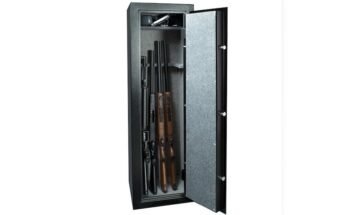
Are you wondering if you can move your rifle safe without a hassle? Whether you’re shifting to a new home or just rearranging your space, the idea of relocating a heavy, bulky safe can feel overwhelming.
But it doesn’t have to be that way. You’ll discover practical tips and essential insights to make moving your rifle safe easier and safer. Keep reading to find out how to protect your valuable firearms while making the process smooth and stress-free.
Factors Affecting Safe Relocation
Moving a rifle safe can be tricky. Several factors affect how easy or hard the relocation will be. Knowing these factors helps plan the move safely and smoothly. Here are key points to consider before shifting your rifle safe.
Safe Size And Weight
Larger safes weigh more. Heavy safes need more people or special tools to move. Small safes may be carried by one or two people. Check the size and weight to avoid injury or damage. Measure doorways and hallways to ensure the safe fits during the move.
Construction Materials
Steel safes are very heavy and solid. Wooden or composite safes may be lighter but less secure. Thicker steel means more weight and harder handling. Some safes have fireproof insulation that adds to the weight. Knowing the material helps decide the best moving method.
Contents Inside The Safe
Removing items inside the safe makes it lighter and safer to move. Guns, ammo, and valuables add extra weight and risk damage. Emptying the safe reduces the chance of items shifting during transport. Always clear the contents before moving to protect both the safe and its contents.
Preparing For The Move
Moving a rifle safe requires careful preparation. It is important to take steps before relocating the safe. These steps help protect the safe and its contents. Planning makes the move smoother and safer.
Emptying The Safe
First, remove all firearms and ammunition. Take out any other valuables or documents inside. This reduces weight and prevents damage. Emptying the safe also makes it easier to move.
Disassembling Components
Check if the safe has removable shelves or parts. Take out shelves, drawers, or interior panels if possible. Removing parts lowers the risk of damage during transport. Keep all small components in a labeled bag for reassembly.
Gathering Necessary Tools
Prepare tools needed for moving the safe. You may need screwdrivers, wrenches, or pliers. Have moving blankets and straps ready to protect the safe. Using the right tools helps avoid damage and injury.
Safe Moving Techniques
Moving a rifle safe requires careful planning and the right techniques. Proper handling ensures safety and protects your valuable items inside. Following safe moving methods reduces the risk of injury and damage to the safe or your home.
Using Proper Lifting Methods
Always lift with your legs, not your back. Keep your back straight and bend your knees. Avoid twisting your body while lifting. Get help from another person if the safe is heavy. Use gloves to improve your grip and protect your hands.
Employing Moving Equipment
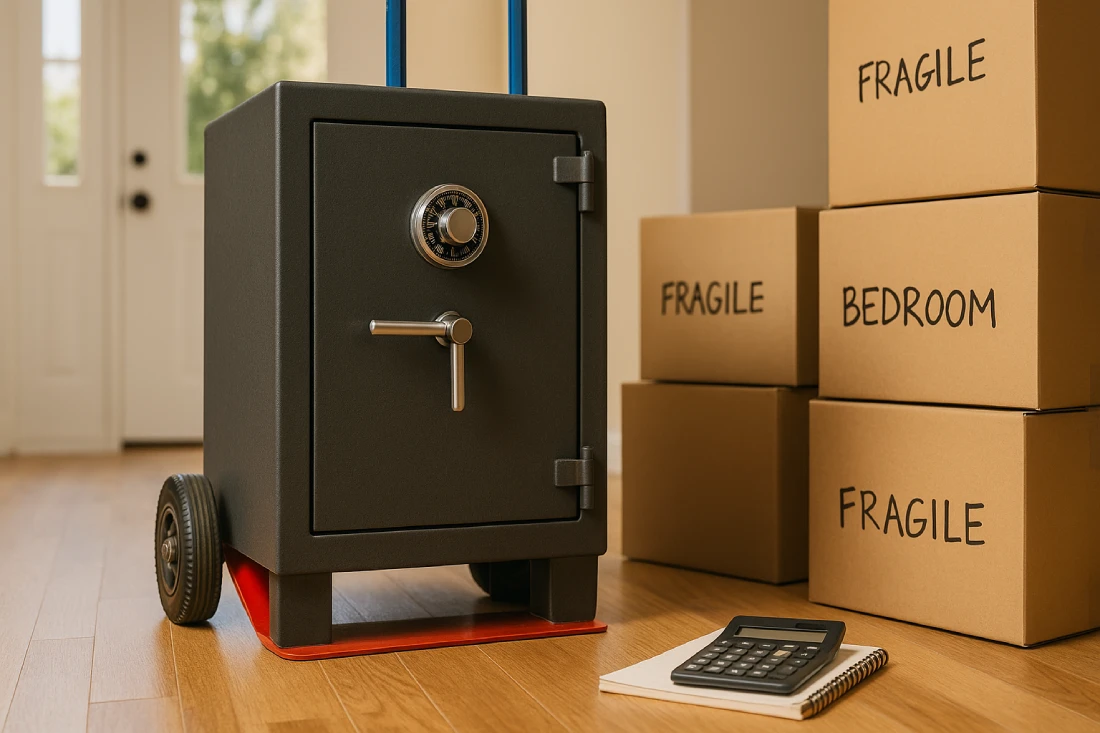
Dollies and hand trucks make moving easier and safer. Use a heavy-duty dolly designed for large items. Secure the safe on the dolly with straps. Moving blankets protect walls and floors from scratches. Consider using furniture sliders for short moves inside the house.
Securing The Safe During Transport
Strap the safe tightly in the moving vehicle. Use ratchet straps to prevent shifting during transport. Place the safe on a flat, stable surface in the vehicle. Fill gaps with padding or blankets to stop movement. Check straps regularly to ensure they stay tight.
Choosing The Right Location
Choosing the right location for your rifle safe is important. It affects safety, ease of use, and the condition of your firearms. A good spot keeps your rifles secure and ready when you need them. Consider key factors before moving or placing your safe.
Accessibility And Security
Place the safe where you can reach it quickly in an emergency. Avoid hiding it too well or making it hard to open. At the same time, keep it away from obvious places like the front door. The spot should protect your rifles from theft and unauthorized access. Balance ease of use with strong security.
Environmental Considerations
Keep the safe away from damp or hot areas. Moisture can cause rust on your rifles. Avoid basements or rooms without good airflow. Choose a dry, cool spot with stable temperature. Use a dehumidifier inside the safe if needed. This helps keep your firearms in good condition.
Space And Placement
Make sure the area has enough room for the safe and for you to open it fully. Avoid tight corners or cramped spaces. The floor must support the safe’s weight. Place it on a solid, level surface. Consider future moves too. Pick a spot that suits your home layout and lifestyle.
Reinstalling And Securing The Safe
Reinstalling and securing a rifle safe requires careful steps. The goal is to keep the safe stable and secure after moving. This protects your firearms and prevents theft or damage. Proper reinstallation ensures the safe stays in place and works well.
Anchoring Methods
Anchoring the safe prevents it from tipping or sliding. Use bolts made for concrete or wood floors. Choose the right anchors for your floor type. Drill holes carefully to avoid damaging the safe. Tighten bolts firmly to hold the safe in place. This adds strong protection against theft or accidents.
Lock And Mechanism Checks
Check the lock and opening mechanism after reinstalling. Make sure the lock turns smoothly and the door closes tight. Test electronic locks for battery life and response. Mechanical locks need lubrication and inspection for rust or damage. Fix any problems before using the safe again. This keeps your firearms secure and the safe functional.
Maintaining Safe Integrity
Keep the safe’s structure strong after moving it. Avoid dropping or bumping the safe during relocation. Inspect the safe for dents, scratches, or broken parts. Replace damaged parts to keep the safe reliable. Store the safe in a dry area to prevent rust. Regular maintenance helps the safe last longer and protect your guns well.
Common Challenges And Solutions
Moving a rifle safe is not always simple. Many challenges can arise during relocation. Knowing common problems and their solutions helps make the move smoother. Below are typical issues and ways to handle them carefully and safely.
Dealing With Heavy Safes
Rifle safes are often very heavy. This weight makes lifting and moving difficult. Using dollies or hand trucks reduces strain on your body. Ask for help from friends or hire professionals to avoid injury. Planning the path before moving helps avoid sudden stops or drops.
Preventing Damage During Move
Scratches, dents, or broken locks can happen during transport. Wrap the safe in moving blankets or thick towels for protection. Secure it tightly in the vehicle to prevent shifting. Take extra care when passing through doorways or tight spaces.
Handling Unexpected Obstacles
Stairs, narrow halls, and uneven floors create obstacles. Measure door sizes and hallways before moving. Remove doors from hinges if needed to create space. Use ramps for steps or hire movers with special tools to manage tricky spots.
When To Hire Professionals
Moving a rifle safe is not always simple. These safes are heavy and bulky. Sometimes, trying to move them alone can cause damage or injury. Knowing when to hire professionals helps protect your belongings and yourself. Experts have the right tools and experience to move safely and efficiently.
Benefits Of Expert Movers
Professional movers handle heavy items with care. They use special equipment to lift and carry safely. Experts reduce the risk of damage to the safe and your property. They also save time and effort. Professionals work quickly and avoid common moving problems.
Cost Considerations
Hiring experts costs money, but it can save more in the long run. Avoid repairs from damage or injury by paying for safe moving. Some companies offer affordable rates and quotes. Consider the value of your safe and what it holds. Spending on professionals is often worth the peace of mind.
Finding Reliable Services
Search for moving companies with good reviews and experience. Ask about their handling of heavy safes and insurance coverage. Check credentials and ask for references. Choose movers who understand the care needed for rifle safes. Reliable services provide clear pricing and show professionalism.

Frequently Asked Questions
Can Rifle Safes Be Moved Without Professional Help?
Yes, smaller rifle safes can often be relocated without professionals. Larger safes may require expert assistance to avoid damage or injury. Always plan the move carefully and use proper equipment for safety.
How Heavy Are Typical Rifle Safes To Relocate?
Rifle safes usually weigh between 100 to 300 pounds. Weight varies by size and material. Knowing the weight helps determine if professional movers or multiple people are needed.
What Tools Are Needed To Relocate A Rifle Safe?
Moving a rifle safe often requires a dolly, straps, and gloves. Proper tools ensure safe handling and prevent damage. Planning the route in advance also helps avoid obstacles.
How To Prepare A Rifle Safe Before Moving?
Empty your rifle safe completely before moving. Remove shelves and contents to lighten weight and prevent shifting. Secure the door tightly to avoid it swinging open during relocation.
Conclusion
Rifle safes can be moved, but the ease depends on size and weight. Small safes are easier to carry and relocate. Large safes may need extra help or equipment. Plan carefully to avoid damage or injury. Always secure the safe during transport for safety.
Proper preparation makes moving a rifle safe less stressful. Choose the right method based on your safe’s size and location. Moving a rifle safe is possible with the right approach.