Yes. Most carbine safes can be bolted to the floor for better security and stability.
If you own a carbine safe, you want it to resist a smash-and-grab. You also want it to stay put during daily use. This guide explains Can carbine safes be bolted to the floor in plain terms. I will share field tips, real examples, and clear steps you can follow today.

What “bolting to the floor” really means
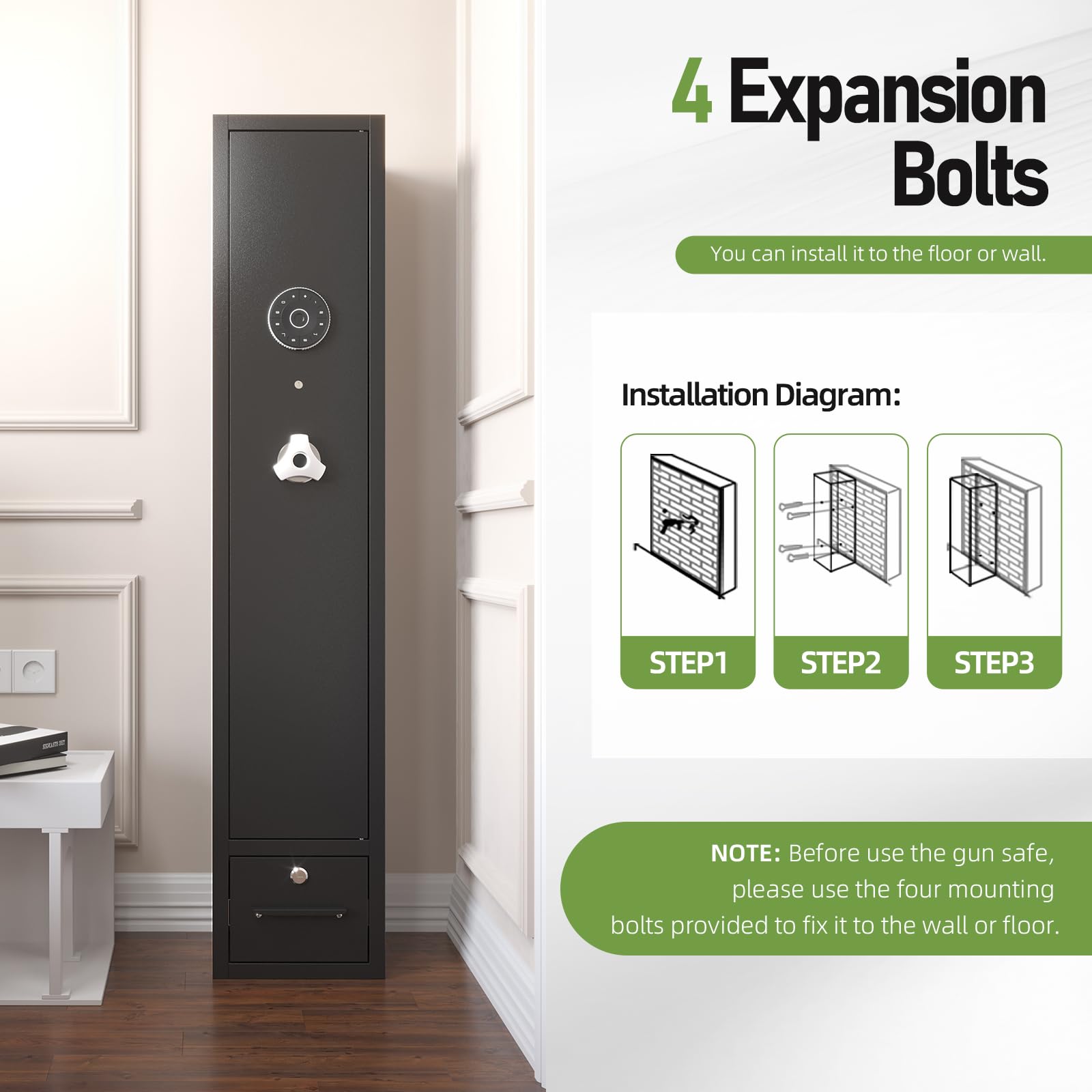
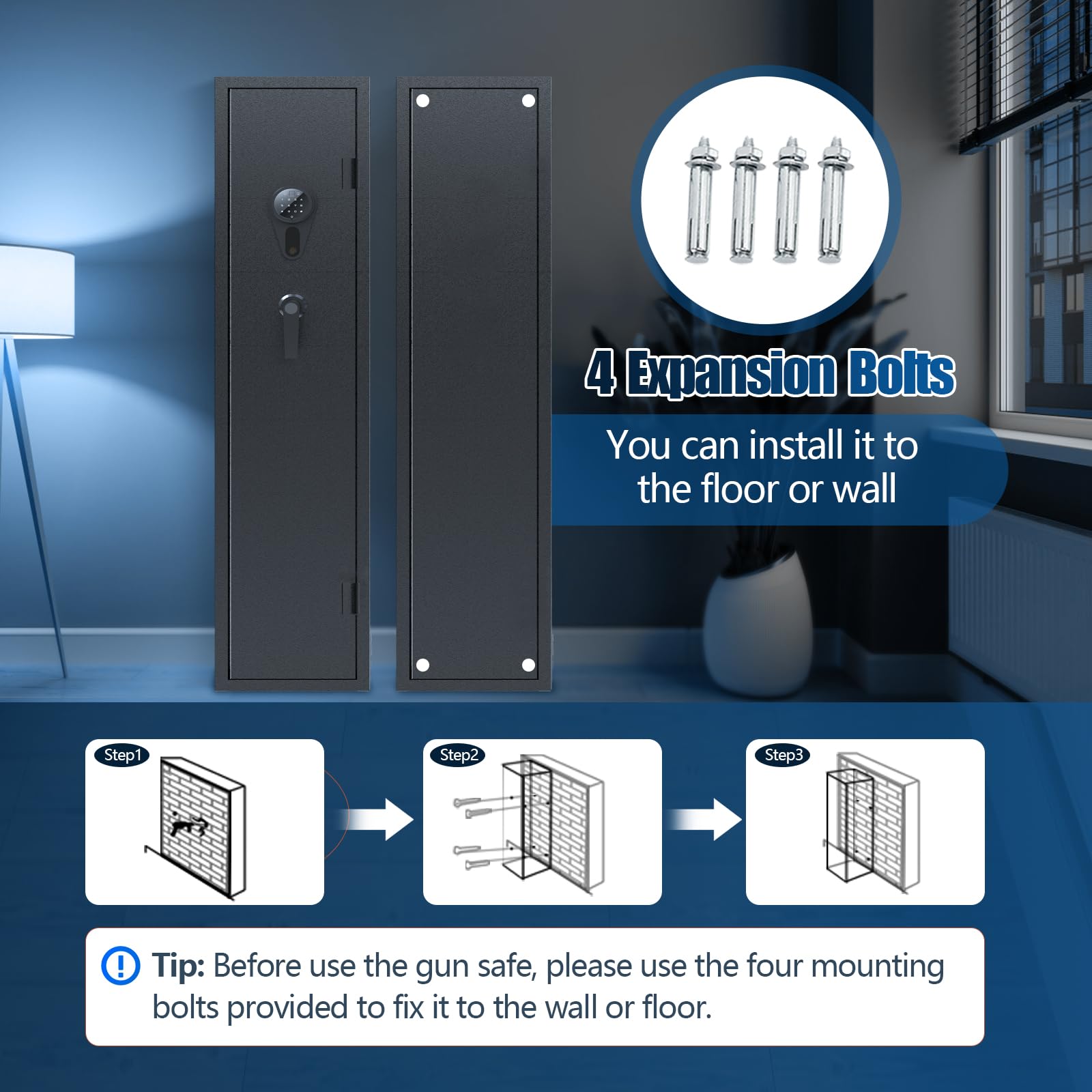
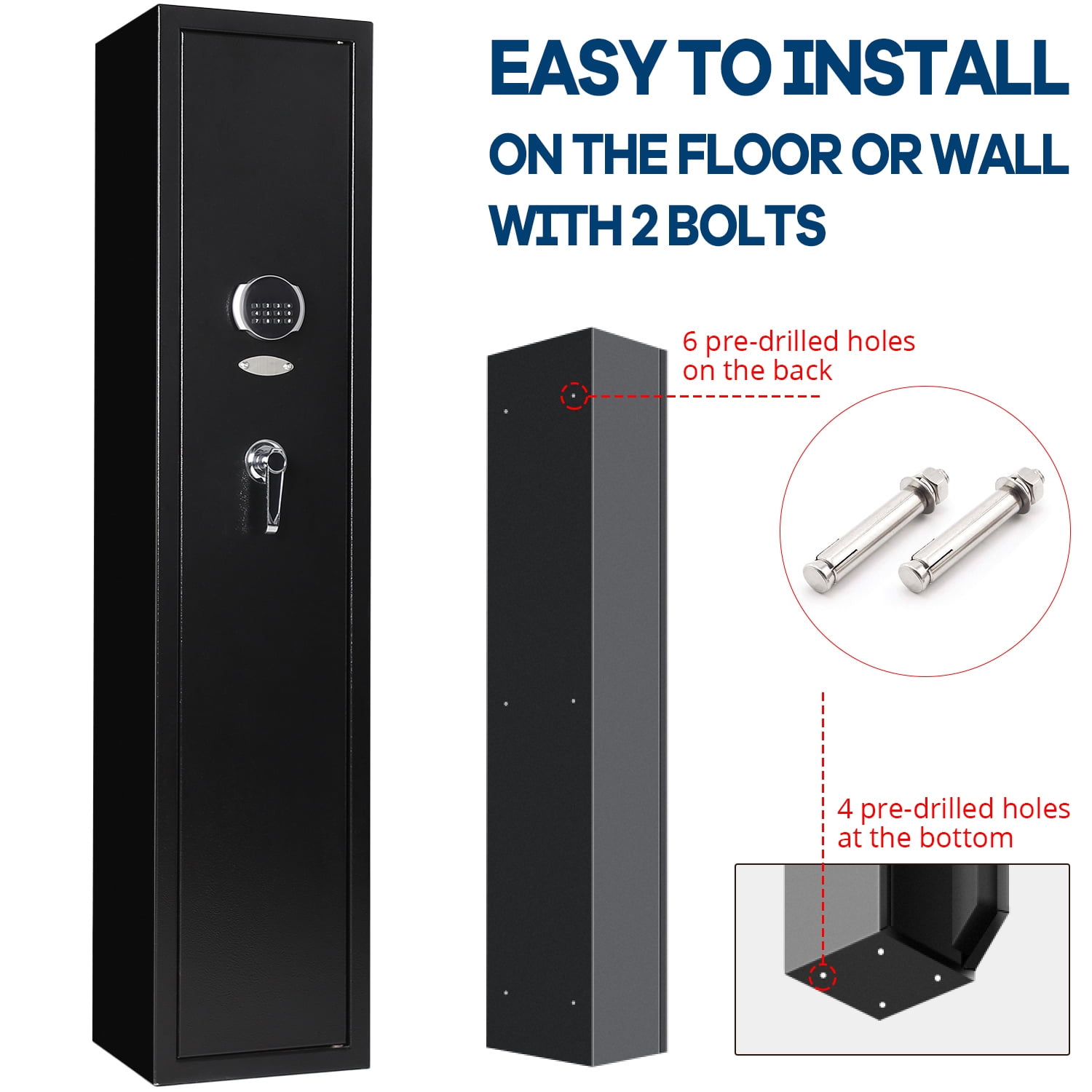
Can carbine safes be bolted to the floor? Yes, when the maker allows it and the floor can take anchors. Many safes come with pre-drilled holes in the base. This makes install fast and clean. You use anchors that fit the floor type, and torque them to spec.
The goal is to stop tipping, prying, and easy carry-outs. Anchors also help the safe ride out small quakes or hard bumps. Done right, it adds major resistance with a small cost. Can carbine safes be bolted to the floor in a rental? Often yes, but you should ask first and follow rules.
Why bolting a carbine safe matters
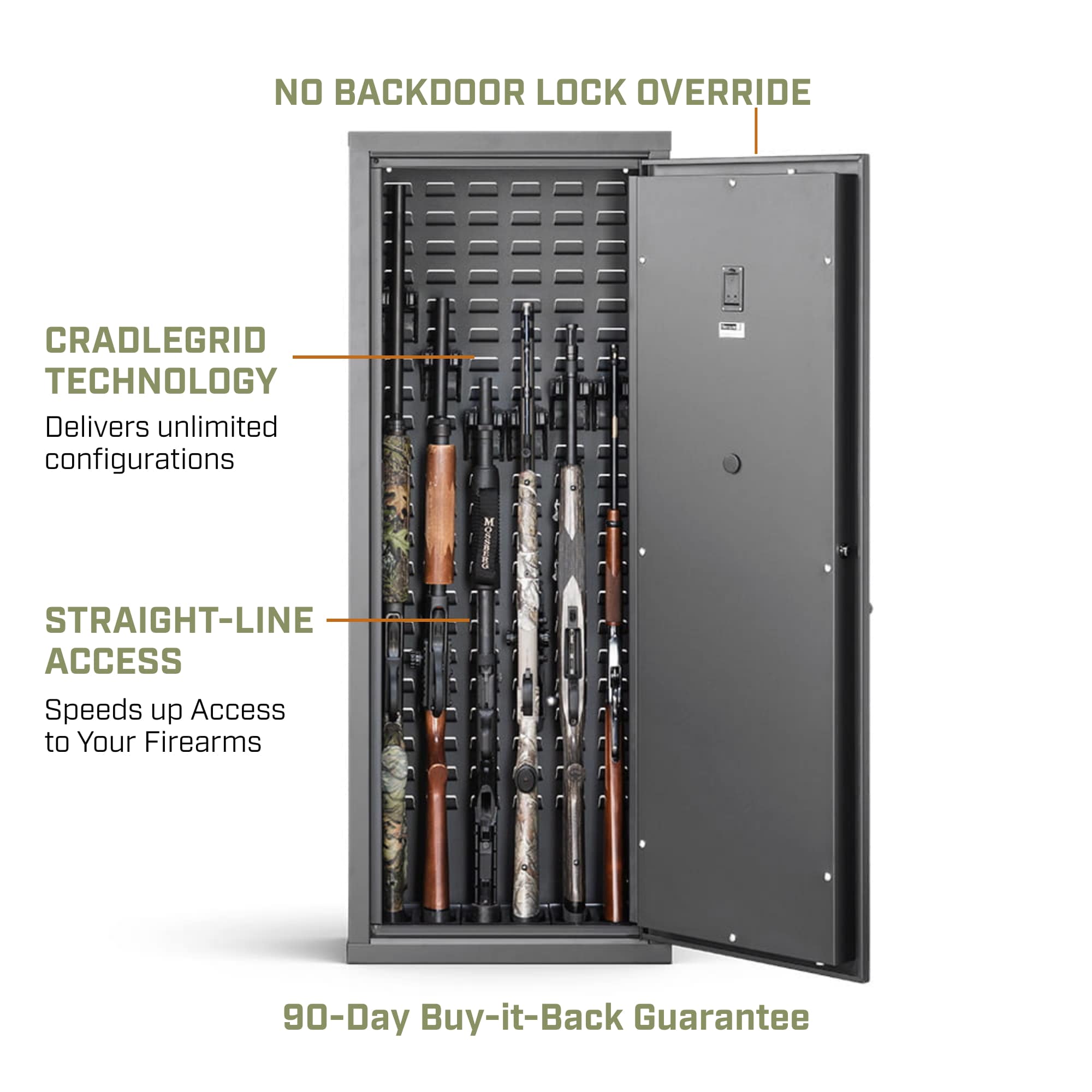
A thief wants speed. If the safe moves, they can pry easier or drag it away. Bolts slow them down a lot. In many theft reports, unanchored safes are the first to go. Anchors add weight in place, which kills quick grabs.
Anchors also help daily use. The safe does not rock when you open the door. It stays square for the lock and bolts. Many brands even say to bolt it for best performance. Can carbine safes be bolted to the floor to meet rules? In some states, yes, it helps with storage rules.
Floor types and the right anchors
Can carbine safes be bolted to the floor on any surface? You can, but the method changes. Pick anchors by floor type. Use the right drill bit and follow the torque spec.
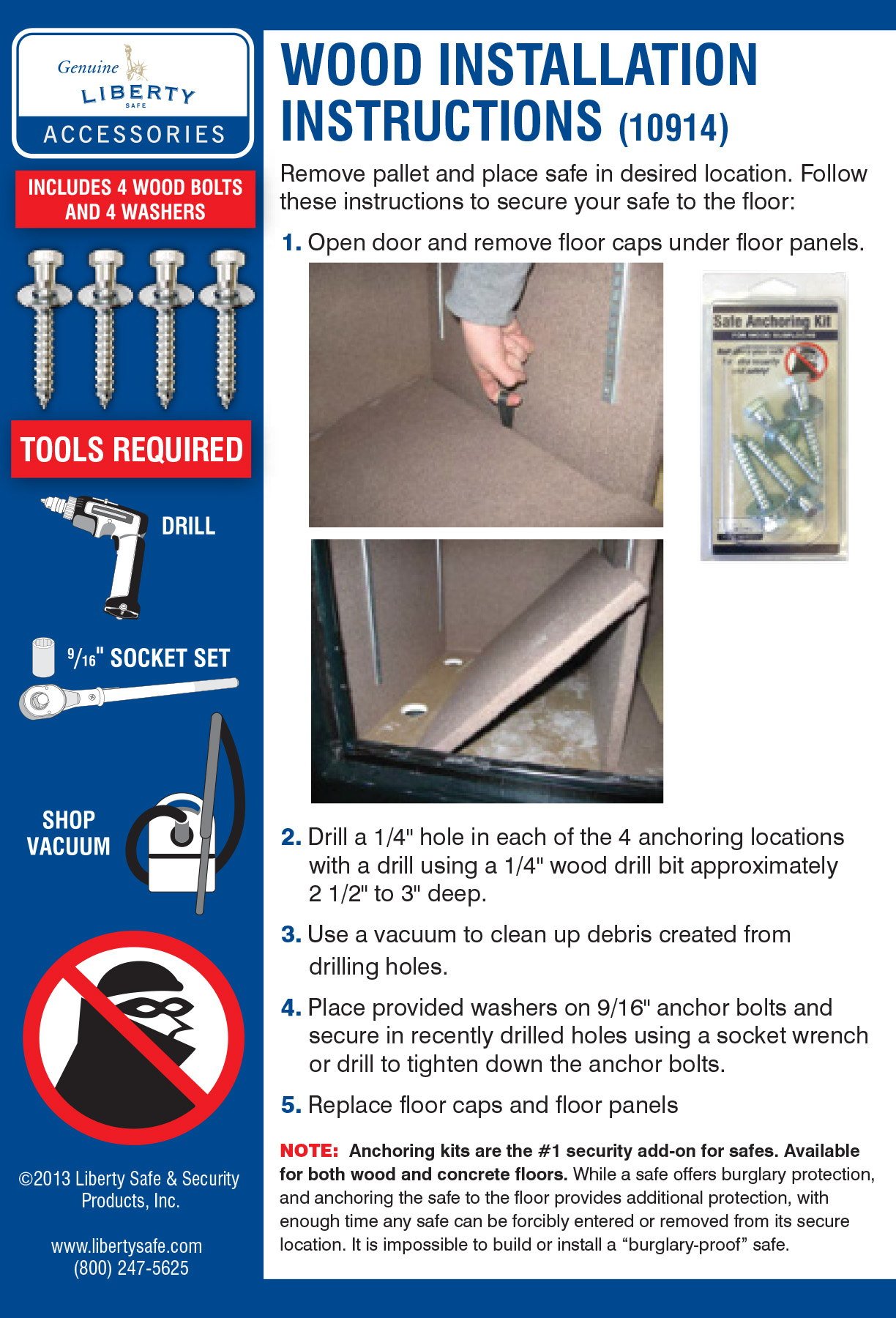
- Concrete slab: Use wedge anchors or sleeve anchors. Common sizes are 3/8 inch or 1/2 inch. Drill to depth, vacuum dust, then set the anchor.
- Wood subfloor over joists: Use long lag bolts into a joist or blocking. Add a steel base plate to spread the load.
- Tile over concrete: Tape the tile, use a masonry bit, go slow, and then set a sleeve anchor.
- Tile over wood: Pre-drill tile with a tile bit, then switch to a wood bit for the subfloor. Hit a joist.
- Post-tension slabs or radiant heat: Stop and scan first. Call building management or use a scanner. Do not drill until you map cables or lines.
Tip from the field: I keep a set of anchors on hand and test fit with the safe off to the side. I also dry-run the bolt alignment through the safe’s base holes.

Step-by-step: How to bolt a carbine safe to the floor
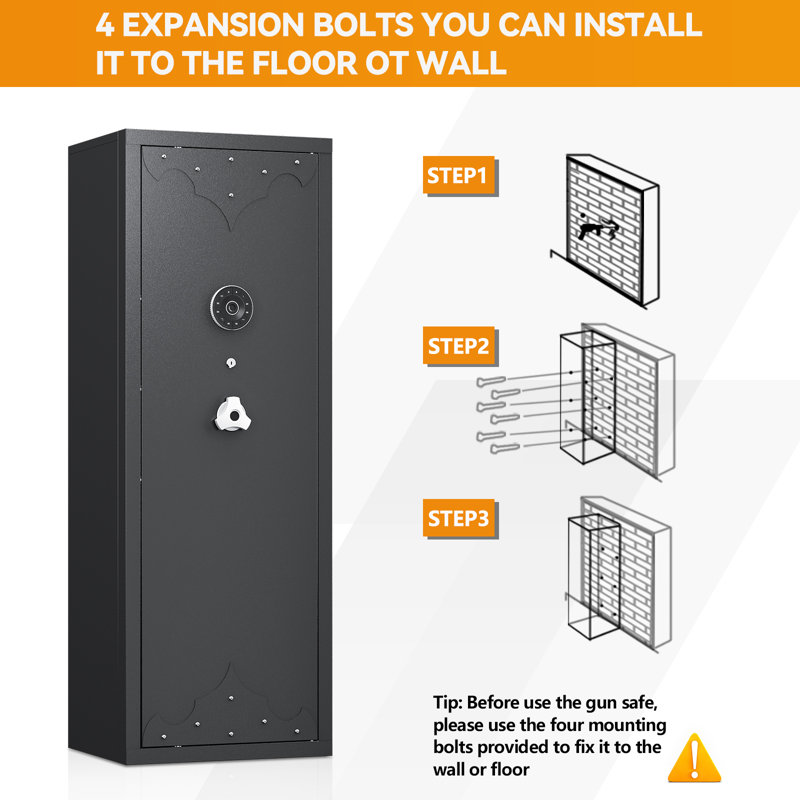
Can carbine safes be bolted to the floor by a DIY owner? Yes, if you work slow and plan. Here is a simple process I use on installs.
- Choose the spot. Pick a corner, closet, or wall line to limit prying angles.
- Check what is below. Find joists, pipes, wires, or tension cables.
- Mark holes. Use the base holes in the safe to mark the floor.
- Move the safe aside. Drill pilot holes for wood or full-size holes for concrete.
- Vacuum dust. Clean holes with a brush and vacuum for best hold.
- Set anchors. Install wedge or sleeve anchors in concrete. For wood, use lag bolts later through the safe.
- Reposition the safe. Align holes. Drop bolts through the safe base.
- Torque to spec. Use a torque wrench if given. Snug is not enough.
- Test stability. Try to rock the safe. It should not move.
- Seal if needed. Use a small bead of silicone to keep dust out.
Safety notes:
- Wear eye and ear protection.
- Use the right bit size for the anchor.
- Lift with help or use a dolly. Safes are heavy and awkward.

Pros and cons of bolting to the floor
Can carbine safes be bolted to the floor without trade-offs? There are a few. Here is a quick view.
Pros:
- Strong theft deterrent
- Safer daily use with no tipping
- Often required by makers for best practice
Cons:
- May void a lease if you do not ask
- Can mark floors
- Needs tools and time
One client tried to skip anchors and used only shims. The safe slid during a break-in test. After anchors, the same safe stayed put.
Legal, warranty, and compliance notes
Can carbine safes be bolted to the floor under most rules? Yes, but check local laws and lease terms. Some areas have storage rules for firearms. While a carbine safe is not a vault, anchoring improves safety.
Many maker manuals say to bolt the safe. Some carry warranty notes that assume proper install. Industry standards for Residential Security Containers recommend anchoring. Law enforcement theft data also shows unanchored safes get removed fast. Keep your receipt, your anchor specs, and a few photos of the install.
In a rental, send a short note to your landlord. Offer to repair holes on move-out. Use a base plate to reduce damage. Keep it friendly and clear.
What if you cannot drill the floor?
Can carbine safes be bolted to the floor if drilling is banned? You still have options. These do not match concrete anchors, but they help.
- Use a steel base plate: Bolt the safe to a wide plate that spreads force under furniture.
- Add weight: Sandbags or gym plates inside raise the carry weight.
- Bolt to a wall stud: Use lag bolts into studs through the rear holes. Use two studs if you can.
- Use adhesive anchors: Epoxy set anchors in concrete can work. Follow cure times.
- Use a closet corner: Two tight walls limit pry bars.
- Add a tether: A high-grade cable to a wall plate adds one more layer.
I have used wall-only anchors in rentals with no-drill floors. I add weight and a corner spot for best effect.
Common mistakes to avoid and pro tips
Can carbine safes be bolted to the floor without mishaps? Yes, if you avoid these common errors.
Mistakes to avoid:
- Drilling into radiant heat or post-tension cables
- Using undersized anchors or shallow holes
- Skipping hole cleanup, which weakens the hold
- Mounting on a weak subfloor with no joist or blocking
Pro tips:
- Add a thin rubber mat between the safe and floor to cut vibration and protect finish.
- Use washers or a reinforcement plate inside the safe for a larger clamp area.
- Store heavy items low. This lowers the center of gravity and reduces tip risk.
One install had a tile crack due to a dull bit and too much force. A sharp bit and tape over the mark would have saved it.
Tools, time, and cost
Can carbine safes be bolted to the floor with basic gear? Yes. Most jobs need simple tools and low-cost hardware.
You will need:
- Drill and correct bits for concrete or wood
- Vacuum, brush, and tape
- Anchors or lag bolts, washers, and a socket set
- Level, marker, and a dolly or help to lift
Time and cost:
- Time: 45 to 90 minutes for most installs
- Cost: 15 to 40 dollars for anchors and bits
- Pro install: 100 to 250 dollars in many areas
Budget a bit more for tile or tricky access. Take your time and test each step.
Frequently Asked Questions of Can carbine safes be bolted to the floor
Can carbine safes be bolted to the floor in an apartment?
Yes, often with permission. Use a base plate, hit joists if possible, and agree on patching.
Can carbine safes be bolted to the floor over radiant heat?
It is risky. Map the lines with a scanner or building plans, or choose a wall mount instead.
Can carbine safes be bolted to the floor without pre-drilled holes?
Yes, but check the warranty. Many safes have marked spots. Drilling outside those can cause damage.
Can carbine safes be bolted to the floor using epoxy anchors?
Yes for concrete, if you follow cure times. Epoxy anchors can match or beat wedge anchors when done right.
Can carbine safes be bolted to the floor and also to a wall?
Yes, and it is a great combo. Floor plus wall limits pry angles and adds hold power.
Can carbine safes be bolted to the floor with 3/8 inch anchors?
Yes, 3/8 inch is common. Confirm with the maker and the safe weight for best size.
Can carbine safes be bolted to the floor on a second story?
Yes, into joists or blocking. Spread the load with a plate and follow building limits.
Conclusion
Can carbine safes be bolted to the floor? Yes, and you should if your space allows it. It is one of the biggest security gains for the lowest cost. Use the right anchors for your floor, work slow, and document the job.
Take the next step today. Pick your spot, gather tools, and plan the install. If you found this guide useful, share it with a friend, or drop a question in the comments.