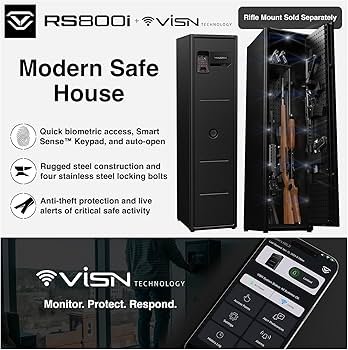
Yes: Do carbine safes protect from theft when quality, well anchored, and used right.
If you own a carbine, you want fast access and real security. I’ve tested and installed many gun safes in homes and shops. In this guide, I answer Do carbine safes protect from theft with clear data, hands-on tips, and simple steps you can trust.
What a Carbine Safe Is and Why It Matters
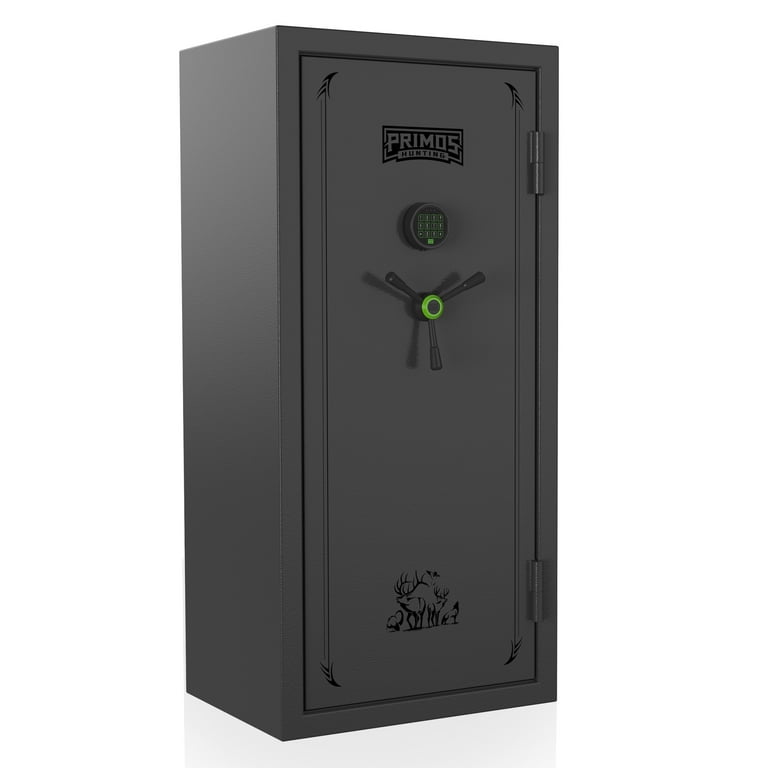
A carbine safe is a compact gun safe sized for short rifles and carbines. It is often slimmer and lighter than a full-size rifle safe. Some models mount in closets, trucks, or beside a bed for quick reach.
This size makes sense for space and speed. But size can also cut steel thickness and lock strength. That is why build quality, anchoring, and ratings matter more than fancy features.
Look for these core traits:
- Solid steel body with minimal seams to resist prying.
- Mechanical or quality electronic lock with a hard plate.
- Solid bolt work and a tight door gap to stop crowbars.
- Bolt-down points that match your floor or wall structure.

How Thieves Actually Attack Safes
Most smash-and-grab thieves act fast. They want easy wins in minutes, not hours. They target weak points and poor setups.
Common attack methods:
- Prying the door at the corners using bars or large screwdrivers.
- Carrying off the safe if it is not bolted down.
- Drilling the lock or hinge area on thin metal boxes.
- Attacking the back or bottom panel where steel is often thinner.
- Using small power tools when time and noise allow.
If the safe is light and loose, the fight is short. If it is heavy, anchored, and tight, thieves often give up or move on.
Do carbine safes protect from theft: how protection actually works
The big question is simple: Do carbine safes protect from theft? Yes, when the safe is built to resist prying and is bolted to a solid base. No safe is perfect, but a well-chosen unit can buy time and stop most quick attacks.
Independent ratings help. The Residential Security Container rating (often called RSC) tests a safe against a focused hand-tool attack for a set time window. Many good carbine safes meet RSC. Some also meet state gun safe standards for locks and steel. These tests do not cover every tool, but they tell you the safe is not a thin cabinet.
Think in layers. Do carbine safes protect from theft best when paired with anchoring, alarms, cameras, and good hiding spots. Thieves hate time, noise, and risk.

Key Features That Improve Theft Resistance
Do carbine safes protect from theft when they look like a cabinet? Not really. The right features make the real difference.
Key features to seek:
- Steel thickness you can verify, often 12 gauge or thicker for the body.
- A formed door with reinforcing bends to stop flex and prying.
- A hard plate and re-locker that protect the lock from drilling.
- A quality mechanical dial or a reputable electronic lock.
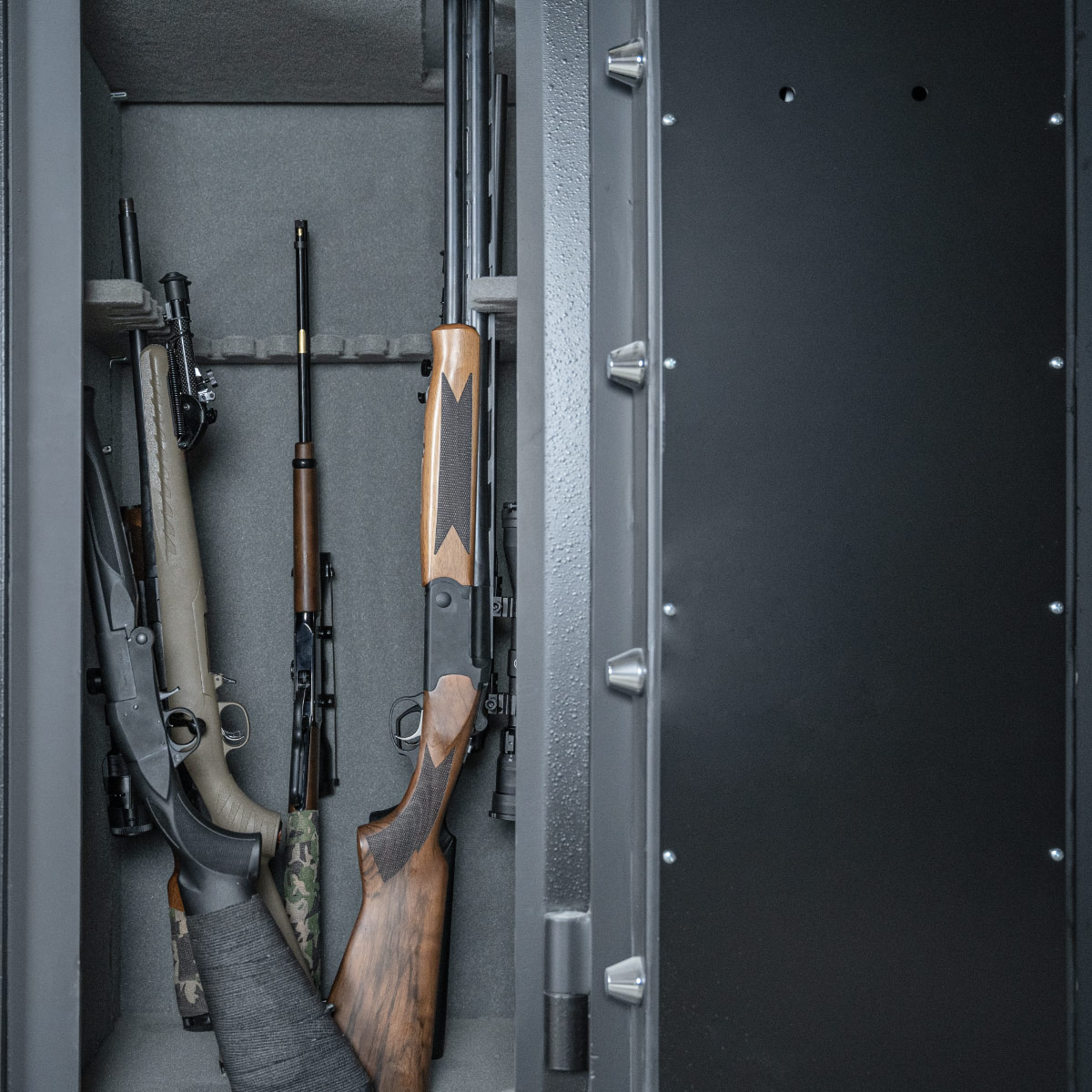
- Four or more solid locking bolts with a tight door fit.
- Pre-drilled anchor holes and included hardware.
- A recessed door and anti-pry tabs at the frame.
- A finish that does not scream “gun safe” in plain view.
Installation and Anchoring Best Practices
Good install work doubles your security. Do carbine safes protect from theft far better when they cannot be moved.
Follow these steps:
- Pick a low-traffic, low-visibility spot, like a closet corner.
- Bolt to concrete with wedge anchors, or to floor joists with lag screws.
- Use all available anchor holes, not just two.
- Add a steel base plate or backing board if floors are weak.
- Place the hinge side against a wall to block pry leverage.
- Keep the door swing clear so the bolts seat fully every time.
A well-anchored safe feels like part of the house. That changes the odds.

Real-World Ratings, Tests, and What I’ve Seen
In my work, I see a clear pattern. Light cabinets fail fast. RSC-rated safes with good steel hold up, especially when bolted down. I once inspected a break-in where a cheap cabinet was torn open in minutes. The same home later used a mid-tier RSC carbine safe, anchored to concrete. A second break-in came and went. The safe survived, untouched.
Industry tests show tool limits and time limits. The RSC test is short but strict on leverage attacks. Higher-end TL ratings use more tools and longer time, but most carbine safes are not in that class. The point stands: ratings plus anchoring beat raw size or fancy paint.
Common Mistakes That Cost You Security
Do carbine safes protect from theft only if you avoid common errors. These are the big ones I see over and over.
Mistakes to avoid:
- Buying a thin cabinet and calling it a safe.
- Skipping the anchors or using short, weak screws.
- Placing the safe in plain sight by the front door or garage.
- Trusting cheap biometric locks that fail with low batteries.
- Ignoring door gap and bolt engagement during setup.
Small fixes here have a big payoff.

Buying Checklist and Smart Recommendations
When you shop, slow down and verify. Your goal is to buy time, resist prying, and stop easy carry-offs.
Use this checklist:
- Confirm an RSC rating or equivalent independent test.
- Ask for steel gauge on body and door, not just “heavy-duty.”
- Check door stiffness, bolt count, and frame design.
- Choose a respected lock brand you can service.
- Demand robust anchor points and hardware.
- Favor simple, proven layouts over gimmicks.
- Match size to your carbine and mags without wasting space.
- Read real user reports on prying and install success.
Do carbine safes protect from theft when you follow this list? You bet. Good specs plus a clean install deliver real gains.
Maintenance and Daily Use Tips
Security is a habit. Treat your safe like a tool, not a trophy.
Simple upkeep:
- Test the lock and bolts monthly. Fix any drag at once.
- Keep spare batteries or a backup key in a different secure spot.
- Lube bolts and hinges lightly as the maker suggests.
- Update your safe plan with alarms, lighting, and cameras.
- Practice fast, safe access so you do not leave the door open.
Do carbine safes protect from theft over years? Yes, if you keep them tight and in good shape.
Frequently Asked Questions of Do carbine safes protect from theft
What rating should I look for in a carbine safe?
Aim for an RSC rating at minimum. It shows the safe passed a timed, tool-based break-in test that stops most quick attacks.
Is steel thickness more important than the lock?
Both matter. Thin steel bends under pry force, and a weak lock invites drill attempts, so balance them with a solid frame.
Should I bolt the safe to the wall or the floor?
The floor is best, ideally concrete. If that is not possible, bolt to both wall studs and the floor for stronger hold.
Are biometric locks reliable for carbine safes?
Quality units work well if you keep clean fingers and fresh batteries. Keep a backup open method ready in case of failure.
Can thieves still steal a bolted safe?
It is rare with strong anchors and a tucked-away install. Most thieves lack time, tools, and nerve for that kind of job.
Does hiding the safe matter if it is rated?
Yes. Hiding cuts discovery, reduces attack time, and pairs well with alarms. Layers of security work better together.
Do carbine safes protect from theft in apartments?
They can with wall and floor anchors into joists, plus a stealthy spot. Pair with a monitored alarm to offset thin walls.
Conclusion
A carbine safe can be a real theft deterrent when it is well built, well rated, and well anchored. The right features and a smart install turn minutes into a hard, noisy fight that most thieves will not take on. That is the gap you need to protect what matters.
Take action today. Use the checklist, verify ratings, and set solid anchors. If you found this useful, subscribe for more hands-on security guides or drop a question so I can help you pick the right safe.