If you own a gun safe, you know how important it is to protect your firearms from damage. One common threat is moisture, which can cause rust and corrosion.
But how do you know if condensation is building up inside your safe? That’s where a hygrometer comes in. You might be wondering: can a hygrometer actually detect condensation in your gun safe? Understanding this could save your valuable collection from costly damage.
Keep reading to discover how a hygrometer works and why it might be your best tool for keeping your guns safe and dry.
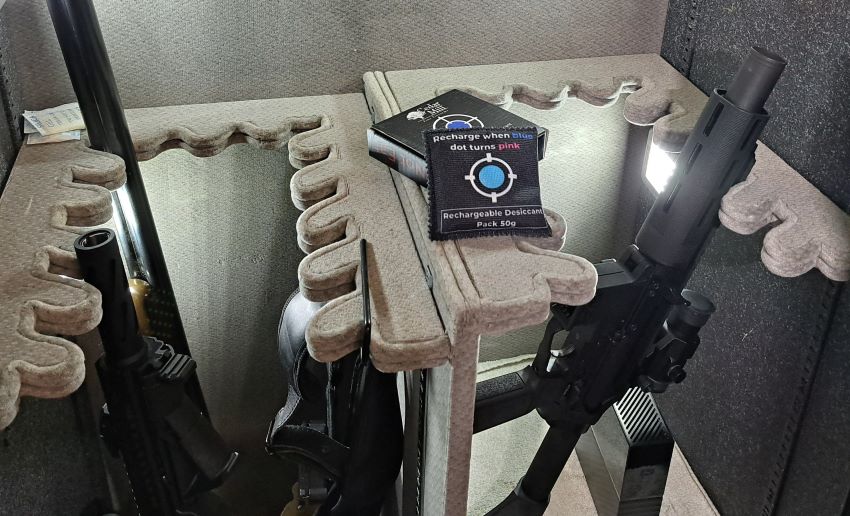
How A Hygrometer Works
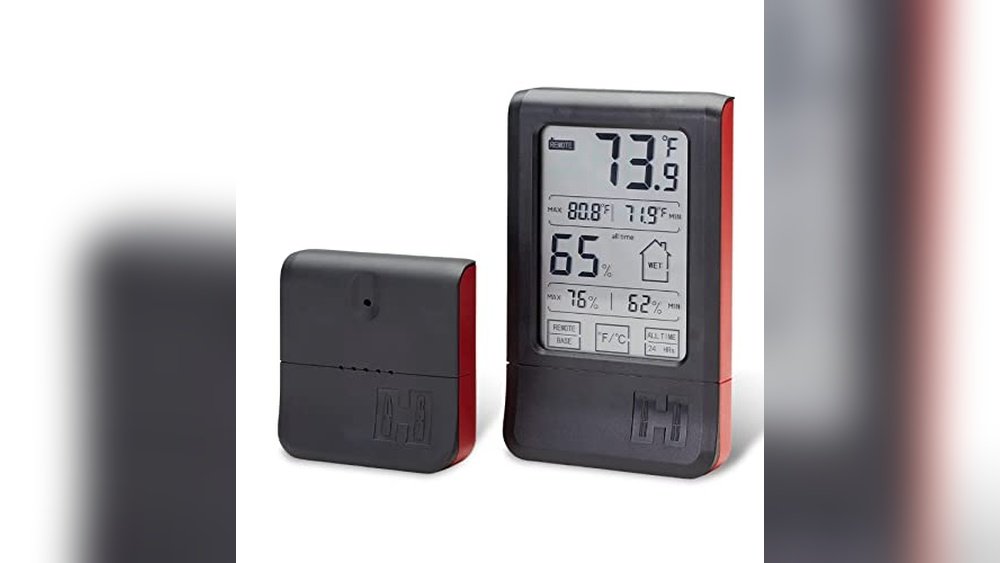
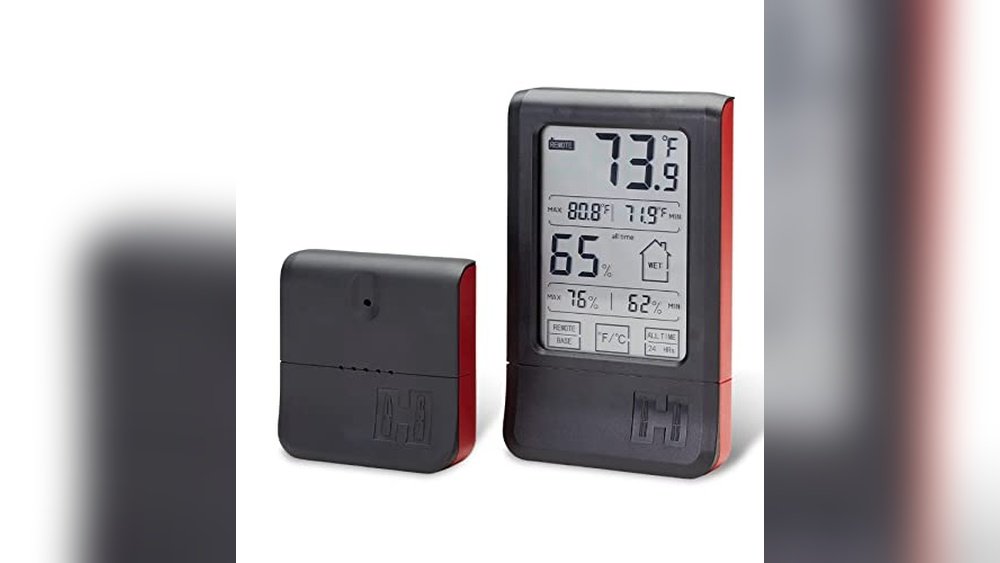
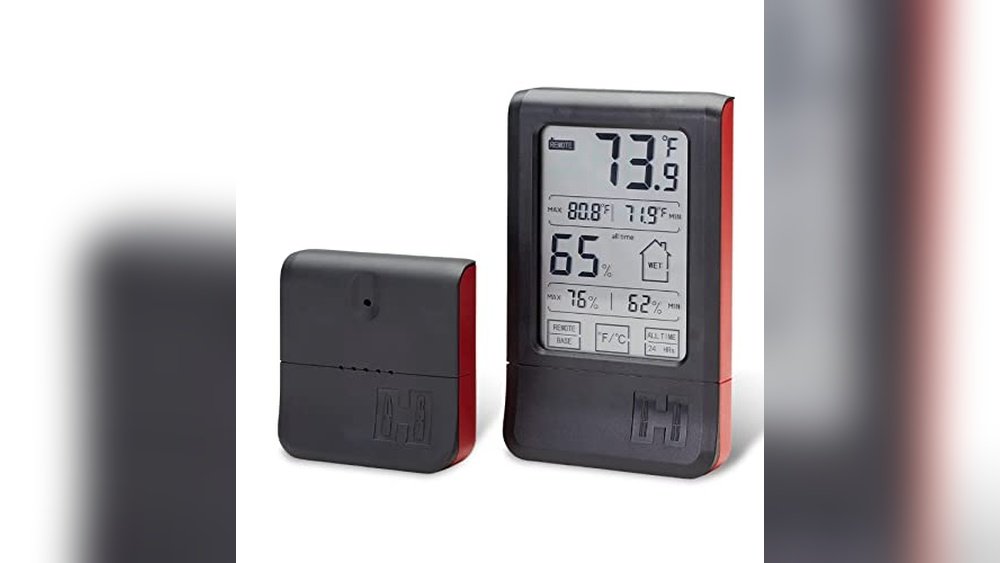
A hygrometer is a tool that checks moisture in the air. It helps keep track of humidity inside places like a gun safe. Knowing humidity levels prevents damage from wetness or dryness. Understanding how a hygrometer works shows why it is useful for gun safes.
Measuring Humidity Levels
A hygrometer measures the amount of water vapor in the air. It shows humidity as a percentage. Zero means no moisture, 100 means full moisture. High humidity can cause condensation inside a gun safe. This moisture can lead to rust on guns and ammo. Low humidity can dry out wood parts or leather. The hygrometer helps watch these changes closely.
Types Of Hygrometers
There are many types of hygrometers. Some use materials that change size with moisture. Others use electronic sensors to detect water vapor. Analog hygrometers have a needle that moves on a dial. Digital hygrometers give a number on a screen. Both types can help spot condensation risks. Choosing the right type depends on your needs and budget.
Condensation Risks In Gun Safes
Condensation inside a gun safe can cause serious problems. Moisture builds up when warm air meets the cool metal of the safe. This can create water droplets on the firearms and other items inside. The risk of rust, corrosion, and damage to your guns increases with this moisture. Protecting your firearms from condensation is important to keep them in good condition.
Understanding what causes moisture and how it affects your guns helps you take action. Monitoring the safe’s environment can stop damage before it starts.
Causes Of Moisture Build-up
Moisture appears inside a gun safe due to many reasons. Changes in temperature cause warm air to cool quickly. This sudden cooling creates condensation on metal surfaces. Poor ventilation inside the safe traps humid air. Storing guns with dirt or oil can also attract moisture. Placing wet items inside the safe adds to the problem. High humidity in the room also increases moisture levels inside the safe.
Effects On Firearms
Condensation harms firearms in several ways. Rust can form on metal parts, damaging the finish. Corrosion weakens the metal, affecting gun performance. Moisture can cause wooden gun stocks to swell or crack. It also damages leather or fabric gun cases stored inside. Over time, moisture buildup reduces the value and reliability of guns. Regular checks and good moisture control keep firearms safe and working well.
Hygrometer’s Role In Detecting Moisture
A hygrometer measures the moisture in the air inside a gun safe. It shows the relative humidity level, which helps understand the risk of rust and damage. Keeping an eye on humidity is key to protecting firearms and valuables.
The hygrometer does not directly detect water drops or wet surfaces. It only shows how much moisture is in the air. High humidity can lead to condensation, but the two are not the same. Knowing the difference helps keep the safe dry and secure.
Identifying High Humidity
A hygrometer displays the percentage of moisture in the air. Safe humidity levels for guns usually stay between 30% and 50%. Numbers above this range mean the air is very moist. Moist air can cause metal parts to rust over time. Regular checks help catch rising humidity early.
When the hygrometer shows high humidity, it signals a chance for condensation. It means the air holds more water vapor than normal. This condition can worsen if the temperature drops suddenly. Watching these numbers can prevent damage before it starts.
Limitations In Detecting Actual Condensation
The hygrometer does not sense water droplets or wetness. It cannot tell if condensation is forming on safe walls or guns. Condensation happens when warm, moist air meets a cold surface. The hygrometer only measures air moisture, not surface conditions.
Condensation may occur even if the hygrometer reads normal humidity. This happens in cold climates or with poor ventilation. To detect condensation, check the safe’s interior for wet spots or fog. Use other tools like temperature sensors for better monitoring.
Additional Tools For Condensation Detection
Using a hygrometer helps track humidity inside a gun safe. But it may not catch all signs of condensation early. Other tools can help detect moisture and temperature changes. These tools improve protection for your firearms and valuables.
Temperature Sensors
Temperature sensors measure the air and surface temperature inside the safe. Sudden drops in temperature can cause condensation to form. These sensors alert you to risky temperature changes. They work alongside hygrometers to provide a fuller picture of the safe’s environment.
Moisture Indicators
Moisture indicators show the presence of water or dampness. They change color when exposed to moisture. Placing them in different parts of the safe helps find hidden damp spots. These indicators give a quick visual sign of condensation problems.
Preventing Condensation In Gun Safes
Preventing condensation inside a gun safe is crucial for protecting firearms. Moisture can cause rust and damage over time. Controlling humidity is the best way to keep guns safe and in good condition.
Use Of Dehumidifiers
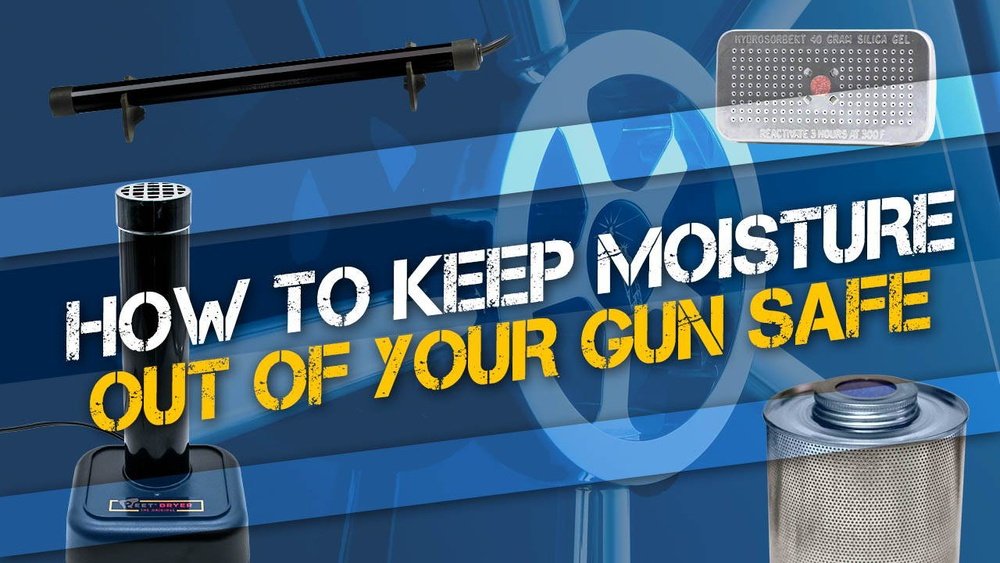
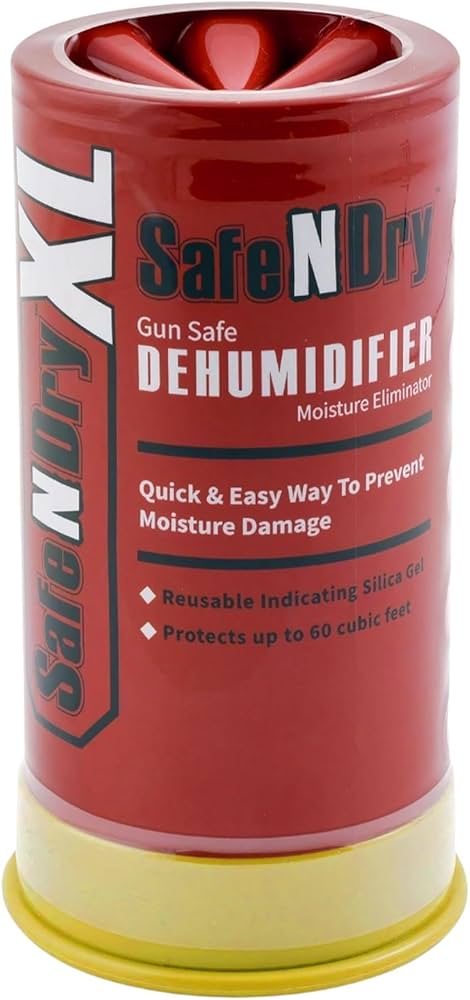
Dehumidifiers help remove excess moisture from the air inside the safe. Small electric or chemical dehumidifiers work well in tight spaces. They keep humidity levels low, which stops condensation from forming. Regularly check and replace dehumidifier packs to maintain effectiveness.
Safe Placement And Ventilation
Place the gun safe in a dry area with good airflow. Avoid basements or damp rooms where moisture is common. Keep the safe away from outside walls that get cold and cause condensation. Ventilation around the safe helps air circulate and reduces moisture buildup.

Maintaining Optimal Conditions
Maintaining optimal conditions inside a gun safe is crucial for protecting firearms. Proper humidity control prevents rust, corrosion, and damage to metal parts. A hygrometer helps track moisture levels, but managing the environment requires regular care and simple steps.
Regular Monitoring
Check the hygrometer daily or weekly. This helps spot changes in humidity early. Note the readings and watch for spikes above 50%. High humidity signals a risk of condensation. Early detection allows quick action before damage occurs.
Best Practices For Humidity Control
Keep the safe sealed tightly to stop moisture entry. Use desiccants or dehumidifiers designed for gun safes. Avoid placing wet items inside. Store firearms with oil to protect metal. Maintain room temperature to reduce condensation risks. These steps keep your firearms safe and dry.
Frequently Asked Questions
Can A Hygrometer Measure Condensation In A Gun Safe?
Yes, a hygrometer measures humidity levels inside a gun safe. High humidity often leads to condensation, so it helps detect moisture risks early.
How Accurate Are Hygrometers In Gun Safes?
Hygrometers provide reasonably accurate humidity readings. Digital models are more precise and easier to read than analog ones, improving moisture monitoring.
What Humidity Level Prevents Condensation In A Gun Safe?
Maintaining humidity between 40% and 50% helps prevent condensation. This range reduces rust risk and keeps firearms in good condition.
Should I Use A Digital Or Analog Hygrometer?
Digital hygrometers offer better accuracy and easier readings. Analog versions can be less precise and harder to interpret inside gun safes.
Conclusion
A hygrometer helps you check moisture inside your gun safe. It shows the humidity level clearly and quickly. High humidity can cause condensation and damage your guns. Watching the hygrometer lets you act before problems start. Keep your safe dry with a good hygrometer and dehumidifier.
Protect your firearms by staying alert to moisture changes. Simple tools make a big difference in gun care. Trust a hygrometer to keep your safe safe from moisture.