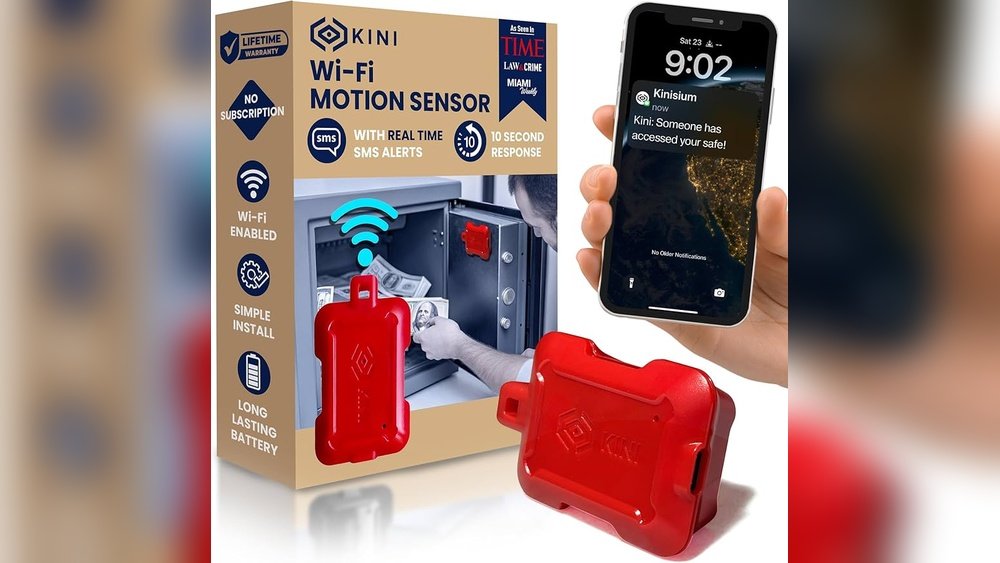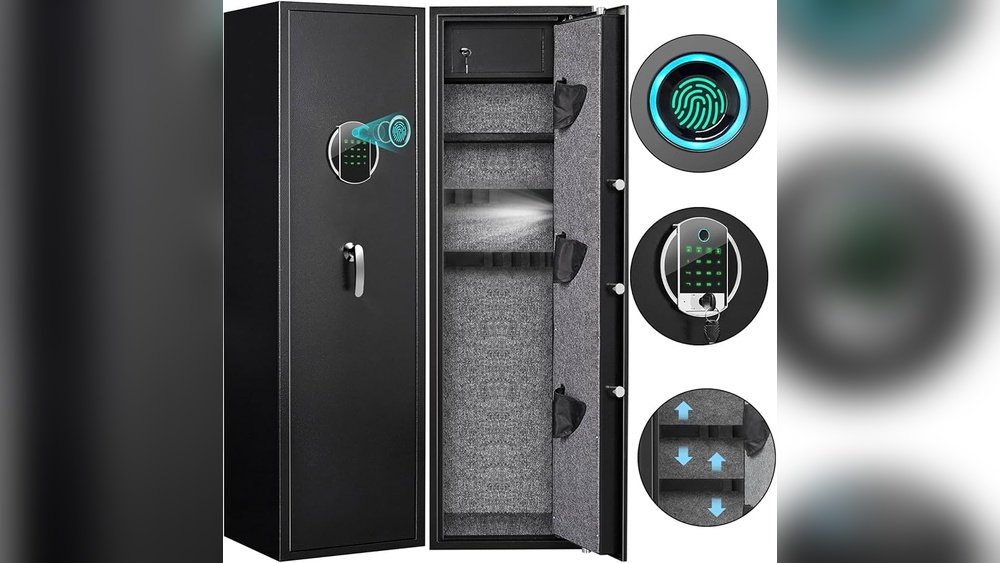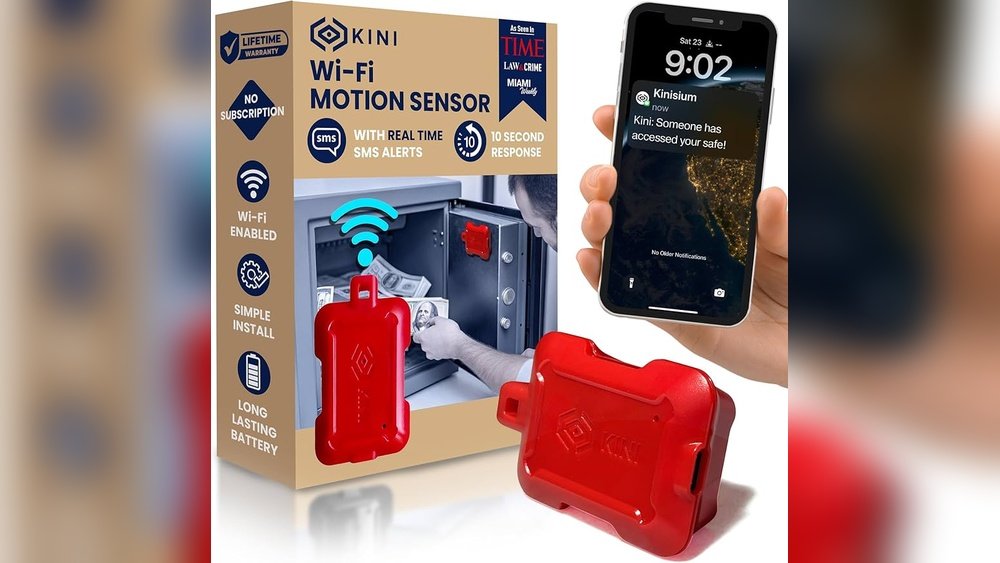
When it comes to protecting your rifle safe, choosing the right security sensor can make all the difference. You might be wondering: are vibration sensors better than motion detectors for keeping your firearms secure?
The answer isn’t as simple as it seems. Understanding how each sensor works and which one suits your needs can help you make the smartest choice for your safety. Keep reading to discover which sensor gives you the best peace of mind and why it matters for your rifle safe.
Types Of Sensors For Rifle Safes
Rifle safes use different sensors to protect your firearms. Choosing the right sensor helps keep your guns safe and secure. Each sensor type detects threats in unique ways.
This section explains two common sensors: vibration sensors and motion detectors. Understanding how they work clarifies their strengths and limits.
How Vibration Sensors Work
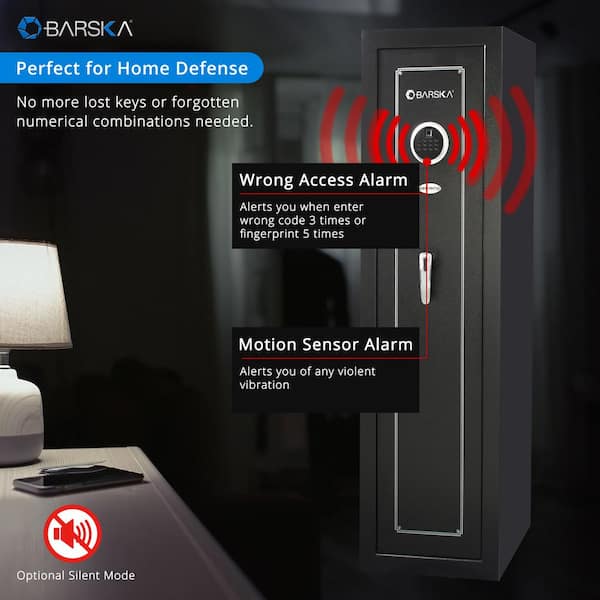
Vibration sensors detect shaking or tapping on the safe. They sense small movements caused by attempts to open or move the safe. The sensor then triggers an alarm or alert. These sensors respond quickly to physical impacts. They work well for detecting forced entry. Vibration sensors do not react to people passing nearby. This reduces false alarms from normal activity around the safe.
How Motion Detectors Work
Motion detectors sense movement in the safe’s area. They use infrared or microwave signals to spot motion. When someone moves close to the safe, the sensor triggers an alert. These sensors cover a wider range than vibration sensors. They can detect intruders before they touch the safe. Motion detectors may cause false alarms from pets or other moving objects. Proper placement and settings help reduce mistakes.
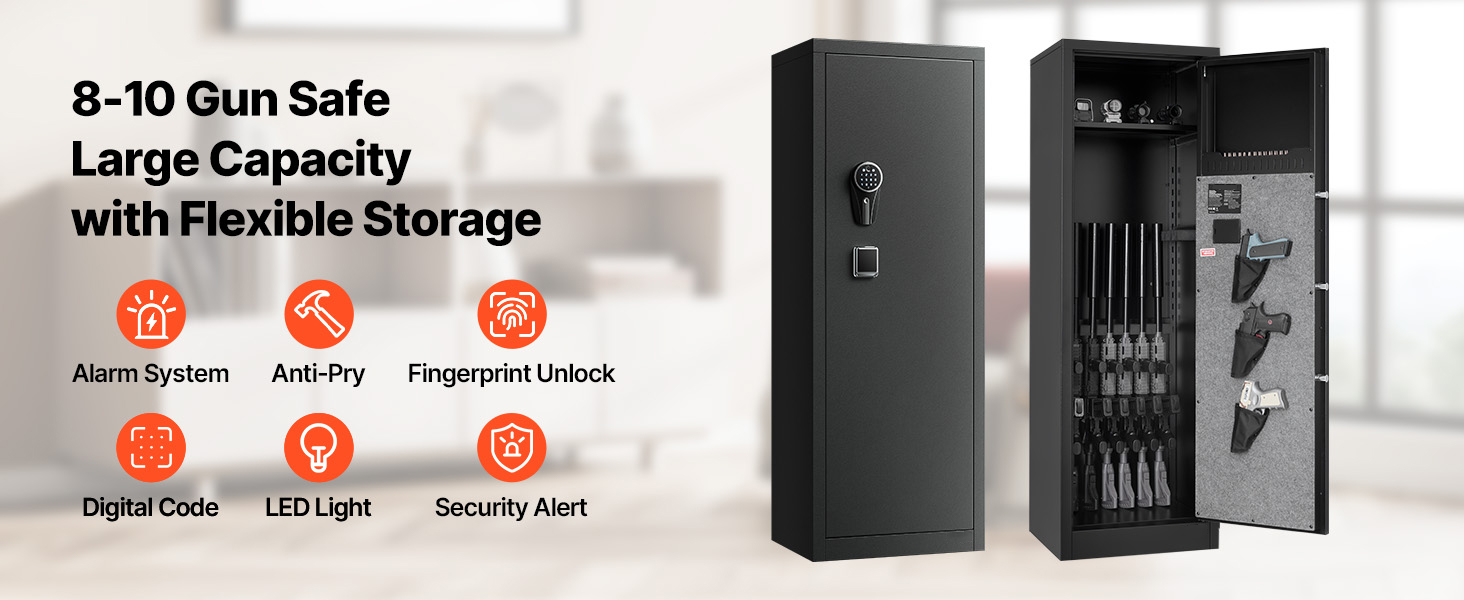
Accuracy And Sensitivity
Accuracy and sensitivity are key factors in choosing between vibration sensors and motion detectors for rifle safes. These features determine how well the device detects real threats and avoids unnecessary alarms. A sensor that is too sensitive may cause many false alarms. One that is not sensitive enough might miss a real attempt to access the safe. Understanding these aspects helps in picking the right security option.
Detecting Genuine Threats
Vibration sensors react to physical shocks or taps on the safe. They detect attempts to move or break the safe quickly. Motion detectors sense movement inside or near the safe area. They work well if someone tries to open the safe without touching it. Both sensors aim to catch real threats early. Vibration sensors often alert faster to direct tampering.
Avoiding False Alarms
False alarms waste time and reduce trust in the system. Vibration sensors can trigger from heavy door slams or nearby construction. Motion detectors may go off due to pets or shadows moving. Choosing the right sensor depends on the environment around the safe. Sensitivity settings must be adjusted carefully to lower false alerts. This balance ensures security without constant interruptions.
Installation And Maintenance
Choosing between vibration sensors and motion detectors for rifle safes involves understanding their installation and maintenance. Both sensor types protect your firearms, but their setup and upkeep differ. This section explains these differences simply. It helps you decide which sensor suits your needs best.
Ease Of Setup
Vibration sensors usually attach directly to the safe’s surface. They require minimal wiring and simple mounting. This makes installation fast and easy for most users. No special tools or skills are needed. Motion detectors often need more space inside the safe. They must be positioned to cover the detection area well. Wiring can be more complex, requiring careful placement. Setting up motion detectors might take longer and need more effort.
Long-term Reliability
Vibration sensors are less likely to fail due to their simple design. They detect shakes or hits, which rarely cause false alarms. These sensors need occasional checks to ensure they stay secure. Motion detectors rely on infrared or other technology, which can be sensitive to dust or obstructions. They may need regular cleaning and adjustment. Batteries in both sensors require replacement sometimes. Proper maintenance ensures both sensor types work well over time.
Response Time And Alert Systems
Response time and alert systems are key for rifle safe security. Fast detection helps stop theft early. Alerts notify the owner quickly. Both vibration sensors and motion detectors offer these features, but they vary in speed and method. Understanding these differences helps choose the right sensor.
Speed Of Detection
Vibration sensors detect small shakes immediately. Even a slight knock triggers them. This quick response is vital to catch intruders fast. Motion detectors sense movement inside a certain range. They may take a moment to activate. Vibration sensors often respond faster than motion detectors.
Notification Methods
Vibration sensors often connect to alarms or phones. Owners get instant alerts via text or app. Some models also sound loud alarms locally. Motion detectors can send alerts too. But their notifications sometimes depend on additional devices. Vibration sensors usually provide more direct and faster notifications.
Environmental Factors
Environmental factors play a big role in choosing between vibration sensors and motion detectors for rifle safes. The place where you keep the safe and the surrounding conditions can affect how well these sensors work. Understanding these factors helps you pick the right security option.
Impact Of Location And Vibration
The location of your rifle safe changes how sensors respond. Near busy roads or heavy machinery, vibration sensors may trigger false alarms. Constant vibrations from trucks or construction can confuse these sensors.
Motion detectors do not react to small vibrations. They sense larger movements like someone opening the safe. This makes them less likely to give false alarms in noisy places.
Handling External Movements
External movements such as pets or people walking nearby can affect sensor performance. Vibration sensors may detect footsteps or bumps, causing unwanted alerts.
Motion detectors focus on clear motion signals inside their range. They ignore small outside disturbances better than vibration sensors. This helps reduce false alarms and keeps your safe more secure.
Cost And Value
Cost and value are key points when choosing between vibration sensors and motion detectors for rifle safes. Both have different price tags and ongoing expenses. Knowing these can help pick the best fit for your budget and security needs.
Initial Investment
Vibration sensors usually cost less to buy. They need fewer parts and simpler technology. Motion detectors often come with higher prices because they use advanced sensors. These sensors can detect movement more accurately.
Installing vibration sensors is often easier and cheaper. Motion detectors may need professional setup. This can add to the initial cost. Think about how much you want to spend upfront.
Maintenance Expenses
Vibration sensors require less maintenance. They have fewer parts that can break. Batteries last longer in vibration sensors. Motion detectors may need more frequent battery changes.
Motion detectors may need software updates or recalibration. This can increase costs over time. Vibration sensors tend to be simpler and cheaper to maintain. Consider the long-term costs, not just the first price.
User Experiences And Reviews
User experiences and reviews provide valuable insights into the effectiveness of vibration sensors and motion detectors for rifle safes. Real users share their thoughts on how these devices perform in everyday situations. These opinions help others decide which sensor type suits their security needs best.
Real-world Performance
Many users report that vibration sensors quickly detect tampering or forced entry attempts. They react to small shakes and vibrations, alerting owners early. This sensitivity helps prevent theft or damage.
Motion detectors work well in larger spaces. They sense movement within the safe’s immediate area. Some users find them less sensitive to subtle attacks but reliable against larger intrusions.
Both sensor types often come with adjustable settings. Users appreciate this feature, as it reduces false alarms from minor bumps or pets. Proper calibration improves overall performance and peace of mind.
Common Complaints
False alarms rank high among user frustrations for both sensor types. Vibration sensors sometimes trigger alerts from heavy footsteps or nearby machinery. This can cause unnecessary stress and annoyance.
Motion detectors may fail to detect slow or quiet tampering. Some users worry about blind spots or limited detection range. This creates a gap in safe security coverage.
Battery life is another common concern. Frequent alerts drain power quickly. Users suggest regular battery checks to avoid sensor downtime.
Choosing The Right Sensor For Your Needs
Choosing the right sensor for your rifle safe is important. It helps protect your firearms effectively. Both vibration sensors and motion detectors have strengths. Understanding your needs makes the choice clearer. This section guides you through key factors to consider.
Assessing Security Priorities
First, think about what you want to protect. Is it important to detect any small movement or only strong impacts? Vibration sensors react to shakes and bumps. Motion detectors sense larger movements nearby. Consider the environment where the safe stays. High traffic areas may need stricter detection. Quiet rooms might allow more sensitive sensors. Decide if you want alerts for every touch or just serious tampering. Your priority shapes the best sensor type.
Customizing Sensor Features
Look at the options to adjust sensor settings. Some vibration sensors let you set sensitivity levels. This helps avoid false alarms from minor vibrations. Motion detectors may include range controls. They can ignore small animals or distant motions. Check if the sensor connects to your smartphone or alarm system. Alerts sent quickly can improve response time. Choose features that match your lifestyle and security needs.
Frequently Asked Questions
What Are The Main Differences Between Vibration Sensors And Motion Detectors?
Vibration sensors detect shaking or impact on the safe. Motion detectors sense movement within a certain range. Vibration sensors trigger alarms on direct tampering, while motion detectors alert on nearby motion. Each offers unique security benefits for rifle safes.
Which Sensor Is More Reliable For Rifle Safe Security?
Vibration sensors are generally more reliable for rifle safes. They respond directly to tampering attempts like drilling or prying. Motion detectors can trigger false alarms from unrelated movement. For focused protection, vibration sensors provide precise alerts.
Can Vibration Sensors Prevent Unauthorized Safe Access Better?
Yes, vibration sensors help prevent unauthorized access by detecting physical attacks. They trigger alarms instantly when the safe is hit or moved. This quick response deters burglars and protects your firearms effectively.
Are Motion Detectors Useful Alongside Vibration Sensors In Rifle Safes?
Motion detectors can complement vibration sensors by monitoring the safe’s surroundings. They detect nearby movement, adding an extra security layer. However, they may cause false alarms. Combining both can enhance overall protection if properly configured.
Conclusion
Vibration sensors and motion detectors both protect rifle safes well. Vibration sensors sense shakes or hits on the safe surface. Motion detectors notice movement inside or near the safe. Each has strong points depending on your safety needs. Think about where you place the safe and how it will be used.
Choose the sensor that fits your lifestyle and security level. Staying informed helps keep your rifles safe and secure. The best choice depends on your personal situation.