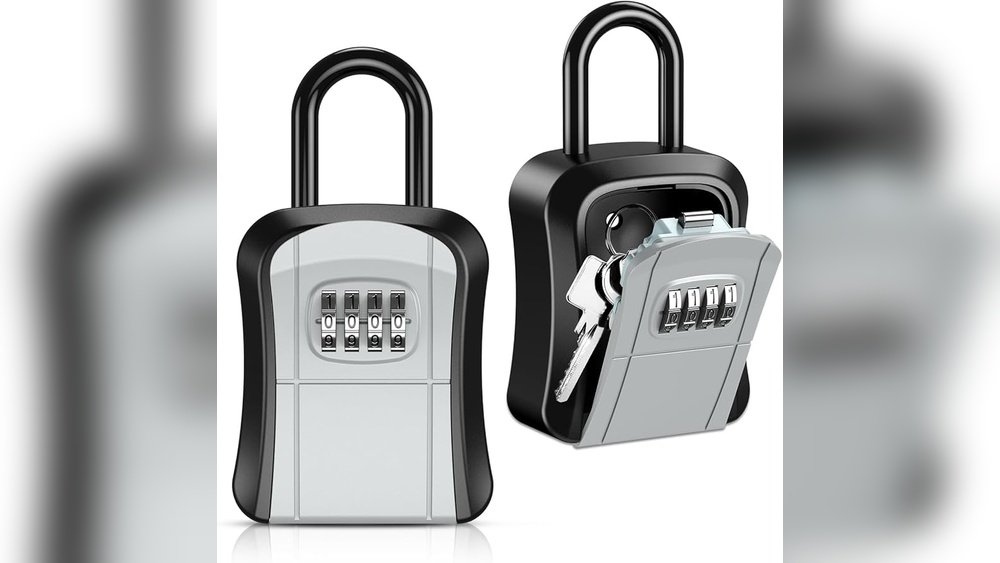
Are you worried about keeping your valuables safe at home? Portable lock boxes promise a quick and easy solution, but can you really trust them to protect what matters most?
Before you make a decision, it’s important to understand how secure these lock boxes truly are. You’ll discover the strengths and weaknesses of portable lock boxes, and learn whether they’re the right choice for your home security needs. Keep reading to make sure your belongings stay safe and sound.
Types Of Portable Lock Boxes
Portable lock boxes come in different types. Each type offers unique benefits for home use. Choosing the right one depends on your security needs and convenience. Let’s explore the main types of portable lock boxes.
Material Variations
Lock boxes are made from various materials. Steel is common for strong protection. It resists cutting and breaking attempts. Aluminum lock boxes are lighter but less secure. Plastic lock boxes offer basic protection. They are useful for low-risk items. Material choice impacts durability and security.
Locking Mechanisms
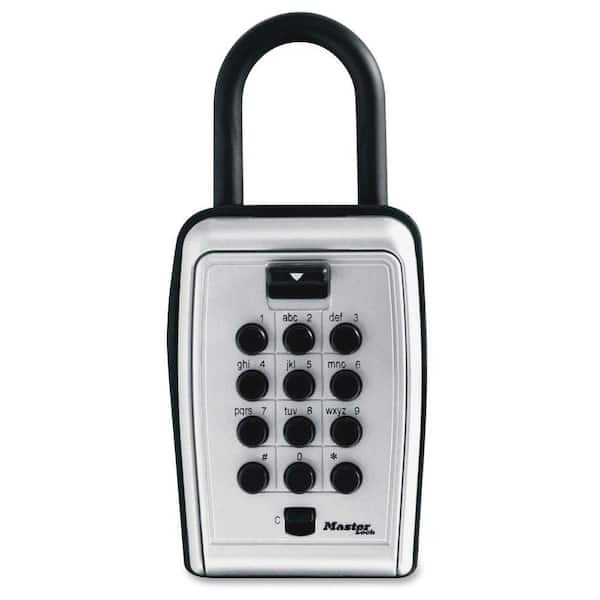
Lock boxes use different locking systems. Combination locks are popular for easy access. You set a code and share it only with trusted people. Key locks require a physical key to open. They are simple but risk key loss. Some boxes use digital locks with keypads. These provide quick entry and good security.
Size And Portability
Lock boxes come in many sizes. Small boxes fit important items like keys or cash. Larger boxes hold documents or electronics. Portability depends on size and weight. Some are compact and easy to carry. Others are bigger but still portable. Choose size based on what you need to protect.
Security Features To Look For
Choosing a portable lock box for home use means focusing on key security features. These features help keep your valuables safe from theft, damage, or loss. Understanding what to check makes buying easier and safer.
Durability And Build Quality
The lock box should be made of strong materials like steel. Thick walls resist break-ins and rough handling. Look for boxes with welded seams and solid hinges. These add toughness and prevent easy tampering.
Lock Strength And Resistance
The lock itself must be hard to pick or break. Combination locks with multiple dials or digital locks offer good security. Some boxes use key locks, but they need strong, high-quality mechanisms. The lock should resist drilling, picking, and force.
Water And Fire Protection
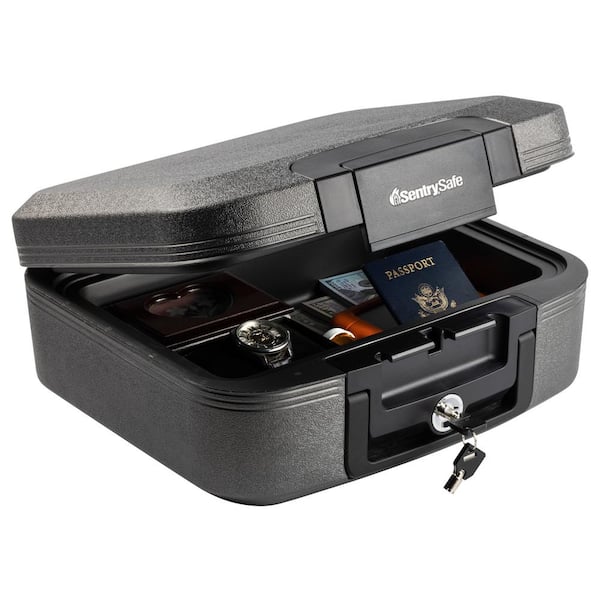
Protection against water and fire keeps your items safe in accidents. Look for lock boxes with seals to block water and dust. Fire-resistant models protect documents and electronics from heat damage. This feature adds extra peace of mind.
Common Vulnerabilities
Portable lock boxes offer convenience and security, but they have common vulnerabilities. Understanding these weak points helps you choose the right box and protect your valuables better.
Lock Picking Risks
Many portable lock boxes use simple locks. These locks can be picked by people with basic skills. Cheap locks often lack advanced mechanisms, making them easier to open. A lock box with a strong lock reduces this risk.
Physical Attack Weaknesses
Lock boxes can suffer from physical attacks. Thieves may try to break the box with tools or force. Thin metal or plastic boxes are more vulnerable. Strong, thick materials offer better protection against these attacks.
Portability As A Double-edged Sword
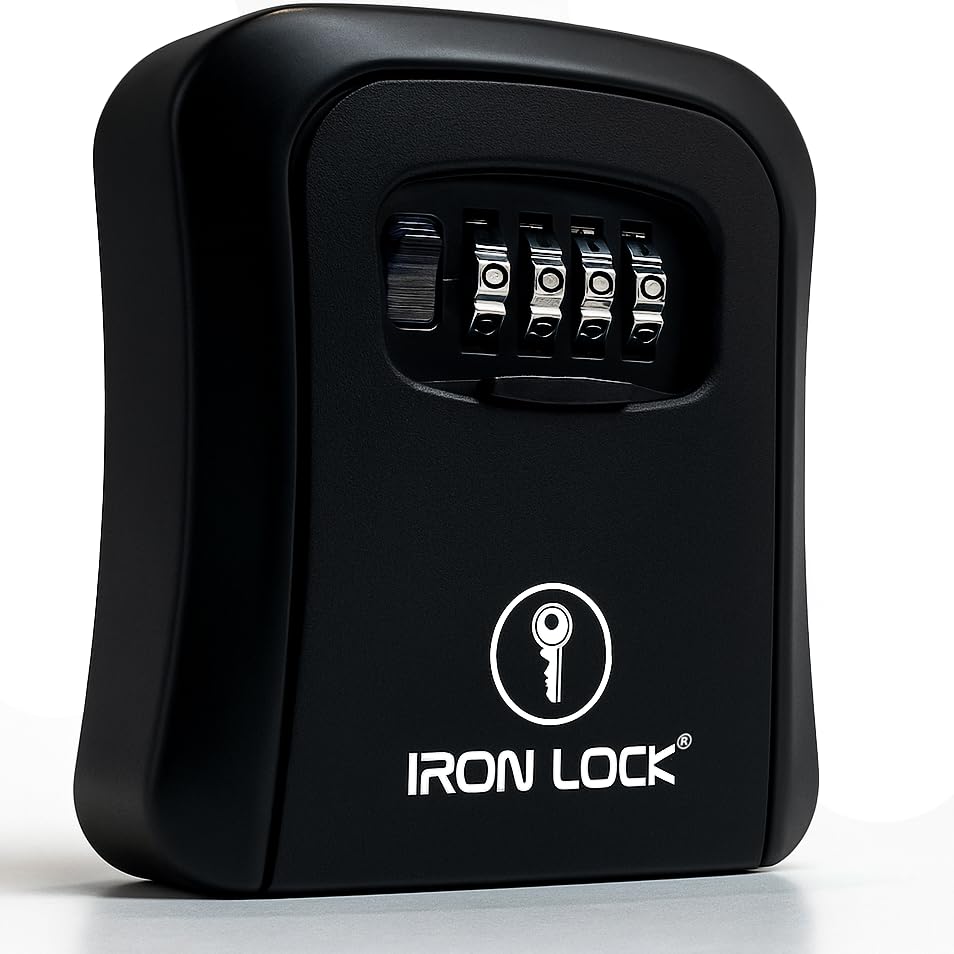
Portability makes these boxes easy to move and hide. But it also means thieves can take the whole box away. A portable lock box without a way to secure it to a fixed object is at risk. Choose boxes with strong mounting options to prevent theft.
Expert Recommendations
Experts advise careful use of portable lock boxes at home. They can add security but need smart handling. Following best practices keeps your valuables safer. Combining lock boxes with other tools improves home protection. Picking the right box also matters a lot. Below are key expert tips.
Best Practices For Home Use
Place the lock box in a hidden spot, not obvious to visitors. Use strong, unique codes or keys for the lock. Check the box regularly for signs of damage or tampering. Avoid sharing the code or key with many people. Keep a backup key or code in a secure place.
Complementary Security Measures
Use a security camera or alarm system alongside the lock box. Reinforce doors and windows with quality locks. Keep the area around the lock box well-lit at night. Use motion sensors to detect unwanted movement. Regularly update your home security plans and tools.
Choosing The Right Lock Box
Pick a lock box made of strong, durable materials like steel. Choose a size that fits your needs without drawing attention. Look for boxes with weather resistance for outdoor use. Select a lock type you trust, such as combination or keyed locks. Read reviews and ratings before buying to ensure quality.
Alternatives To Portable Lock Boxes
Portable lock boxes offer convenience but may not suit everyone’s security needs. Several alternatives provide strong protection for valuables at home. These options vary in design, accessibility, and security features. Understanding each can help choose the best fit for your safety.
Wall Safes
Wall safes install inside walls, hidden from plain view. They offer good protection from theft and fire damage. Most require professional installation for secure mounting. Access is usually through a hidden door or panel. Wall safes keep valuables out of sight and reach.
Hidden Compartments
Hidden compartments blend into home furniture or structures. They can be inside floors, walls, or furniture pieces. These compartments are hard to find and do not look like safes. They provide secret storage without drawing attention. Creativity in design boosts security and secrecy.
Smart Security Devices
Smart security devices combine technology and protection. They include biometric locks, alarms, and remote monitoring. Users can control these devices through smartphones or apps. Alerts notify owners of unauthorized access attempts. Smart devices add layers of security beyond physical locks.
Frequently Asked Questions
Are Portable Lock Boxes Safe For Storing Valuables?
Portable lock boxes offer moderate security for valuables. They deter casual theft but may be vulnerable to determined intruders. For high-value items, consider additional security measures or more robust safes.
How Do Portable Lock Boxes Protect Against Theft?
These lock boxes use sturdy materials and secure locking mechanisms. They prevent easy access and conceal contents, reducing theft risk. However, they should be anchored or hidden for better protection.
Can Portable Lock Boxes Be Used For Firearms Safely?
Yes, many portable lock boxes are designed to store firearms safely. They provide quick access while preventing unauthorized use. Ensure the lock box meets legal and safety standards.
Are Portable Lock Boxes Weather-resistant For Outdoor Use?
Some portable lock boxes are weather-resistant, protecting contents from moisture and dust. Check product specifications for waterproof and rustproof features before outdoor use.
Conclusion
Portable lock boxes offer a decent level of security for home use. They keep small valuables safe and easy to access. These boxes are handy for organizing important items. Still, they should not replace a full home security system. Choose a sturdy lock box with good reviews.
Place it in a discreet, secure spot at home. Regularly check your lock box for any signs of tampering. A lock box adds extra protection but use it wisely. Safety starts with smart choices and careful habits.