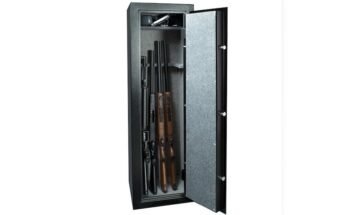
Are you wondering if your older rifle safe still protects your valuable firearms like it used to? You’ve invested time and money into keeping your rifles secure, but with new technology and security standards emerging, it’s natural to question if your safe is up to the task.
This article will help you uncover whether your older rifle safe can still guard your collection effectively—or if it’s time to consider an upgrade. Keep reading to find out what really matters when it comes to firearm security.
Evolution Of Rifle Safes
The evolution of rifle safes reflects changes in materials, design, and security features. Older safes show how security needs shaped their build. Understanding this history helps to judge if older safes still protect firearms well. The story of rifle safes is one of steady improvement over time.
Each step in their development aimed to keep guns safer from theft and damage. Advances in technology added layers of security that older models may lack. Yet, some classic designs still offer strong protection. Let’s explore how rifle safes have evolved.
Early Designs And Materials
Early rifle safes were mostly simple metal boxes. They used thick steel to resist basic tools. These safes often had a single shelf and little padding inside. Their locking systems were mechanical and basic, like key locks or simple bolts. Many relied on weight and size to deter thieves.
Advancements In Locking Mechanisms
Locking mechanisms improved with time. Combination locks became common, requiring a code to open. This added a layer of security beyond keys. Later, dial locks and electronic keypad locks appeared. These allowed faster, more secure access. Some safes included dual locks for added protection.
Impact Of Technology On Security
Technology greatly changed rifle safe security. Modern safes use biometric locks that read fingerprints. These locks limit access to authorized users only. Advanced materials, like reinforced steel and concrete, improve resistance to break-ins. Fire protection also improved, with safes that can withstand high heat. Technology keeps evolving to meet new security challenges.
Common Vulnerabilities In Older Safes
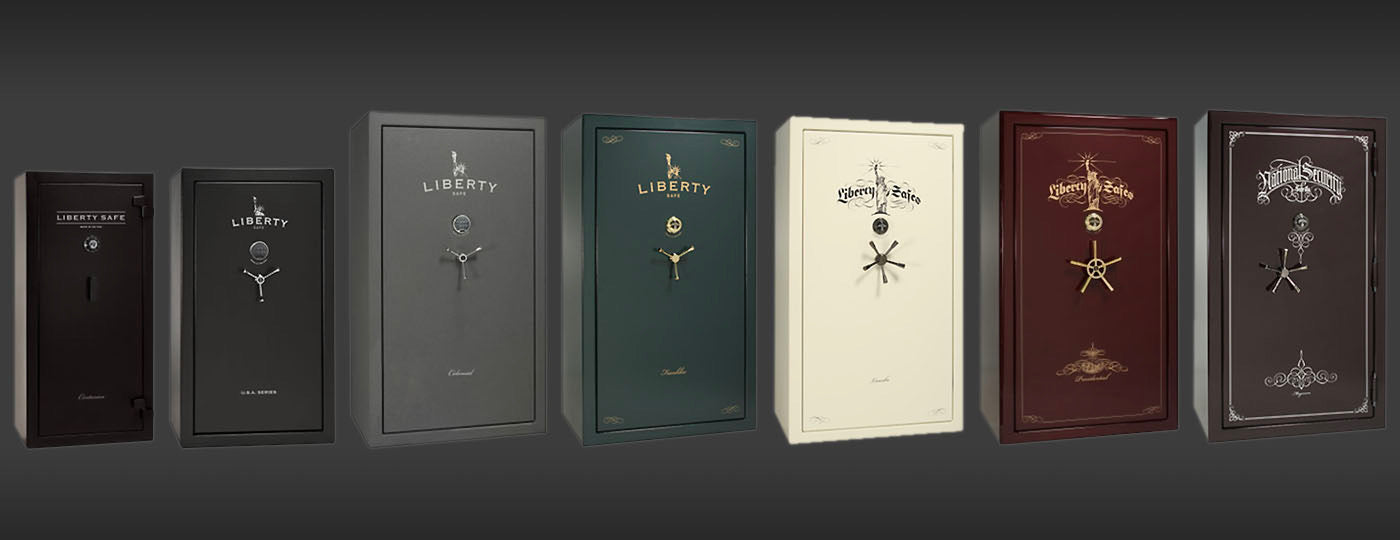
Older rifle safes often have hidden weak points. These vulnerabilities can reduce the safe’s ability to protect your firearms. Understanding these common issues helps in deciding if your safe still offers strong security.
Wear And Tear Effects
Years of use cause physical damage to safes. Hinges may loosen, and bolts can become misaligned. This wear makes safes easier to pry open. Even small cracks can let thieves gain entry.
Outdated Lock Technology
Older safes often use basic lock systems. These locks can be picked or bypassed with simple tools. Modern safes use more complex locks, harder to break. Relying on old lock technology increases risk.
Material Degradation Over Time
Steel and other materials weaken as they age. Rust and corrosion reduce the safe’s strength. Weakened walls and doors make forced entry easier. Regular checks for material decay are crucial for safety.
Modern Security Standards
Modern security standards for rifle safes have advanced a lot in recent years. Technology and materials have improved to protect firearms better. New safes offer features that older models often lack. Understanding these differences helps decide if an old safe is still secure.
What Today’s Safes Offer
Modern safes use stronger steel and better locking systems. Electronic locks replace old mechanical ones for faster access. Many safes now include biometric scanners for added security. Fire resistance has improved to protect contents from heat. Interior lighting and adjustable shelves add convenience.
Comparing Old Vs. New Safes
Older safes often have thicker steel but simpler locks. They may not resist modern break-in tools well. New safes balance thickness with advanced locking technology. They are tested against drills, pry bars, and torch attacks. Most old safes lack fire and water resistance standards.
Regulatory Changes And Requirements
Safety regulations for gun safes have become stricter over time. New standards require safes to pass more rigorous tests. These tests include burglary resistance and fire protection. Some states have laws mandating specific safe features. Older safes might not meet these current legal requirements.
Testing The Security Of Older Safes
Testing the security of older rifle safes helps determine their protection level today. Safes made decades ago may not meet current security standards. Experts use different methods to check if these safes still keep valuables safe. Understanding these tests can guide owners in deciding if upgrades or replacements are necessary.
Examining older safes reveals their strengths and weaknesses. The results show how well they resist modern break-in tools. This knowledge is important for anyone relying on these safes to protect firearms and other valuables.
Methods Used For Security Assessment
Security experts use drills and force tests to assess older safes. They check the lock mechanism and door strength. Some tests involve trying to open safes without keys or combinations. Experts also measure the safe’s resistance to cutting and prying tools. These methods help identify weak points in the safe’s design or materials.
Case Studies And Real-world Break-ins
Several case studies show how older safes have been breached. In some break-ins, thieves used simple tools to open safes quickly. Others took advantage of outdated locks or worn-out parts. These cases highlight vulnerabilities that may not be obvious. Learning from real break-ins helps improve safe security in the future.
Tools That Compromise Older Safes
Old safes often fall victim to basic hand tools like crowbars and screwdrivers. Power tools such as drills and grinders can also break through metal walls. Some safes have weak locks that are easy to pick or force open. Knowing which tools can compromise older safes helps owners plan better protection.
Upgrading Older Rifle Safes
Older rifle safes might not meet today’s security standards. Upgrading them can improve protection for your firearms. Simple changes can make a big difference. This section covers practical ways to enhance older safes without buying new ones.
Lock Replacement Options
Replacing old locks boosts safe security instantly. Mechanical locks wear out and become easier to pick. Consider installing modern combination locks or digital keypads. These options provide quicker access and stronger protection. Choose a lock that fits your safe’s design and your budget.
Reinforcement Techniques
Reinforcing the safe walls and door adds strength. Steel plates can be added inside the door to resist drilling. Welded hinges prevent the door from being removed easily. Installing extra bolts around the door frame also improves security. These steps make it harder for thieves to break in.
Adding Electronic Security Features
Electronic features enhance safe security and user convenience. Alarm sensors detect forced entry attempts and alert you. Some safes connect to apps for remote monitoring. Lighting inside the safe helps find items quickly. These upgrades add layers of protection beyond the lock itself.

When To Replace Your Rifle Safe
Knowing when to replace your rifle safe is key to keeping your firearms secure. Older safes may seem sturdy but can lose their protective power over time. Regular checks help you decide if your safe still meets your security needs. Understanding the signs of wear and comparing costs helps make smart choices. Picking the right new safe ensures your firearms stay protected for years.
Signs Your Safe Is No Longer Secure
Look for rust or corrosion on the metal parts. Rust weakens the safe’s structure and makes it easier to break. Check if the locking mechanism feels loose or sticks. Old locks can fail during a break-in attempt. See if the safe door no longer closes tightly or locks properly. Gaps or damage around the door create weak points. Notice any outdated locking technology like simple key locks without extra protection. Modern safes use advanced locks that resist picking and drilling.
Cost Vs. Benefit Analysis
Compare the cost of fixing your old safe to buying a new one. Repairs might be expensive and still leave weaknesses. New safes often include better fire and water resistance. Think about the value of the firearms inside. Protecting expensive guns with a weak safe is risky. Spending more now can save money and worry later. A strong new safe offers peace of mind and solid protection.
Choosing A New Safe
Pick a safe with good fire rating and thick steel walls. Look for one with advanced locking systems like biometric or electronic locks. Size matters—choose a safe that fits your current and future needs. Consider safes with bolt-down features to prevent theft. Check customer reviews and expert ratings for reliability. A quality safe is an investment in safety and security. Make sure it fits your budget and protects your firearms well.
Maintaining Safe Security Over Time
Maintaining the security of an older rifle safe takes careful attention. Over time, parts can wear down or face damage. Regular care helps keep your safe strong and trustworthy. Simple checks and fixes can stop problems before they grow.
Routine Inspections
Check your safe often for signs of wear or damage. Look at the locking mechanism to ensure it works smoothly. Test the hinges and bolts for rust or stiffness. Make sure the door seals tightly every time you close it. Early detection of issues keeps your safe reliable.
Environmental Factors To Monitor
Keep the safe in a dry, cool place to avoid rust. Watch for moisture, which can damage locks and metal parts. Avoid placing it near heat sources or direct sunlight. Dust and dirt buildup can also affect the locking system. Controlling the environment extends your safe’s life.
Professional Servicing Tips
Hire a locksmith for a deep checkup every few years. Professionals can clean and lubricate internal parts properly. They spot hidden problems that you might miss. Ask them to update older locks if needed. Regular professional care keeps your safe secure and functional.
Frequently Asked Questions
Are Older Rifle Safes Still Reliable For Security?
Older rifle safes can be secure if well-maintained. However, their locking mechanisms and materials may be outdated compared to modern safes. Regular inspections and upgrades improve their reliability and resistance to forced entry.
How Do Older Safes Compare To Modern Security Standards?
Older safes often lack advanced features like biometric locks or reinforced steel. Modern safes offer better fire resistance and anti-theft technology. Upgrading an older safe’s lock and structure can help meet current security standards.
Can Older Rifle Safes Resist Modern Break-in Methods?
Many older safes were designed before today’s sophisticated tools existed. They may be vulnerable to drilling or pry attacks. Reinforcing the safe or adding alarms enhances protection against modern break-in techniques.
Should I Upgrade An Older Rifle Safe’s Locking System?
Upgrading the locking system is advisable to boost security. Electronic or biometric locks offer quicker access and better protection. This upgrade helps keep firearms safe against unauthorized access.
Conclusion
Older rifle safes can still offer good protection. Many are built with strong materials and solid locks. Yet, some may lack modern security features. Upgrading locks or adding alarms can help. Regular checks keep your safe reliable and secure. Choose the right safe based on your needs.
Safety matters most for your firearms and peace of mind. Stay smart and keep your valuables protected always.