Are you struggling with dampness or musty smells in small spaces? You might be wondering if a mini dehumidifier can really make a difference.
These compact devices promise to remove excess moisture, but are they powerful enough to protect your home and belongings? You’ll discover how mini dehumidifiers work, their real effectiveness, and whether they’re the right choice for your needs. Keep reading to find out how you can improve your indoor air quality without spending a fortune or taking up too much space.

How Mini Dehumidifiers Work
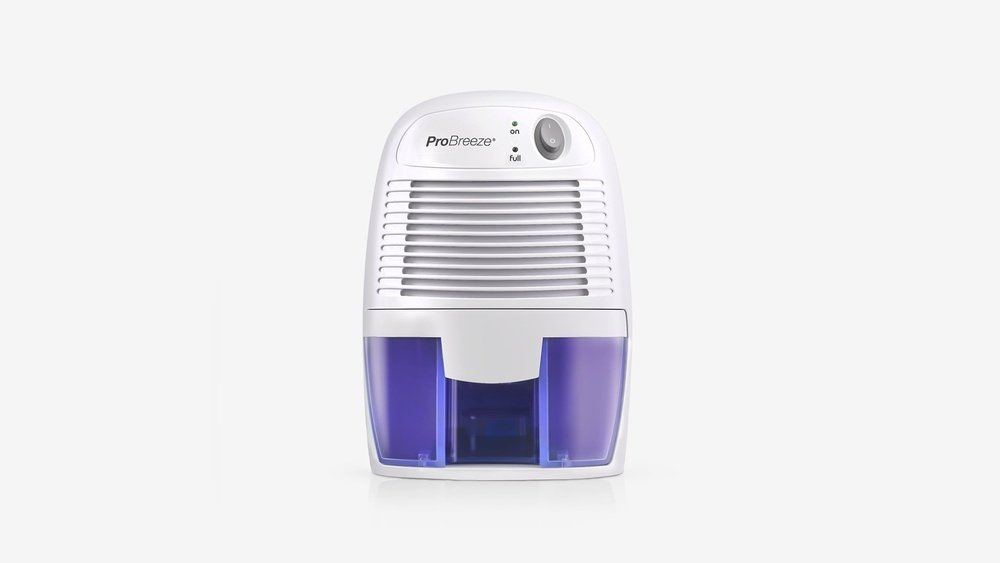
Mini dehumidifiers help reduce moisture in small spaces. They work quietly and use little power. Understanding how they operate helps decide if they fit your needs.
Basic Mechanism
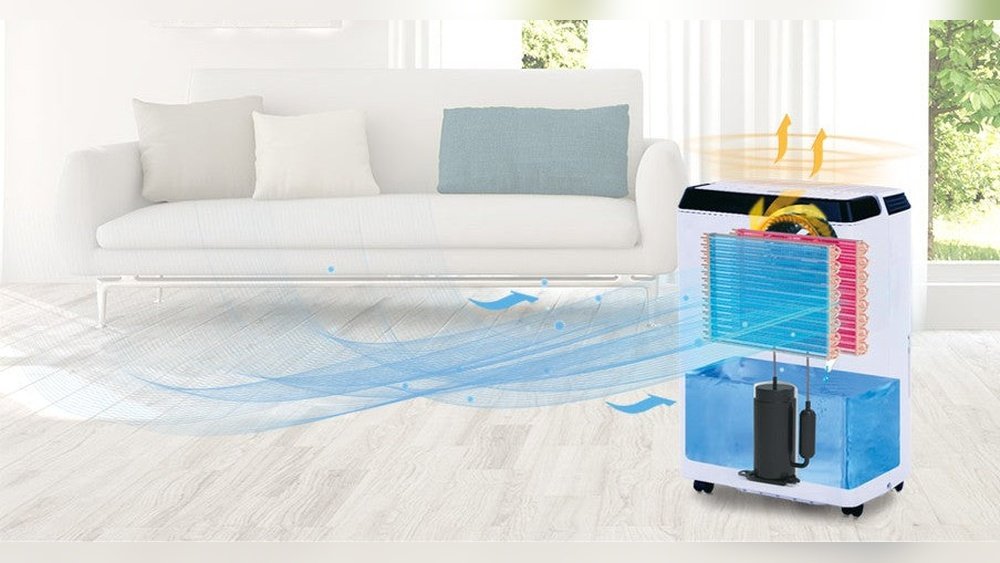
Mini dehumidifiers pull air into the unit. Inside, moisture from the air turns into water. This water collects in a small tank or drains out. The dry air then flows back into the room. This process lowers humidity levels. It keeps spaces dry and comfortable.
Types Of Mini Dehumidifiers
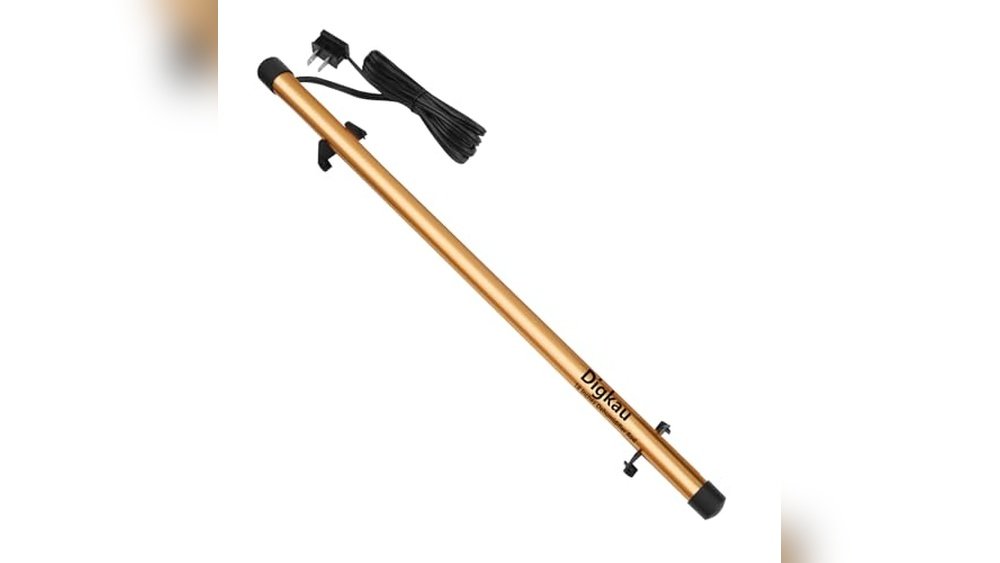
There are mainly two types of mini dehumidifiers. The first type uses a refrigerant system. It cools the air to collect moisture. The second type uses a desiccant material. This material absorbs moisture from the air. Both types work well in small rooms. Each type suits different environments and needs.
Benefits Of Mini Dehumidifiers
Mini dehumidifiers offer several advantages for small spaces. They help reduce moisture without taking up much room. These devices work quietly and require minimal effort to operate. Perfect for bedrooms, bathrooms, or closets, mini dehumidifiers improve comfort and protect belongings from dampness.
Understanding their benefits helps decide if they fit your needs. Below are key advantages of mini dehumidifiers.
Portability And Convenience
Mini dehumidifiers are lightweight and easy to move. You can place them anywhere in your home or office. Their small size fits well on shelves, desks, or counters. This makes them ideal for quick moisture control in different rooms. No heavy lifting or complicated setup needed.
Energy Efficiency
These devices use less power than larger models. They consume minimal electricity while running effectively. This saves money on energy bills each month. Small units also run quietly without disturbing your daily activities. Ideal for constant use in small spaces.
Cost Effectiveness
Mini dehumidifiers cost less upfront than full-sized models. They offer great value for controlling humidity in limited areas. Maintenance costs remain low due to simple design. A budget-friendly choice for renters or those with limited space.
Limitations To Consider
Mini dehumidifiers offer convenience but come with some limits. Understanding these can help you decide if they fit your needs. These devices are not perfect for every situation. Knowing their drawbacks can save time and money.
Capacity Constraints
Mini dehumidifiers have small water tanks. They remove less moisture compared to larger models. This means frequent emptying is needed. They work best for small moisture problems. Big damp areas require more powerful units.
Suitable Room Sizes
These devices are designed for small rooms. Bedrooms, bathrooms, or closets work well. Using them in large spaces reduces their effectiveness. The air moisture might not drop enough. Choose a mini dehumidifier only for limited spaces.
Maintenance Needs
Regular care keeps mini dehumidifiers working well. Tanks need emptying often to avoid spills. Filters and coils may require cleaning. Neglecting maintenance lowers performance and lifespan. Simple upkeep is necessary for long-term use.
Comparing Mini And Standard Dehumidifiers
Mini dehumidifiers and standard dehumidifiers serve the same purpose: removing moisture from the air. They differ in size, power, and capacity. Understanding these differences helps choose the right option for your needs. This section compares their performance and ideal usage scenarios.
Performance Differences
Mini dehumidifiers are smaller and less powerful. They remove less moisture per day than standard units. Standard dehumidifiers work faster and cover larger areas. Mini units suit small spaces like bathrooms or closets. Standard ones handle bigger rooms or whole floors. Noise levels vary; mini models tend to be quieter. Both types help reduce humidity, but speed and capacity differ significantly.
Ideal Usage Scenarios
Mini dehumidifiers fit small, enclosed areas with mild moisture problems. Use them in bedrooms, offices, or RVs. They are easy to move and use less energy. Standard dehumidifiers are best for damp basements or large living rooms. They prevent mold and protect furniture in bigger spaces. Choose a mini unit for spot treatment and a standard one for whole-room control.
User Experiences And Reviews
User experiences and reviews offer real insights into how mini dehumidifiers perform. They help understand practical benefits and common issues. Reading what users say can guide your choice.
Common Praise
Many users find mini dehumidifiers compact and easy to use. They appreciate the quiet operation in bedrooms or offices. Small size fits well in tight spaces. Several users mention quick moisture removal in small rooms. Energy efficiency is a frequent positive point. Easy maintenance and simple water tank emptying receive good feedback. Overall, users like the convenience and portability.
Frequent Complaints
Some users report limited capacity for large rooms. The water tank often needs frequent emptying. A few mention slow moisture removal in very damp areas. Noise can be bothersome for sensitive users. Some devices stop working after months, causing frustration. Others find the fan too weak to circulate air well. Battery life or power cord length can also be limiting. These complaints highlight where mini dehumidifiers may not meet all needs.
Tips For Maximizing Effectiveness
Mini dehumidifiers can help reduce moisture in small spaces. To get the best results, follow a few simple tips. These tips improve the device’s ability to keep the air dry and comfortable. Proper use and care make a big difference.
Placement Strategies
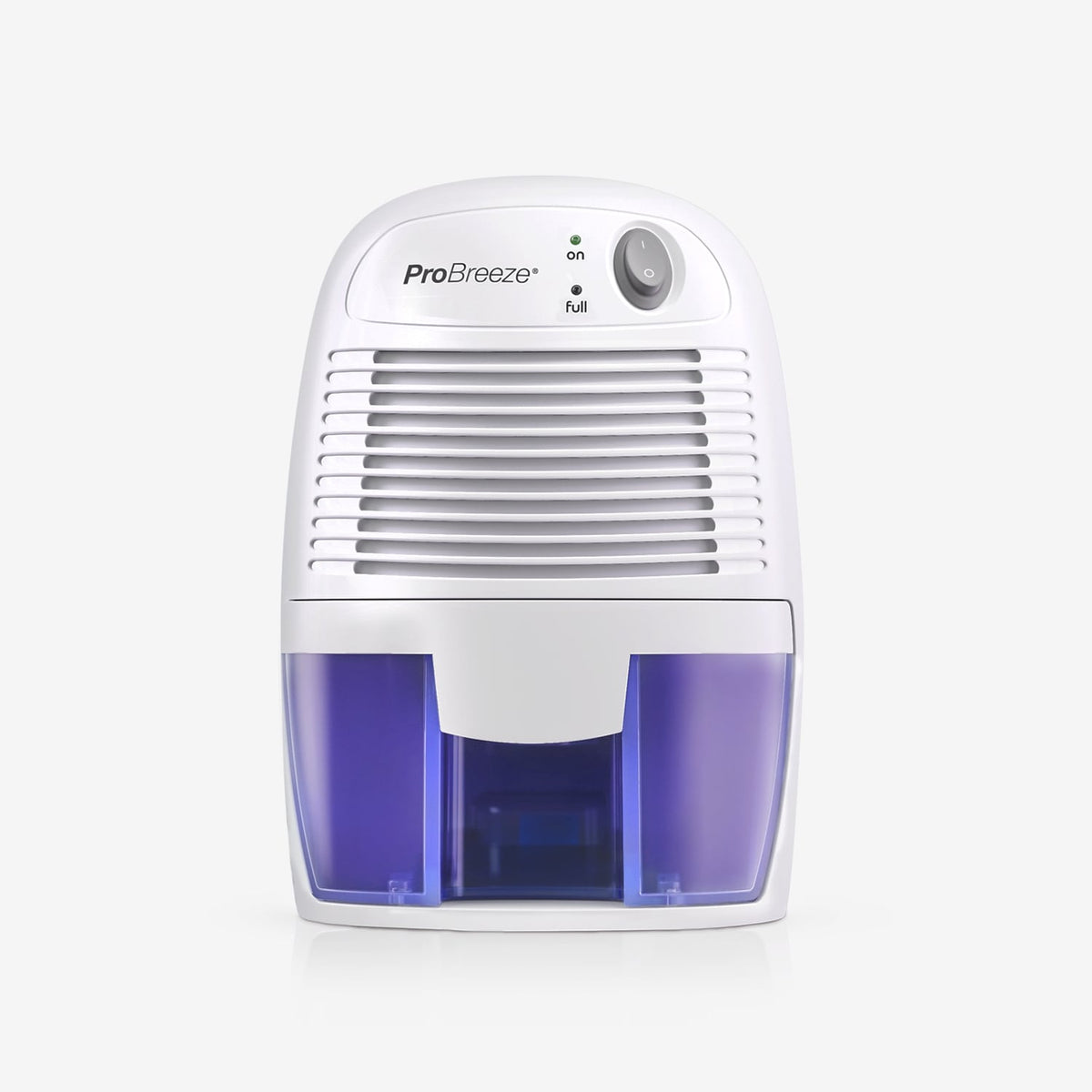
Place the mini dehumidifier where air flows freely. Avoid corners or behind furniture that block air. Keep it near damp areas like closets or bathrooms. Higher spots work better since warm air rises. Do not put it directly on carpet or fabric surfaces. Use a flat, stable surface to avoid tipping.
Regular Maintenance
Empty the water tank often to prevent overflow. Clean the filter regularly to keep air moving well. Check for dust or dirt buildup on the unit. Wipe the exterior with a damp cloth for hygiene. Follow the manufacturer’s instructions for cleaning and care. Proper maintenance extends the device’s life and efficiency.
Complementary Solutions
Use mini dehumidifiers along with good ventilation. Open windows or use fans to improve airflow. Fix leaks or water problems in the area. Use moisture absorbers like silica gel packs for extra help. Avoid activities that add too much moisture indoors. These steps reduce the load on your mini dehumidifier.

Frequently Asked Questions
Are Mini Dehumidifiers Good For Small Rooms?
Mini dehumidifiers are ideal for small spaces. They efficiently reduce humidity levels and prevent mold growth. Their compact size allows easy placement on desks or shelves. For large rooms, a bigger unit is recommended for better performance.
How Much Moisture Can Mini Dehumidifiers Remove?
Most mini dehumidifiers remove about 8 to 20 ounces of moisture daily. This capacity suits small areas with moderate humidity. They help maintain comfortable air quality but are not designed for heavy moisture problems.
Can Mini Dehumidifiers Prevent Mold Effectively?
Yes, mini dehumidifiers help prevent mold by lowering humidity below 60%. Mold thrives in damp conditions, so controlling moisture is key. Regular use in confined spaces can reduce mold risks significantly.
Are Mini Dehumidifiers Energy-efficient?
Mini dehumidifiers consume less power than larger models. They are energy-efficient for small-scale use, saving electricity and reducing bills. However, their small size limits coverage area, requiring longer operation in bigger rooms.
Conclusion
Mini dehumidifiers work well for small spaces and light moisture. They help reduce dampness and prevent mold growth. These devices use less power and are easy to move around. Not ideal for large rooms or very wet areas. Choose one based on your room size and needs.
Regular use keeps air fresh and comfortable. Simple, small, and effective for many homes. Worth considering if moisture is a minor problem.