Are you wondering how often you should empty your dehumidifier tank? If you want your home to stay comfortable and free from excess moisture, knowing the right timing is key.
Ignoring this simple task can lead to problems like mold, bad odors, and even damage to your device. You’ll discover exactly when and why you need to empty your dehumidifier tank to keep your space fresh and your machine running smoothly.
Keep reading—you’ll be surprised how easy it is to protect your home and improve your air quality with just a little attention.
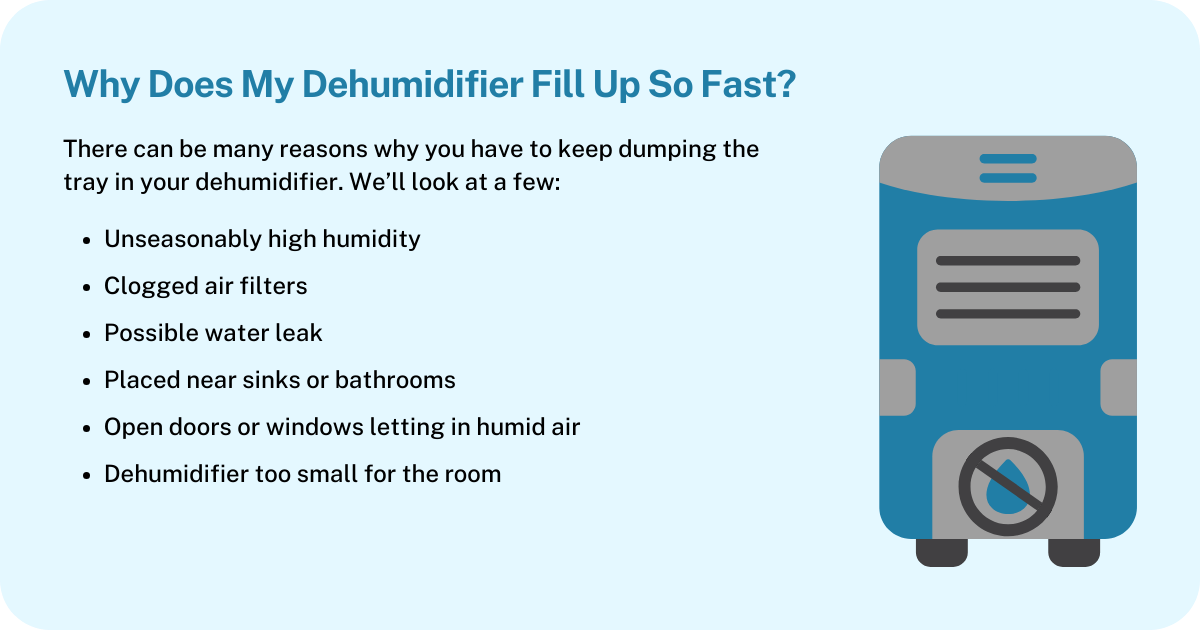
Why Emptying Matters
Emptying the dehumidifier tank is important for the device and your home. It keeps the machine working well and stops problems from happening. Regular emptying helps your dehumidifier do its job without any issues.
Here are key reasons why you should empty the tank often.
Preventing Overflow
The tank fills with water removed from the air. If the tank gets full, water will spill out. Overflow can damage floors and walls. It can also harm the dehumidifier’s parts. Emptying the tank stops water from overflowing. It keeps your space dry and safe.
Maintaining Efficiency
A full tank stops the dehumidifier from working well. The machine may shut off to avoid leaks. This means it cannot remove more moisture. Emptying the tank keeps the dehumidifier running smoothly. It helps control humidity better and saves energy.
Avoiding Mold Growth
Water in a full tank can become stale and dirty. This creates a good place for mold and bacteria. Mold spores can spread into the air and cause health problems. Emptying the tank regularly prevents mold from growing. It keeps your air clean and safe to breathe.
Signs Tank Needs Emptying
Knowing when to empty your dehumidifier tank keeps the machine running well. It also stops water overflow and damage. Watch for clear signs to know the right time to empty the tank. These signs help you avoid problems and keep your space dry.
Full Tank Indicator
Most dehumidifiers have a full tank indicator light. This light turns on when the tank reaches its limit. It tells you to stop the machine and empty the water. Ignoring this light can cause leaks or shut down the unit.
Water Level Changes
Look at the tank’s water level regularly. If the water rises quickly, the tank needs emptying more often. Slow water rise means you can empty it less frequently. Watching the water level helps you plan when to empty the tank.
Decreased Performance
Your dehumidifier works best with an empty tank. If it stops removing moisture well, the tank might be full. A full tank can make the machine stop working. Emptying the tank often keeps the performance strong and steady.
Factors Affecting Frequency
Emptying a dehumidifier tank depends on several factors. These factors affect how quickly the tank fills up. Understanding them helps keep your space dry and your device running well.
Room Humidity Levels
High humidity means the dehumidifier works harder. It collects more water in less time. In damp rooms, expect to empty the tank more often. Dry rooms fill the tank slowly. This means less frequent emptying.
Dehumidifier Capacity
Tanks come in different sizes. Larger tanks hold more water. They need emptying less often. Smaller tanks fill up quickly. This requires more frequent attention. Always check the tank size before use.
Usage Duration
How long you run the dehumidifier affects tank fill rate. Running it all day fills the tank fast. Short or occasional use slows the filling process. Adjust emptying based on how long the device runs.
Recommended Emptying Schedule
Knowing how often to empty your dehumidifier tank helps keep your home dry. It also keeps the machine working well. Different conditions need different emptying schedules. Follow this guide to find the best routine for your space.
Daily Routine
Check the tank every day in normal conditions. Empty it if it looks full or near full. This prevents overflow and water spills. Daily checks keep your dehumidifier running without problems.
Weekly Checks
In low humidity areas, empty the tank once a week. This saves time and effort. Make sure the tank stays clean. Clean it during weekly emptying to stop mold and smells.
Heavy Moisture Conditions
Empty the tank multiple times a day in very damp places. High humidity fills the tank fast. Check it more often during rainy days or after activities like cooking or showering. Frequent emptying keeps moisture under control.
Automatic Drainage Options
Automatic drainage options for dehumidifiers reduce the need to empty the tank manually. These features help keep your space dry without constant attention. They allow the collected water to drain continuously or pump out, making maintenance easier and more convenient.
Continuous Drain Hose
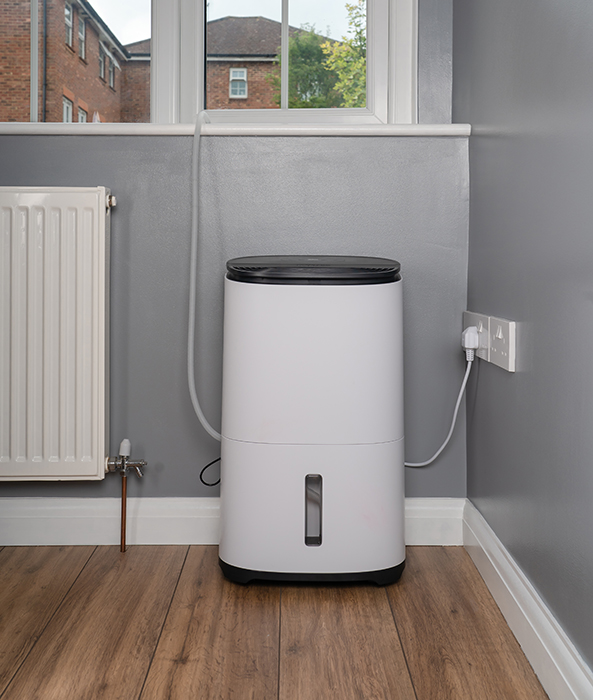
This option uses a hose to drain water directly from the tank. The hose leads to a floor drain or a sink. Water flows out automatically as the tank fills. It works best if your dehumidifier is near a drain. No need to stop and empty the tank. Continuous draining lets the dehumidifier run longer without interruption.
Pump-enabled Models
Some dehumidifiers come with a built-in pump. The pump pushes water up and out through a hose. This feature is good if the drain is higher than the unit. You can place the dehumidifier anywhere in the room. The pump moves water to sinks or outside drains. It saves effort and lets the dehumidifier work nonstop.
Tips For Tank Maintenance
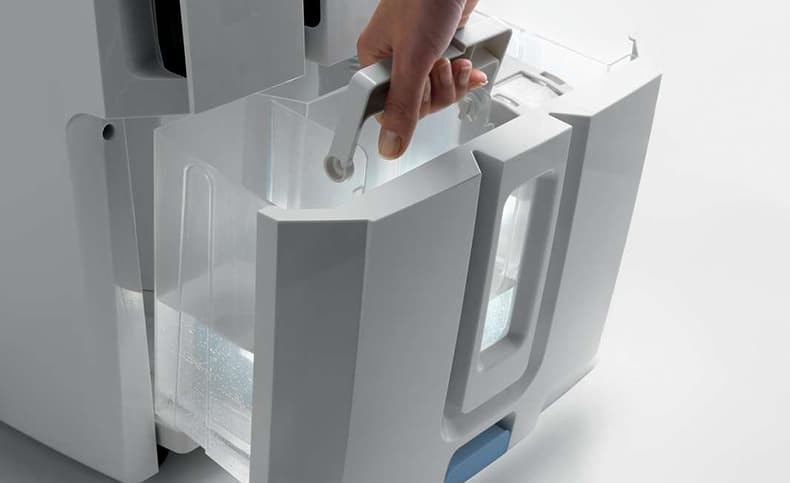
Keeping your dehumidifier tank in good shape helps it work well longer. Proper tank care stops bad smells and mold growth. Follow these simple tips to maintain your tank and keep the air fresh.
Regular Cleaning
Empty the tank every time it fills up. Wash it with warm, soapy water at least once a week. Use a soft cloth or sponge to clean all sides. Rinse thoroughly to remove soap. Let it dry completely before putting it back.
Avoiding Odors
Stagnant water causes bad smells. Empty the tank daily to prevent this. Clean the tank often with vinegar or mild bleach solution. This kills bacteria and mold. Keep the tank dry when not in use to stop odor build-up.
Proper Storage
Store the tank in a dry place when not using the dehumidifier. Make sure it is fully dry before storage. Avoid direct sunlight to protect the plastic. Store it in a clean spot to keep dust away. This keeps the tank fresh and ready to use.
Frequently Asked Questions
How Often Should I Empty A Dehumidifier Tank?
You should empty the dehumidifier tank whenever it is full. This could be daily or every few days, depending on humidity levels and tank size. Regular emptying prevents overflow and ensures efficient dehumidifier performance.
What Happens If I Don’t Empty The Tank Regularly?
If the tank isn’t emptied regularly, it may overflow, causing water damage. The dehumidifier may also shut off automatically, reducing its effectiveness in controlling humidity.
Can I Use A Continuous Drainage Option Instead?
Yes, many dehumidifiers offer a continuous drainage feature. It allows automatic water removal via a hose, eliminating frequent manual emptying. This is ideal for high humidity areas or extended use.
Does Tank Size Affect How Often I Empty It?
Yes, larger tanks require less frequent emptying, while smaller tanks fill quickly. Consider your room size and humidity when choosing a tank size for convenience.
Conclusion
Empty the dehumidifier tank regularly to keep it working well. Check the tank every day or two, especially in humid places. Don’t let the water stay too long inside. A full tank can stop the machine from working properly. Emptying often helps prevent mold and bad smells.
This simple habit keeps your air fresh and dry. Remember, a little care goes a long way with your dehumidifier. Stay consistent, and your home will feel more comfortable every day.