Are you thinking about upgrading your security with a biometric portable lock box? You might be wondering if these high-tech devices are truly reliable when it comes to protecting your valuables.
After all, your peace of mind depends on it. You’ll discover how biometric lock boxes work, their strengths, and potential weaknesses. By the end, you’ll know exactly whether this smart security solution is right for you. Keep reading to find out what makes biometric portable lock boxes a trusted choice—or not.

Biometric Lock Boxes Basics
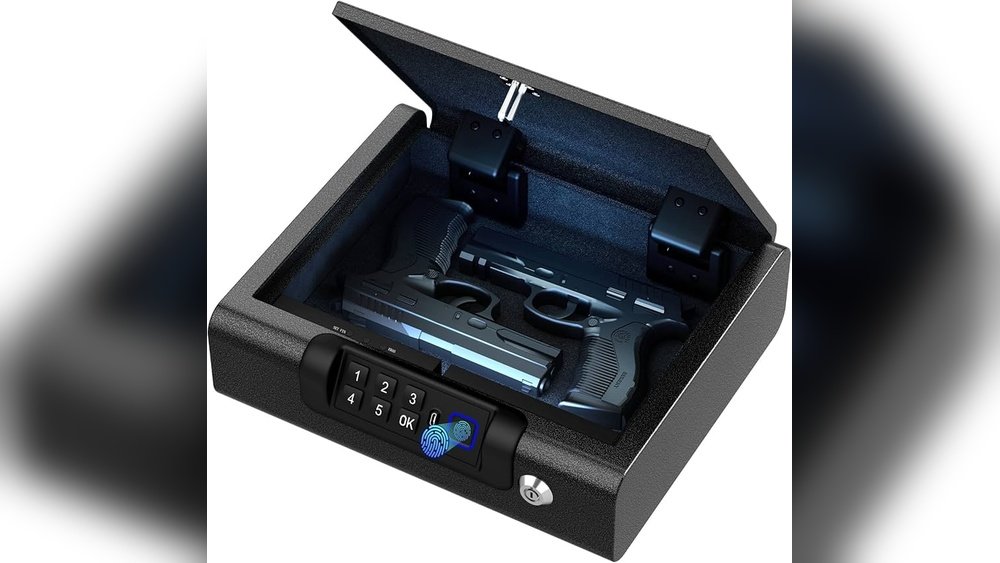
Biometric portable lock boxes offer a modern way to secure valuables. They use unique body features for access. This makes them harder to break into than traditional locks. Understanding the basics helps to see how reliable they are.
These lock boxes rely on technology that reads fingerprints or other biometric data. They store this data safely and compare it each time someone tries to open the box. Only registered users can gain entry, adding a strong layer of protection.
How Biometric Technology Works
Biometric technology scans a physical trait like a fingerprint. It converts the scan into a digital code. The lock box checks this code against saved codes. If it matches, the lock opens. This process happens quickly, often in seconds. The technology is designed to be accurate and fast for user convenience.
Types Of Biometric Sensors
There are several sensor types used in biometric lock boxes. Optical sensors use light to capture fingerprint images. Capacitive sensors measure electrical signals from the skin. Ultrasonic sensors use sound waves to create detailed fingerprint maps. Each type has strengths in accuracy and speed. Brands choose sensors based on cost and security needs.
Security Features
Biometric portable lock boxes offer several security features to protect your valuables. These features focus on ensuring quick and secure access. They also prevent unauthorized entry. Understanding these features helps you trust the device more.
Fingerprint Recognition Accuracy
Fingerprint recognition is the main security feature of biometric lock boxes. High accuracy reduces false acceptance and rejection rates. Quality sensors capture detailed fingerprint patterns. This ensures only registered users can open the box. Many models improve accuracy with multiple scans. This technology keeps your items safe from strangers.
Anti-tampering Mechanisms
Anti-tampering mechanisms protect the lock box from forced entry. Some boxes have alarms that sound if tampered with. Others lock permanently after several wrong attempts. Strong materials resist cutting or prying. These features discourage break-ins and increase security. They make the lock box a reliable choice for sensitive items.
Backup Access Options
Backup access options are essential for emergencies. Most biometric boxes include a physical key or a passcode. These options allow entry if the fingerprint sensor fails. Backup methods ensure you never lose access. They provide peace of mind while keeping security intact.
Portability And Design
Portability and design play a big role in the reliability of biometric portable lock boxes. A lock box should be easy to carry and strong enough to protect important items. The design must balance security and convenience. Users want a lock box that fits their needs without being heavy or fragile.
Material Durability
Strong materials improve the lock box’s lifespan. Most use steel or heavy-duty metal. These materials resist breaks and scratches. A durable lock box protects contents from theft and damage. Some models add a protective coating to avoid rust and wear. Material quality directly affects how safe the lock box is.
Size And Weight Considerations
The size affects how easy the lock box is to carry. Small boxes fit in bags or pockets. Larger boxes hold more but weigh more. Weight matters if you move the box often. A good design keeps the lock box light without losing strength. Size and weight must match your daily use.
Weather Resistance
Lock boxes face rain, dust, and temperature changes. Weather resistance keeps the lock box working well outdoors. Some lock boxes have seals to keep moisture out. Rust-proof materials also help in wet conditions. Weather resistance adds to the box’s reliability and longevity.
Common Reliability Concerns
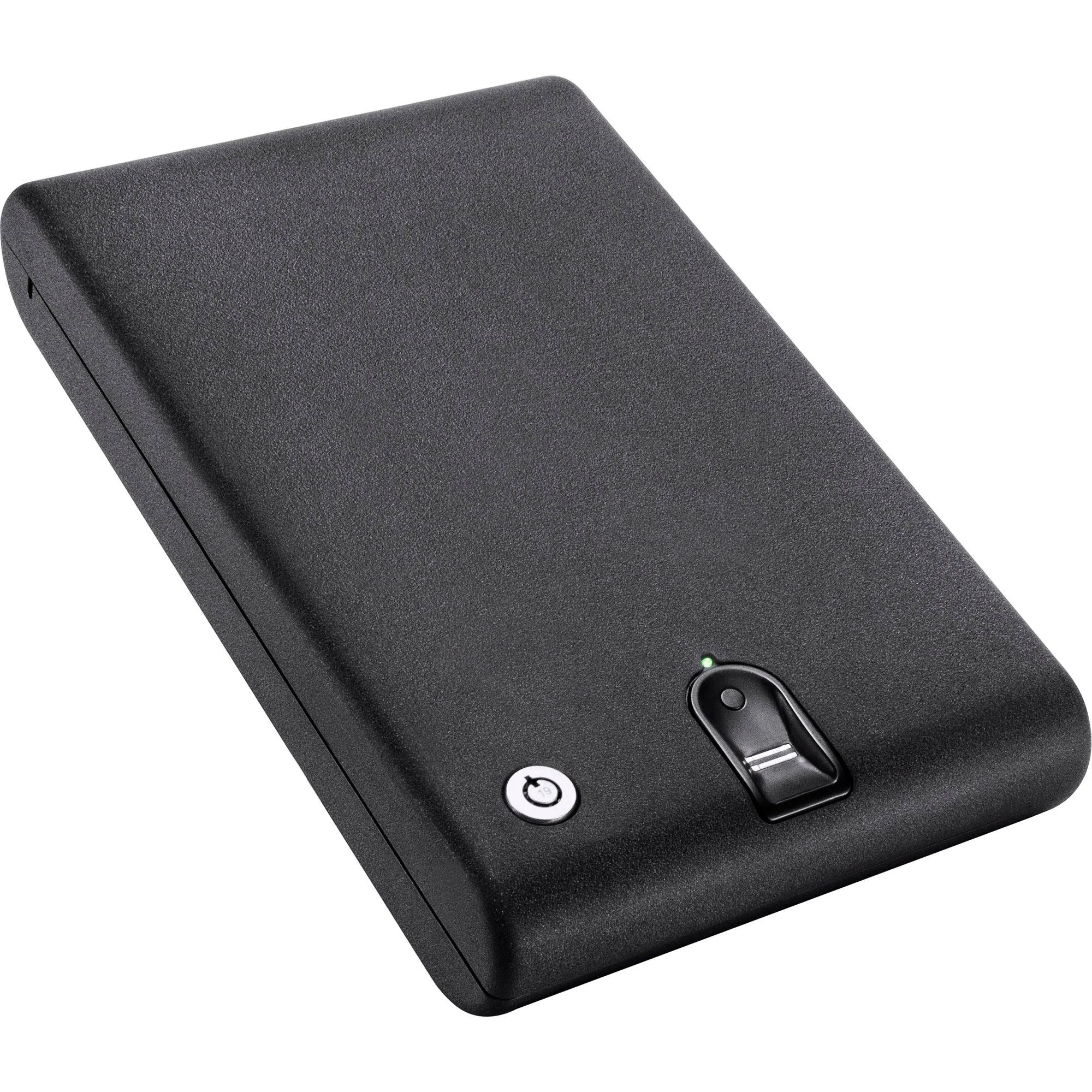
Biometric portable lock boxes offer modern security with fingerprint access. Yet, some reliability concerns affect their performance. Understanding these issues helps users make smart choices. Below are common problems that may arise with these devices.
False Rejections And Acceptances
False rejections happen when the box does not recognize an authorized fingerprint. This causes frustration and delays access. Dirt, wet fingers, or sensor quality often cause these errors. False acceptances are rare but risky. They occur when the box unlocks for an unauthorized person. Regular cleaning and good sensor quality reduce these problems.
Battery Life And Power Issues
Biometric lock boxes run on batteries. Low battery power can lead to lockouts or slow response. Some models alert users when batteries are low. Others may stop working suddenly without warning. Using high-quality batteries and checking power levels often ensures smooth operation.
Wear And Tear Effects
Portable lock boxes face physical wear from daily use. Fingerprint sensors can wear down or get scratched. Extreme weather can also affect the device’s electronics. Proper care and avoiding harsh conditions increase the lock box’s lifespan. Regular maintenance keeps it reliable for longer.
User Experiences
User experiences provide valuable insights into the reliability of biometric portable lock boxes. Real users share their thoughts about the strengths and weaknesses of these devices. Their feedback helps others understand what to expect and how to use the lock boxes best.
Positive Feedback
Many users praise the quick access feature of biometric lock boxes. They like opening the box with just a fingerprint. Users find this method faster than typing codes or using keys.
People also mention the strong build quality. The lock boxes feel sturdy and secure. This gives them confidence to store important items safely.
Several users appreciate the convenience of portability. They carry the lock boxes easily during travel or outdoor activities.
Reported Problems
Some users report issues with fingerprint recognition. The sensor sometimes fails to read prints correctly. Dirt, moisture, or cold weather may cause this problem.
Battery life is another concern. A few users say the batteries drain faster than expected. This can cause the lock box to become unusable until batteries are replaced.
Occasional mechanical problems appear in user reports. Hinges or locks may jam or become difficult to operate.
Tips For Optimal Use
Keep your fingers clean and dry before using the sensor. This improves fingerprint recognition accuracy.
Regularly check and replace batteries to avoid power issues. Always carry spare batteries during travel.
Store the lock box in a dry place to prevent rust or damage. Avoid exposing it to extreme weather conditions.
Test the lock box before relying on it fully. Make sure you understand how to use all functions properly.
Comparing Alternatives
Choosing the right lock box can feel tricky. Each type offers different features and security levels. Understanding these options helps you pick the best fit for your needs. Let’s explore the main alternatives to biometric portable lock boxes.
Traditional Lock Boxes
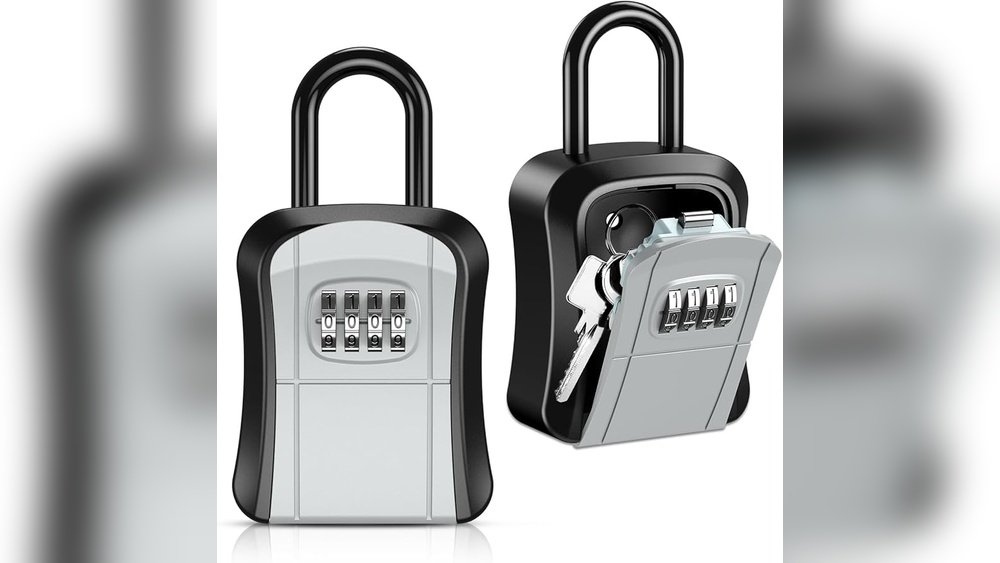
Traditional lock boxes use simple keys or combination dials. They have no electronic parts. This makes them less prone to technical problems. Many users trust these for their straightforward design. Yet, lost keys or forgotten combinations can cause issues. They are usually affordable and easy to use.
Keypad Lock Boxes
Keypad lock boxes use a numeric code for access. You type the code to open the box. This removes the need for physical keys. Codes can be changed often for better security. Some models offer weather resistance and sturdy builds. They balance convenience with decent protection.
Smart Lock Solutions
Smart lock boxes connect to phones or apps. You unlock them with a smartphone or a special app. Some have features like remote access or alerts. These are good for tech-savvy users. They may need batteries or internet connections to work well. Smart locks offer modern convenience with added controls.
Choosing The Right Lock Box
Choosing the right biometric portable lock box is important for keeping valuables safe. The right choice depends on several factors. Each person’s needs are different. Understanding these factors helps pick a lock box that fits well.
Assessing Security Needs
Think about what you want to protect. Small items like keys need less space. Important documents need more room. Consider where you will use the lock box. Outdoor use may need weather resistance. Higher security may need stronger materials. Choose a lock box with features matching your needs.
Budget Considerations
Set a clear budget before shopping. Biometric lock boxes vary in price. More expensive boxes often have better features. But even affordable options can offer good security. Balance cost with quality and features. Avoid spending too little on low-quality boxes. A fair budget helps find a reliable lock box.
Brand Reputation And Reviews
Choose brands known for quality and security. Check customer reviews to learn about real experiences. Look for consistent positive feedback. Beware of many complaints about problems or failures. Trusted brands often provide better support and warranties. Good reputation reduces risks of buying poor products.
Frequently Asked Questions
Are Biometric Portable Lock Boxes Secure Against Theft?
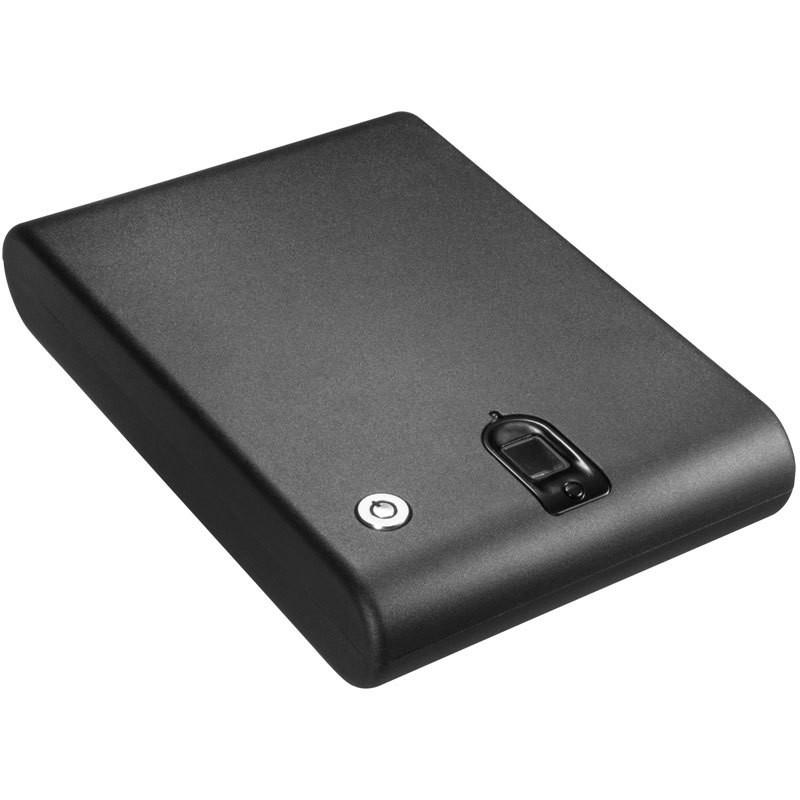
Biometric lock boxes use fingerprint recognition, making unauthorized access very difficult. They offer strong security compared to traditional locks. However, no system is 100% foolproof, so choose high-quality models with advanced encryption for best protection.
How Reliable Are Biometric Sensors In Lock Boxes?
Biometric sensors in lock boxes are highly reliable under normal conditions. They quickly and accurately recognize authorized fingerprints. Occasional errors may occur due to dirt or moisture, but regular maintenance improves performance significantly.
Can Biometric Lock Boxes Be Hacked Or Bypassed?
While biometric lock boxes are difficult to hack, no system is fully immune. Advanced models include anti-tampering features to prevent bypass attempts. Choosing reputable brands with robust security updates reduces hacking risks.
Do Biometric Lock Boxes Work Without Batteries?
No, biometric portable lock boxes require batteries to operate fingerprint sensors and locking mechanisms. Battery life varies by model but typically lasts several months. Always keep spare batteries handy to avoid lockouts.
Conclusion
Biometric portable lock boxes offer good security and ease of use. They respond quickly to fingerprints, making access fast and simple. Still, no system is perfect; occasional errors can happen. Choose a model with positive reviews and strong build quality.
Regular maintenance helps keep the lock working smoothly. For everyday security needs, these lock boxes provide reliable protection. They suit people who want quick access without carrying keys. Overall, biometric lock boxes balance convenience and safety well.