You’ve just finished shooting your 9mm ammo, and now it’s time to take care of your firearm. Cleaning and maintaining your gun isn’t just about keeping it looking good—it’s essential for your safety and the gun’s performance.
If you want your firearm to work smoothly every time you pull the trigger, you need to know the right steps to clean it properly. In this guide, you’ll discover simple, effective tips that anyone can follow to keep your 9mm in top shape.
Ready to protect your investment and ensure your next shooting experience is flawless? Let’s dive in.
Preparing For Cleaning
Preparing for cleaning your firearm after shooting 9mm ammo is very important. Proper preparation makes the process safe and efficient. It helps prevent damage to your gun and keeps you safe. Follow these steps before starting to clean your firearm.
Gathering Essential Tools
Get all cleaning tools before you begin. You need cleaning rods, brushes, patches, and solvent. Use a quality gun oil for lubrication. Have a soft cloth and gloves ready. These tools help clean every part of your firearm well.
Setting Up A Safe Workspace
Choose a clean, flat surface with good light. Avoid clutter to stop losing small parts. Use a mat to protect your table. Make sure your workspace is well ventilated. Keep children and pets away from this area.
Ensuring Firearm Is Unloaded
Always check that the firearm is completely unloaded. Remove the magazine and open the action. Look inside the chamber to be sure no ammo remains. Double check before handling the gun further. Safety is the first rule when cleaning firearms.
Disassembling The Firearm
Disassembling your firearm is the first step to proper cleaning and maintenance. It helps reach all areas where dirt and residue hide. Taking the gun apart carefully prevents damage and keeps it working well. Each part must be handled with care to avoid losing small pieces.
Basic Field Stripping Steps
Start by ensuring the gun is unloaded. Remove the magazine and check the chamber. Lock the slide back to inspect inside. Release the slide and push out the takedown pins. Separate the slide from the frame slowly. Remove the recoil spring and barrel next. Follow the manufacturer’s guide for your specific model.
Handling Small Parts Carefully
Keep small parts organized in a tray or cloth. Avoid dropping pins or springs on the floor. Use tools gently to prevent scratches or bending. Clean each piece with a soft brush or cloth. Store parts in a safe place until reassembly. Careful handling saves time and keeps your firearm safe.
Cleaning The Barrel
Cleaning the barrel is a key step after shooting 9mm ammo. The barrel collects residue and fouling that can affect performance. Regular cleaning keeps your firearm accurate and safe. It also extends the life of the barrel. This section explains how to clean the barrel properly.
Using Bore Brushes And Patches
Start by selecting the right bore brush for 9mm barrels. Use a nylon or bronze brush to avoid damage. Attach the brush to a cleaning rod. Push it through the barrel several times. This loosens dirt and powder residue. Next, use clean patches on the rod. Run patches through the barrel until they come out clean. Change patches often for best results.
Applying Solvent Effectively
Apply a quality gun solvent to the bore brush or patch. Solvent breaks down carbon and lead fouling. Let the solvent sit inside the barrel for a few minutes. This softens stubborn residue. Avoid letting the solvent dry out. Use enough to cover the entire barrel surface. Proper solvent use makes cleaning easier and more thorough.
Removing Residue And Fouling
After soaking, scrub the barrel again with the bore brush. Follow with clean patches to wipe away loosened residue. Repeat this process until patches show no dirt. Check the barrel visually for remaining fouling. Use a clean cloth to dry the inside of the barrel. Make sure no solvent or residue remains. Proper removal of fouling keeps the barrel safe and reliable.

Cleaning Other Components
Cleaning your firearm involves more than just the barrel. Other parts need care too. Proper maintenance keeps your gun safe and working well. Dirt and residue can build up in different places. These areas need attention after shooting 9mm ammo.
Slide And Frame Maintenance
Remove the slide from the frame carefully. Wipe down the slide with a clean cloth. Use a brush to clean small crevices and rails. Check for any dirt or powder residue. Clean the frame with a soft brush or cloth. Avoid soaking the frame in solvent to protect finishes.
Inspect the slide and frame for damage. Make sure the parts move smoothly. Clean all contact points where metal meets metal. This prevents wear and tear over time.
Cleaning The Magazine
Remove the magazine from the firearm. Disassemble the magazine if possible. Use a dry cloth to wipe the inside and outside. Brush out any dirt or debris from the spring and follower. Avoid using oil inside the magazine to prevent sticking. Dry the parts completely before reassembling.
Check the magazine for damage or rust. A clean magazine ensures reliable feeding of 9mm rounds.
Lubricating Moving Parts
Apply a small amount of gun oil to moving parts. Focus on the slide rails, barrel link, and trigger mechanism. Use a clean cloth to spread the oil evenly. Avoid over-lubrication as it can attract dirt. Proper lubrication reduces friction and wear.
Test the firearm’s action after lubrication. Ensure all parts move smoothly without resistance.
Reassembling And Function Check
After cleaning your firearm, reassembling and performing a function check is essential. This step ensures your gun works safely and correctly. Proper reassembly avoids damage and keeps parts in place. Function checks confirm everything operates as it should.
Proper Reassembly Techniques
Start by following the manual for your specific firearm model. Lay out all parts in order to avoid confusion. Insert the barrel, slide, and recoil spring carefully. Align the slide with the frame before sliding it back. Lock the slide in place securely. Check that no parts are loose or out of position. Take your time to avoid forcing pieces together. Proper fit prevents malfunctions during shooting.
Performing Safety And Function Tests
First, ensure the firearm is unloaded before testing. Engage the safety if your gun has one. Rack the slide several times to check smooth movement. Test the trigger pull to ensure it resets correctly. Dry fire the gun in a safe direction to check firing mechanism. Check the magazine release and slide lock functions. If anything feels wrong, disassemble and inspect again. These tests confirm your firearm is ready and safe to use.
Routine Maintenance Tips
Routine maintenance is key to keeping your firearm safe and reliable. Regular care ensures your 9mm pistol works smoothly every time. It also helps avoid costly repairs and extends the life of your gun.
Follow simple steps after shooting to maintain your weapon’s performance. Clean and store it properly to protect from damage. Small actions make a big difference over time.
Frequency Of Cleaning
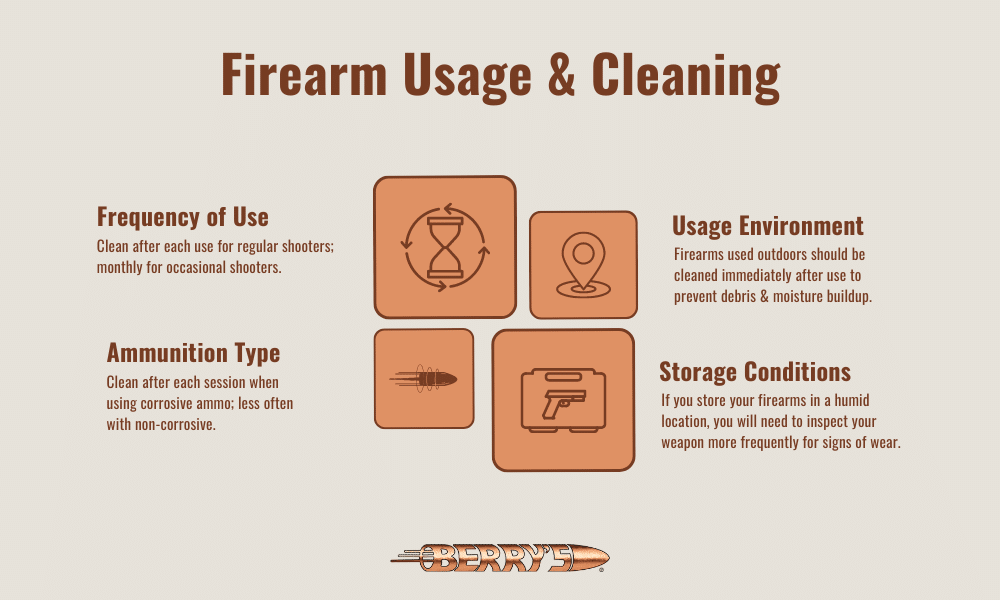
Clean your firearm after every shooting session. Residue from 9mm ammo builds up quickly inside the barrel and chamber. This can cause jams or misfires.
Even if you did not shoot much, check and clean the gun monthly. Dust and moisture can also affect performance. More frequent cleaning is needed in wet or dusty places.
Storing Firearms Safely
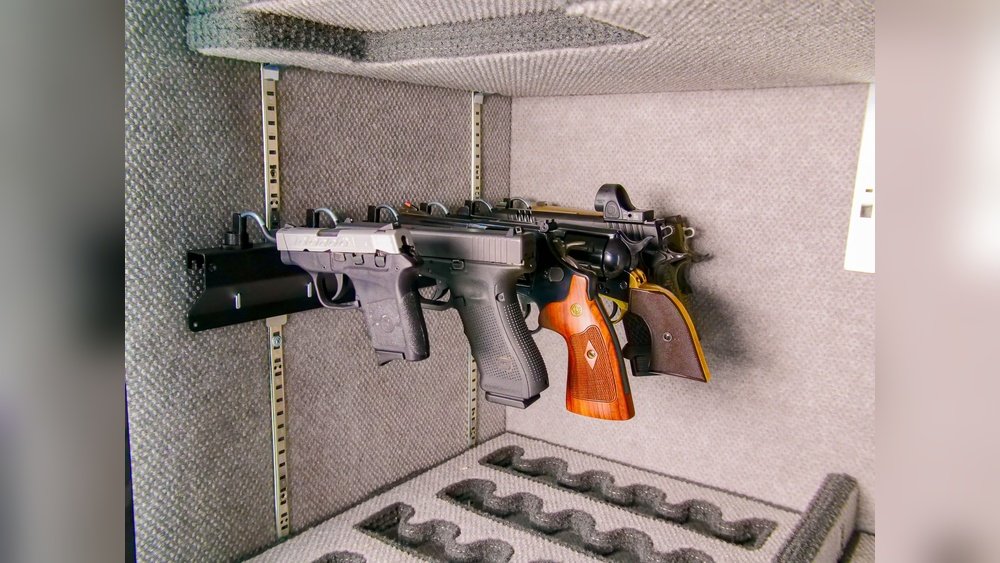
Store your firearm in a dry, cool place. Use a gun safe or lock box to keep it secure. Proper storage prevents accidents and unauthorized use.
Keep ammo separate from the gun. Avoid leaving the firearm exposed to sunlight or heat. This can damage the metal and plastic parts.
Preventing Rust And Corrosion
Apply a light coat of oil on metal surfaces after cleaning. This creates a barrier against moisture and rust. Use gun-specific lubricants for best results.
Check your firearm regularly for signs of rust. Wipe off any moisture immediately. Rust weakens parts and can cause malfunctions.
Frequently Asked Questions
How Often Should I Clean My 9mm Firearm After Shooting?
You should clean your 9mm firearm after every shooting session. This prevents residue buildup and ensures reliable performance. Regular cleaning extends your firearm’s lifespan and maintains accuracy. Neglecting cleaning can cause corrosion and malfunctions.
What Tools Are Essential For Cleaning 9mm Firearms?
Essential tools include a cleaning rod, bore brush, patches, solvent, lubricant, and a cleaning mat. These tools help remove powder residue and fouling efficiently. Using the right tools protects the firearm’s finish and internal parts from damage.
Can I Use Household Oils For Firearm Lubrication?
No, avoid household oils. Use lubricants specifically designed for firearms. These oils withstand heat and friction better. Proper firearm lubricants prevent wear and corrosion, ensuring smooth operation and safety during shooting.
How Do I Safely Disassemble My 9mm Pistol For Cleaning?
Always ensure the firearm is unloaded before disassembly. Follow the manufacturer’s instructions carefully. Use proper tools and work in a clean, well-lit area. Proper disassembly prevents damage and allows thorough cleaning of all parts.
Conclusion
Cleaning and maintaining your firearm after shooting 9mm ammo keeps it safe and reliable. Regular care stops rust and wear. Use the right tools and follow steps carefully. A clean gun works better and lasts longer. Take time to clean after each use.
This simple habit protects your investment and ensures safety. Stay consistent, and your firearm will perform well every time you shoot. Safe handling and proper care go hand in hand. Keep your firearm ready and in top shape.