If you’ve ever shopped for ammunition or talked about handguns, you’ve probably heard both “9mm” and “9mm Luger” mentioned. But are they the same, or is there a real difference you should know about?
Understanding this can save you from costly mistakes and help you make smarter choices for your firearm needs. You’ll discover the clear differences between 9mm and 9mm Luger—so you can feel confident the next time you head to the range or the store.
Keep reading, because knowing the right details could make all the difference for your safety and performance.
9mm Basics
The term “9mm” is often used to describe a popular type of ammunition and firearms chambered for it. Many people also hear “9mm Luger” and wonder if it means something different. Understanding the basics of 9mm helps clear up confusion. This section explains the origins and common uses of 9mm cartridges.
Origins And History
The 9mm cartridge was created in 1902 by Georg Luger. It was designed for the Luger semi-automatic pistol. This cartridge quickly became popular due to its balance of power and size. Many countries’ military forces adopted it through the 20th century. The name “9mm Luger” refers to this original design by Luger. Over time, many versions of 9mm ammunition appeared, but the 9mm Luger remains a standard.
Common Uses
9mm ammo is widely used in handguns and some submachine guns. It is popular for self-defense and law enforcement. The cartridge offers manageable recoil and sufficient stopping power. Many shooting ranges use 9mm for training and practice. It is also common in competitive shooting sports. The 9mm Luger is the most recognized and common 9mm round today.
9mm Luger Overview
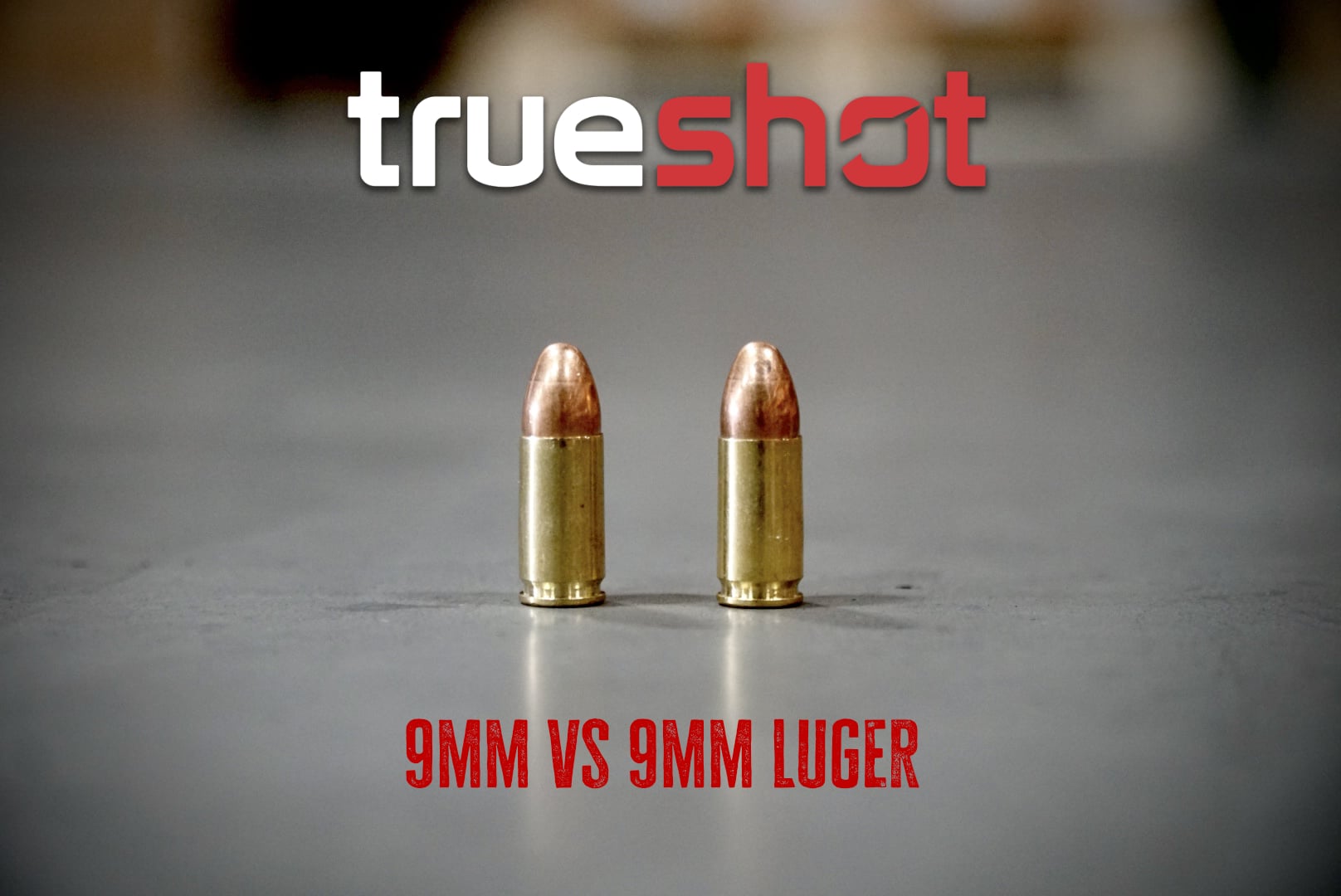
The 9mm Luger is one of the most popular handgun cartridges worldwide. It has a long history and is widely used by police and military forces. The cartridge is known for its balance of size, power, and recoil, making it a favorite for self-defense and sport shooting.
This overview explains the key features of the 9mm Luger. Understanding its design and performance helps clarify its role compared to other 9mm cartridges.
Design And Specifications
The 9mm Luger cartridge measures 9x19mm in size. It uses a rimless, tapered case that fits well in semi-automatic pistols. The bullet diameter is about 9.01 mm, and the case length is 19.15 mm. The overall cartridge length is roughly 29.69 mm.
This design allows for reliable feeding and ejection in most handguns. It is compatible with a wide range of firearms. The 9mm Luger uses a small pistol primer and typically fires bullets weighing between 115 to 147 grains.
Performance Characteristics
The 9mm Luger offers moderate recoil, making it easier to control. It delivers muzzle velocities from 1,000 to 1,200 feet per second. This speed provides good stopping power for its size.
Its performance varies with bullet type and load. The cartridge provides a balance between penetration and expansion. It is effective for self-defense and target shooting alike.
Its popularity stems from its versatility and manageable recoil. The 9mm Luger remains a top choice for many shooters around the world.
Differences In Dimensions
Understanding the dimensional differences between 9mm and 9mm Luger is important for firearm users. Both cartridges seem similar but have subtle size variations. These differences affect their use and compatibility with firearms.
Case Length Comparison
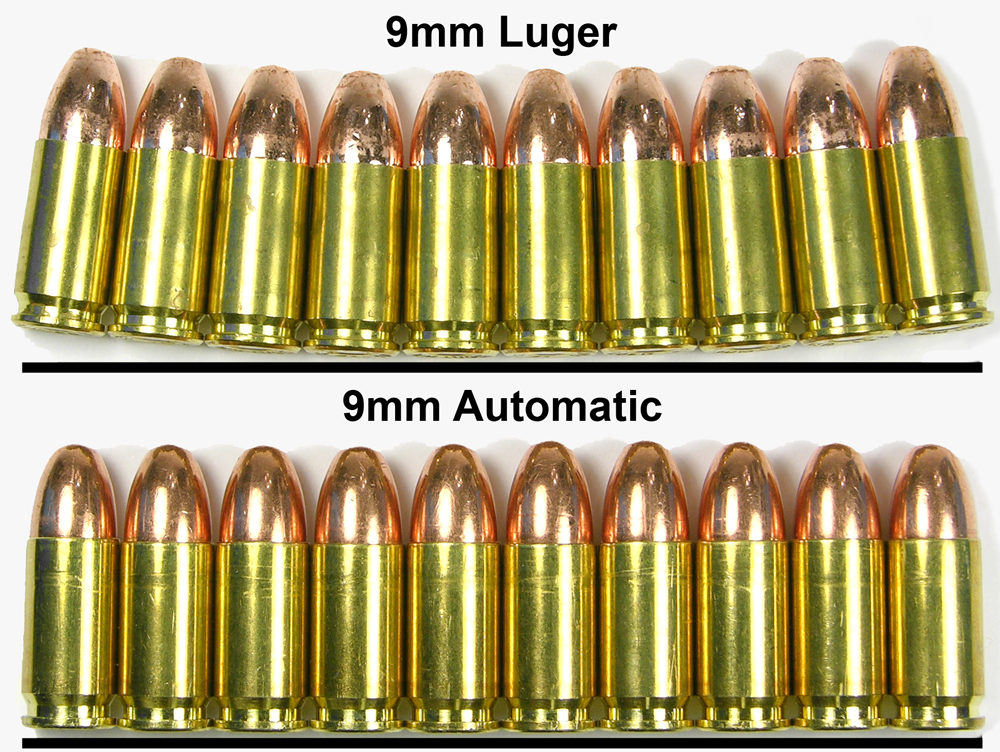
The 9mm Luger has a case length of about 19.15 millimeters. The basic 9mm cartridge is slightly shorter or can vary depending on the specific type. This small difference helps ensure the 9mm Luger fits properly in many semi-automatic pistols. Firearms made for 9mm Luger might not work well with cartridges of different case lengths.
Bullet Diameter Details
Both 9mm and 9mm Luger typically use bullets with a diameter close to 9.01 millimeters. The bullet diameter remains consistent across these cartridges. This helps maintain accuracy and performance. The main difference lies more in the case size than in the bullet diameter itself.
Ammunition Compatibility
Ammunition compatibility is important for gun owners and shooters. It means using the right bullets for the right guns. The terms “9mm” and “9mm Luger” often confuse many. Understanding their compatibility helps avoid mistakes. It ensures guns work well and stay safe.
Cross-compatibility Issues
9mm and 9mm Luger are often thought to be the same. They mostly are. The 9mm Luger is the full name for the common 9mm cartridge. Some other 9mm types exist, like 9mm Kurz or 9mm Makarov. These can cause problems if used wrongly. Guns designed for 9mm Luger may not fit other 9mm rounds. Using the wrong ammo can jam the gun or cause damage.
Safety Considerations
Using the correct ammo prevents accidents. The wrong cartridge can cause the gun to explode or malfunction. Always check the gun’s manual or markings before loading. Never mix 9mm Luger with other 9mm types unless confirmed safe. Safety is the top priority in shooting. Proper ammo use protects you and your gun.
Performance And Ballistics
The performance and ballistics of 9mm and 9mm Luger rounds are key to understanding their use. Both are popular choices for handguns and self-defense. Their differences affect how they shoot and feel during use. This section explains these differences in clear terms.
Velocity And Energy
The 9mm Luger generally has higher velocity than the basic 9mm. This means it travels faster after leaving the barrel. Higher speed gives the bullet more power on impact. Energy transfer is better with 9mm Luger, making it more effective for stopping threats. The standard 9mm may have lower energy but still works well for target practice.
Recoil And Accuracy
Recoil is the kick felt when firing. The 9mm Luger has slightly more recoil due to its higher power. This can affect shooting comfort and control for some users. The 9mm typically has less recoil, making it easier to handle for beginners. Accuracy depends on the shooter and gun, but the 9mm Luger can offer better precision at longer distances because of its speed.
Legal And Market Perspectives
The legal and market perspectives of 9mm and 9mm Luger cartridges vary widely. Laws and regulations influence their use and availability across regions. Market demand also shapes how these cartridges are named and sold. Understanding these aspects helps buyers and sellers navigate the firearm world better.
Naming Conventions In Different Regions
The name “9mm” often causes confusion. In some places, it refers to the 9mm Luger cartridge specifically. Other regions use “9mm” to describe a range of 9mm caliber rounds. The term “9mm Luger” is more precise. It points to the cartridge developed by Georg Luger in 1902. Europe mostly uses “9mm Luger” to avoid mix-ups. In the US, “9mm” usually means 9mm Luger too. Still, some markets list other 9mm cartridges separately.
Availability And Popularity
The 9mm Luger is the most popular 9mm cartridge worldwide. Military, police, and civilian shooters favor it. Its availability is very high in most countries. Other 9mm rounds like 9mm Kurz or 9mm Makarov are less common. These have limited market presence and availability. The 9mm Luger enjoys strong support from manufacturers. Ammo and firearms chambered for it are easy to find. This popularity drives down cost and boosts accessibility for shooters.
Frequently Asked Questions
What Is The Difference Between 9mm And 9mm Luger?
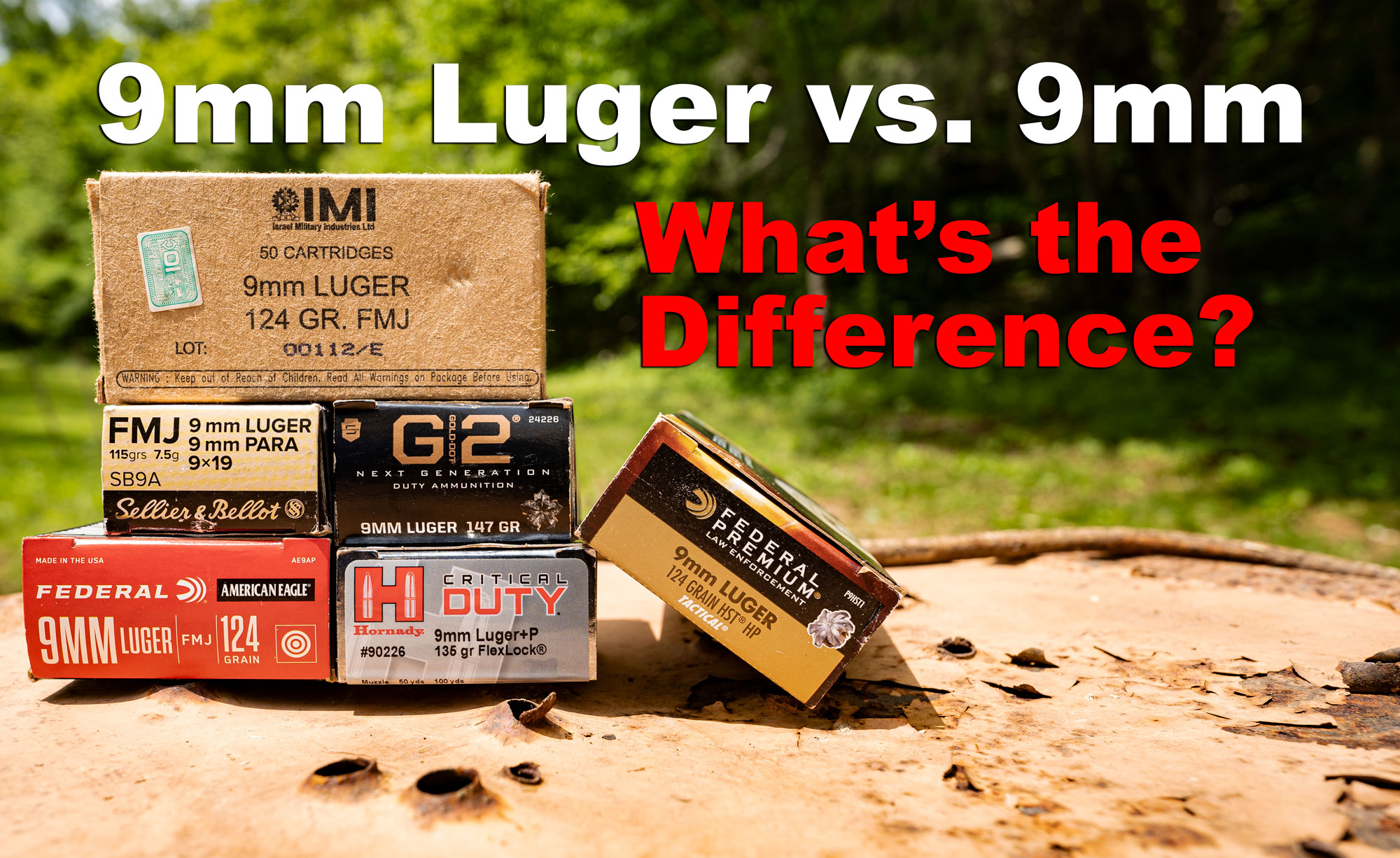
The 9mm Luger is a specific type of 9mm cartridge. Generally, “9mm” refers to various 9mm cartridges, but 9mm Luger is the most common and widely used 9mm round worldwide.
Are 9mm And 9mm Luger Ammunition Interchangeable?
Yes, 9mm and 9mm Luger ammunition are interchangeable. The terms often describe the same cartridge, so firearms chambered for 9mm Luger use standard 9mm ammo safely.
Is 9mm Luger More Powerful Than Other 9mm Types?
The 9mm Luger typically offers more power and velocity than other 9mm variants. It is designed for better performance in pistols and submachine guns.
Which Firearms Use 9mm Luger Cartridges?
9mm Luger cartridges are used in many handguns and submachine guns globally. Popular pistols like Glock, Sig Sauer, and Beretta models commonly chamber 9mm Luger rounds.
Conclusion
The difference between 9mm and 9mm Luger matters for gun owners and buyers. Both terms often refer to the same cartridge, but knowing the details helps. The 9mm Luger is the full name for the popular 9mm round. Understanding this clears up confusion and guides better choices.
Always check your firearm’s specifications before buying ammo. Safety comes first. Clear knowledge about these terms makes shooting safer and more enjoyable.