When it comes to choosing the right 9mm ammo for self-defense, one question often stands out: how many grains should your bullets be? The grain weight can affect everything from recoil to stopping power, and picking the wrong one could mean the difference between safety and risk.
If you want to make sure your ammo performs exactly when you need it most, understanding the right grain weight is crucial. Keep reading, because knowing this simple detail could change how confident and prepared you feel with your firearm.
Choosing 9mm Ammo For Defense
Picking the right 9mm ammo matters for self-defense. The bullet’s grain weight affects speed, recoil, and stopping power. Choosing ammo that fits your gun and shooting style helps you shoot accurately and confidently.
Using the correct grain weight can reduce recoil, making follow-up shots faster. Ammo that is too light or too heavy might cause issues with your firearm’s cycling. Knowing the options lets you select ammo that works best for you.
Factors Affecting Grain Selection
Bullet weight changes how the round performs. Heavier bullets usually hit harder but move slower. Lighter bullets travel faster but may have less impact.
The type of self-defense situation matters. Close range needs quick, controlled shots. Ammo should penetrate enough to stop a threat but not too deep to cause collateral damage.
Your handgun’s design also plays a role. Some guns work better with certain grain weights. Testing ammo in your firearm ensures reliability and accuracy.
Common Grain Weights Explained
9mm ammo commonly comes in 115, 124, and 147 grains. The 115-grain bullet is fast and has low recoil. It is popular for quick target acquisition.
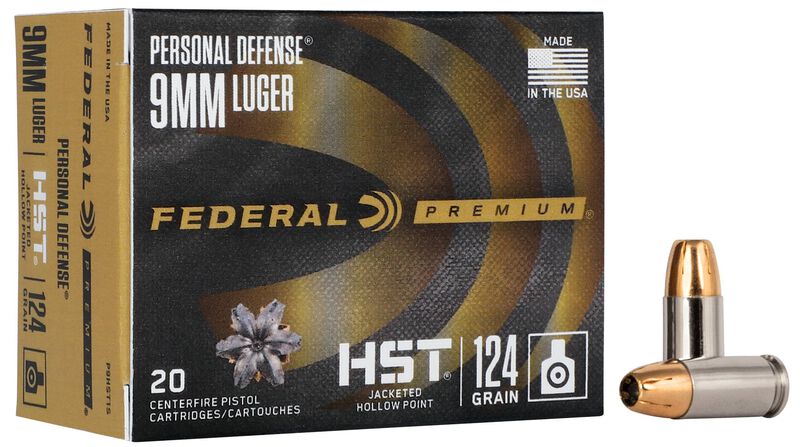
The 124-grain offers a balance of speed and stopping power. Many law enforcement officers use this weight for defense.
The 147-grain bullet is heavier and slower. It provides deeper penetration and better energy transfer on impact.
Choosing between these depends on your needs. Try different weights to find what feels best and shoots well in your gun.
Ballistics And Performance
Understanding ballistics and performance is crucial when choosing 9mm ammo for self-defense. The grain weight affects how the bullet moves and behaves. This impacts stopping power and safety. Knowing these factors helps pick the best round for protection.
Velocity And Energy Impact
Bullet velocity is the speed at which it leaves the gun barrel. Higher velocity means the bullet hits the target harder. Energy impact depends on both velocity and bullet weight. Lighter bullets travel faster but may carry less energy. Heavier bullets move slower but deliver more force. A balance between speed and weight gives better stopping power.
Penetration And Expansion Traits
Penetration shows how deep the bullet goes into the target. Proper penetration is vital for stopping threats quickly. Expansion means the bullet widens after impact. This creates a larger wound channel. Bullets that expand well cause more damage while limiting over-penetration. Choosing the right grain helps achieve safe and effective penetration with good expansion.
Popular Grain Options
Choosing the right grain weight for 9mm ammo is important for self-defense. Each grain option offers different benefits. Understanding popular grain choices helps you pick ammo that fits your needs. Below are common grain weights and why they matter.
115 Grain Benefits
115 grain ammo is the most common 9mm bullet weight. It is lighter and moves faster. This means less recoil and quicker follow-up shots. It works well in most pistols and is easy to control. Many shooters prefer this for practice and self-defense. It also tends to be more affordable and widely available.
124 Grain Advantages
124 grain bullets offer a good balance of speed and weight. They deliver more energy on target compared to 115 grain. This can improve stopping power. The recoil is still manageable for most shooters. This weight is popular for self-defense and law enforcement use. It performs well in various gun types and barrel lengths.
147 Grain Uses
147 grain ammo is heavier and slower than lighter grains. It penetrates deeper, making it useful for self-defense in some situations. This weight often causes more recoil, so control is important. It can work well in full-size pistols. Some shooters choose 147 grain for better barrier penetration and reliability in certain loads.
Expert Recommendations
Experts suggest choosing 9mm ammo grain based on purpose and performance. For self-defense, the right grain weight ensures reliable stopping power and manageable recoil. Understanding expert opinions helps you make an informed decision for your safety.
Law Enforcement Preferences
Most law enforcement agencies prefer 115 to 124-grain 9mm bullets. These weights provide a good balance of speed and energy transfer. Officers need ammo that performs well in various conditions. Agencies test rounds for penetration and expansion to meet safety standards. 124-grain bullets are popular for their reliable expansion and moderate recoil. This weight helps officers maintain accuracy in stressful situations.
Self-defense Shooter Insights
Self-defense shooters often choose 124 to 147-grain rounds for better control. Heavier grains slow bullet velocity but increase penetration and impact. Many find 147-grain bullets easier to handle with less muzzle flip. Users report better shot placement with moderate recoil ammo. Choosing the right grain depends on your comfort and firearm type. Testing different ammo grains helps find the best fit for personal defense.
Ammo Testing And Selection Tips
Choosing the right 9mm ammo grain for self-defense is not just about numbers. Testing ammo at the range helps find what works best for your gun. It ensures reliability, accuracy, and safe performance. Careful selection can improve your shooting confidence and effectiveness.
Range Testing Importance
Range testing lets you see how ammo performs in real conditions. You check accuracy, recoil, and feeding reliability. Different grain weights feel different when shooting. Testing helps find ammo that fits your shooting style. It also shows how your gun reacts to various loads. Consistent performance means better defense readiness.
Matching Ammo To Firearm
Not all ammo fits every gun perfectly. Some guns work better with specific grain weights. Match your ammo to your firearm’s design and recoil system. This ensures smooth feeding and proper cycling. Using the right grain can reduce jams and misfires. Your gun’s manual often suggests suitable ammo types. Testing different brands can reveal the best match for your pistol.
Legal And Safety Considerations
Choosing the right 9mm ammo grain for self-defense involves more than just stopping power. Legal rules and safety are very important. Knowing what the law says and practicing safe handling protects you and others. It also helps you avoid trouble with the police and courts.
Local Regulations On Ammo
Every place has its own laws about ammo. Some states limit the type or grain of bullets you can carry. Others require special permits to own certain ammo. Check your local laws before buying or carrying 9mm ammo. This keeps you within the legal limits. Ignorance of the law is not a valid excuse.
Safe Handling Practices
Handling 9mm ammo safely is a must. Always point the gun in a safe direction. Keep your finger off the trigger until ready to shoot. Store ammo in a locked container away from children. Use eye and ear protection when shooting. Regularly inspect your ammo for damage. Safe habits prevent accidents and injuries.
Frequently Asked Questions
What Is The Ideal Grain Weight For 9mm Self-defense Ammo?
The ideal grain weight for 9mm self-defense ammo is typically between 115 and 147 grains. This range balances velocity and stopping power for effective personal protection.
How Does Grain Weight Affect 9mm Ammo Performance?
Grain weight affects bullet speed, recoil, and penetration. Heavier grains offer deeper penetration, while lighter grains provide higher velocity and reduced recoil.
Can Heavier Grains Improve Stopping Power In 9mm Ammo?
Yes, heavier grains like 147 grains generally enhance stopping power by delivering more energy on impact and deeper penetration, which is vital for self-defense.
Is 124 Grains 9mm Ammo Good For Self-defense?
124 grains is a popular choice for 9mm self-defense ammo. It offers a good balance of recoil, accuracy, and terminal performance in close encounters.
Conclusion
Choosing the right grain for 9mm ammo is important for self-defense. A bullet that balances speed and power works best. Most experts suggest between 115 and 147 grains. This range offers good control and stopping power. Remember, practice with your chosen ammo before any real use.
Safety and accuracy matter most in urgent moments. Pick ammo that feels right for you and your gun. Stay prepared and confident to protect yourself when needed.