Are you wondering if .223 ammo is safe for your next indoor shooting range visit? You’re not alone.
Many shooters ask this question before loading their firearms. Safety is your top priority, and knowing how your ammo behaves indoors can make all the difference. You’ll discover key facts about. 223 ammo, how it performs in indoor settings, and what you need to consider to protect yourself and others.
Keep reading to make sure your next shooting session is both fun and safe.
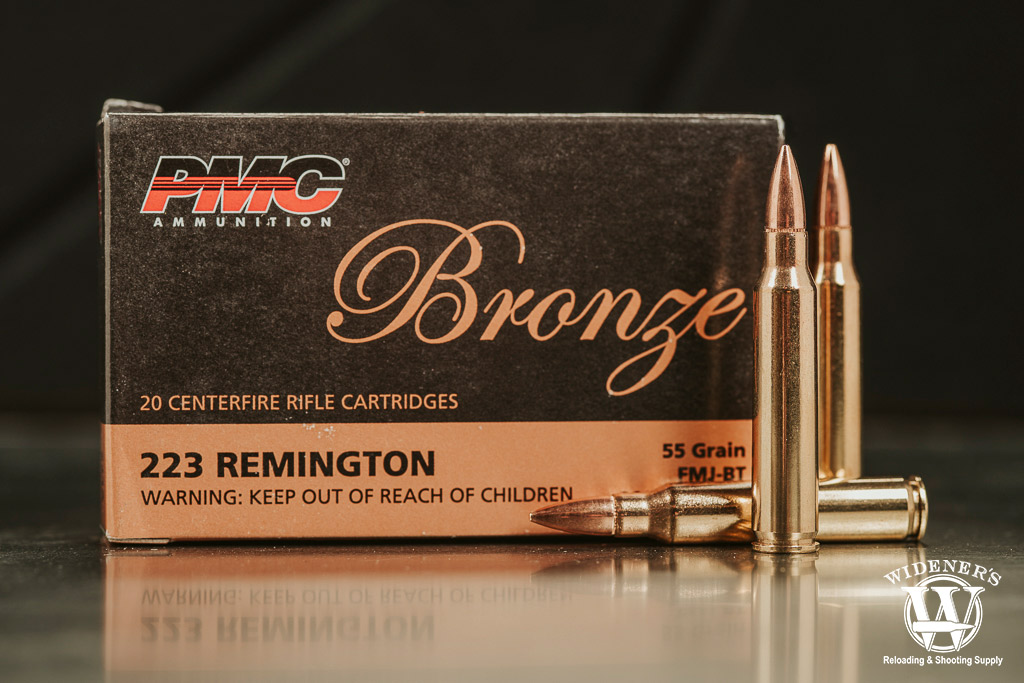
Properties Of .223 Ammo
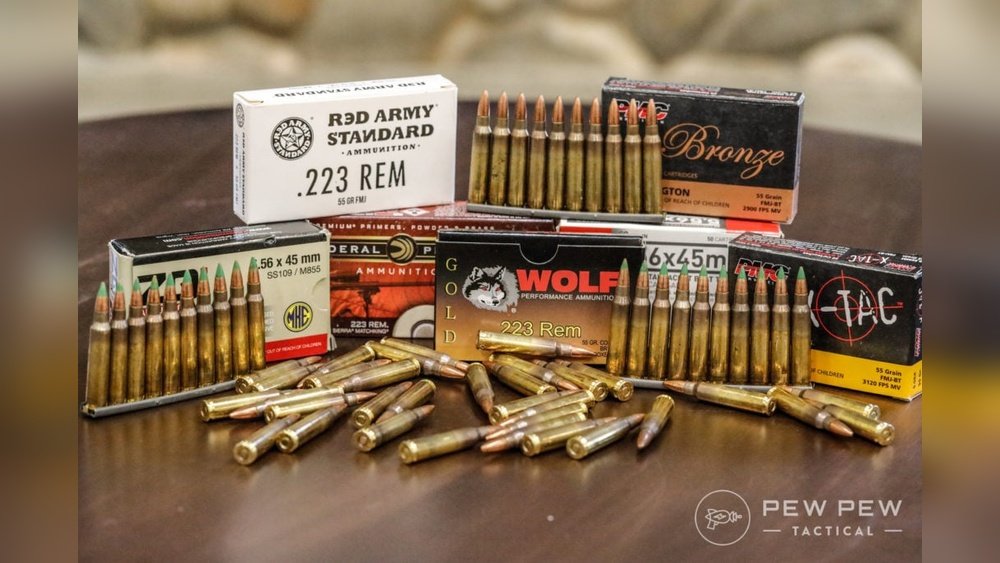
The properties of .223 ammo make it a popular choice for many shooters. This cartridge is known for its balance of power and control. Understanding its key features helps decide if it suits indoor shooting ranges. The following sections explain its ballistics, common uses, pressure, and recoil.
Ballistics And Velocity
.223 ammo travels fast and flies straight. It typically has a velocity around 3,000 feet per second. This high speed gives it a flat trajectory. Shooters can expect good accuracy at short to medium distances. The bullet is small but designed to be effective on impact.
Common Uses
.223 ammo is widely used for target shooting and training. It is also popular for small game hunting. Many law enforcement and military units use it in their rifles. Its versatility makes it a good choice for indoor ranges. The ammo works well in semi-automatic rifles and some bolt-action guns.
Pressure And Recoil
This ammo generates moderate pressure inside the barrel. It is not as powerful as larger rifle rounds. The recoil felt by the shooter is light to moderate. This makes shooting more comfortable, especially for beginners. Less recoil helps maintain accuracy during rapid fire.
Indoor Range Safety Factors
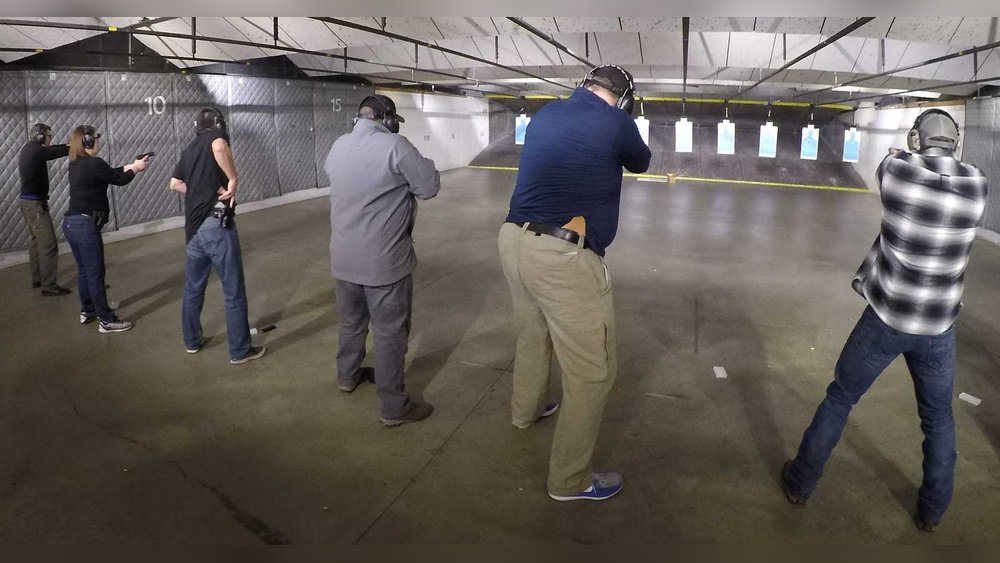
Indoor shooting ranges need strict safety rules. These rules protect shooters and staff. Safety depends on many factors. Proper ventilation, strong backstops, and managing noise all matter. These keep the range safe and comfortable. Understanding these helps decide if .223 ammo is safe indoors.
Ventilation Requirements
Good airflow is key in indoor ranges. Shooting releases smoke and lead particles. Without fresh air, these build up quickly. Proper ventilation removes harmful gases and dust. This protects your lungs and keeps air clean. Systems must move air fast and filter it well. This lowers health risks for everyone inside.
Backstop And Bullet Containment
Backstops stop bullets safely. They must handle the power of .223 ammo. A strong, thick backstop prevents bullets from escaping. It also stops ricochets that can cause injury. Materials like steel and rubber help absorb impact. Proper bullet containment keeps the range secure and users safe.
Noise Levels
Shooting .223 ammo produces loud noise. High noise can harm hearing quickly. Indoor ranges need sound control. Walls and ceilings should reduce echo. Shooters must wear ear protection. Controlling noise improves comfort and safety. It allows longer shooting sessions without damage.
Risks Of Using .223 Ammo Indoors
Using .223 ammo inside shooting ranges has certain risks. These risks can affect your safety and others around you. Understanding these dangers helps you make better choices. Indoor ranges have specific limits for ammo types. Not all ammo is safe to use indoors.
Overpenetration Concerns
.223 rounds can pass through targets easily. This means bullets may go beyond the backstop. Overpenetration can hit walls or objects behind the target. This creates a serious safety hazard for everyone. Indoor ranges must have strong barriers to stop these bullets. Without proper barriers, stray bullets can cause injuries or damage.
Lead Exposure
Shooting .223 ammo releases lead dust and particles. Lead is harmful when inhaled or ingested. Indoor ranges have less air circulation than outdoor areas. This causes lead to build up in the air and on surfaces. Long-term exposure to lead can cause health problems. Wearing proper safety gear and ventilation helps reduce lead risks.
Ricochet Hazards
.223 bullets can bounce off hard surfaces inside ranges. This is called ricochet and it is very dangerous. Ricochets can hit shooters or bystanders unexpectedly. Indoor ranges use angled steel plates to reduce ricochet risk. Using the wrong ammo or shooting angles increases this hazard. Always follow range rules to avoid ricochet injuries.
Range Regulations And Policies
Indoor shooting ranges have strict rules about ammunition. These rules protect shooters and the facility. Understanding range regulations helps you shoot safely with .223 ammo. Each range may have different policies. Knowing these rules avoids problems and keeps everyone safe.
Typical Range Rules
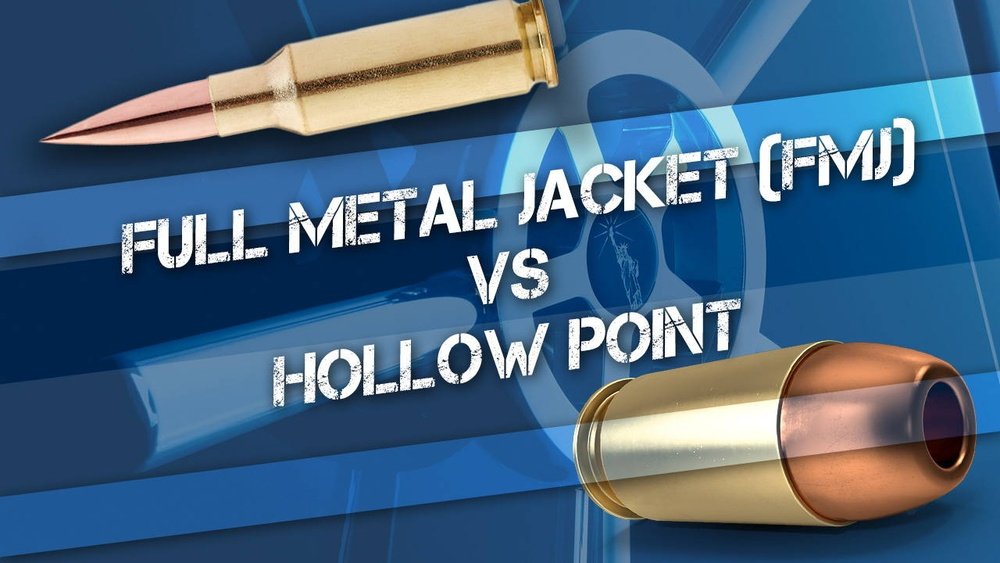
Most ranges allow .223 ammo but with limits. Some ban steel-core or armor-piercing bullets. Lead and full metal jacket rounds are usually allowed. Ranges require eye and ear protection at all times. Shooting only at approved targets is common. Always check the range’s specific rules before shooting.
Manufacturer And Expert Recommendations
Ammo makers often suggest using .223 only in certain conditions. Experts warn about high pressure and barrel wear with improper ammo. Using recommended ammo types helps maintain gun safety and accuracy. Many experts advise checking the range’s ammo policy before arrival. Follow these guidelines for a safer shooting experience.
Legal Considerations
Some states have laws restricting certain ammo types indoors. Laws may ban armor-piercing or tracer rounds in ranges. Knowing local laws prevents legal trouble. Always comply with federal, state, and local regulations. Ranges also enforce legal rules to protect all shooters.
Alternatives To .223 Ammo
Choosing the right ammo for indoor shooting is very important. .223 ammo is common but not always the best choice. There are safer options that work better indoors. These alternatives reduce noise, recoil, and risk. They offer more comfort and control during practice.
Exploring different types of ammo can improve your indoor shooting experience. Some rounds have lower speed and less power. Others are made specifically for indoor use. Comparing calibers helps find what suits your needs best.
Lower Velocity Rounds
Lower velocity rounds travel slower than standard .223 ammo. They create less noise and less recoil. These rounds reduce the chance of bullet fragments bouncing in the range. Shooters feel more comfortable and control improves. They are safe for close spaces and reduce wear on indoor range walls.
Specialty Indoor Ammunition
Some ammo is designed only for indoor shooting. These bullets often have soft tips or frangible materials. They break apart on impact, limiting ricochet danger. Specialty ammo lowers risk to shooters and bystanders. It also helps protect indoor range equipment. This ammo is a smart choice for safer practice.
Caliber Comparisons
Choosing the right caliber affects safety and shooting comfort. Smaller calibers like .22 LR are quieter and have less recoil. Larger calibers offer more power but may not suit indoor ranges. Comparing calibers helps find the balance between performance and safety. Many shooters prefer smaller calibers for indoor target practice. This choice reduces noise and risk without losing shooting skill.

Expert Tips For Safe Indoor Shooting
Safe indoor shooting requires more than just aiming well. It involves careful attention to gear, rules, and the environment. Following expert tips helps keep everyone secure. These tips also make shooting more enjoyable and responsible.
Proper Equipment Use
Use only firearms and ammo approved by the range. Always wear eye and ear protection. Check your firearm before shooting to ensure it works well. Avoid using damaged or old ammunition. Proper handling reduces accidents and keeps the range safe.
Maintaining Range Etiquette
Listen carefully to the range officer’s instructions. Keep your gun pointed downrange at all times. Do not handle firearms when others are downrange. Wait your turn patiently without rushing. Respect others’ space and follow all posted rules.
Regular Range Inspections
Inspect the range for hazards before shooting. Report any damage or unsafe conditions to staff. Make sure backstops and bullet traps are in good shape. Clean up spent casings and debris regularly. These checks help maintain a safe shooting environment.

Frequently Asked Questions
Is .223 Ammo Suitable For Indoor Shooting Ranges?
Yes,. 223 ammo is generally safe for indoor ranges. Ensure the range allows rifle calibers and has proper ventilation and bullet traps designed for. 223 rounds.
What Safety Precautions Are Needed For .223 Indoor Shooting?
Wear hearing and eye protection, follow range rules, and use appropriate backstops. Proper ventilation and bullet containment systems are crucial for safety with. 223 ammo indoors.
Can Indoor Ranges Handle .223 Bullet Penetration?
Indoor ranges use specialized bullet traps to safely stop. 223 bullets. These traps prevent over-penetration and ricochets, making. 223 ammo manageable indoors when proper equipment is used.
Are There Noise Concerns With .223 Ammo Indoors?
. 223 ammo can be loud indoors. Using hearing protection and sound dampening measures helps reduce noise impact for shooters and range staff.
Conclusion
. 223 ammo can be safe for indoor shooting ranges with the right steps. Always check range rules before using this ammo. Proper ventilation and protective gear matter a lot. Choose ammo designed for indoor use to reduce risks. Keep the shooting area clean and follow safety tips.
Safety depends on careful handling and good range setup. Stay informed and practice responsible shooting habits. Your safety and others’ safety come first.