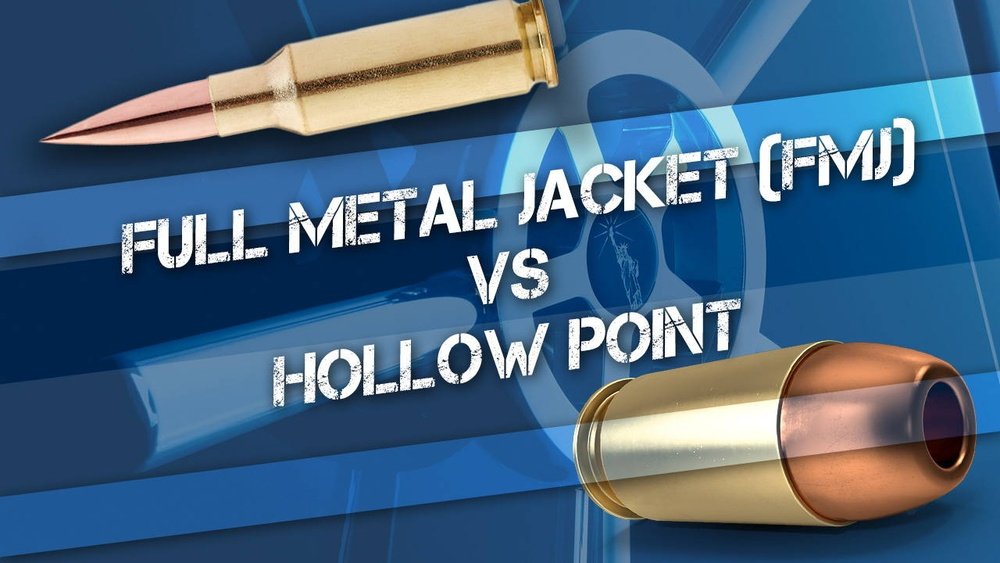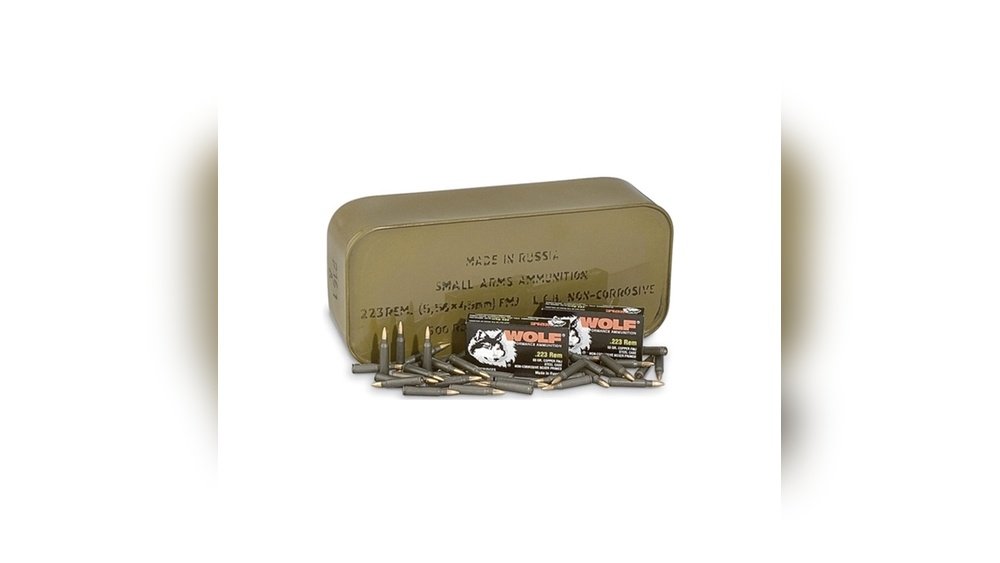
If you use or are thinking about using steel-cased .223 ammo, you probably want to know if it’s corrosive. This question matters because corrosive ammo can damage your gun and cost you time and money on cleaning and repairs.
You might be wondering how to spot corrosive ammo and what steps you should take to protect your firearm. Keep reading, and you’ll get clear, simple answers that help you make smart choices for your shooting gear. Don’t let corrosion catch you off guard—understanding this now can save you headaches later.
Steel-cased Ammo Basics
Steel-cased ammo is popular among shooters for its affordability and availability. Understanding the basics helps you decide if it fits your needs. This type of ammunition has unique features compared to brass-cased ammo. Knowing what materials are used and common uses can clear up confusion about its performance.
Steel cases are different from traditional brass. This difference affects how the ammo behaves and how you should care for it. Let’s explore the materials and typical uses of steel-cased .223 ammo.
Materials Used In Casings
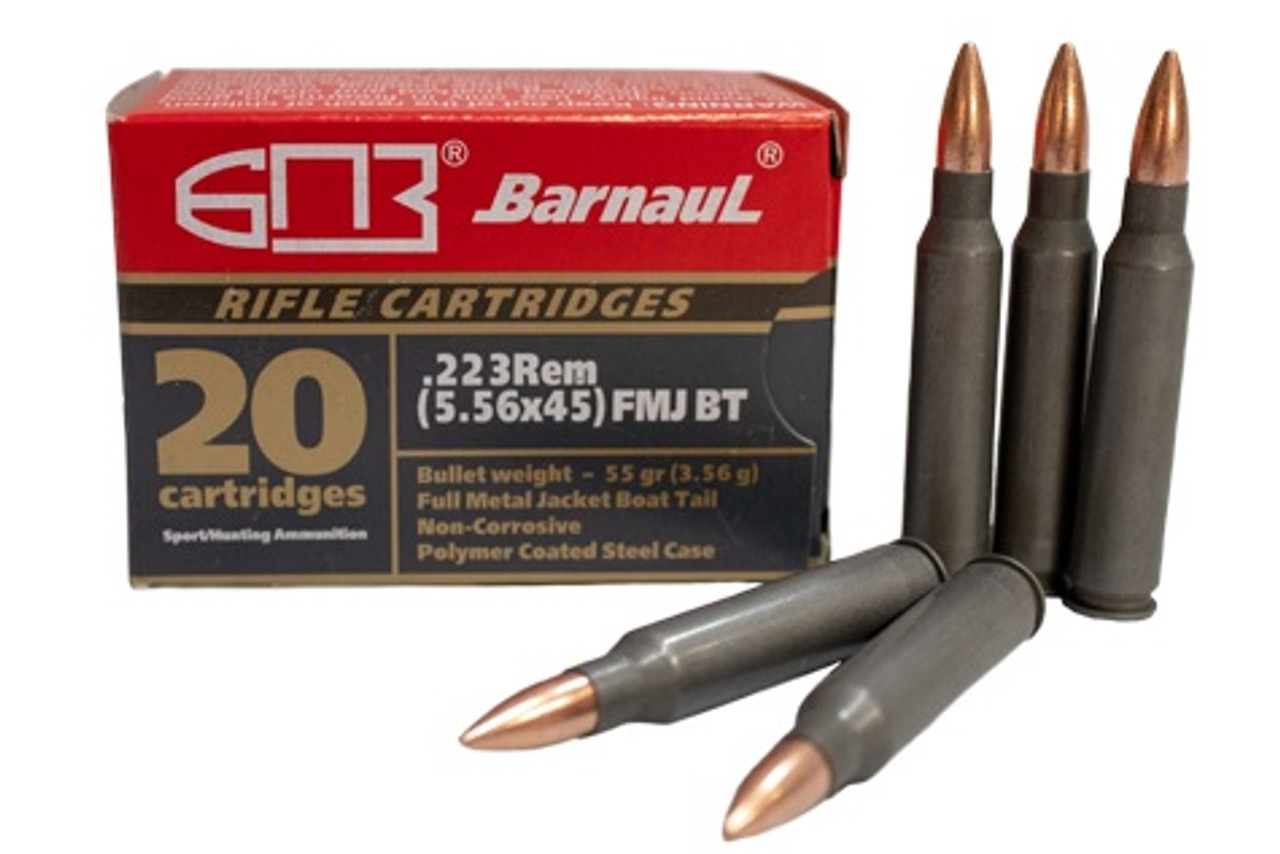
Steel-cased ammo uses a thin steel layer for the cartridge case. The steel is usually coated with a lacquer or polymer to prevent rust. This coating helps reduce corrosion, but it is not perfect. Steel is harder than brass, which can affect how the ammo feeds in some guns. Steel cases are less expensive than brass, making them popular for budget shooting.
Common Uses Of Steel-cased .223
Steel-cased .223 ammo is often used for target practice and training. Its lower cost allows shooters to fire more rounds without high expenses. Some hunters use steel-cased .223, but many prefer brass for reliability. Steel cases are common in surplus ammo and military-style rifles. It is best for shooters who clean their guns regularly to avoid corrosion issues.
What Makes Ammo Corrosive
Understanding what makes ammo corrosive is essential for shooters. Corrosive ammo contains certain chemicals that cause rust and damage. These chemicals come from the primers used inside the cartridges. Knowing this helps you take care of your firearms better.
Corrosive ammo can look like regular ammo but needs special cleaning after use. This protects your gun from long-term harm. The main factor causing corrosion is the primer’s chemical makeup.
Corrosive Primers Explained
Primers ignite the gunpowder inside a cartridge. Corrosive primers use salts like potassium chloride or sodium chloride. These salts leave behind residues that attract moisture. Moisture and salt cause rust and corrosion inside the barrel and action. Non-corrosive primers use different chemicals that do not cause rust. Many older steel-cased .223 rounds use corrosive primers.
Impact On Firearm Longevity
Using corrosive ammo can shorten your gun’s life. Salt residues cause metal parts to rust quickly if not cleaned. Rust weakens the barrel and other critical parts. Cleaning immediately after shooting helps prevent damage. Neglecting cleaning can lead to expensive repairs or replacement. Proper maintenance after using corrosive ammo keeps firearms working longer.
Corrosiveness Of Steel-cased .223
Steel-cased .223 ammo often raises questions about corrosion. Many shooters worry if steel cases cause rust or damage to their guns. The main concern is the type of primer and the powder used inside the cartridge. These factors can affect how corrosive the ammo is to your firearm. Understanding corrosion helps keep your gun clean and working well.
Primer Types In Steel-cased Ammo
Primers ignite the gunpowder in a bullet. Some primers use corrosive chemicals like potassium chlorate. These leave harmful residues inside the barrel and chamber. Non-corrosive primers use safer compounds that do not cause rust. Many steel-cased .223 rounds have corrosive primers, especially older or budget brands. Checking the primer type is important before buying or shooting steel-cased ammo.
Signs Of Corrosion After Shooting
Corrosion may show up as rust spots or a rough feeling inside the barrel. After firing corrosive ammo, residue can appear as a white or green powder. This residue can damage metal if not cleaned quickly. You may also notice your gun feels sticky or harder to operate. Cleaning the firearm thoroughly after shooting steel-cased ammo helps prevent corrosion and extends gun life.
Cleaning And Maintenance Tips
Cleaning and maintenance are key after firing steel-cased .223 ammo. This ammo type can leave behind residue that causes corrosion. Proper care keeps your firearm safe and working well. Follow these simple tips to protect your gun.
Best Practices After Using Steel-cased Ammo
Start by unloading your firearm safely. Use a cleaning rod and patches to remove powder and dirt. Apply a good solvent to break down tough residue. Let it sit for a few minutes. Use a brush to scrub the barrel and chamber thoroughly. Wipe everything dry with a clean cloth. Repeat until the cloth comes out clean. Always clean your firearm right after shooting.
Preventing Rust And Damage
Steel cases can leave metal particles that cause rust. Use a light coat of gun oil on all metal parts. This oil forms a barrier against moisture. Store your firearm in a dry, cool place. Use a dehumidifier or silica gel packs in your gun safe. Check your gun regularly for any signs of rust or damage. Early care prevents costly repairs and extends your gun’s life.
Pros And Cons Of Steel-cased Ammo
Steel-cased ammo has gained popularity for its unique features. It offers both benefits and drawbacks. Understanding these can help shooters make better choices. This section explores the main pros and cons of steel-cased .223 ammo.
Cost And Availability
Steel-cased ammo is usually cheaper than brass-cased ammo. This makes it appealing for budget shooters. It is also widely available in many stores and online. Easy access helps shooters keep their supply steady. The lower price often means buying in larger quantities.
Performance And Reliability
Steel cases are harder than brass, which can affect performance. They may not expand as well, leading to more wear on guns. Some shooters report more frequent jams with steel-cased ammo. Cleaning the gun after use is important to avoid corrosion. Still, many find steel-cased ammo reliable enough for practice shooting.
Alternatives To Steel-cased Ammo
Steel-cased ammo is popular for its low cost but often raises concerns about corrosion. Many shooters choose alternatives that resist rust and keep guns cleaner. These options offer better reliability and easier maintenance.
Brass-cased Options
Brass-cased ammo is the most common alternative to steel cases. Brass resists corrosion better and is easier to reload. It also expands and seals the chamber well, improving performance. Many shooters prefer brass for its durability and reliability.
Other Non-corrosive Choices
Besides brass, there are other non-corrosive ammo types. Aluminum cases are lighter and resist rust but are less common. Polymer-coated steel cases reduce corrosion risks while keeping costs low. Non-corrosive primers are also important to prevent rust inside the barrel.
Expert Opinions And Shooter Experiences
Understanding whether steel-cased .223 ammo is corrosive requires insights from experts and shooters. Their views help clear confusion. They share facts based on tests and actual use. This section covers their opinions and real feedback from those who use this ammo regularly.
Common Myths Debunked
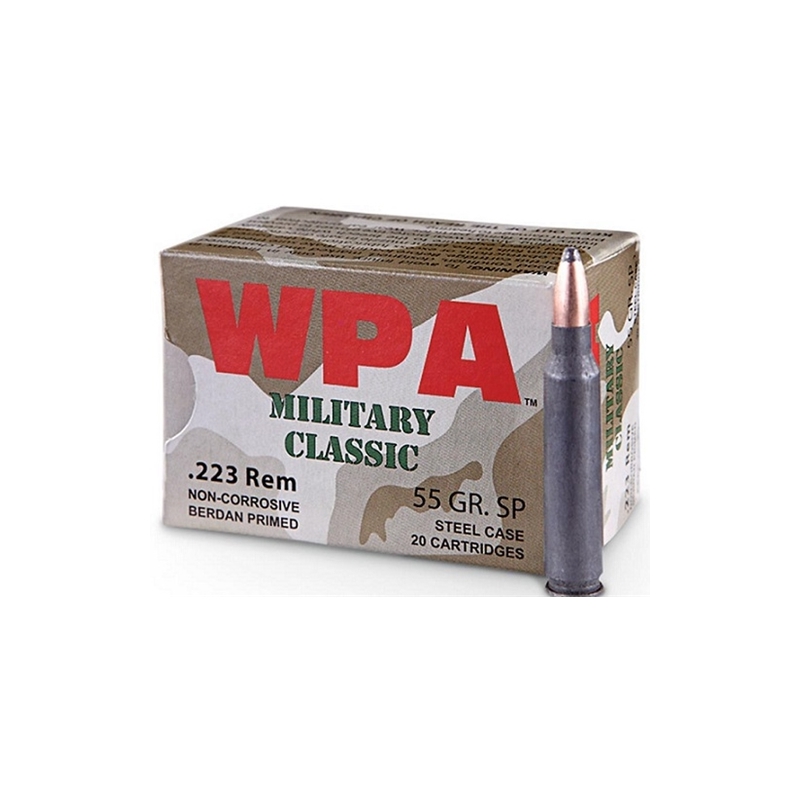
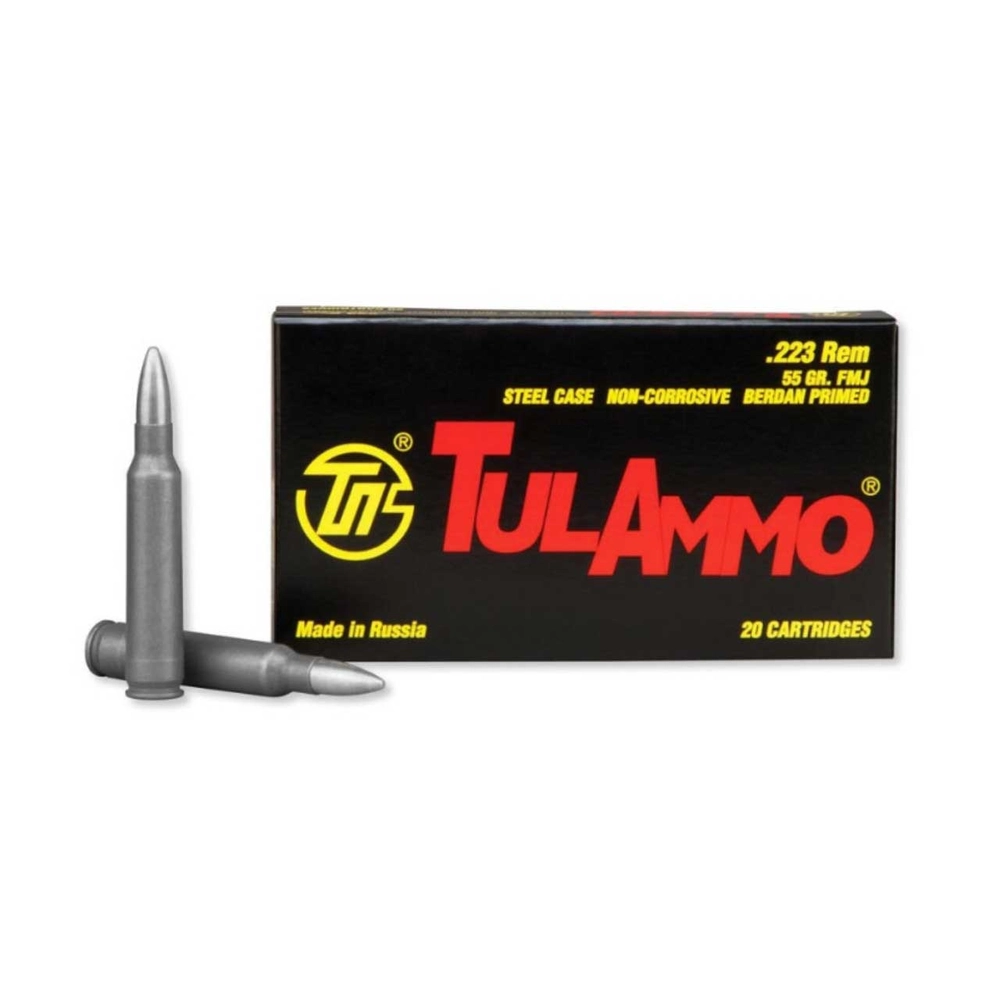
Many believe all steel-cased ammo is corrosive. This is not always true. Experts say corrosion depends on the primer, not the case material. Most steel-cased .223 ammo uses non-corrosive primers. This means it usually does not cause rust in guns.
Another myth is that steel cases damage firearms faster. Experts clarify that proper cleaning prevents damage. Steel cases might wear parts slightly more than brass, but it is not a major issue. Proper care keeps guns safe and functional.
Real-world User Feedback
Shooters report mixed experiences with steel-cased .223 ammo. Many note no corrosion after firing and cleaning their guns well. Some mention mild rust only when guns were left dirty for long periods. Most agree cleaning soon after shooting is key.
Users appreciate steel-cased ammo for its affordability. They say it performs well for practice and training. Some recommend it as a budget option with regular maintenance. This feedback aligns with expert advice about corrosion and care.
Frequently Asked Questions
Is Steel-cased .223 Ammo Corrosive To Firearms?
Steel-cased. 223 ammo can be corrosive if it uses corrosive primers. Corrosive primers leave salt residues that cause rust. Always clean your firearm promptly after shooting to prevent corrosion.
How To Identify Corrosive Steel-cased .223 Ammo?
Check manufacturer specifications or packaging for primer type. Corrosive ammo often uses military surplus primers. If unsure, perform a simple test with hot water; residue will dissolve if corrosive.
Can Corrosion Damage Affect Shooting Accuracy?
Yes, corrosion can lead to barrel rust and fouling. This buildup affects bullet trajectory and firearm reliability. Regular cleaning after using corrosive ammo maintains accuracy and prolongs barrel life.
Is All Steel-cased .223 Ammo Corrosive?
No, not all steel-cased. 223 ammo is corrosive. Some manufacturers use non-corrosive primers with steel cases. Always verify product details before use to ensure firearm safety.
Conclusion
Steel-cased. 223 ammo is generally non-corrosive but needs care. Clean your gun soon after shooting to avoid rust. Steel cases may rust faster than brass cases. Keep ammo dry and store it properly for best results. Regular cleaning helps keep your firearm safe and working well.
Choose ammo that fits your needs and clean your gun regularly. This way, you protect your gear and enjoy shooting safely.