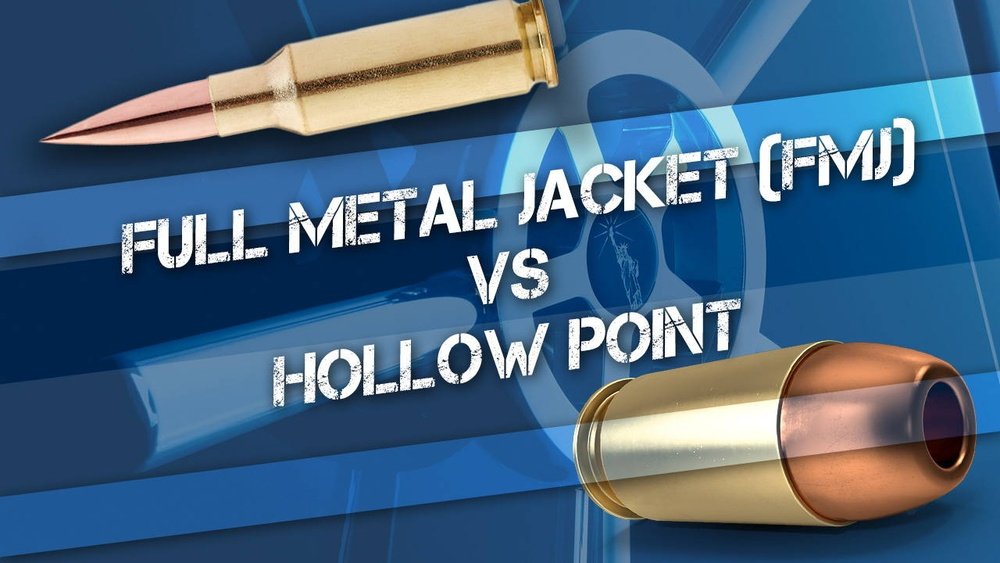
When it comes to moving your .223 ammo, safety isn’t just important—it’s everything. You want to protect yourself, those around you, and your valuable ammunition from any risk.
But how do you make sure you’re transporting it the right way? If you’re unsure about the safest methods or worried about legal and practical details, this guide is for you. Keep reading, and you’ll discover clear, easy steps to transport your.
223 ammo securely and confidently every time.
Choosing The Right Container
Choosing the right container for transporting .223 ammo is very important. The container must keep the ammo safe from damage and moisture. It should also be easy to carry and store. The right container helps prevent accidents and keeps your ammo in good condition. Consider the material, size, and protection level of the container. The options vary, so pick one that fits your needs and travel style.
Ammo Boxes Vs. Plastic Cases
Ammo boxes are strong and made from metal or heavy-duty plastic. They protect ammo well from impacts and rough handling. These boxes usually have tight lids to keep dirt out. Plastic cases are lighter and often have compartments for organizing bullets. They are easy to carry but may not be as tough as metal boxes. Choose ammo boxes for durability. Pick plastic cases for lightness and organization.
Waterproof And Shockproof Options
Waterproof containers stop water from damaging your ammo. This is important if you expect rain or wet conditions. Shockproof containers absorb bumps and drops. They keep bullets from moving inside and getting damaged. Some containers combine both waterproof and shockproof features. These offer the best protection for your .223 ammo. A reliable container means safer transport and longer ammo life.
Proper Ammo Packaging
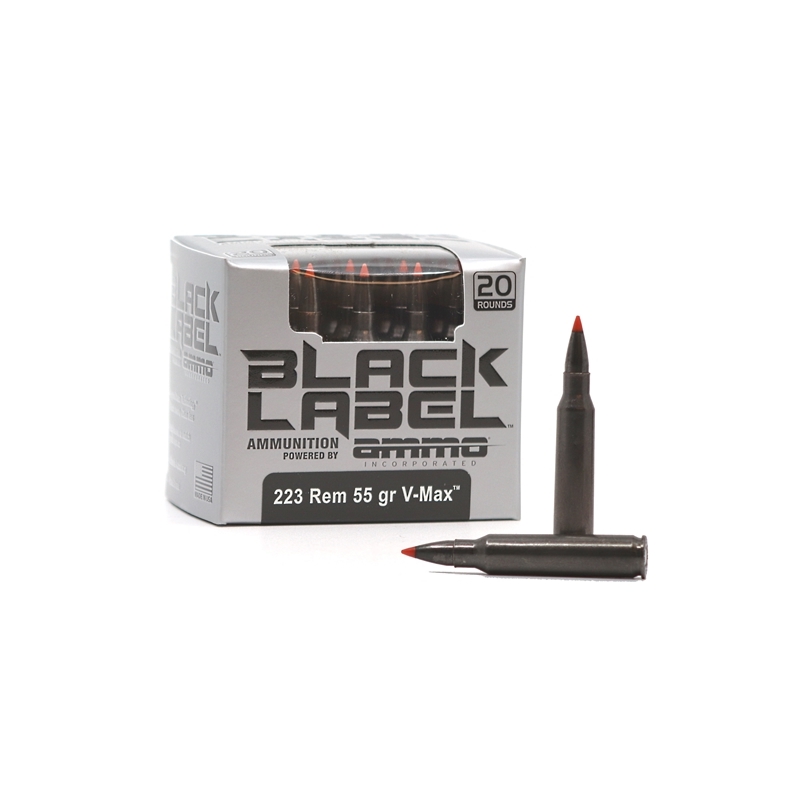
Proper ammo packaging is key to safe transport of .223 ammo. It protects the rounds from damage and prevents accidents. Good packaging keeps ammo dry and secure during travel. It also helps organize your ammunition for easy access. Choosing the right packaging method improves safety and convenience.
Individual Vs. Bulk Packaging
Individual packaging means each round is stored separately. This method reduces the risk of scratches and damage. It also lowers the chance of rounds bumping and causing sparks. Bulk packaging stores many rounds together in one container. It saves space but can lead to more movement inside. Bulk packs need strong containers to avoid crushing the ammo. Individual packaging is best for long trips and rough handling. Bulk packaging works for short trips and careful transport.
Using Foam Inserts And Dividers
Foam inserts and dividers add extra protection inside ammo boxes. Foam cushions the rounds and stops them from shifting. Dividers separate the ammo into neat rows or sections. This prevents rounds from knocking against each other. Foam and dividers also make it easier to count ammo quickly. Using these helps keep your .223 rounds safe and organized. They work well for both individual and bulk packaging.
Temperature And Humidity Control
Controlling temperature and humidity is key to safely transporting .223 ammo. Ammo can degrade or become unsafe if exposed to harsh conditions. Keeping ammo dry and cool preserves its quality and performance. Proper storage during transport prevents damage and accidents.
Avoiding Extreme Heat
High temperatures can weaken the powder inside .223 ammo. Heat may cause expansion and increase pressure in cartridges. This can lead to misfires or dangerous malfunctions. Store ammo away from direct sunlight and hot places. Use insulated containers or coolers to keep temperature stable. Avoid leaving ammo in cars during hot days.
Preventing Moisture Damage
Humidity and water can cause corrosion on ammo cases and primers. Rust and moisture reduce ammo reliability and lifespan. Use sealed, waterproof containers to protect ammo from moisture. Include silica gel packs to absorb excess humidity inside containers. Check ammo regularly for any signs of rust or dampness.
Safe Handling Practices
Safe handling practices are key to transporting .223 ammo without risk. Proper care reduces accidents and keeps ammo in good condition. Follow simple steps to protect both the ammo and yourself.
Minimizing Movement And Impact
Keep .223 ammo steady during transport. Use sturdy containers that fit the ammo snugly. Avoid loose packing that lets rounds shift or hit each other. Cushion containers with foam or padding to absorb shocks. Drive carefully to prevent sudden stops or bumps. Less movement lowers the chance of damage or accidental discharge.
Labeling And Organizing Ammo
Label each container clearly with the ammo type and quantity. Organize rounds by lot or purchase date for easy access. Use separate boxes for different calibers or loads to avoid confusion. Clear labels help identify contents quickly and prevent mistakes. Organized ammo storage improves safety and efficiency during transport.
Legal And Safety Regulations
Transporting .223 ammo safely requires knowing legal and safety rules. These rules protect you and others from accidents and legal trouble. Different places have different laws. Follow these laws carefully to avoid problems. Always prioritize safety when carrying ammo in any vehicle.
Transport Rules By Region
Each region has its own rules for carrying ammo. Some places allow ammo in locked containers only. Others limit the amount you can carry. Some require you to keep ammo separate from guns. Check local laws before traveling. Knowing these rules helps you avoid fines and arrests.
Storing Ammo In Vehicles Safely
Store ammo in a secure, locked box inside your vehicle. Keep it away from heat and direct sunlight. Avoid storing ammo in the glove compartment or passenger area. Place it in the trunk or a locked container. This reduces risk during accidents or theft.
Tips From Experts
Transporting .223 ammo safely requires careful planning and the right approach. Experts suggest following simple tips to avoid risks. These tips help keep ammo secure and reduce accidents during transport.
Common Mistakes To Avoid
Many people make errors while carrying .223 ammo. One mistake is storing ammo loosely in bags. This can cause damage or accidental discharge. Avoid mixing ammo with other items like tools or liquids. Never carry ammo in hot cars for long periods. Avoid using damaged or old containers for transport. Always check local laws to follow rules strictly. Ignoring safety guidelines puts you and others at risk.
Recommended Gear And Accessories
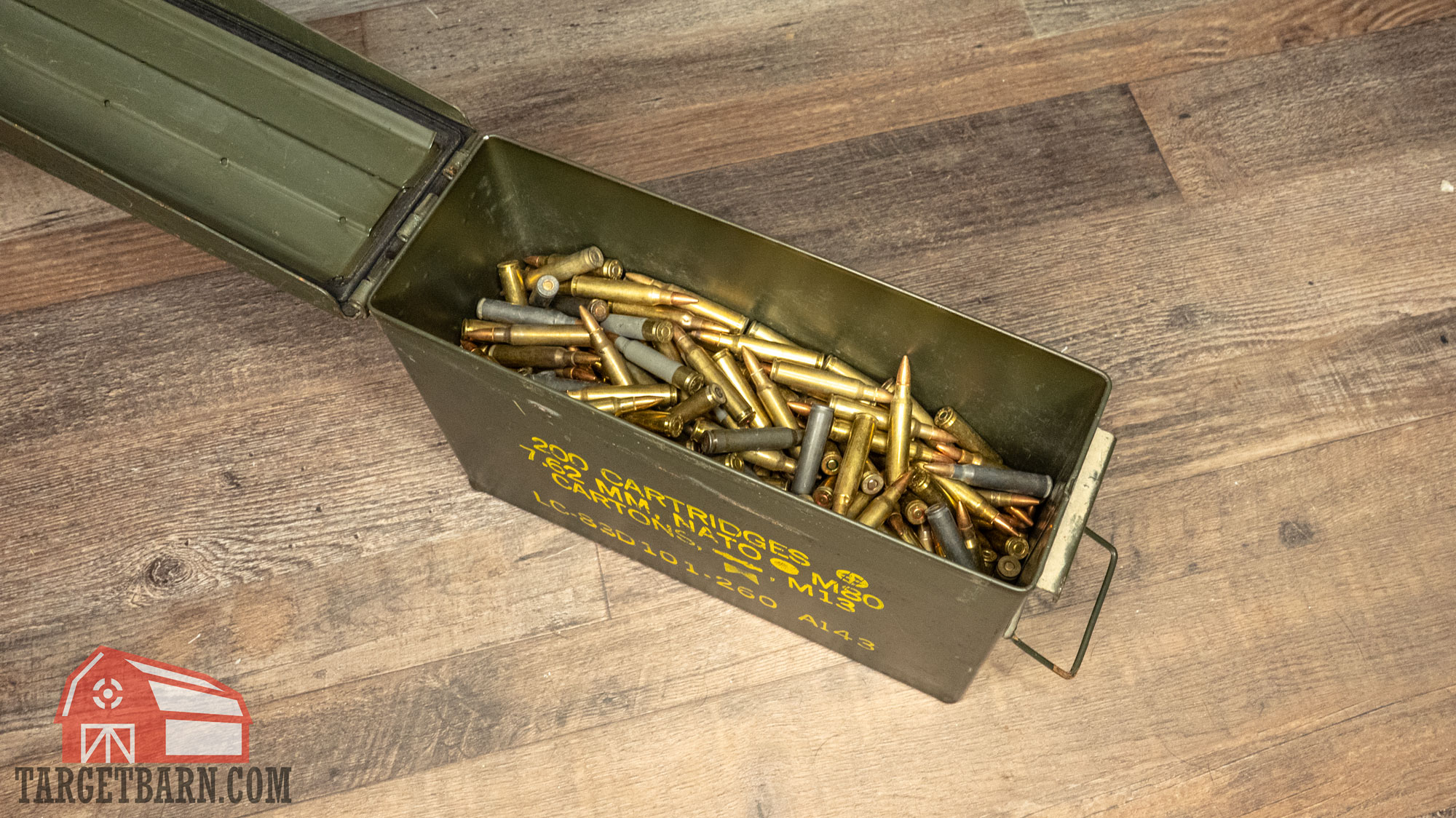
Using the right gear makes transport safer. Hard plastic ammo boxes provide strong protection. Look for boxes with foam inserts to keep rounds from moving. Ammo cans with tight seals prevent moisture damage. Use lockable cases if you need extra security. Carry ammo in original packaging when possible. Small pouches or bags designed for ammo can also help. Invest in quality gear to keep ammo safe and dry.

Frequently Asked Questions
What Is The Safest Container For .223 Ammo Transport?
Use a sturdy, lockable ammo box made of metal or high-impact plastic. It protects rounds from damage and moisture during transport.
Can I Transport .223 Ammo In Checked Luggage?
Most airlines prohibit ammo in checked luggage. Always check airline policies and pack ammo in approved containers for safety.
How Should I Pack .223 Ammo For Vehicle Transport?
Keep ammo in a sealed, labeled container and store it in a cool, dry place. Avoid extreme heat and direct sunlight.
Is It Legal To Transport .223 Ammo Across State Lines?
Laws vary by state. Research local regulations before transporting. 223 ammo to ensure compliance and avoid legal issues.
Conclusion
Transporting. 223 ammo safely requires careful planning and the right tools. Use sturdy, secure containers to avoid damage. Keep ammo away from heat and moisture at all times. Follow local laws and regulations to stay legal and safe. Always handle with care and respect the risks involved.
Safe transport protects you and others on the road. Small steps make a big difference in safety. Stay smart, stay prepared, and keep your ammo secure.