Are you confused about the difference between military and civilian .223 ammo? You’re not alone.
If you’ve ever wondered which one is right for your rifle or what sets them apart, this article is for you. Understanding these differences can improve your shooting experience and help you make smarter choices when buying ammo. Keep reading, and you’ll discover the key facts that every shooter should know before loading their next round.
Ammo Specifications
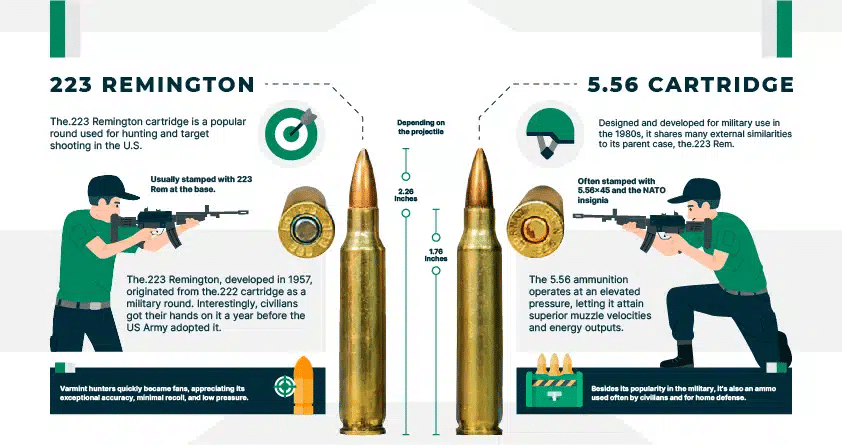
Ammo specifications are key to understanding the differences between military and civilian .223 ammunition. These details affect performance, safety, and legal use. Knowing the specs helps pick the right ammo for your needs.
Caliber And Dimensions
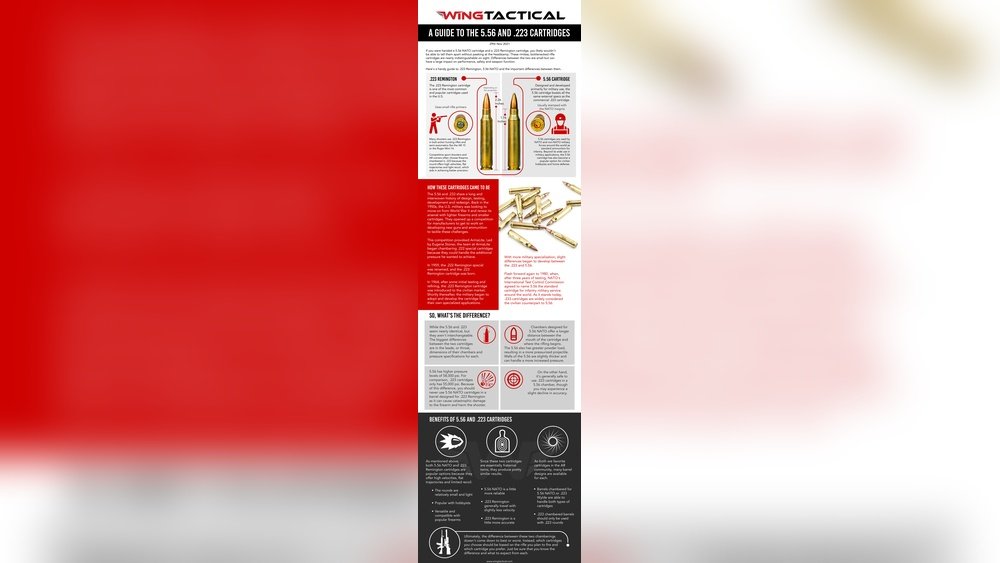
Military and civilian .223 ammo share the same caliber size, 5.56x45mm. The bullet diameter measures 0.224 inches. Cartridge length is nearly identical. Minor variations in case thickness or length may exist but do not affect chamber fit.
Military ammo often uses the 5.56 NATO standard, which has higher pressure limits. Civilian ammo usually follows the .223 Remington specs. This difference means military ammo can handle tougher conditions but may not work in all civilian rifles.
Bullet Types
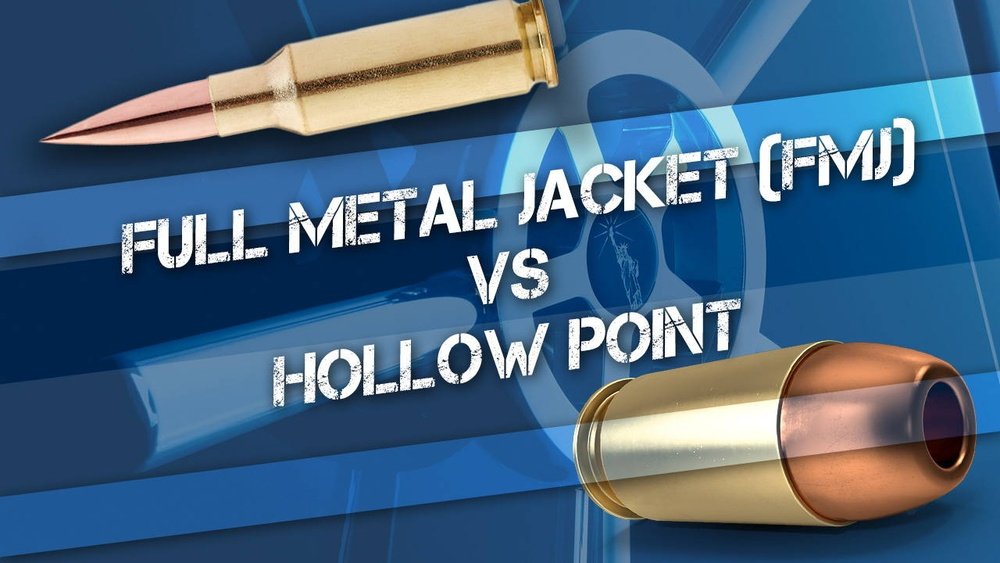
Military .223 ammo typically uses full metal jacket (FMJ) bullets. These bullets have a soft core with a hard metal cover. FMJ designs help with reliable feeding and penetration.
Civilian ammo offers more variety. Common types include FMJ, hollow point (HP), and soft point (SP). HP and SP bullets expand on impact, making them better for hunting and self-defense. Civilian rounds focus more on accuracy and terminal performance.
Powder Loads
Military ammo uses powder loads designed for consistency and durability under harsh conditions. The powder burn rate and amount create higher pressures for better velocity.
Civilian loads vary widely. Some rounds use lighter loads for less recoil and noise. Others match or exceed military velocities for target shooting or competition. Powder choices impact shooting feel, accuracy, and barrel wear.
Performance Variations
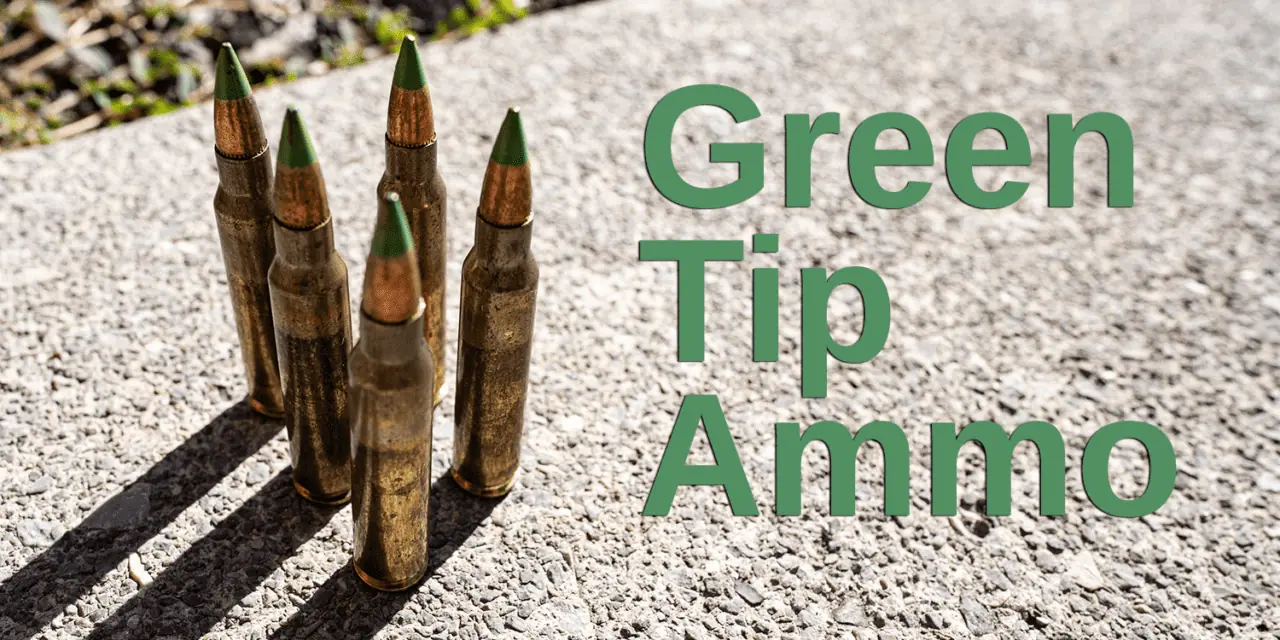
Performance differences between military and civilian .223 ammo affect shooting results. These differences stem from design, purpose, and manufacturing standards. Understanding these variations helps shooters choose the right ammo for their needs.
Accuracy And Consistency
Civilian .223 ammo usually offers better accuracy. Manufacturers focus on precision for target shooting. Military ammo prioritizes reliability in harsh conditions. This can lead to less consistent shot groups. Civilian rounds use higher quality components and tighter tolerances. This improves repeatability and shot placement.
Muzzle Velocity
Military .223 ammo often has higher muzzle velocity. Faster bullets mean flatter trajectories and more range. This helps soldiers engage targets at longer distances. Civilian ammo may have varied speeds depending on bullet weight. Some loads prioritize reduced recoil over speed. Velocity differences impact bullet drop and wind drift.
Terminal Ballistics
Military rounds usually use full metal jacket (FMJ) bullets. FMJ is designed to penetrate and maintain shape. Civilian ammo includes hollow point and soft point bullets. These bullets expand on impact to cause more damage. Hunters and self-defense users prefer expanding bullets. Military ammo focuses on penetration and reliability over expansion.
Manufacturing Standards
Manufacturing standards play a big role in the difference between military and civilian .223 ammo. These standards affect how the ammo performs and how reliable it is. Understanding these standards helps explain why each type of ammo is made differently.
Quality Control
Military .223 ammo goes through strict quality control checks. Each batch must meet tough requirements for consistency and safety. Civilian ammo also follows quality checks but the rules are less strict. This means military ammo is often more uniform in performance.
Materials Used
The materials in military ammo are chosen for durability and reliability under harsh conditions. Military rounds use stronger metals and special coatings to resist corrosion. Civilian ammo uses good quality materials but may not have the same durability features. This difference affects how long the ammo lasts and how well it works in tough environments.
Lot Testing
Military ammo is tested in lots to ensure each group of rounds performs the same. These tests check pressure, velocity, and accuracy. Civilian ammo may have lot testing but it is less thorough. Lot testing ensures military ammo is dependable and safe for use in critical situations.
Legal And Availability Differences
The legal status and availability of .223 ammo differ between military and civilian versions. These differences affect who can buy them and how easily they can be found. Understanding these rules helps buyers make safe and legal choices. This section explains key legal restrictions and market options.
Restrictions On Military Ammo
Military .223 ammo is often restricted for civilian use. Laws limit the sale and possession of military-grade rounds. These rules aim to control armor-piercing and tracer types. Civilians usually cannot buy military ammo without special permits. This keeps powerful rounds from general circulation.
Civilian Market Options
Civilian .223 ammo comes in many types and brands. These rounds are designed for hunting, sport, and self-defense. They do not include banned features like armor-piercing cores. Civilian ammo is easier to find at gun stores and online. Buyers must still follow local laws and age limits.
Import Regulations
Import laws affect the availability of .223 ammo. Some countries restrict military ammo imports more strictly. Civilian ammo often faces fewer import hurdles. Shipping ammo across borders requires permits and paperwork. These rules protect local markets and public safety.
Cost And Pricing Factors
Cost and pricing play a big role in choosing between military and civilian .223 ammo. Several factors affect the price you pay. Understanding these factors helps you make smart buying choices.
Production Costs
Military .223 ammo often uses higher-grade materials. It follows strict quality controls and specifications. These extra steps raise production costs. Civilian ammo generally uses standard materials. It has simpler manufacturing processes. This difference usually makes civilian ammo cheaper than military ammo.
Market Demand
Military ammo demand comes from government contracts. These contracts guarantee large, steady orders. Civilian ammo demand varies with hunting and shooting sports trends. Higher demand can lead to higher prices. Military ammo prices stay stable because of fixed contracts. Civilian ammo prices can rise or fall quickly.
Bulk Purchase Considerations
Buying military ammo in bulk may save money per round. Government surplus sales offer good deals sometimes. Civilian ammo bulk buys also reduce cost per round. But bulk prices depend on brand and availability. Check shelf life and storage conditions for bulk ammo. This prevents waste and extra costs later.

Suitability For Use
The suitability of .223 ammo depends on its design and intended use. Military and civilian .223 rounds differ in bullet type, powder load, and performance. These differences affect how well each round works for specific tasks. Understanding these uses helps choose the right ammo for self-defense, target shooting, or hunting.
Self-defense
Civilian .223 ammo often uses soft-point or hollow-point bullets. These bullets expand on impact, causing more damage to threats. Military ammo usually has full metal jackets, which may not stop attackers as effectively. Civilian rounds reduce the risk of over-penetration, making them safer for home defense. They are better suited for stopping threats quickly and reliably.
Target Shooting
Military .223 rounds are designed for consistent performance in combat. They offer reliable accuracy and stable flight paths. Civilian ammo may vary more but often comes in match-grade versions. These match-grade rounds provide tighter groupings on the target. For casual practice, both types work fine. Serious shooters prefer civilian match-grade ammo for precision.
Hunting Applications
Hunting with .223 ammo requires bullets that expand and stop animals quickly. Civilian ammo uses soft-point or ballistic tip bullets for this purpose. Military ammo is less suitable because it lacks expansion and may cause less humane kills. Civilian rounds help hunters hit vital areas and reduce animal suffering. Choosing the right bullet type is key for ethical hunting.
Frequently Asked Questions
What Are The Main Differences Between Military And Civilian .223 Ammo?
Military. 223 ammo often uses different bullet designs and powder loads for tactical needs. Civilian ammo focuses on accuracy and hunting purposes, with varied bullet types and consistent performance.
Is Military .223 Ammo Legal For Civilian Use?
Military. 223 ammo can be legal for civilians depending on local laws. Always check your jurisdiction’s regulations before purchasing or using military-grade ammunition.
Does Military .223 Ammo Perform Better Than Civilian Ammo?
Military. 223 ammo is built for reliability under harsh conditions, while civilian ammo excels in precision and consistency. Performance varies based on intended use and firearm compatibility.
Can Civilian .223 Ammo Be Used In Military Rifles?
Yes, civilian. 223 ammo can generally be used in military rifles chambered for. 223 Remington. However, verify rifle specifications to ensure safe and optimal performance.
Conclusion
Military and civilian. 223 ammo differ in design and purpose. Military rounds often have stricter regulations and specific features. Civilian ammo suits hunting and target shooting needs. Understanding these differences helps you choose the right ammo. Safety and legality matter most when selecting cartridges.
Always check local laws before buying or using ammo. Remember, knowing your ammo keeps shooting safe and effective.