What does waterproof mean on a rifle scope? In short, it means the scope is sealed against moisture at every joint using O-ring gaskets and a purged gas chamber. But the word gets thrown around loosely in scope marketing, and not every scope that calls itself "waterproof" can survive the same conditions.
Manufacturer specifications indicate that truly waterproof scopes are tested to submersion standards, not just rain exposure. Per MIL-STD-810G environmental testing, top optics manufacturers validate their scopes can handle immersion at depths up to 10 meters for 30 minutes or longer. Those numbers separate real waterproofing from a marketing label.

Image source: Bing (Web (fair-use with source credit))
Quick Answer: What "Waterproof" Actually Means on a Rifle Scope
A waterproof rifle scope blocks moisture using O-ring seals at key joints. Purged gas chambers keep the internal optics dry and fog-free. True waterproofing means the scope survives full submersion, not just rain.
Water-resistant scopes handle only light moisture. Leading brands test scopes to 10 meters deep for 30 minutes.
O-Rings, Gas Purging, and How Sealing Tech Keeps Moisture Out
A rifle scope becomes waterproof through two systems working together. One handles mechanical sealing. The other handles gas purging.
You need both for the scope to hold up when conditions turn ugly.
What O-Ring Seals Actually Do
O-ring seals are rubber gaskets compressed at every joint where two components meet. They sit at turret caps, objective lens housings, and battery compartments on illuminated reticles. When compressed under proper torque, they create a watertight barrier that blocks moisture from entering the scope tube.
The most common O-ring materials in rifle scopes are:
- Nitrile rubber: Standard choice for general use. Resistant to oils and fuels.
- Fluorocarbon rubber: Better heat resistance. Found in premium scopes.
- Silicone rubber: Very flexible. Used in some high-end optics designs.
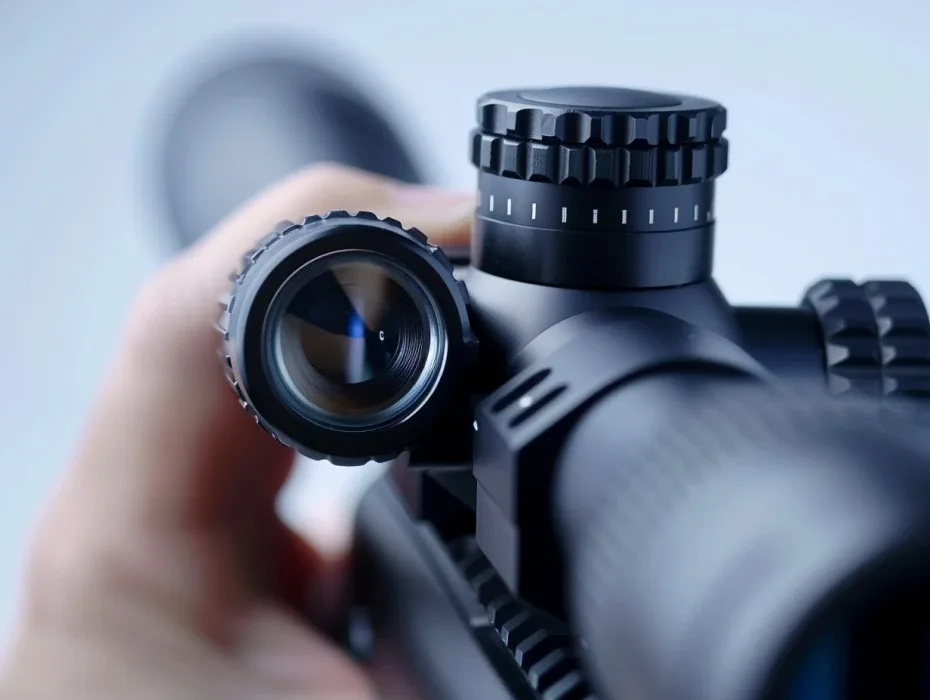
Image source: Web (Bing) / billingsoptics.com (Web image (fair-use with source credit))
Why Purging Is Just as Important
O-ring seals alone won't prevent fogging. Air trapped inside the scope contains water vapor. When temperature drops, that vapor condenses on the lens surfaces and creates internal fog.
Manufacturers solve this by evacuating the chamber and replacing the air with a dry, inert gas. Two gases dominate the industry: nitrogen and argon. Both are moisture-free by design.
The purging process follows three steps:
- Evacuate the scope chamber to near-vacuum levels
- Inject dry nitrogen or argon to displace remaining air
- Seal the fill port to lock in the dry gas
This same principle is used in military optics and aerospace windows. Manufacturer documentation from Vortex Optics and other leading brands details their purging process and gas fill specifications openly.
How Both Systems Work Together
A scope with great O-ring seals but no purging will still fog up when moisture-laden air enters the tube. A purged scope with weak seals will lose its dry gas over time and eventually fog anyway. Both systems need to perform well for the scope to qualify as truly waterproof in field conditions.
Scopes combining multi-layer O-ring sealing with nitrogen purging tend to last noticeably longer before showing moisture damage compared to models with single-layer seals. That gap shows up clearly in long-term hunting and range use.
Waterproof vs. Water-Resistant vs. Fog-Proof: The Critical Differences
These three terms get used interchangeably in scope marketing. They shouldn't be. The differences affect how your scope performs when conditions turn bad.
| Term | What It Means | Exposure Level | Best For |
|---|---|---|---|
| Water-resistant | Handles splashes and light rain briefly | Light, short moisture exposure | Occasional drizzle, outdoor range |
| Waterproof | Sealed against submersion for rated depth/duration | Sustained water exposure | Rain hunts, snow, wading, coastal use |
| Fog-proof | Purged chamber prevents internal condensation | Temperature swings | Dawn hunts, elevation changes, cold mornings |
The Key Distinction
A scope can be fog-proof without being waterproof. It can also be water-resistant without being fog-proof. These are independent features, and marketing materials often blur the lines between them.
What Each Term Means in Practice
Water-resistant scopes handle brief exposure to moisture. You'll be fine if a light shower passes over you at the range. These scopes aren't designed for 30 minutes of steady rain during a hunt.
Waterproof scopes are sealed to survive full submersion for a rated depth and duration. Manufacturer specs for top-tier scopes typically list submersion ratings between 10 meters and 30 meters. If you hunt in wet regions like the Pacific Northwest, Scotland, or coastal Louisiana, this is the spec you want.
Fog-proof scopes use a purged gas chamber to prevent internal lens fogging during temperature swings. This matters most for dawn hunts, elevation changes, and cold mornings when warm breath hits cold glass. Fog-proofing protects against condensation but doesn't mean the scope can survive being dunked in water.
Why This Distinction Matters When You Evaluate a Scope
If you hunt in persistent rain, you need true waterproofing. If you just need your scope to handle morning fog in the mountains, fog-proofing is the key spec to look for. Understanding the difference saves you money and prevents disappointment in the field.
Nitrogen Purging vs. Argon Purging: Does the Gas Fill Matter?
Both gases serve the same purpose: displacing moist air from the scope's internal chamber. The differences show up in performance over time and in price.
| Spec | Nitrogen Purging | Argon Purging |
|---|---|---|
| Molecular weight | 28.01 g/mol | 39.95 g/mol |
| Leak rate through seals | Higher (smaller molecule) | Lower (larger molecule) |
| Cost to manufacturer | Lower | Higher |
| Industry prevalence | Most common (roughly 80-90% of scopes) | Premium scopes (roughly 10-20%) |
| Ideal for | Budget to mid-tier scopes | Premium scopes built for long-term use |
The Physics Behind the Difference
Nitrogen molecules are smaller than argon molecules. That means nitrogen leaks through O-ring seals at a faster rate. Over years of use, a nitrogen-purged scope slowly accumulates ambient air, which contains moisture.
Argon's larger molecular size means it passes through seals more slowly. Manufacturer specifications from premium optics brands indicate that argon-purged scopes maintain their dry gas fill for significantly longer periods.
Does It Actually Matter for You?
For most shooters, nitrogen purging with quality O-ring seals is perfectly adequate. A well-built nitrogen-purged scope will last years without fogging in normal hunting conditions.
Argon purging becomes relevant if you shoot in extreme temperature swings regularly. It also matters when comparing scopes at the same price point and one offers argon fill as an upgrade. As of 2026, most premium scope manufacturers offer argon purging on their top-tier models.
If you're spending over $2,000 on a scope, argon purging is a meaningful upgrade. If you're spending under $500, quality O-ring sealing matters far more than the gas type.
Who Actually Needs a Fully Waterproof Rifle Scope?
Not every shooter needs a submersion-rated scope. The right level of waterproofing depends on where and how you hunt or shoot.
Scenarios Where True Waterproofing Matters
Coastal and saltwater environments: Marsh hunters, waterfowl hunters, and anyone shooting near saltwater. Salt accelerates corrosion on any exposed metal surface. Sealed scopes prevent salt-laden moisture from reaching internal components.
Cold-climate hunting: Alaska, Canada, Scandinavia. Temperature swings from body heat to -20°F create constant condensation risk inside non-sealed scopes.
Tropical environments: High humidity combined with sudden tropical downpours. The ambient moisture load in these conditions is extreme.
Winter hunting: Snow, sleet, and freezing rain. Water trapped in a non-sealed scope freezes and expands. That expansion can crack lens elements over time.

Image source: Bing (Web (fair-use with source credit))
Scenarios Where Water-Resistant Is Enough
Mild-climate hunting: Brief rain showers are common in many regions, but sustained exposure is rare. A water-resistant scope with good fog-proofing handles these conditions fine.
Outdoor range shooting: Most ranges have shelters. You'll deal with light moisture at most.
Dry-season hunts: If your hunting season runs in dry months, fog-proofing handles the temperature swings without needing full waterproofing.
The Real-World Takeaway
Water-resistant scopes commonly begin showing seal-related fogging after 3 to 5 seasons of heavy use in wet conditions. Fully waterproof scopes with nitrogen purging and O-ring sealing routinely last 10 years or more in the same environments.
Warranty terms tell you a lot here. Manufacturers that offer lifetime warranties on waterproof scopes are confident in their sealing technology. Brands that limit coverage for moisture-related damage know where their products tend to fail.
Check the warranty language for water and fog damage specifically when you evaluate a scope.




