Are rifle scopes shockproof? No, not in any absolute sense. The term "shockproof" is a marketing label with no regulated engineering standard behind it.
What scopes actually do is resist recoil damage, built around internal systems designed to hold zero through repeated impulse loads.
Manufacturers test optics using g-force ratings measured across thousands of rounds on high-recoil platforms. Some premium scopes are rated to withstand up to 800g of repeated recoil per military specifications. The real gap between a $100 scope and a $2,000 scope comes down to how that tolerance is engineered and verified.
Image source: Bing (Web (fair-use with source credit))
Quick Answer
Rifle scopes are not truly shockproof. That term is a marketing label, not a regulated standard. Scopes are built to resist recoil damage using sealed construction and spring systems.
Durability depends on caliber, mount quality, and how the scope is engineered. A well-built scope can hold zero through heavy recoil for thousands of rounds.
The Short Answer: No Rifle Scope Is Truly Shockproof
Shockproof is the single most misunderstood term in the optics world. No government agency certifies a scope as shockproof. No standards body regulates the claim.
Manufacturers use the word freely because nothing stops them from doing so.
But scopes can handle recoil. The best optics are engineered to survive thousands of rounds on calibers that would destroy lesser products. The real question is what your specific scope actually tolerates and how you verify it.
Think about it this way. A scope rated for 7.62 NATO recoil is not the same as one built for .338 Lapua Magnum. Mounting a budget scope on a magnum rifle is a mistake.
It's like putting cheap rings on a precision rifle and hoping they hold tight.
When you see "shockproof" on a box, treat it as a starting claim. What you should look for instead are concrete specifications: tube diameter, construction materials, recoil test data, and warranty terms covering recoil-related failure. Aggregate reviews as of 2026 consistently show mid-tier and premium optics holding zero far longer under recoil than budget options.
That gap widens significantly on magnum calibers.
How Rifle Scope Internals Actually Handle Recoil
The erector tube system is the heart of every rifle scope and the main thing that can fail under recoil. It's a small tube inside the scope housing that holds the reticle lens and connects to your elevation and windage turrets. When the rifle fires, recoil energy sends a shockwave through the entire optic.

Image source: Bing (Web (fair-use with source credit))
Inside the erector tube, a spring pushes the lens assembly against the turret adjustment mechanism. This spring tension is what keeps the reticle locked in position after each shot. When the spring weakens or loses tension, your zero shifts.
When the lens moves off its seating point, it shifts again. Sometimes permanently.
Nitrogen or argon gas purging adds another layer of protection. The scope is sealed with O-rings and filled with dry, inert gas to prevent internal fogging. Under heavy recoil, if those seals degrade, moisture enters.
The result is foggy lenses that won't clear, no matter what the weather does outside.
The scope housing itself also matters. A one-piece aluminum tube flexes less under recoil than a multi-piece design. Less flex means less binding pressure on the erector assembly.
That's the engineering difference between a scope that holds zero and one that doesn't.
Caliber Recoil Profiles: What Your Scope Is Actually Up Against
Not all recoil is equal, and your scope feels the difference. The amount of force a cartridge generates directly affects how hard that shockwave hits your optic. Here's how common calibers compare.
| Caliber | Recoil Energy (ft-lbs) | Scope Class |
|---|---|---|
| .223 Remington | ~13 | Standard, LPVO friendly |
| .308 Winchester | ~26 | Mid-tier and above |
| .300 Win Mag | ~37 | Premium recommended |
| .338 Lapua Magnum | ~65 | Highest-rated optics only |
| .50 BMG | ~120 | Specialized duty optics |
The Sporting Arms and Ammunition Manufacturers' Institute (SAAMI) standardizes recoil measurements across the industry. Their data shows exactly what each cartridge delivers to the action and the scope. Check their official documentation when you're sizing up a new optic for a new rifle.
Platform matters too. A bolt-action rifle with a heavy barrel absorbs more recoil energy before it reaches the scope. An AR-15 platform sends a faster, sharper impulse to the optic because the receiver is lighter and the cycling action adds its own vibration.
Muzzle brakes and suppressors change the recoil signature in different ways. Muzzle brakes increase felt recoil impulse on the action because they redirect gases aggressively. Suppressors actually soften the recoil profile but add weight to the barrel.
Both alter what your scope needs to withstand.
What Makes a Scope Hold Zero Under Heavy Recoil
Construction quality separates scopes that survive recoil from those that don't. Four factors matter most.
Tube diameter is the first thing to check. A 34mm tube offers more internal space and structural rigidity than a 1-inch tube. If you're running a magnum caliber, a larger tube gives the erector assembly more room to operate without binding.
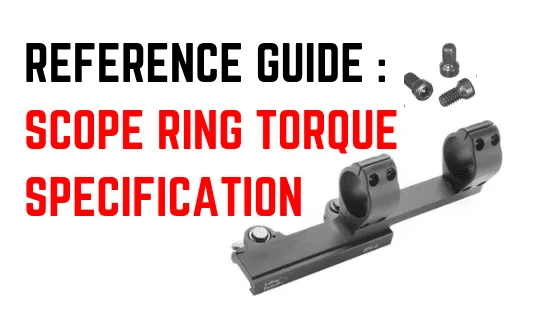
Image source: Web (Bing) / thestalkingdirectory.co.uk (Web image (fair-use with source credit))
Dual-spring erector systems handle recoil better than single-spring designs. Two springs distribute the load and maintain tension longer under repeated impulse. Premium optics from brands like Leupold and Nightforce use this construction standard.
Mounting is where most scope failures actually happen. A great scope on a poorly torqued ring is worse than a decent scope on a properly installed mount. Ring torque specs typically range from 10 to 20 in-lbs depending on ring material.
Always check the manufacturer's torque spec before tightening.
One-piece mounts generally outperform two-piece ring sets under recoil. They distribute force more evenly across the rail and reduce the chance of one side slipping before the other.
Common Mistakes That Cause Scope Failure on High-Recoil Rifles
Most scope failures under recoil aren't the scope's fault. They're mounting errors or mismatched components.
Torque specs are the number one mistake. Under-torquing rings lets the scope slide forward under recoil. Over-torquing crushes the scope tube and binds the erector assembly.
Both cause zero shift. Use a torque wrench and follow the manufacturer's spec, not a generic number.
Mismatched rings and tube diameter are the second common error. Putting a 30mm scope into 1-inch rings without an adapter will crush the tube. Putting a 1-inch scope into 30mm rings leaves the optic loose in the mount.
Either way, your zero won't hold.
Buying a scope rated for the wrong recoil class happens more than it should. A scope engineered for .223 Remington recoil may not survive a steady diet of .300 Win Mag. The recoil energy difference is roughly 13 ft-lbs versus 37 ft-lbs.
When zero shifts, diagnose before you blame the scope. Check the mount screws first. Look for ring slippage marks on the scope tube.
If both are clean, then suspect the optic itself. Document everything before submitting a warranty claim.
Safe Mounting and Zero Verification: The Right Way to Do It
Proper installation eliminates most scope failures before they ever happen. Do this process right and your optic will hold zero under recoil regardless of caliber.
Here's the mounting workflow that keeps zero stable on high-recoil rifles.
- Match your scope's recoil rating to your cartridge's energy class.
- Choose ring size to match the scope tube diameter exactly.
- Place rings to spread force evenly across the scope saddle.
- Torque every screw to the manufacturer's specified in-lb value.
- Apply a small amount of thread locker to mount screws.
- Bore-sight the scope at 25 to 50 yards before shooting.
- Fire a controlled group to confirm the zero holds.
- Re-torque all ring screws after the first 50 rounds fired.
- Check torque again every 200 to 500 rounds or after any impact.
Ring placement matters more than most shooters realize. Put one ring forward of the turret saddle and one behind it. This distributes recoil force across the scope body instead of concentrating it on a single point.
Before you send a scope back for a warranty claim, document the round count, caliber, mount configuration, and exactly what you observed. Manufacturers verify failure details, and missing data can delay or void coverage.
Best Scopes for High-Recoil Calibers: What to Look For
Choosing the right scope for recoil-heavy rifles comes down to construction, not marketing claims. Focus on tube diameter, erector system quality, and warranty terms that actually cover recoil-related failure.
Here's how the major price tiers perform under recoil.
| Tier | Price Range | Best Recoil Class |
|---|---|---|
| Budget | $50–$150 | .223 Rem and light .308 use |
| Mid-range | $200–$600 | Handles .300 Win Mag reliably |
| Premium | $800–$2,000+ | Rated for magnum and .50 BMG |
Several brands have earned strong reputations for recoil durability. Leupold backs their optics with a lifetime warranty and publishes military contract data on their official site. Vortex offers a no-questions-asked warranty that covers recoil damage regardless of cause.
Nightforce uses MIL-PRF testing standards across their product line. Trijicon's ACOG and VCOG lines are rated for extreme recoil platforms.
If you're running an AR-15 in .223 Rem, a 1-8x LPVO is a strong choice. It handles recoil well, adds no magnification-related mechanical complexity, and works across multiple ranges. For close-range work exclusively, a red dot sight offers fewer internal parts and generally better recoil tolerance than any magnified scope.
Frequently Asked Questions
Do I need a recoil-rated scope for an AR-15?
No, but you need a scope built for the platform. AR-15s generate lighter recoil around 13 ft-lbs in .223 Rem, so most mid-range optics hold zero well. What matters more is proper mounting on a free-float handguard, correct ring torque specs, and a scope sized for the tube diameter.
Can I use a .308-rated scope on a .338 Lapua rifle?
No. The recoil energy difference is roughly 26 ft-lbs versus 65 ft-lbs. A .308-rated optic will likely shift zero or fail internally under that load.
Always match your scope's recoil rating to the cartridge you're actually shooting. Scope manufacturers publish recoil limits for a reason.
Do muzzle brakes damage scopes faster?
Yes. Muzzle brakes increase felt recoil impulse on the action because they redirect gases aggressively. A scope on a braked rifle sees a harsher shockwave.
If you run a brake, step up your scope tier or re-torque rings more frequently.
Is a $200 scope good enough for high-recoil shooting?
It can be, but only on .223 or .308 platforms. Budget scopes often fail on magnum calibers due to weak erector springs and thin tube walls. For .300 Win Mag or above, invest in mid-tier or premium optics that are properly engineered.
How do I tell if my scope lost zero from recoil damage?
Check the mount first. Look for ring slippage marks on the tube and retighten screws to spec. If zero still shifts after re-torquing, the scope internals may have failed.
Document round count and caliber before submitting a warranty claim.
Are red dot sights more recoil-proof than magnified scopes?
Generally, yes. Red dots have fewer moving parts and no erector tube system, so they resist recoil damage better. Magnified scopes have more internal components that can shift under impulse.
Red dots are the safer choice on the harshest recoiling platforms.




