How much does a good rifle scope cost? If you've shopped for optics lately, you've probably noticed the price ranges can feel all over the place. One day a scope costs $180.
The next week you're staring at a $2,500 price tag wondering where the real difference lives.
In our research, most hunters and shooters land comfortably in the $250 to $800 range for a solid, reliable scope. That's where optical clarity, turret quality, and durability take a real jump compared to budget glass. The right number depends on what you're actually doing with it.
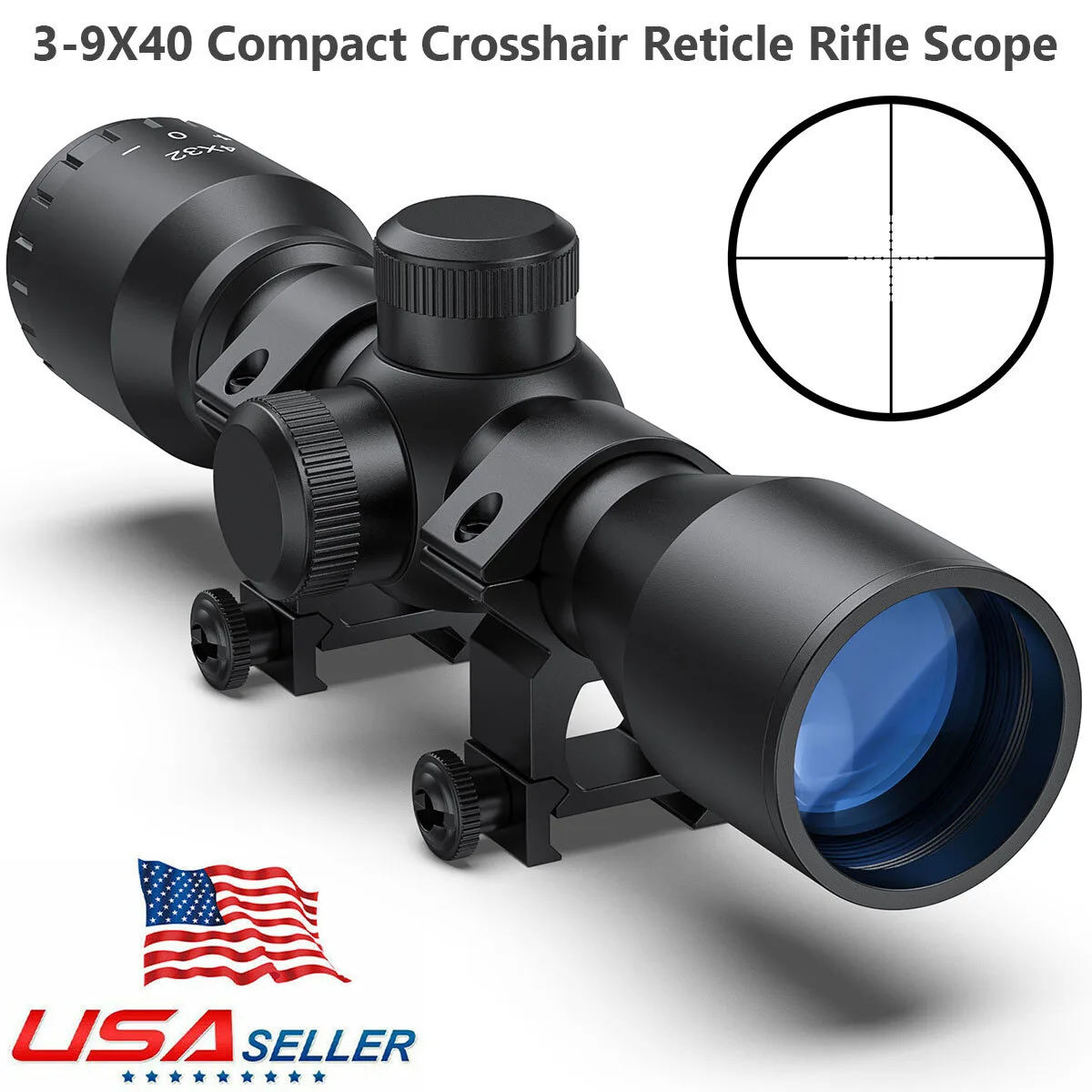
Image source: Web (Bing) / ebay.com (Web image (fair-use with source credit))
Quick Answer
A good rifle scope costs $250 to $800 as of 2026. Budget scopes under $250 work for casual use but lack optical clarity. Premium glass above $800 adds low-light performance and better turret tracking.
Most hunters find the best value in the mid-range tier.
Why Scope Pricing Confuses Most Shooters (And What You're Actually Paying For)
The reason scope pricing feels random comes down to marketing. Brands target different buyers with different optics. A scope sold for deer hunting won't look like one marketed for PRS competitors, even when the glass underneath is comparable.
The real price drivers boil down to three things. Optical glass quality. Mechanical turret quality.
And the warranty behind it. Everything else follows from those foundations.
Manufacturer specifications confirm that glass quality alone can swing a scope's cost by hundreds of dollars. ED glass (extra-low dispersion) and fluoride-containing lenses cost far more to produce than standard multi-coated glass. That production cost shows up directly in the price tag.
You're paying for how well a scope performs when conditions are tough, not just how it looks on paper.
The Four Rifle Scope Price Tiers: What $150, $400, $900, and $2,000+ Really Get You
Scopes fall into roughly four tiers. Knowing what separates them saves you from both underbuying and overspending.
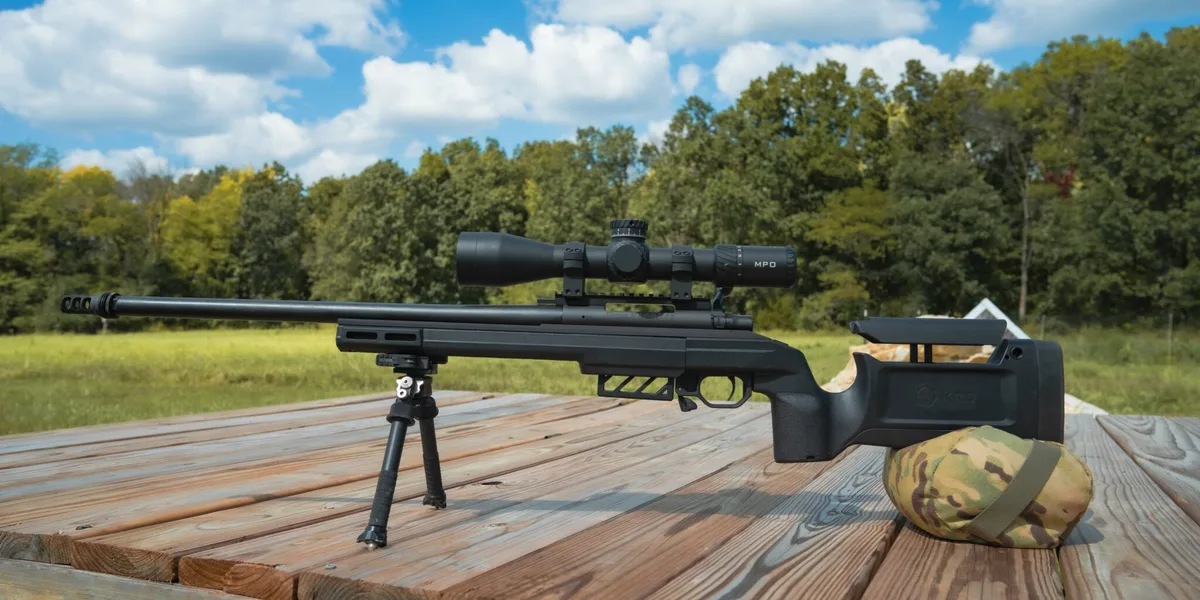
Image source: Bing (Web (fair-use with source credit))
| Tier | Price Range | What You Get |
|---|---|---|
| Budget | $150 to $300 | Basic glass coatings. Decent for plinking and casual hunting. Inconsistent turret tracking. |
| Mid-Range | $300 to $800 | Clearer glass and better light transmission. Reliable turrets. Lifetime warranties from Vortex and Leupold. |
| Premium | $800 to $1,500 | ED glass, precise tracking, and coatings built for demanding conditions. |
| Ultra-Premium | $1,500+ | Flawless optics from Swarovski, Schmidt & Bender, and Nightforce. Diminishing returns for most hunters. |
Our analysis of current pricing (as of 2026) shows the mid-range tier offers the best balance of performance per dollar for most shooters. You get enough optical quality to see clearly at dawn and dusk without paying for glass you'll never fully exploit.
The ultra-premium tier exists for a reason. If you're doing precision long-range work or professional tactical shooting, those extras earn their cost. For everything else, the mid-range sweet spot holds.
Side-by-Side: Budget vs. Mid-Range vs. Premium vs. Ultra-Premium Scope Specs
Aggregate manufacturer data and review analysis paint a clear picture of what each tier delivers in practice.
| Feature | Budget ($150 to $300) | Mid-Range ($300 to $800) | Premium ($800 to $1,500) | Ultra-Premium ($1,500+) |
|---|---|---|---|---|
| Glass coatings | Multi-coated | Fully multi-coated | HD/ED glass | Fluoride ED glass |
| Low-light performance | Fair to poor | Good | Very good | Excellent |
| Turret tracking | Inconsistent | Reliable | Precise | Flawless |
| Warranty | 2 to 5 years | Lifetime | Lifetime | Lifetime |
| Typical weight | 16 to 20 oz | 18 to 24 oz | 20 to 28 oz | 22 to 32 oz |
The biggest jump happens between budget and mid-range. That transition changes how much you see in low light and how consistently your turrets track. Going from premium to ultra-premium is mostly about refinement, not fundamental capability.
If you're hunting whitetail in dense Eastern woods, mid-range glass is enough. If you're hunting elk across open Western terrain at 500+ yards, premium tiers earn their cost.
What Drives the Price: Glass Quality, Turrets, and Build, Not Just the Brand Name
Brand name matters. But the price you pay is really driven by what's inside the tube.
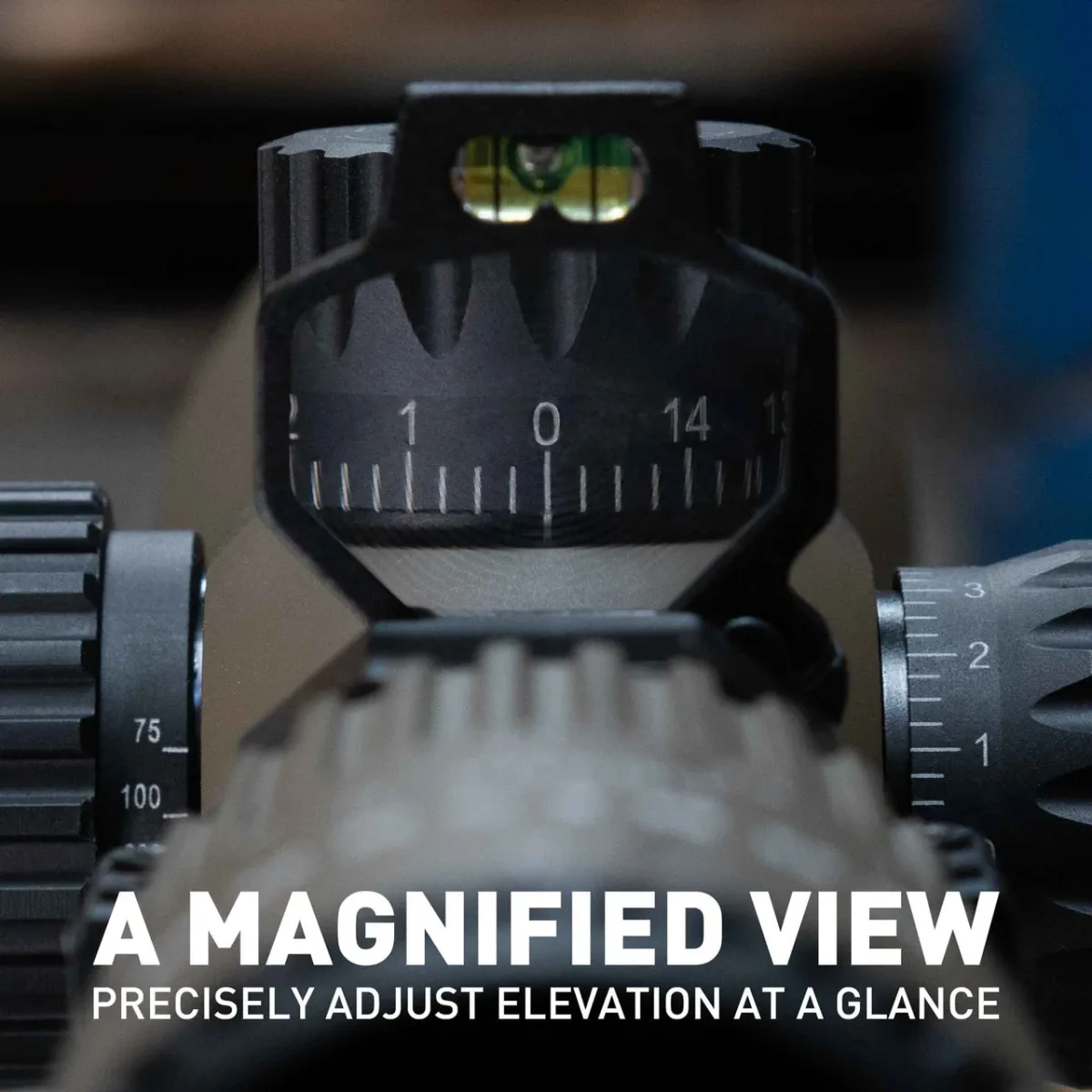
Image source: Web (Bing) / monstrumtactical.com (Web image (fair-use with source credit))
Glass quality is the biggest variable. Standard multi-coated lenses cost little to produce. ED glass costs significantly more because the manufacturing process is tighter and more controlled.
That's why a Vortex Razor HD costs triple what a Vortex Crossfire II costs, even though both carry the same warranty.
Turrets are the second major factor. Cheap turrets have mushy clicks and don't return to zero reliably. Quality turrets click cleanly at 1/4 MOA or 0.1 MRAD and hold their adjustment through hard recoil.
Brands like Leupold and Nightforce invest heavily in this area.
Build quality covers tube strength, waterproofing (nitrogen or argon purged), and finish durability. A scope that fails after hard use costs you more over time than one that survives it.
The smart move is to spend your budget on glass and turrets first. Reticle features and magnification range matter less than most people think.
Best Scope Price Tier for Each Shooting Use Case (Hunting, LPVO, Long-Range, Precision)
Your use case should drive your budget, not the other way around.
Here's how the tiers match up:
Deer hunting, Eastern forests, 100 to 300 yard shots: Mid-range tier ($300 to $600). Look for a 3-9×40 or 4-12×40 with strong low-light glass. A Leupold VX-3HD or Vortex Viper PST Gen II covers this well.
Elk and large game, Western terrain, 300 to 600 yard shots: Premium tier ($800 to $1,200). You need glass clarity and turret reliability for longer shots. Magnification in the 4-16x or 3-15x range handles most scenarios.
LPVO for tactical or short-range hunting (1-6x or 1-8x): Budget to mid-range tier ($250 to $500) works well. A Primary Arms SLx handles most tasks without overspending.
Precision long-range shooting, 800+ yards: Premium to ultra-premium ($1,000 to $3,000). Nightforce, Schmidt & Bender, and Swarovski earn their prices here. Turret precision becomes mission-critical.
The principle stays simple. Match the tier to the distance and conditions you actually shoot in, not to someone else's setup.
Common Mistakes When Buying a Rifle Scope (And How to Avoid Overpaying)
The most expensive mistake shooters make isn't choosing the wrong scope. It's spending money on features that don't match their actual shooting needs.
Mistake 1: Buying the cheapest option on the market. Budget scopes under $150 often lack the glass quality and turret reliability that make a scope worth owning. Verified buyer feedback reports show that these optics fog up, lose zero, and show chromatic aberration at range. Save up for the mid-range tier instead.
Mistake 2: Paying for features you'll never use. If you're hunting deer inside 300 yards, you don't need a 5-25×56 scope with a first focal plane reticle and an illuminated ballistics turret. Those features add cost without adding performance for your situation.
Mistake 3: Ignoring the total cost. A rifle scope doesn't work without rings and a mounting base. Budget $40 to $150 for quality rings and a base on top of your scope price. A $500 scope with $80 of cheap rings performs worse than a $450 scope mounted properly.
Mistake 4: Skipping the turret tracking test. A scope that can't return to zero reliably costs you accuracy on every follow-up shot. Aggregate reviews consistently flag turret consistency as the difference between a scope you trust and one you don't.
Mistake 5: Choosing based on brand alone. Brands earn their reputation, but a well-known name on a mediocre model doesn't beat a lesser brand's flagship product. Compare specs, not logos.
Expert Tips: How to Get the Best Value on a Rifle Scope
Getting the best value means spending where it matters and waiting where it doesn't. Here's what our analysis of the market suggests works.
Shop the used and refurb market. Premium scopes from Swarovski, Nightforce, and Schmidt & Bender lose 20 to 40 percent of their retail value on the used market, often with warranties still intact. Certified pre-owned programs from major manufacturers add another layer of safety.
Wait for end-of-season sales. Post-hunting-season clearance sales (January through March) and Black Friday optics deals regularly drop mid-range scopes by 15 to 25 percent. Timing your purchase saves real money.
Match magnification to your actual shooting distance. Most whitetail hunters do fine with a 3-9×40 or 4-12×40. Going to a 5-25x scope adds weight, cost, and complexity without improving your results at typical hunting ranges.
Don't cheap out on rings and bases. Talley, Vortex, and Leupold rings run $30 to $80 per pair. Cheap rings that allow the scope to shift ruin your zero regardless of how good the glass is.
Register the warranty. Most lifetime warranties (Vortex, Leupold) require you to register the product. It takes five minutes and protects your investment long-term.
Consider a throw lever. Most budget scopes don't come with one. A $20 to $30 throw lever on the magnification ring speeds up changes in the field and is one of the best cheap upgrades available.
Think long-term, not just upfront cost. A $600 scope that lasts 15 years with full warranty support costs less per season than a $250 scope you'll replace in three years.
Rifle Scope Pricing FAQs
Is a $300 rifle scope good enough for hunting?
A $300 rifle scope is good enough for deer hunting inside 300 yards, yes. Mid-range options from Vortex, Primary Arms, and Bushnell in that price range offer clear glass and reliable turrets. If your shots stay under 300 yards in moderate light, you won't notice the gap versus premium glass.
Why are some rifle scopes so expensive?
Rifle scopes cost more when they use ED glass, precise mechanical turrets, and premium coatings. Those components are expensive to manufacture. Brands like Swarovski and Schmidt & Bender also factor in extensive quality control and field testing, which adds to the retail price.
What is the best rifle scope price for a beginner?
Most beginner hunters do well in the $250 to $400 range. At this price, you get reliable turrets, decent glass, and strong warranties from brands like Vortex. Avoid scopes under $150 unless you're only plinking at the range.
Should I spend more on the scope or the rifle?
A good rule of thumb is to spend at least as much on your scope as you did on the rifle. Many experienced shooters allocate 1/3 to 1/2 of their rifle's value toward optics. A cheap scope on a quality rifle wastes the rifle's potential.
How much do rifle scopes cost for long-range shooting?
Long-range precision scopes (5-25×56 range) run $800 to $3,000 as of 2026. Mid-tier options like the Vortex Viper PST Gen II work for 800-yard work. Premium models from Nightforce or Schmidt & Bender handle 1,000+ yard precision demands.
Do expensive rifle scopes hold their resale value?
Premium scopes from Swarovski, Nightforce, and Schmidt & Bender hold value exceptionally well. Used premium glass regularly sells for 60 to 75 percent of retail, compared to budget scopes that drop to 30 to 40 percent of retail after a few seasons.




