How do I store a holster? Proper holster storage is key to keeping your gear functional and safe, whether you're tucking it away for the night or for a longer break. The best method really depends on the material your holster is made from, with leather requiring more specific care than polymer or Kydex.
Our research indicates that neglecting even simple storage practices can lead to premature wear, material degradation, or even mold growth. For instance, manufacturer specifications for Kydex holsters often highlight the importance of avoiding prolonged exposure to temperatures above 150°F (65.5°C) to prevent deformation. Let's dive into the specifics for each type of holster.
Quick Answer
Store holsters clean, dry, and away from extreme temperatures. Leather holsters need conditioning and humidity control to prevent cracking or mold. Kydex and polymer holsters are more durable but should still be kept from warping.
Nylon holsters require basic drying and mildew prevention.
Holster Storage: It Depends on the Material
The biggest factor in how you should store a holster is what it's made from. Different materials react differently to environmental conditions like humidity, temperature, and exposure to light. Understanding your holster's composition is the first step to ensuring it lasts and performs reliably.
- Kydex/Polymer: These thermoplastics are tough, moisture-resistant, and generally hold their shape well. They're the most forgiving when it comes to storage.
- Leather: A natural material that can dry out, crack, become brittle, or conversely, absorb moisture and develop mold if not stored correctly. It needs the most attention.
- Nylon/Fabric: These synthetic fabrics are flexible but can also absorb moisture, making them susceptible to mildew and a general breakdown over time if stored damp.
This difference in material science means a one-size-fits-all approach to holster storage just won't cut it. What works perfectly for a rigid Kydex holster could be detrimental to a supple leather one.
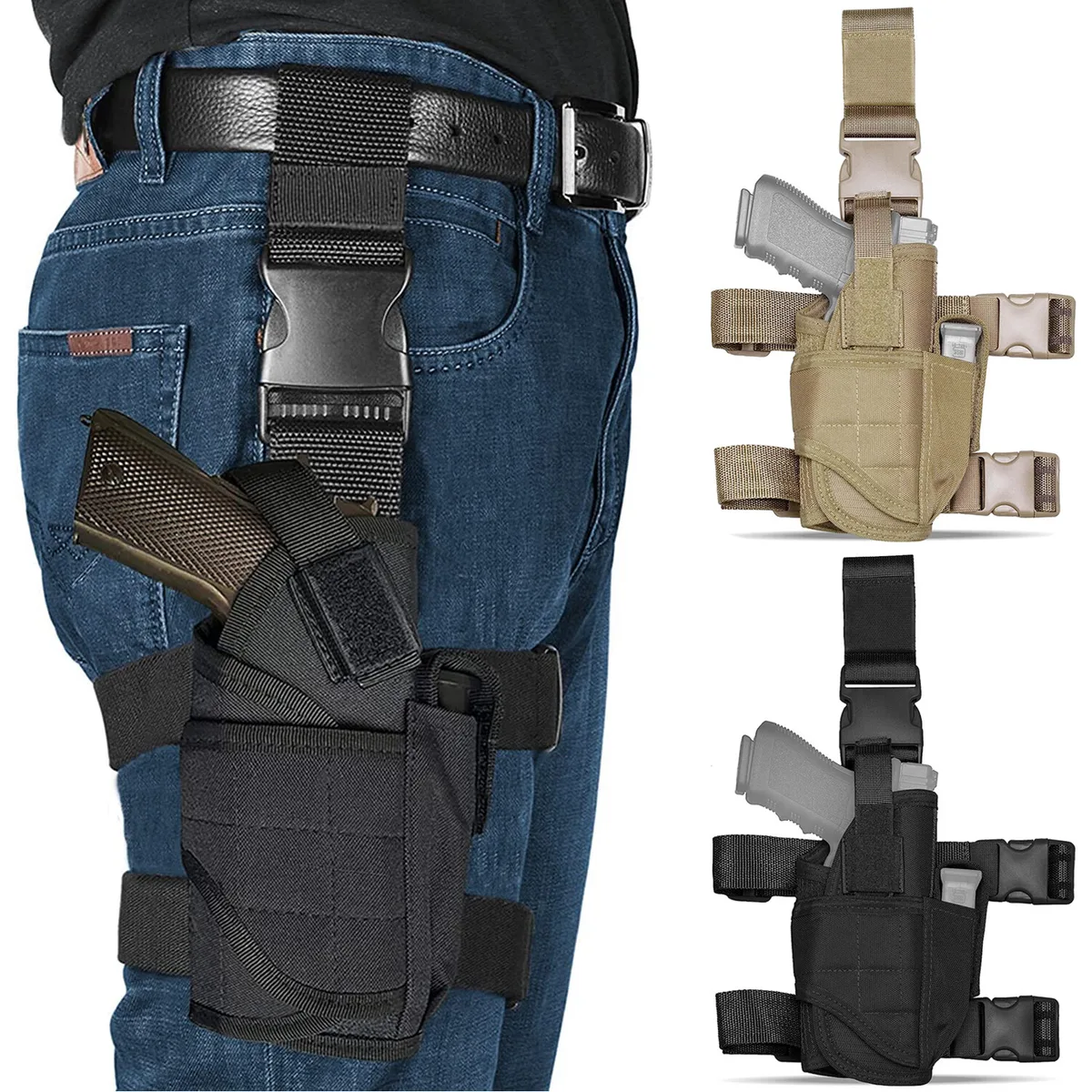
Image source: Web (Bing) / ebay.com (Web image (fair-use with source credit))
Kydex & Polymer Holsters: Low Maintenance, High Durability
Kydex and other polymer-based holsters are workhorses for a reason. Their inherent toughness means they can handle a lot of abuse. However, "tough" doesn't mean "indestructible," and improper storage can still shorten their lifespan or affect their fit.
The primary concerns with Kydex and polymer holsters are warping and retaining an unwanted shape. Extreme heat is the main culprit here. Manufacturer specifications often note that sustained temperatures exceeding 150°F (65.5°C) can begin to soften these materials, potentially leading to a loss of retention or a deformed fit.
This is why leaving a Kydex holster in a hot car for extended periods is not recommended, especially during summer months.
When storing Kydex or polymer holsters, focus on:
- Avoiding Extreme Heat: Never leave them in direct sunlight or hot environments for long durations.
- Maintaining Shape: Store them in a place where they won't be crushed or bent out of their intended form. A drawer with other gear or a dedicated holster rack works well.
- Keeping Them Clean: A simple wipe-down with a damp cloth is usually sufficient to remove dust or debris. Avoid harsh solvents that could potentially degrade the plastic over time.
For most users, storing these types of holsters involves simply placing them in a drawer, safe, or range bag where they are protected from physical damage and extreme environmental conditions. They don't typically require conditioning or special humidity controls like their leather counterparts.
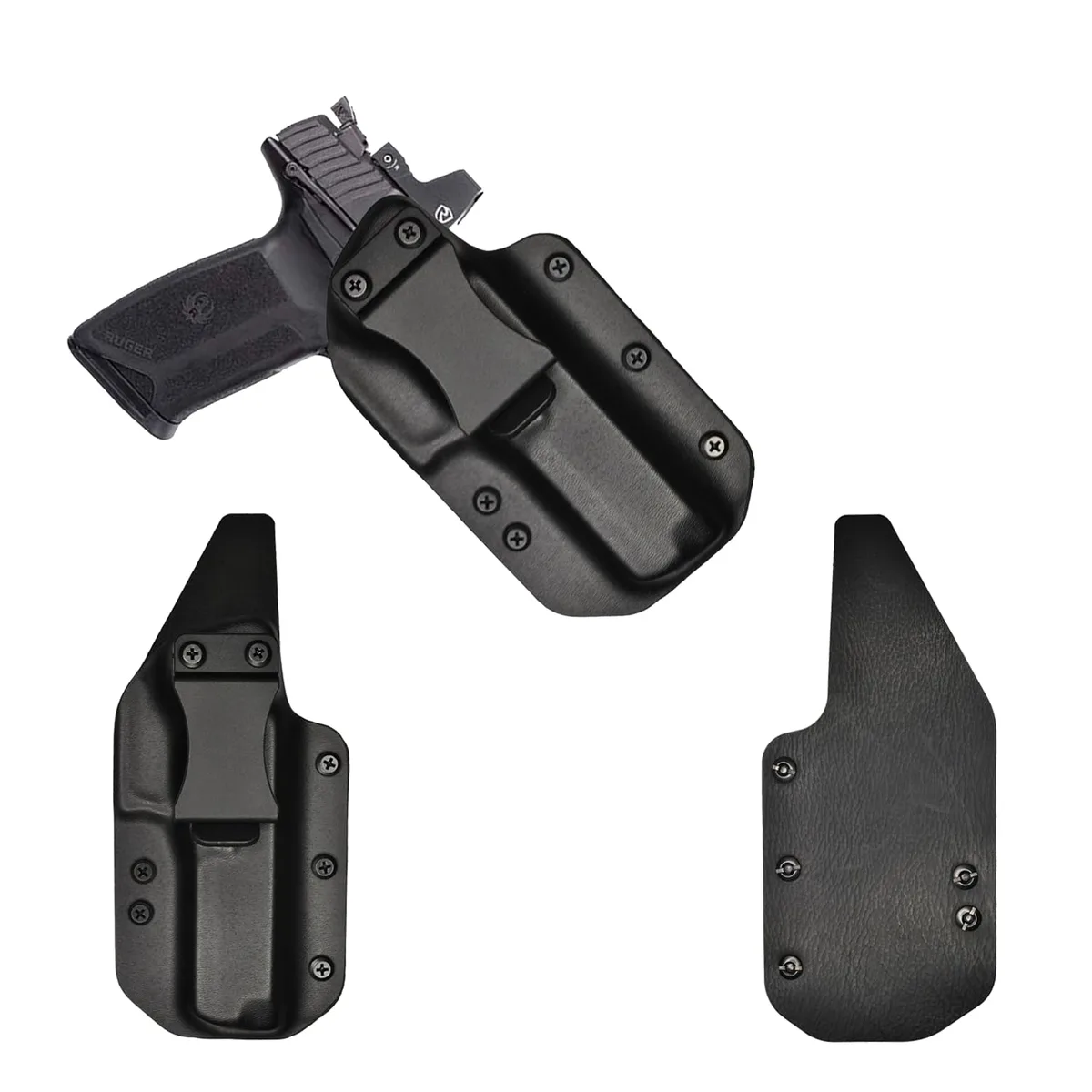
Image source: Web (Bing) / eyvholsters.com (Web image (fair-use with source credit))
Leather Holsters: The Care Your Leather Needs
Leather holsters offer a classic look and feel, but they demand more thoughtful storage practices. Leather is an organic material that's susceptible to environmental changes, making it crucial to manage humidity and temperature. Aggregate user reviews consistently highlight that improper storage can lead to dry rot, cracking, or even the unwelcome growth of mold and mildew.
The ideal storage environment for leather holsters is one with stable temperature and low to moderate humidity. Think of a closet in a climate-controlled home, that's usually a good spot. If your storage area is consistently very humid, you risk moisture absorption, which can weaken the leather fibers and encourage mold.
Conversely, if the air is extremely dry, the leather can lose its natural oils, leading to stiffness and cracking.
To properly store leather holsters:
- Control Humidity: Use silica gel packets or a dehumidifier in enclosed storage spaces if humidity is high. Avoid sealing leather in airtight plastic bags, as this traps moisture. Per standards for textile and leather preservation, relative humidity should ideally be kept between 40-55%.
- Condition Regularly: Before long-term storage, and periodically thereafter, condition the leather with a high-quality leather balm or oil specifically designed for gun holsters. This replenishes lost oils and protects against drying. Ensure the conditioner is fully absorbed before putting the holster away.
- Maintain Shape: Stuff the holster lightly with paper towels or a dedicated holster insert to help it retain its molded shape. This prevents the mouth from collapsing, which can make re-holstering difficult later.
- Allow Airflow: If possible, store leather holsters in a breathable cloth bag rather than a sealed plastic one. This allows for minimal air circulation.
Remember to always let a leather holster dry naturally if it becomes wet. Never use direct heat sources like hair dryers, as this can cause irreversible damage.
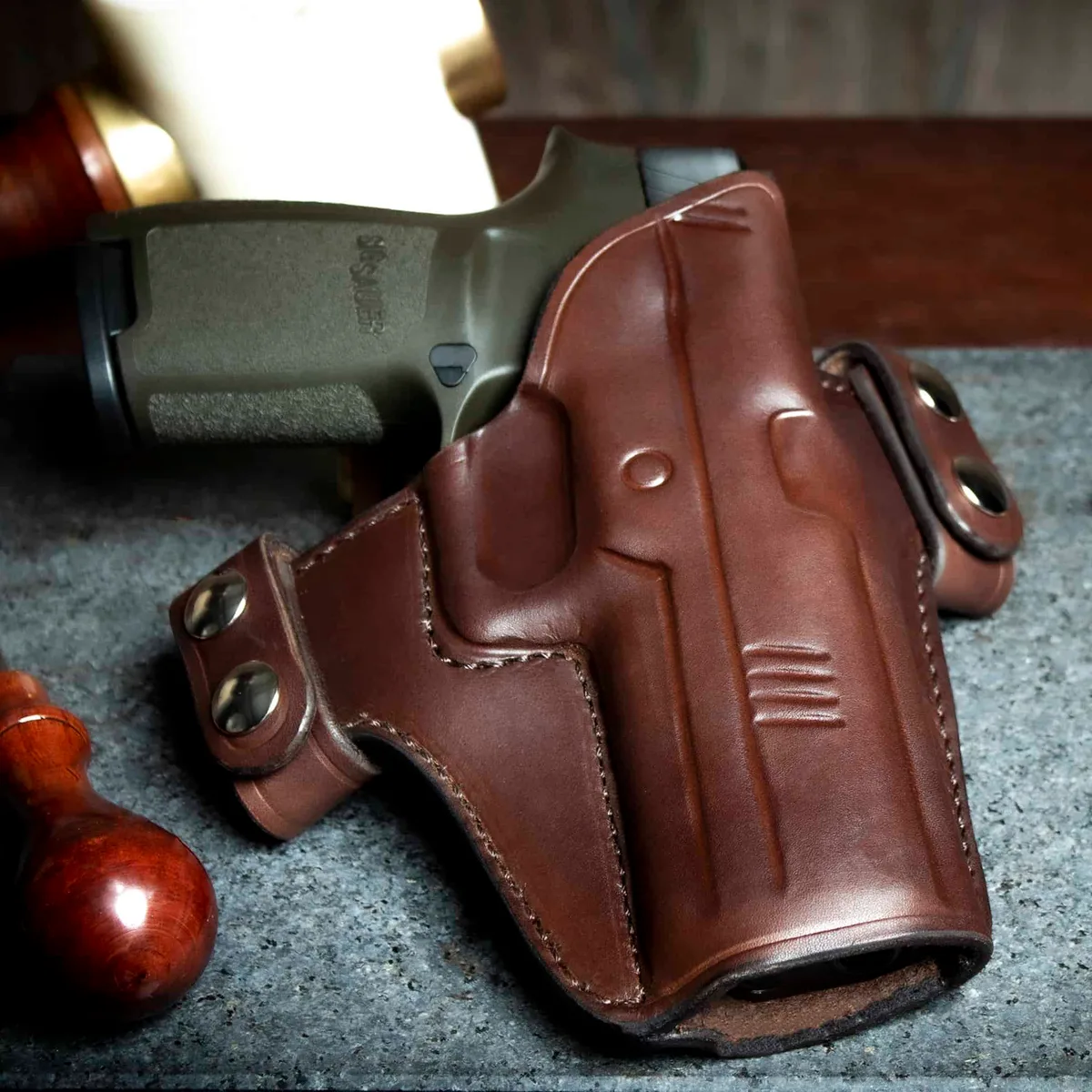
Image source: Web (Bing) / storage.googleapis.com (Web image (fair-use with source credit))
Nylon & Fabric Holsters: Keeping Them Fresh
Nylon and other fabric holsters are popular for their flexibility, lightweight nature, and often lower cost. While they don't typically warp from heat like Kydex or crack like leather, they do have their own storage considerations, primarily centered around moisture and potential mildew.
These materials can absorb moisture from the air or from sweat during use. If a damp fabric holster is stored away for an extended period, especially in a dark, humid environment, mildew can develop. Mildew not only looks and smells unpleasant but can also degrade the fabric over time.
To keep your nylon or fabric holsters in good condition:
- Ensure Thorough Drying: Always make sure the holster is completely dry before storing it. If it's been exposed to rain or sweat, air it out until all moisture has evaporated.
- Store in a Dry Place: Just like other holster types, a stable, dry environment is best. Avoid damp basements or garages unless you can control the humidity.
- Check for Mildew: If you live in a particularly humid climate, it's a good idea to inspect your fabric holsters periodically, even when stored. Airing them out every few months can help prevent issues.
- Avoid Crushing: While flexible, excessive pressure can still cause seams to weaken or the holster to lose its intended shape, making it harder to draw from or re-holster into.
Generally, fabric holsters are quite forgiving. The key is simply ensuring they are dry and stored in a place that isn't prone to excessive dampness.
Storing Your Holster for Everyday Use
For many, "storing" a holster means the daily cycle of wearing it, taking it off, and putting it back on. This isn't about long-term preservation but about maintaining cleanliness and readiness for the next use. The goal here is simple: keep it functional and presentable for your daily carry needs.
The most important practices for everyday holster use revolve around basic hygiene and preventing immediate damage. After a day of carrying, especially in warmer climates or during strenuous activity, your holster will have absorbed sweat and body oils.
Here's what to focus on daily:
- Wipe Down: After you take your holster off, give it a quick wipe. For Kydex or polymer, a damp cloth is usually enough to remove sweat and dirt. For leather, a soft brush or a slightly damp cloth is best, followed by a dry wipe.
- Allow to Air Out: If the holster feels even slightly damp from sweat, let it air dry completely before putting it back in a drawer or on a hook. Never put a damp holster directly into a bag or confined space where moisture can linger.
- Avoid Harsh Contact: Try not to let your holster rub against rough surfaces unnecessarily when you set it down. This is more about preventing cosmetic scratches on the holster's exterior than a functional storage concern, but it helps maintain its appearance.
Think of this as a quick "wake up" or "wind down" routine for your holster. It’s about making sure it’s ready for its next deployment without harboring moisture or dirt that could cause issues down the line.
Keeping Holsters Clean and Dry On the Go
When you're out and about, you might need to temporarily store your holster. This could be when you're entering a secure building, a court, or any place firearms aren't permitted. The principles remain the same: keep it clean, dry, and protected from damage.
If you're placing your holster in a bag or drawer for a few hours:
- Ensure it's Dry: If your holster got wet from sweat during the day, let it air dry for a bit before packing it away.
- Protect its Shape: Place it in a way that prevents it from being crushed by other items in your bag. Some dedicated range bags have compartments that help with this.
- Avoid Contamination: Keep it away from food items or anything that could leave residue or attract pests.
This short-term storage is more about convenience and preventing immediate damage. The longer-term storage strategies become more critical when you're putting a holster away for weeks or months.
Long-Term Holster Storage: Protecting Your Gear
When you're not actively carrying a particular holster, or if you're storing it for an extended period, the stakes for proper storage rise. This isn't just about keeping it tidy; it's about preventing irreversible damage that could render it useless or unsafe. Manufacturer specifications for long-term storage often emphasize environmental stability and material preservation, especially for sensitive materials like leather.
The goal here is to create an environment that mimics ideal conditions for the holster's material, minimizing exposure to elements that cause degradation. For Kydex and polymer, this means avoiding warping; for leather, it's about preventing drying, cracking, or mold; and for fabric, it's about preventing mildew.
Climate Control: Your Holster's Best Friend
The environment where you store your holster plays a starring role in its longevity. We're talking about temperature and humidity, the two biggest culprits of material breakdown. Ideal storage conditions mean keeping these factors as stable and controlled as possible.
Temperature Stability: For all holster types, a consistent, moderate temperature is best. Avoid attics, garages, or vehicles where temperatures can swing wildly from extreme heat to freezing cold. Our research indicates that rapid temperature fluctuations can stress materials, leading to premature wear or potential failure over time. A closet within a climate-controlled living space is generally your safest bet.
Humidity Management: This is especially critical for leather but affects fabric holsters too.
- Too High Humidity: Promotes mold and mildew growth. This can weaken stitching and stain or degrade materials. If your storage area is naturally humid, consider using moisture-absorbing products like silica gel packets or a small dehumidifier.
- Too Low Humidity: Can cause leather to dry out, become brittle, and crack. While less of an issue for synthetics, extreme dryness isn't ideal for any material.
Essentially, you want to store your holster in a place that's cool, dry, and consistent, much like how a museum would store delicate artifacts.
Preventing Damage During Storage
Beyond climate, how you physically position and protect your holster during storage is vital. A crushed or deformed holster is as useless as one ruined by moisture.
Here's how to prevent physical damage:
Maintain Holster Shape: This is particularly important for leather and Kydex holsters that are molded to a specific firearm.
- Stuffing: Lightly stuff leather holsters with acid-free paper or cloth to help them hold their molded shape. Avoid overstuffing, which can stretch the material.
- Dedicated Racks or Holders: If you have multiple holsters, consider using a specialized holster rack or a pegboard system to keep them organized and prevent them from pressing against each other.
- Avoid Compression: Don't pile heavy items on top of your holsters. Store them in a way that their form is not compromised.
Protect from Dust and Light: While less critical for synthetic materials, excessive dust can be an issue for leather and fabric, and prolonged direct sunlight can fade colors and degrade materials over time.
- Breathable Bags: Use soft, breathable cloth bags (like cotton or linen) for individual holsters. These protect from dust while allowing air circulation. Avoid sealing holsters in plastic bags for long-term storage, as this can trap moisture and lead to mold or mildew.
By taking these steps, you ensure that when you retrieve your holster after a period of storage, it's still in the same functional condition as when you put it away.
Mistakes to Avoid When Storing Holsters
Even with the best intentions, a few common missteps can sabotage your holster's lifespan. Being aware of these pitfalls can help you avoid them and ensure your gear stays in top shape.
Storing Wet Holsters: This is probably the biggest mistake, especially for leather and fabric. Moisture is the fast track to mold, mildew, and material breakdown. Always ensure your holster is completely dry before putting it away for any length of time. Even a slightly damp holster stored in a confined space can foster unwanted growth.
Exposing to Extreme Temperatures: Leaving holsters in hot cars, direct sunlight, or uninsulated sheds can cause irreversible damage. Kydex can warp, leather can dry out and crack, and even stitching can degrade under constant thermal stress. Manufacturer specifications often caution against storage above 150°F (65.5°C) for polymer-based materials.
Using Plastic Bags for Leather: Sealing a leather holster in a plastic bag traps moisture and creates a breeding ground for mold and mildew. Leather needs to breathe; choose breathable cloth bags for long-term storage instead.
Ignoring Conditioning: For leather holsters, neglecting regular conditioning is a recipe for disaster. The material loses its natural oils over time, leading to stiffness and cracking. Conditioning replenishes these oils, keeping the leather supple and protected.
Overstuffing or Crushing: While you want to maintain a holster's shape, overstuffing can stretch it, and crushing it can lead to deformation. Aim for gentle support that maintains the molded form without causing stress.
Storing Near Chemicals: Keep holsters away from cleaning solvents, oils, or other chemicals that could degrade the materials. Even fumes can sometimes cause damage over extended periods.
Avoiding these common errors will go a long way in preserving the integrity and functionality of your holsters.
Final Recommendation: A Decision Guide for Holster Storage
Choosing the right storage method for your holster boils down to its material and how long you plan to store it. For everyday use, cleanliness and avoiding extreme conditions are paramount for all types. If you're putting a holster away for an extended period, then actively managing the storage environment is key to preserving its integrity.
- If your holster is Kydex or polymer: Focus on preventing physical deformation from heat or crushing. Basic cleaning and storing in a stable temperature environment are usually sufficient. No special conditioning is needed.
- If your holster is leather: Prioritize humidity control and regular conditioning. Store it in a stable, dry environment and periodically apply a leather balm designed for gun gear. Ensure it's completely dry before storage and allow it to breathe.
- If your holster is nylon or fabric: Ensure it's thoroughly dry and stored in a low-humidity area to prevent mildew. A simple wipe-down and proper drying are most important.
By understanding these material-specific needs and applying consistent care, you can ensure your holster remains a reliable part of your gear for years to come.
Frequently Asked Questions
How long should I let a leather holster dry?
Allow leather holsters to air dry completely, which can take anywhere from 24 to 72 hours depending on humidity and how wet it is. Never use direct heat like a hairdryer, as this can cause cracking.
Can I store my holster in a gun safe?
Yes, a gun safe is often an excellent place to store a holster, provided the environment inside is climate-controlled and not excessively humid. Ensure it's not crammed in tightly with other items that could deform it.
What happens if my Kydex holster gets wet?
If your Kydex holster gets wet, wipe it dry with a clean cloth and let it air dry completely. Unlike leather, Kydex is not prone to mold or cracking from moisture, but prolonged dampness in a confined space isn't ideal.
Should I condition my Kydex holster?
No, Kydex and other polymer holsters do not require conditioning. They are synthetic materials that don't have natural oils to replenish. Cleaning with mild soap and water or a damp cloth is sufficient.
How often should I condition a leather holster?
For holsters in regular use, conditioning every 3-6 months is usually sufficient. For holsters in long-term storage, check them periodically (every 6-12 months) and condition if the leather feels dry or stiff.