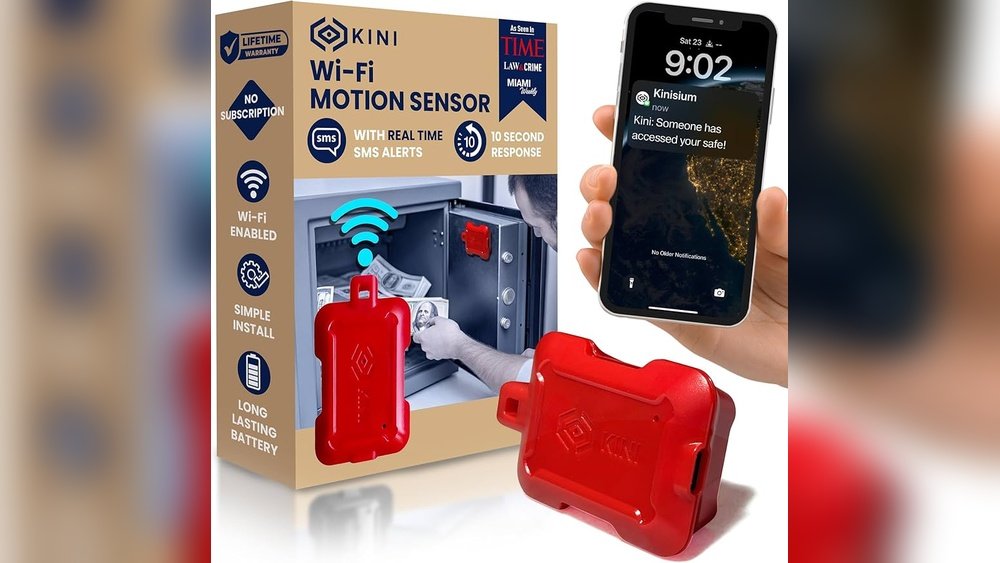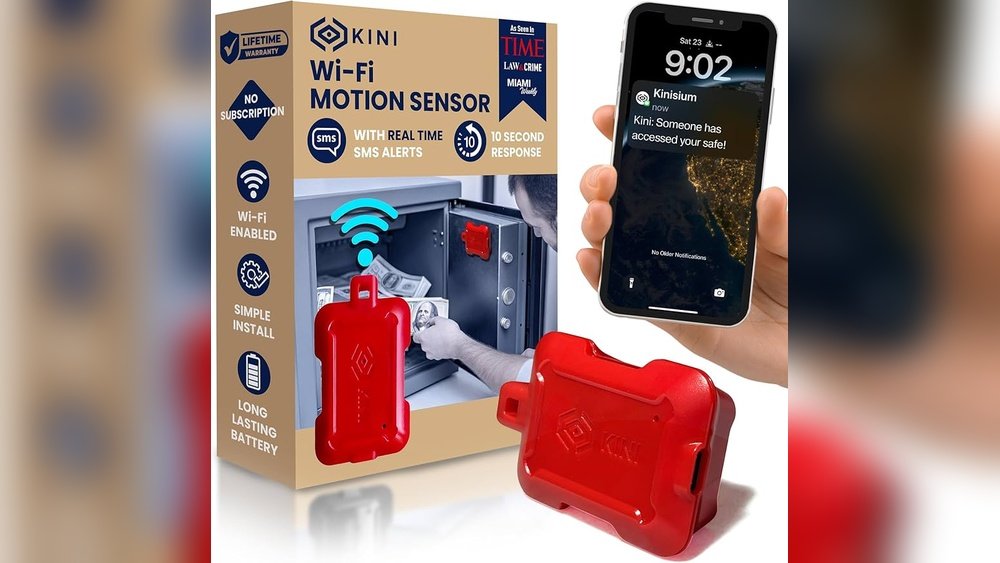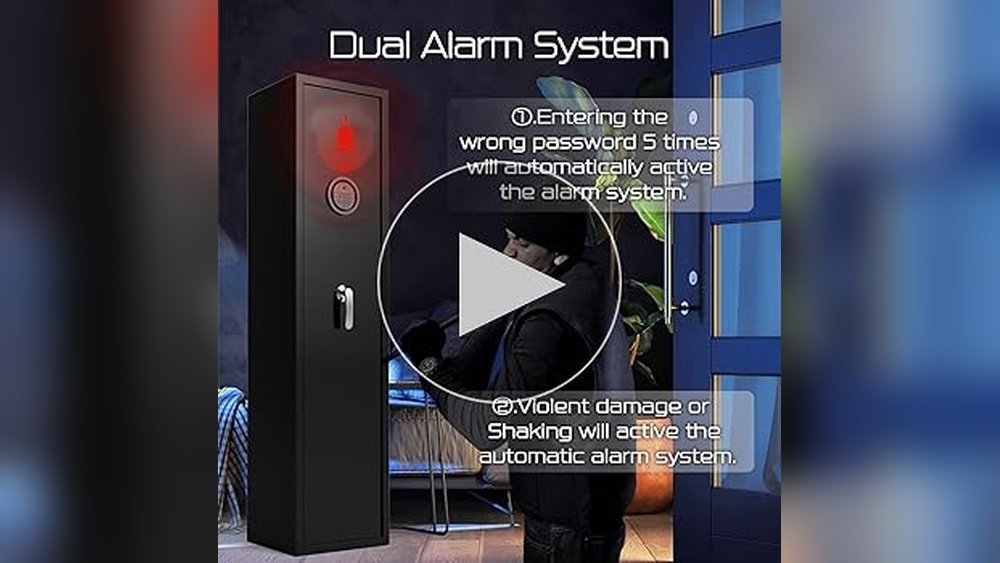
Are you tired of your rifle safe going off at the slightest bump or vibration? False alarms can be frustrating and make you question the reliability of your security system.
What if there was a way to cut down on those annoying false alerts and keep your firearms safer? Vibration sensors might be the answer you’ve been looking for. You’ll discover how these smart devices work and whether they can truly help reduce false alarms on your rifle safe.
Keep reading to find out how you can protect your valuables without the constant noise and hassle.
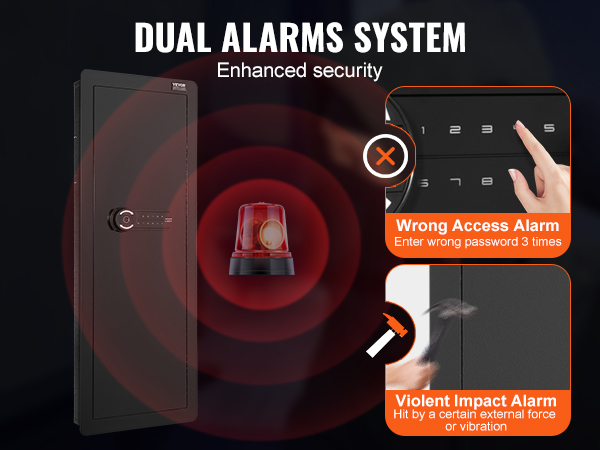
False Alarms In Rifle Safes
False alarms in rifle safes occur when the security system triggers without a real threat. These alarms can be frustrating and disrupt peace of mind. Understanding why false alarms happen helps users manage and reduce them effectively.
Common Causes
Vibration or movement from nearby sources can cause false alarms. Heavy footsteps, slamming doors, or passing vehicles create vibrations. Poor sensor calibration may also trigger unnecessary alerts. Dust or dirt on sensors can affect their accuracy. Sometimes, power fluctuations or low batteries cause false signals.
Impact On Users
False alarms cause stress and annoyance. They may lead to users ignoring real alerts. Repeated false alarms reduce trust in the safe’s security system. This can put the rifle and home safety at risk. Users might disable alarms, which defeats their purpose. False alarms waste time and can disturb neighbors.
Role Of Vibration Sensors
Vibration sensors play an important role in reducing false alarms on rifle safes. They detect movements or shakes and send signals to the alarm system. This helps to identify real threats while ignoring small, harmless vibrations. These sensors improve security and make alarms more reliable.
How They Work
Vibration sensors detect vibrations or shakes on the safe’s surface. They convert these movements into electrical signals. The alarm system then analyzes these signals to decide if an alarm should sound. Small bumps or normal handling usually do not trigger the alarm. Only strong or unusual vibrations cause a response. This reduces false alarms caused by minor disturbances.
Types Of Vibration Sensors
Two common types of vibration sensors are piezoelectric and accelerometer sensors. Piezoelectric sensors produce electricity when they experience pressure or vibration. They are sensitive and work well for small vibrations. Accelerometer sensors measure changes in speed or direction. They detect larger movements and shocks. Both types help to improve safe security by distinguishing real threats from false alarms.
Reducing False Alarms
False alarms can be frustrating and reduce the trust in your rifle safe’s security. Vibration sensors help detect tampering or forced entry. Yet, without proper adjustments, these sensors might trigger alarms unnecessarily. Reducing false alarms is crucial to maintain safety and avoid nuisance alerts.
Sensor Sensitivity Settings
Adjusting the sensitivity of vibration sensors helps balance security and accuracy. Too sensitive, and minor knocks cause alarms. Too low, and real threats might go unnoticed. Many sensors allow you to set levels for different vibration strengths. This customization reduces false alarms from harmless movements or bumps.
Integration With Other Security Features
Combining vibration sensors with other security tools improves reliability. Pairing them with motion detectors or door sensors verifies true threats. This layered approach stops false alarms by requiring multiple triggers. Integration also enables smarter alerts and better response to actual break-ins.
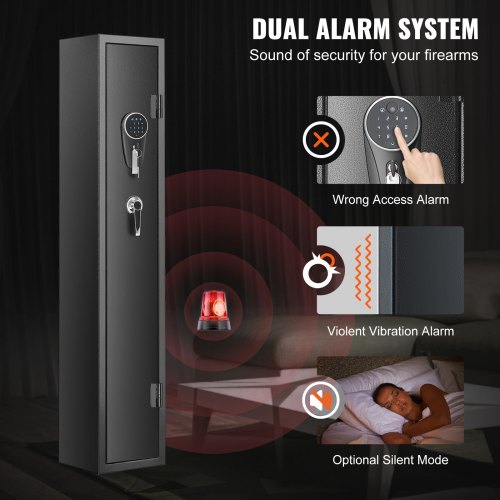
Effective Sensor Solutions
Effective sensor solutions play a key role in reducing false alarms on rifle safes. Sensors detect vibrations caused by tampering or movement. The right sensor can tell the difference between an actual break-in and normal bumps or shakes. This helps keep the alarm system reliable and avoids unnecessary alerts.
Choosing good sensors and placing them correctly improves security. Sensors must be sensitive enough to detect threats but not so sensitive that they react to every little noise. Understanding sensor options helps safe owners make smart choices for better protection.
Top Sensor Models
Some vibration sensors stand out for accuracy and durability. The Honeywell 5853 wireless sensor fits many rifle safes well. It senses strong vibrations but ignores minor shakes. Another good option is the GE Interlogix 103LN sensor. It offers stable performance and easy setup. The DSC BV-500 sensor is popular for its adjustable sensitivity. These models help reduce false alarms effectively.
Installation Tips
Place sensors on solid parts of the safe to avoid false triggers. Avoid mounting on loose panels or near noisy areas. Use double-sided tape or screws for firm attachment. Test the sensor after installation by simulating real movements. Adjust sensitivity settings to block false alarms but catch real threats. Proper installation ensures sensors work as intended and protect your rifle safe well.
Real-world Performance
Vibration sensors in rifle safes aim to reduce false alarms by detecting real threats. Their real-world performance is key to understanding their true value. Users need to know if these sensors respond well to actual tampering and ignore everyday bumps or vibrations.
Real-world testing shows how vibration sensors handle different conditions. Factors like safe location, sensor quality, and sensitivity settings affect results. Let’s explore what users and studies reveal about these sensors in action.
User Experiences
Many gun owners share their experience with vibration sensors on forums and reviews. Most report fewer false alarms compared to traditional motion detectors. Sensors often ignore small knocks or accidental bumps from pets and family members.
Some users mention initial setup challenges, like adjusting sensitivity to avoid missing real threats. After fine-tuning, the alarm system usually works well. Overall, users feel more confident in their safe’s security.
Case Studies
Several case studies test vibration sensors in rifle safes under controlled and real-life conditions. One study found that sensors reduced false alarms by over 70%. They responded accurately to forced entry attempts, triggering alarms quickly.
Another case study compared different brands of vibration sensors. Results showed variation in sensitivity and reliability. Choosing a sensor with adjustable settings helped reduce false alarms without losing security.

Future Trends
Future trends in vibration sensors for rifle safes show promising improvements. These trends focus on making sensors smarter and more accurate. This helps reduce false alarms and protects your firearms better.
Advances In Sensor Technology
Sensor technology is getting more sensitive and precise. New sensors can tell the difference between a real threat and a harmless bump. They use better materials and smarter designs. This helps lower false alarms and increases trust in safe security.
Smart Safe Integration
Smart safes connect vibration sensors with other security features. They send alerts to your phone or smart device instantly. This integration allows quick action if there is a real break-in. It also helps to avoid false alarms by checking multiple signals at once.
Frequently Asked Questions
How Do Vibration Sensors Work In Rifle Safes?
Vibration sensors detect unusual movements or impacts on the safe. They trigger alarms only when specific vibration patterns occur, reducing false alarms caused by minor disturbances or accidental bumps.
Can Vibration Sensors Prevent False Alarms Completely?
While vibration sensors significantly reduce false alarms, they cannot eliminate them entirely. Proper installation and calibration are essential to minimize false triggers effectively.
Are Vibration Sensors Compatible With All Rifle Safes?
Most modern rifle safes support vibration sensors. However, compatibility depends on the safe’s design and alarm system. Checking manufacturer specifications ensures proper integration.
Do Vibration Sensors Improve Overall Firearm Security?
Yes, vibration sensors enhance firearm security by detecting tampering attempts early. They add an extra layer of protection beyond traditional locking mechanisms.
Conclusion
Vibration sensors help cut down false alarms on rifle safes. They detect real movement, not small shakes or bumps. This means fewer annoying alerts and less stress. Safe owners can trust their alarms to work right. Choosing a sensor adds smart protection without extra hassle.
It keeps your rifles secure and your mind calm. Simple, effective, and worth considering for any safe.