You’re standing in front of your rifle safe, trying to open it, but it just won’t budge. Frustration is building up, and you’re left wondering: why won’t my rifle safe open?
This moment can be stressful, especially when you need quick access to your firearms. But don’t panic. Understanding the common reasons behind this problem can save you time, money, and worry. Keep reading to discover what might be blocking your safe and how you can fix it fast.
Your peace of mind and safety depend on it.
Common Causes Of A Jammed Rifle Safe
Rifle safes are built to protect valuable firearms. Sometimes, these safes refuse to open. This problem is often due to a jam inside the locking system. Understanding common causes helps solve this issue quickly. It also prevents damage to your safe and firearms.
Mechanical Lock Failures
Mechanical parts can wear out over time. Springs may break or gears can slip. Dirt and rust may block moving parts. This can stop the lock from turning or releasing. Regular maintenance helps avoid these problems. If the lock feels stiff, it may need cleaning or repair.
Battery And Power Issues
Most modern rifle safes use electronic locks. These locks need batteries to work. Dead or weak batteries cause the keypad to fail. Sometimes, the lock won’t respond at all. Always check battery life and replace old batteries. Keep spare batteries nearby for emergencies.
Misaligned Door Components
Doors can shift due to heavy use or moving the safe. Misalignment causes the locking bolts to jam. The door may look closed but still be stuck. Check if the door fits evenly in the frame. Tighten hinges or adjust the door to fix alignment issues.
Environmental Factors
Humidity and temperature changes affect rifle safes. Moisture can cause rust inside the lock. Dust and debris build up over time. Cold weather may cause metal parts to shrink. These factors lead to jams and stiff locks. Keep your safe in a dry, stable place for best results.

Quick Fixes To Try First
When your rifle safe won’t open, quick fixes can save time and frustration. These simple steps often solve common problems. Try these first before calling a locksmith or expert. Each step is easy and requires no special tools.
Checking And Replacing Batteries
Many rifle safes use batteries for electronic locks. Dead or weak batteries stop the safe from opening. Remove the battery cover and check the power level. Replace old batteries with fresh ones. Use batteries recommended by the manufacturer. Test the keypad or lock after replacement.
Lubricating Lock Mechanisms
Locks can get stuck due to dirt or rust. Use a small amount of graphite or silicone spray. Avoid oil-based lubricants as they attract dust. Apply the lubricant to the lock and moving parts. Move the handle or dial gently to spread it evenly. This helps the lock work smoothly again.
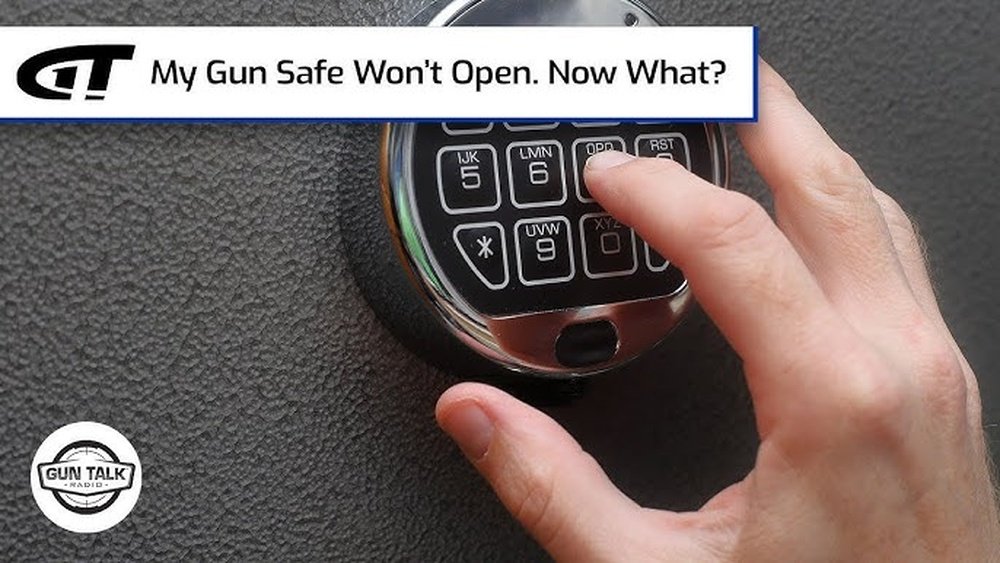
Resetting Electronic Keypads
Electronic keypads sometimes freeze or glitch. Find the reset button or follow the manual’s reset steps. Usually, this involves pressing a sequence of buttons or removing batteries temporarily. Resetting can clear errors and restore normal function. Always keep your safe’s manual handy for this step.
Ensuring Proper Door Alignment
The safe door may not open if it’s misaligned. Check the door edges for gaps or pressure points. Tighten loose screws on hinges or frame. Avoid forcing the door open as it can cause damage. Adjusting the door alignment often solves the opening problem quickly.
Advanced Troubleshooting Techniques
Advanced troubleshooting techniques help solve tough rifle safe problems. These methods go beyond simple fixes. They require careful checks and sometimes special tools. Understanding these steps can save time and prevent damage.
Start with easy options before moving to complex ones. Each step focuses on a different possible cause. This makes it easier to find the exact problem.
Manual Override Options
Many rifle safes have a manual override feature. It allows opening the safe without the main lock. Look for a hidden keyhole or override code slot. These options are often behind a panel or plate.
Check your safe’s manual for exact location and instructions. Use the override key or code carefully. This method can open the safe quickly without damage.
Diagnosing Internal Lock Problems
Internal lock issues may cause the safe to stay shut. Listen for unusual sounds when trying to open it. Grinding or clicking can mean broken parts inside. Check if the lock is stuck or jammed.
Try gentle tapping around the lock area. This can free stuck components. Avoid forcing the handle or keypad. Damage to internal parts can make repairs costly.
When To Use Professional Tools
Some problems need special tools for safe handling. Professionals use lock pick sets and electronic testers. These tools help identify hidden faults inside the lock.
Do not try advanced tools without experience. Incorrect use can damage the safe permanently. Call a locksmith if basic steps do not work. They have skills and tools to fix complex problems safely.
Preventing Future Lock Issues
Preventing future lock issues helps keep your rifle safe secure and easy to open. Taking simple steps stops problems before they start. This protects your valuables and saves time and frustration.
Small actions can make a big difference. Regular care and smart choices keep locks working well for years.
Regular Maintenance Tips
Clean your safe lock every few months. Use a soft cloth to remove dust and dirt. Avoid harsh chemicals that can damage the mechanism. Lubricate the lock with graphite powder or a lock-specific lubricant. Do not use oil; it can attract dust and gum up the lock. Test the lock regularly to ensure smooth operation. Early care prevents rust and sticking problems.
Choosing The Right Safe Location
Place your rifle safe in a dry, cool area. Avoid places with high humidity or direct sunlight. Moisture causes rust and damages lock parts. Keep the safe away from heavy dust or dirt. Stable temperature and clean air help the lock last longer. A good spot reduces the chance of lock failure over time.
Upgrading Lock Systems
Consider upgrading to a modern lock system for better reliability. Electronic locks offer quick access and less wear. Mechanical locks with higher quality parts resist breaking and jamming. Choose locks with backup keys or override codes. Upgrades can reduce lock failures and improve security. Match the lock type to your needs for best results.
When To Call A Locksmith
Knowing when to call a locksmith for your rifle safe is important. Some problems need expert skills. Trying to fix them alone can cause more damage.
Signs You Need Expert Help
Your safe won’t open after several tries. The lock feels stuck or jammed. You hear strange noises inside the lock. The key or combination does not work. You notice damage to the lock or door. These signs show a locksmith can help safely.
What To Expect From A Locksmith Service
A locksmith will assess the problem first. They use special tools to open the safe without damage. They can repair or replace broken locks. Some locksmiths also help reset combinations. Their work is fast, careful, and professional.
Cost Considerations
Prices vary depending on the problem’s complexity. Simple lockouts cost less than full lock replacement. Travel fees may apply if you live far away. Ask for an estimate before the job starts. Quality service is worth the price to protect your safe.

Frequently Asked Questions
Why Won’t My Rifle Safe Unlock With The Code?
Your safe may have a wrong or worn-out code entered. Double-check the code and try again carefully. If issues persist, reset the lock or consult the manual for troubleshooting steps.
How Do I Reset A Rifle Safe Lock?
Locate the reset button or switch inside the safe door. Follow the manufacturer’s instructions precisely to reset the code. This usually involves entering the current code, then setting a new one.
Can A Dead Battery Cause Rifle Safe Lock Failure?
Yes, electronic rifle safes often rely on batteries. Weak or dead batteries can prevent the lock from opening. Replace batteries regularly and keep spares handy to avoid lockout.
What If My Rifle Safe Keypad Is Unresponsive?
An unresponsive keypad could signal battery issues or internal damage. First, replace the batteries. If the problem remains, seek professional repair or contact the safe manufacturer.
Conclusion
A rifle safe that won’t open can cause real stress. Check the batteries first; weak power often blocks access. Make sure you enter the code correctly every time. Sometimes, the lock needs cleaning or light oil to work smoothly. Don’t force the door—it might damage the safe.
If problems persist, contact the safe maker or a locksmith. Taking quick action keeps your firearms secure and ready. Small steps prevent bigger issues later on. Stay calm and handle the safe with care.