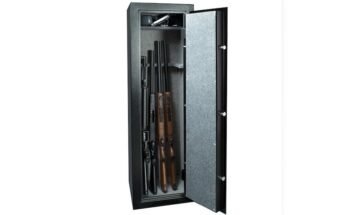
Is your rifle safe door sticking every time you try to open it? This small but frustrating problem can slow you down when you need quick access the most.
You might wonder if it’s a sign of something serious or just a minor hiccup. Understanding why your rifle safe door sticks is key to fixing it fast and keeping your firearms secure and ready. You’ll discover the common causes behind this issue and simple solutions you can use right away.
Keep reading to make sure your safe works smoothly every time you need it.
Common Causes Of Sticking
Rifle safe doors may stick due to a few common reasons. Understanding these causes helps fix the problem quickly. Regular checks prevent bigger issues later. Below are the main causes of sticking.
Dirt And Debris Buildup
Dirt and dust collect around the door edges. This buildup blocks smooth movement. Small stones or hair can get stuck in the gaps. Cleaning the door and frame often removes these particles. Use a soft cloth or brush to clear the dirt.
Rust And Corrosion
Rust forms when metal parts get wet. Corrosion makes the door hard to open or close. Moisture in the safe or humid air causes rust. Regular oiling of hinges and locks helps prevent corrosion. Remove any rust spots with a wire brush or sandpaper.
Misaligned Components
Parts of the door may shift out of place. This misalignment stops the door from fitting right. Hinges can become loose or bent over time. Check that hinges and bolts line up correctly. Tighten screws or adjust parts to fix the alignment.
Worn Or Damaged Parts
Old or broken pieces cause sticking problems. Hinges, seals, or locking mechanisms can wear out. Damage may come from heavy use or accidents. Replace any worn or broken parts quickly. This keeps the door working smoothly and safely.
Inspecting The Safe Door
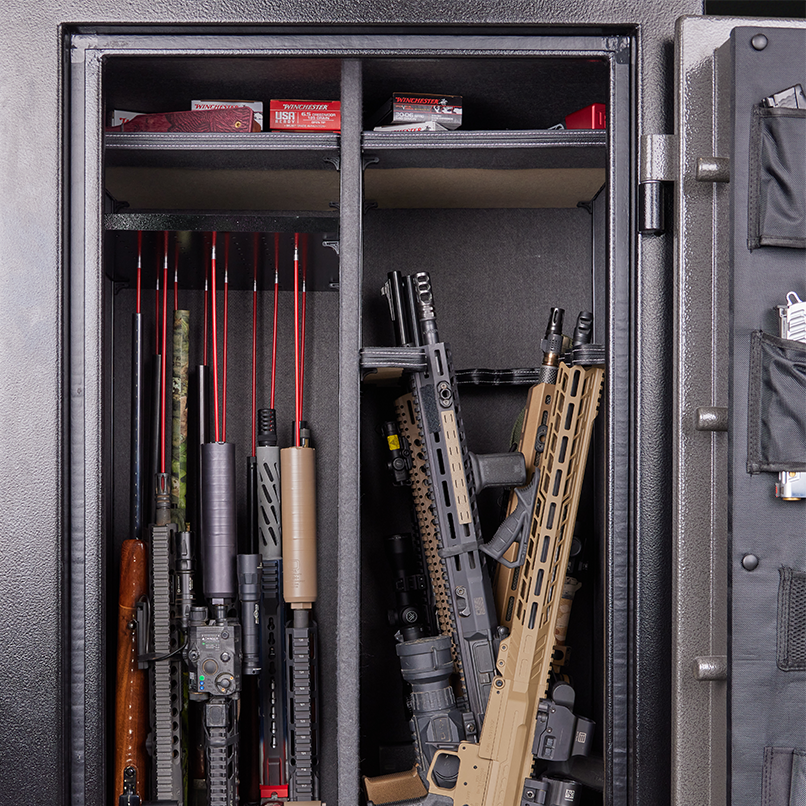
Inspecting the safe door is the first step to find why it sticks. A stuck door can stop your rifle safe from working properly. Checking different parts helps find the problem fast. Each part must work well for the door to open and close smoothly. Start with hinges and bolts, then check the lock and door seal. Careful inspection saves time and prevents damage.
Checking Hinges And Bolts
Hinges hold the door in place and let it swing open. Dirt or rust on hinges can cause the door to stick. Look for loose or bent bolts that may block movement. Tighten any loose bolts carefully. Clean hinges with a cloth and apply a small amount of lubricant. This helps the door move easily without sticking.
Examining The Lock Mechanism
The lock keeps your rifle safe secure. Dust or debris can jam the lock parts. Check if the lock turns smoothly or feels tight. Use a soft brush to clean inside the lock. Avoid forcing the key or handle. If the lock is broken, consider professional repair or replacement to keep safety intact.
Assessing Door Seal And Frame
The door seal stops dust and moisture from entering the safe. Over time, the seal may swell or get damaged. Check if the seal presses too hard against the frame. Look for cracks or gaps in the door frame. A swollen seal or warped frame can cause the door to stick. Replace the seal or fix the frame to restore smooth closing.
Quick Fixes To Try
Sticking rifle safe doors can be frustrating and slow you down. Simple fixes often solve the problem quickly. Trying easy steps first can save time and avoid costly repairs.
These quick fixes focus on common causes like dirt, misalignment, or loose parts. Each step helps your safe door work smoothly again.
Cleaning And Lubricating
Dirt and dust often cause a door to stick. Clean the edges and hinges with a soft cloth. Remove any buildup that blocks the door from closing properly.
After cleaning, apply a light lubricant to the hinges and locking bolts. Use a lubricant made for metal parts to avoid damage. This helps the door slide smoothly.
Realigning The Door
A door that is out of alignment can stick or catch. Check if the door sits evenly in the frame. Look for gaps or uneven spaces around the edges.
Gently push or lift the door to align it with the frame. Make small adjustments and test the door after each move. Proper alignment reduces friction and sticking.
Tightening Or Replacing Hardware
Loose screws and bolts can cause the door to jam. Inspect all hardware on the door and frame. Tighten any loose screws using the correct screwdriver.
If parts are worn or damaged, replace them with matching hardware. New bolts and hinges restore smooth operation. Regular hardware checks keep the door working well.
When To Call A Professional
Knowing when to call a professional for a sticking rifle safe door is important. Some problems need expert help to fix properly. Handling complex or serious issues alone may cause more damage or affect your safety. A professional can diagnose the problem and provide the right repair.
Signs Of Major Damage
Look for cracks or dents on the door or frame. Check if the door won’t close or open at all. Rust or corrosion around the hinges or lock can mean serious damage. Strange noises like grinding or scraping suggest internal problems. These signs mean it is time to get expert help.
Complex Lock Issues
The lock mechanism can be tricky to fix without tools. If the lock jams frequently or the key won’t turn smoothly, there may be hidden damage. Electronic locks with error messages need specialized knowledge. Professionals have the skills and tools to repair or replace locks safely.
Ensuring Security After Repairs
A repaired safe must keep your valuables secure. Professionals test the door and lock to ensure proper function. They can also advise on maintenance to prevent future sticking. Trusting a professional keeps your rifle safe and your peace of mind intact.
Preventing Future Sticking
Preventing your rifle safe door from sticking is key to keeping your firearm secure and ready. Simple steps can stop the problem before it starts. These tips help keep the door smooth and easy to open. Follow easy routines and smart habits to avoid future issues.
Regular Maintenance Tips
Clean the door and lock area often. Dust and dirt cause the door to stick. Use a soft cloth to wipe the edges and hinges. Apply a light lubricant to hinges and locking parts. Check for rust or damage every few weeks. Fix small problems early to avoid bigger ones.
Proper Usage Practices
Open and close the door gently. Avoid slamming the door shut. Do not force the lock or handle. Use the safe as it was made to be used. Teach everyone in your home to handle it with care. Regular, smooth use keeps the door parts moving well.
Environmental Considerations
Keep the safe in a dry, cool place. High humidity causes rust and swelling. Avoid placing the safe near heaters or windows. Use a dehumidifier if the room is damp. Protect the safe from dust by closing it fully. A good environment helps the door stay smooth.
Frequently Asked Questions
Why Is My Rifle Safe Door Sticking?
Your rifle safe door may stick due to dirt buildup, misaligned hinges, or damaged seals. Regular cleaning and lubrication can prevent this. Also, check for any warping or obstruction that could cause the door to stick during closing or opening.
How Can I Fix A Sticking Rifle Safe Door?
To fix it, clean the door frame and hinges thoroughly. Lubricate moving parts with gun-safe oil. Adjust or tighten hinges if loose. Replace damaged seals or weatherstripping to ensure smooth operation and proper sealing of the safe door.
Does Weather Affect Rifle Safe Door Operation?
Yes, extreme humidity or temperature changes can cause metal parts to expand or contract. This may lead to sticking doors or warped seals. Using a dehumidifier inside the safe helps maintain stable conditions and prevents door issues.
Can Rust Cause My Rifle Safe Door To Stick?
Rust on hinges or locking mechanisms can cause the door to stick or jam. Regularly inspect and clean metal parts to prevent rust. Use rust inhibitors or lubricants designed for gun safes to protect moving components.
Conclusion
A sticking rifle safe door can cause frustration and delay. Dirt, rust, or worn parts often cause the problem. Regular cleaning and lubrication can help the door move smoothly. Checking alignment and tightening screws can fix common issues. Small repairs save time and keep your safe working well.
Stay patient and take care of your safe regularly. This keeps your rifle secure and ready when you need it.