Have you ever bought a safe expecting it to hold a certain number of rifles, only to find out it fits far fewer? You’re not alone.
Many people face this frustrating surprise. It’s confusing and can leave you wondering if you were misled or if something else is at play. Understanding why safes hold fewer rifles than advertised can save you time, money, and stress. You’ll discover the real reasons behind this common issue—and how to choose the right safe that truly meets your needs.
Keep reading to avoid costly mistakes and protect your firearms the right way.
Safe Capacity Ratings
Safe capacity ratings tell you how many rifles a safe can hold. These numbers often seem high compared to what you actually fit inside. Understanding how these ratings work helps explain the difference.
Manufacturers’ Measurement Methods
Manufacturers use specific ways to count rifles in a safe. They usually measure with rifles standing straight and close together. Rifles are often counted without extra gear like scopes or cases. This method creates an ideal number that looks good in ads.
Sometimes, they use smaller or thinner rifles for counting. This choice raises the number of rifles that fit inside. The numbers show a best-case scenario, not real use. This approach can mislead buyers about actual capacity.
Ideal Vs. Real-world Conditions
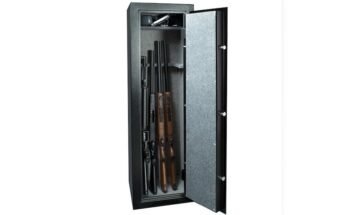
Real life is different from these perfect measurements. Rifles vary in size and shape. Many rifles have scopes or accessories that need more space. Owners want to store ammo or other equipment in the safe too.
Space for locking mechanisms and padding also reduces room. Rifles cannot be packed tightly without risking damage. Safe users often find fewer rifles fit comfortably than the rating suggests.
Factors Affecting Rifle Storage
Rifle storage in safes depends on several important factors. These factors affect how many rifles a safe can hold. Understanding these helps explain why safes often hold fewer rifles than advertised.
Each safe has limits based on the rifles and the safe’s design. Space inside a safe is not just about length but also about shape and attachments on rifles. These details make a big difference in storage capacity.
Rifle Size And Shape Variations
Rifles come in many sizes and shapes. Some rifles have long barrels, while others are shorter and bulkier. Wide stocks and thick barrels take more space. This means fewer rifles fit in a safe than the number printed on the box. The safe’s capacity often assumes average-sized rifles. But real rifles vary a lot.
Influence Of Accessories And Attachments
Many rifles have added parts like scopes, bipods, or extended magazines. These attachments increase the rifle’s overall size. A rifle with a scope needs more room inside the safe. Bulky accessories prevent rifles from fitting closely together. This reduces the total number of rifles the safe can hold.
Internal Safe Design Constraints
Safes have shelves, door panels, and locking bars inside. These parts take up space too. Some safes have thick walls or extra padding for protection. This limits the usable storage area. The shape of the interior may not be perfect for all rifle sizes. These design features reduce how many rifles fit inside safely.
Common Marketing Practices
Common marketing practices often cause confusion about how many rifles a safe can hold. Companies want to show the largest number possible to attract buyers. This sometimes leads to unrealistic expectations. Understanding these practices helps buyers make better choices.
Optimistic Capacity Claims
Manufacturers often list the maximum number of rifles a safe can hold. They count rifles without accessories or scopes. Real rifles usually have attachments, which take more space. This makes the actual capacity lower than advertised. Ads focus on ideal conditions, not real use cases.
Lack Of Standardized Measurement
No industry rules define how to measure rifle capacity. Each company uses its own method. Some count rifles standing straight up, others tilt them. The size of rifles considered can vary widely. This inconsistency creates confusion for buyers comparing safes. The capacity number alone does not tell the whole story.
Practical Tips For Choosing A Safe
Choosing the right safe for your rifles is important. Many safes claim to hold more rifles than they actually do. Knowing practical tips helps you pick a safe that fits your needs well. It saves money, space, and frustration.
Assessing Your Rifle Collection
Count your rifles carefully before buying a safe. Measure their length and width. Rifles come in different sizes and shapes. Some have scopes or attachments that need extra space. This affects how many rifles fit inside the safe. Write down these details to guide your choice.
Allowing Room For Growth
Plan for adding more rifles in the future. Buying a safe that fits only current rifles limits your options later. Choose a safe with extra space for new rifles or gear. This prevents the need to buy another safe soon. A little extra room adds flexibility.
Considering Alternative Storage Options
Some rifles may fit better in other storage types. Gun racks or wall mounts offer easy access. These can be used for rifles you use often. Combining a safe with other storage improves organization. Think about your daily use and security needs.
Improving Storage Efficiency
Improving storage efficiency is key to fitting more rifles in a safe. Many safes show high capacity numbers, but real storage depends on how the interior is arranged. Simple changes can help owners maximize space and keep rifles secure.
Customizing Interior Layouts
Adjusting shelves and compartments inside the safe can create more room. Removing or repositioning shelves helps fit taller rifles or multiple guns side by side. Custom layouts reduce wasted space and make rifles easier to access.
Some safes allow you to change the height or width of sections. Tailoring these spaces to your specific rifle sizes improves storage capacity. This flexibility often beats fixed designs in holding more rifles safely.
Using Racks And Organizers
Racks keep rifles upright and separated. This method uses vertical space well and prevents guns from leaning or scratching. Organizers with slots or foam inserts add protection and order.
Gun racks also make it easier to count and reach rifles quickly. Using organizers designed for rifles can turn cramped safes into efficient storage units. They help maintain rifle condition and save time during retrieval.


Frequently Asked Questions
Why Do Rifle Safes Hold Fewer Guns Than Advertised?
Safes often list maximum capacity based on ideal conditions. Real rifles vary in size and shape, reducing actual storage. Internal shelving and locking mechanisms also limit space, causing fewer rifles to fit than advertised.
How Does Rifle Size Affect Safe Capacity?
Rifles come in various lengths and widths. Larger or scoped rifles take up more room, reducing the number stored. Safe capacity assumes standard sizes, which rarely matches real-world firearm dimensions.
Does Safe Design Impact Rifle Storage Capacity?
Yes, interior design like shelves, locking bars, and padding affects usable space. Some safes prioritize security features over maximum storage, limiting rifle count. Design choices balance protection and capacity.
Can Adding Racks Increase Rifle Safe Capacity?
Adding racks or organizers can optimize space. However, bulky firearms and accessories still limit total capacity. Proper arrangement helps but doesn’t guarantee fitting the advertised number of rifles.
Conclusion
Safe manufacturers often count rifles in a tight row, ignoring real storage needs. Space for accessories, ammo, and safe locks reduces actual rifle capacity. Each rifle’s size and shape also affect how many fit inside. Knowing this helps buyers choose safes wisely and avoid surprises.
Always check safe dimensions and plan for extra gear. This approach ensures your firearms stay secure without overcrowding. Understanding these facts keeps expectations realistic and storage efficient.