When you choose an under-bed safe, one of the most important things to consider is the type of lock it uses. You want to make sure your valuables are truly secure, but also easy for you to access when needed.
Different locks offer different levels of security and convenience. You’ll discover the main types of locks found on under-bed safes and how each one can protect your belongings. By the end, you’ll know exactly which lock suits your needs best—and feel confident in your choice.
Keep reading to find the perfect balance of safety and ease for your home.
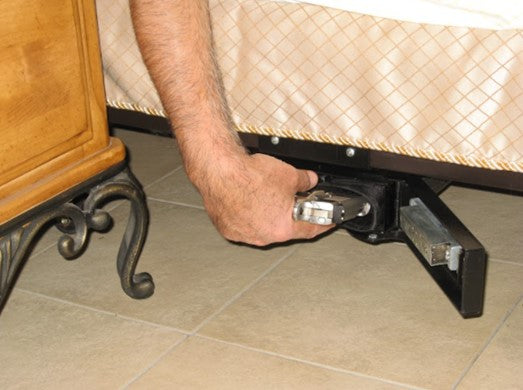
Keyed Locks
Keyed locks are a common choice for under-bed safes. They use physical keys to lock and unlock the safe. Many people trust keyed locks for their simplicity and reliability. These locks come in different styles, each with unique features and security levels.
Traditional Pin Tumbler Locks
Traditional pin tumbler locks are one of the oldest types. They use pins of different lengths inside the lock cylinder. When the correct key is inserted, the pins align and allow the lock to turn. These locks are easy to use and widely available. They offer decent security for everyday needs. Most home safes use this type of lock.
Tubular Locks
Tubular locks have a round key and lock body. The key has cuts arranged in a circle around it. These cuts match pins inside the lock cylinder. Tubular locks are harder to pick than traditional pin tumbler locks. They are common in small safes and vending machines. Their compact design fits well in under-bed safes.
Advantages And Drawbacks
Keyed locks are simple to operate and require no batteries. They provide reliable security against casual theft. Keys can be lost or duplicated, which poses a risk. Changing the lock means replacing the entire mechanism. Some keyed locks are easier to pick than others. Choosing high-quality locks reduces this risk. Overall, keyed locks balance ease and security for under-bed safes.
Combination Locks
Combination locks are a popular choice for under-bed safes. They offer a secure way to protect valuables without needing a key. Users set a code to open the safe. This makes it easy to access items while keeping them safe from others.
Mechanical Dial Locks
Mechanical dial locks use a rotating dial to enter a code. The user turns the dial to match a sequence of numbers. These locks do not need batteries or electricity. They are durable and work well in any environment. Many people trust these locks for their simplicity and reliability.
Push-button Combination Locks
Push-button locks require pressing a series of buttons in the right order. The code is usually a set of numbers or letters. These locks open quickly and quietly. They are easy to use and reset if needed. Many under-bed safes include this lock type for its convenience.
Security Benefits
Combination locks prevent unauthorized access without keys. They reduce the risk of losing a key or having it stolen. Codes can be changed to maintain security. Both mechanical and push-button locks provide strong protection. They are effective for keeping valuable items safe under the bed.
Electronic Locks
Electronic locks offer a modern way to secure under-bed safes. They provide quick access and better control compared to traditional locks. Many people prefer electronic locks for their ease of use and added security features.
These locks come in different types. Each type has unique benefits. Choosing the right one depends on your security needs and convenience.
Keypad Entry Systems
Keypad entry systems are common in electronic locks. You enter a code to open the safe. Codes can be changed anytime for safety. This system avoids the need for keys. It suits people who want simple and quick access.
Biometric Fingerprint Scanners
Fingerprint scanners use your unique print for access. This method is very secure because fingerprints cannot be copied easily. It allows fast entry without remembering codes. Some safes store multiple fingerprints for family use. This type fits users who want high security and ease.
Smartphone-enabled Locks
Smartphone-enabled locks connect to your phone via an app. You can lock or unlock your safe remotely. Some apps send alerts if someone tries to open the safe. This type gives control from anywhere. It suits tech-savvy users who want convenience and extra monitoring.
Magnetic Locks
Magnetic locks are a popular option for under-bed safes. They offer a unique way to secure valuables without bulky keys or complicated codes. These locks use magnets to keep the safe door tightly closed. They blend convenience with security in a simple design.
How Magnetic Locks Work
Magnetic locks use strong magnets inside the safe and the door. When the door closes, the magnets attract and hold it shut. To open, a special magnetic key or tool is needed. This key disrupts the magnetic field, releasing the lock. The mechanism has no visible keyhole, making it hard to tamper with.
Security Level
Magnetic locks offer moderate security. They resist picking and drilling better than traditional locks. The lack of a keyhole hides the lock from view. However, they are not as strong as electronic or combination locks. They work well for low to medium risk items inside the safe.
Common Uses
Magnetic locks suit users wanting quick access and basic protection. They are great for storing small valuables like jewelry, cash, or documents. Many people use them in home safes or hotel rooms. Their simple design fits well with compact, under-bed safes.
Lock Selection Tips
Choosing the right lock for an under-bed safe is important. It affects how secure your valuables stay. The lock type also impacts how easy it is to access your items. Consider a few tips to pick the best lock for your needs.
Matching Security Needs
Think about what you want to protect. High-value items need stronger locks. Mechanical combination locks offer solid protection without batteries. Electronic locks provide quick access but may need power. Key locks are simple but can be less secure. Match the lock strength to your security needs.
Ease Of Access
How often will you open your safe? Electronic locks allow fast entry with a code. Mechanical locks need turning dials, which takes longer. Key locks require carrying a key. Choose a lock that balances security and convenience. Easy access means less hassle every day.
Budget Considerations
Lock types vary in price. Key locks are usually the cheapest option. Mechanical combination locks cost a bit more but last long. Electronic locks can be expensive and need batteries. Set a budget before choosing. Find a lock that fits your price and offers good protection.

Frequently Asked Questions
What Lock Types Are Common In Under-bed Safes?
Under-bed safes commonly feature combination locks, key locks, and electronic keypad locks. Each offers varying security levels and ease of access. Choice depends on user preference, balancing convenience and protection.
Are Biometric Locks Available For Under-bed Safes?
Yes, some under-bed safes come with biometric fingerprint locks. These provide quick access and high security. They are ideal for those wanting advanced, keyless protection.
How Secure Are Electronic Keypad Locks On Under-bed Safes?
Electronic keypad locks offer strong security with customizable codes. They prevent unauthorized access and allow easy code changes. Battery backup ensures functionality during power outages.
Can Under-bed Safes Be Opened With Master Keys?
Some safes include master keys for emergency access. This feature helps in case of forgotten combinations or electronic failures. Always keep master keys in a secure place.
Conclusion
Under-bed safes come with different lock types to fit your needs. Some use simple keys, while others have digital codes. Mechanical dials offer another option, requiring no batteries. Choose a lock that feels easy and safe for you. Each type adds a layer of protection for your valuables.
Knowing these options helps you pick the right safe. Keep your important items secure and within reach. The right lock makes all the difference.