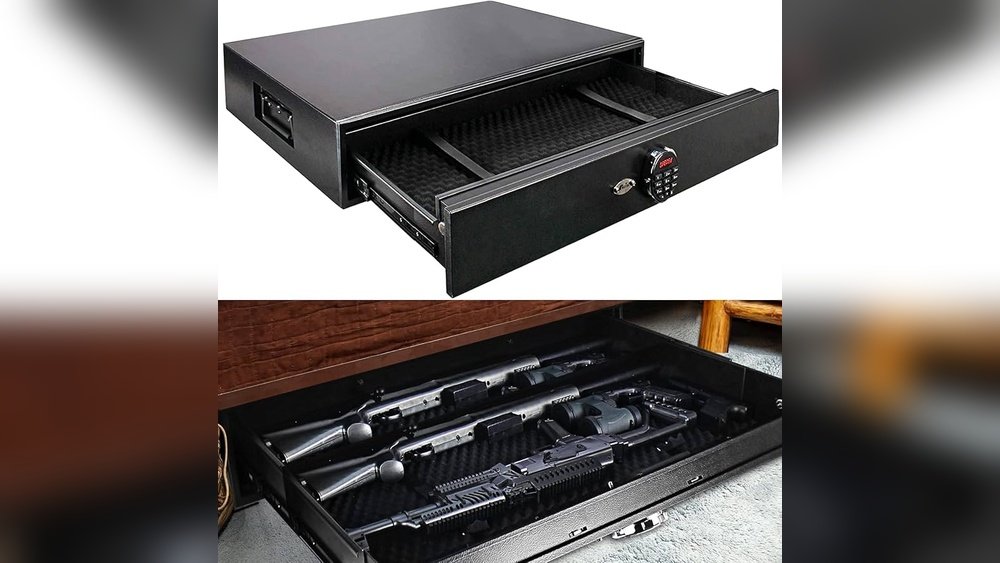
When it comes to protecting your valuables, choosing the right safe can make all the difference. You might be wondering—how secure are under-bed safes compared to regular safes?
This question matters because your peace of mind depends on knowing your important items are truly safe. You’ll discover the strengths and weaknesses of both options, helping you decide which one fits your needs best. Keep reading to uncover insights that could protect what matters most to you.

Types Of Safes
Safes come in many types, each designed for specific security needs. Choosing the right safe depends on what you want to protect and where you want to keep it. Under-bed safes and regular safes are two common options. Both offer different levels of protection and convenience. Understanding their features helps decide which one fits your needs.
Characteristics Of Under-bed Safes
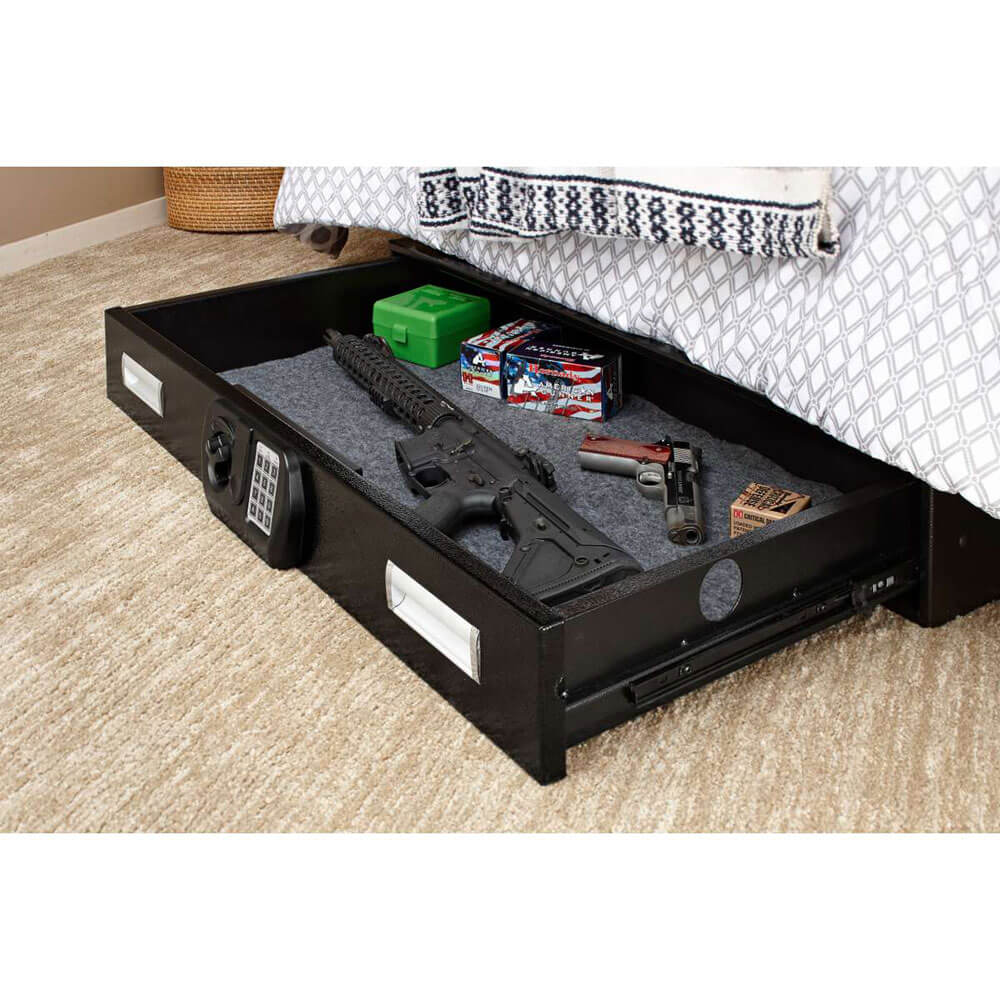
Under-bed safes are slim and flat. They fit easily under most beds. These safes are good for hiding valuables out of sight. They usually have a lock with a key or a digital code. Made of steel, they provide basic protection against theft.
They are light enough to move but heavy enough to deter quick theft. Their low profile makes them less obvious than regular safes. However, under-bed safes may not resist strong attacks or fire. Ideal for small items like documents, jewelry, or cash.
Features Of Regular Safes
Regular safes come in many shapes and sizes. Most are heavy and bulky. They offer stronger protection against break-ins and fire. Often made with thick steel and reinforced doors. Many include advanced locking systems like biometric scanners or combination locks.
They can be bolted to floors or walls for extra security. Regular safes often provide fire and water resistance. Suitable for larger valuables, important papers, and digital media. These safes are more difficult to hide but offer better overall protection.

Security Mechanisms
Security mechanisms define how well a safe protects its contents. These mechanisms focus on locking systems, materials, and design. Both under-bed safes and regular safes use different types of locks. Understanding these locks helps in choosing the right safe for your needs.
Locking Systems In Under-bed Safes
Under-bed safes often use simple locks like combination dials or electronic keypads. These locks are easy to use and quick to open. Some models include biometric locks, such as fingerprint scanners. The compact size limits the complexity of locking systems. Many under-bed safes also have manual override keys for emergencies.
These safes prioritize quick access and concealment. The locking systems provide basic security against casual theft. They are not designed to resist heavy attacks or drilling.
Locking Systems In Regular Safes
Regular safes feature stronger locking systems. They often use multiple locking bolts inside the door. Locks can be mechanical combination, electronic keypad, or biometric. Some safes include time-delay locks for extra security. The materials are thicker and more resistant to tampering.
Regular safes offer better protection against forceful entry. The locking mechanisms are made to withstand drilling, prying, and other attacks. These safes are suitable for protecting valuable items for a longer time.
Material Strength And Build
The material strength and build of a safe determine its security level. Strong materials resist break-ins and protect valuables. The design affects how well it can hide or withstand force. Understanding these factors helps choose the right safe for your needs.
Construction Of Under-bed Safes
Under-bed safes often use lighter metals like steel or aluminum. They focus on being slim and easy to fit under a bed. The walls may be thinner to keep the safe compact. This makes them less heavy but easier to move.
Many under-bed safes have basic locking mechanisms. The design aims to hide the safe rather than resist strong attacks. Some models add extra layers inside for more protection. Still, they usually can’t handle heavy tools or fire.
Construction Of Regular Safes
Regular safes use thick steel or solid metal plates. This material strength resists drills, cutting, and prying tools. The walls and doors often have multiple layers for extra defense. Many include fireproof and waterproof materials.
Locks on regular safes can be mechanical, digital, or biometric. They have strong bolts and reinforced hinges. These safes are heavier and harder to move. Their build focuses on maximum protection rather than concealment.
Resistance To Theft And Tampering
Resistance to theft and tampering is a key factor in choosing a safe. Safes should protect valuables from thieves and prevent easy tampering. Both under-bed safes and regular safes offer different levels of security. Understanding their vulnerabilities helps decide which safe suits your needs.
Vulnerability Of Under-bed Safes
Under-bed safes are hidden beneath the mattress. This location offers some secrecy from casual thieves. However, they often lack heavy construction and advanced locking systems. Thieves who know about under-bed safes may quickly find and pry them open. Many models use lighter materials to keep weight low. This makes them easier to break or carry away. Tampering tools like crowbars can damage these safes more easily. Their design limits strong bolts or thick steel walls.
Vulnerability Of Regular Safes
Regular safes usually have thicker steel and complex locks. They can be bolted to floors or walls, making removal harder. Their weight and materials resist most break-in attempts. Still, not all regular safes are equal. Some cheaper models use thinner metal and basic locks. Skilled thieves with tools might still open these safes. Tampering techniques include drilling, cutting, or lock picking. But quality regular safes slow down intruders significantly. This delay reduces the chance of theft.
Concealment And Accessibility
Concealment and accessibility are key factors in safe security. How well a safe hides and how easy it is to reach affect its protection level. Both under-bed safes and regular safes offer different benefits in these areas.
Advantages Of Under-bed Placement
Under-bed safes stay out of direct sight. They blend with the room and avoid drawing attention. Burglars rarely check under beds first. This hidden spot reduces the chance of quick theft.
Access to under-bed safes is simple for owners. Sliding the bed frame or lifting the mattress reveals the safe. This ease allows fast retrieval during emergencies. It also keeps valuables close without clutter.
Visibility And Access Of Regular Safes
Regular safes often sit in plain view or fixed in a wall or floor. This visibility can deter thieves since safes look tough to break. Yet, obvious safes can attract unwanted attention.
Access to regular safes can be slower. They may require keys, codes, or combinations. This extra step adds security but can delay quick access. Placement might also limit how fast someone can reach it.
Installation And Portability
Installation and portability play a big role in choosing a safe. They affect how easy the safe is to set up and move. Under-bed safes and regular safes differ a lot in these areas. Understanding these differences helps in picking the right safe for your needs.
Mounting Options For Under-bed Safes
Under-bed safes are designed for easy installation. Many come with pre-drilled holes for screws. This lets you attach the safe directly to the bed frame or floor. Some models use heavy-duty straps instead of screws. This method keeps the safe secure but allows removal if needed.
Under-bed safes are usually light enough to move. You can take them out if you change homes or rooms. Their slim shape fits well in tight spaces. This adds to their portability and convenience.
Placement Requirements For Regular Safes
Regular safes need more space and careful placement. They are heavier and bulkier than under-bed safes. Most require a solid floor to support their weight. Installing them often means bolting them to walls or floors.
Because of their size, moving regular safes is hard. They are not meant to be portable. You usually need professional help to install or relocate them. Their placement is more permanent and less flexible.
Cost And Value Considerations
Cost and value are important when choosing a safe. People want to protect their valuables without spending too much. Both under-bed safes and regular safes offer different benefits and costs. Understanding these can help you decide which safe fits your needs and budget.
Price Range Of Under-bed Safes
Under-bed safes are usually less expensive than regular safes. They often cost between $50 and $300. This price depends on size, material, and locking features. They are good for storing small valuables or documents. Their low price makes them popular for home use. They also take up less space, which adds value for small rooms.
Investment In Regular Safes
Regular safes cost more, ranging from $200 to over $1,000. The price varies by size, fire resistance, and security level. These safes offer stronger protection against theft and fire. They are good for storing larger items or many valuables. Spending more means better safety and longer durability. This makes regular safes a solid investment for high-value items.
Best Use Cases
Choosing the right safe depends on what you need to protect and where you want to keep it. Both under-bed safes and regular safes serve different purposes. Understanding the best use cases helps pick the safe that fits your lifestyle and security needs.
Each type offers unique benefits. Knowing when to use one over the other can save time and money. The following sections explain ideal situations for under-bed safes and when regular safes make more sense.
Ideal Situations For Under-bed Safes
Under-bed safes fit well in homes with limited space. They hide easily and remain out of sight from visitors. These safes work great for storing small valuables like jewelry, cash, or important documents.
People who want quick access to their items prefer under-bed safes. They are perfect for bedrooms and personal spaces. Their lightweight design makes them easy to move or conceal under the mattress.
Under-bed safes offer moderate security. They protect against casual theft but may not withstand strong attacks. Use them for low-risk items or as a secondary safe for valuables.
When To Choose Regular Safes
Regular safes provide stronger protection and are better for high-value items. They come in various sizes and offer fire and water resistance. These safes often have thicker steel and more complex locks.
Use regular safes to store firearms, large amounts of cash, or important legal papers. They suit homes, offices, and businesses needing higher security levels. These safes are usually bolted down to prevent removal.
Regular safes take more space and are less portable. They work best where security is a top priority over convenience. Choose them when you want long-term, reliable protection for your valuables.
Frequently Asked Questions
How Secure Are Under-bed Safes Versus Regular Safes?
Under-bed safes offer moderate security, mainly against casual theft. Regular safes provide higher protection with thicker materials and advanced locking. Choose based on your security needs and hiding preference.
Can Under-bed Safes Resist Fire And Water Damage?
Most under-bed safes have limited fire and water resistance. Regular safes often come with certified fireproof and waterproof ratings, offering better protection for valuables in disasters.
Are Under-bed Safes Easy To Conceal Compared To Regular Safes?
Under-bed safes are easier to hide due to their flat design. Regular safes are bulkier but can be concealed in walls or floors with professional installation.
Do Under-bed Safes Have Strong Locking Mechanisms?
Under-bed safes usually have basic locks, such as combination or key locks. Regular safes often feature advanced locking systems like biometric or digital locks for enhanced security.
Conclusion
Under-bed safes offer good hidden protection for small valuables. Regular safes provide stronger security and resist break-ins better. Choose based on what you need to protect and where you want to keep it. Think about ease of access and how much space you have.
Both types have pros and cons for home safety. Understanding these differences helps you make the right choice. Keep your valuables safe with the option that fits your lifestyle best. Safety matters, so pick wisely.