When it comes to protecting your valuable firearms, you probably wonder, “What temperature can a rifle safe withstand?” This question is more important than you might think.
Extreme heat can damage your guns, ammo, and other gear inside the safe. But how much heat can your safe really handle before it fails? Knowing this can help you choose the right safe and keep your collection secure, no matter what happens.
Keep reading to discover the facts that every gun owner needs to know about rifle safe temperature limits.
Rifle Safe Heat Resistance
Rifle safes must protect firearms from intense heat during fires. Heat resistance is a key feature to keep guns safe inside. The materials and technology used affect how much heat the safe can handle. Understanding these factors helps in choosing the right safe for your needs.
Materials Used In Rifle Safes
Steel is the main material in most rifle safes. It offers strong protection against impacts and heat. Some safes use thicker steel to improve heat resistance. Inside, fireproof insulation materials help block heat. These can include gypsum boards or concrete layers. The combination slows heat from reaching the guns.
Standard Temperature Ratings
Rifle safes often have fire ratings showing heat resistance. Common ratings protect contents at 1400°F or 1700°F. These temperatures represent how hot the safe can get outside. Inside, the temperature stays below 350°F to protect gun finishes and ammo. Ratings usually show protection time, like 30 or 60 minutes. Longer times mean better heat protection.
Fireproofing Technologies
Fireproof technology inside safes improves heat resistance. Intumescent seals expand when heated, sealing gaps to keep smoke out. Fireboard insulation absorbs and slows heat transfer. Some safes use multiple insulation layers for extra defense. These methods work together to keep guns cool and safe inside.
Temperature Thresholds For Safety
Understanding the temperature limits of a rifle safe helps protect your firearms. Heat can damage guns and their finish. It also affects the safe’s locking system and fire resistance. Knowing these thresholds keeps your weapons secure and in good shape.
Minimum Heat Protection Levels
Most rifle safes resist heat up to 1200°F (650°C). This level stops fire from reaching inside quickly. Safes use insulation to slow heat transfer. The goal is to keep internal temperature below 350°F (177°C). This temperature helps protect gun oils and wood parts.
Impact Of High Temperatures On Firearms
High heat can warp metal parts and damage finishes. It can break down lubricants and oils inside the gun. Wooden stocks may crack or split under heat stress. Heat can also harm ammunition stored inside the safe. Extreme heat makes guns unsafe to use.
Safe Storage Temperature Ranges
Ideal storage temperature for firearms is between 50°F and 80°F (10°C to 27°C). Keeping guns in this range prevents rust and corrosion. Avoid places with high humidity or direct sunlight. Stable temperatures extend the life of your firearms and safe.
Fire Testing And Certification
Rifle safes need to protect firearms from fire damage. Fire testing and certification show how well a safe can handle extreme heat. These tests simulate real fire conditions to check the safe’s strength. Certifications help buyers trust the safe’s quality and safety.
Common Fire Test Standards
Many fire test standards exist worldwide. UL 72 is a popular one in the United States. It measures how long a safe can keep its inside temperature below a set level during a fire. Other standards include ETL and INTERTEK, which also test fire resistance. These tests use different time frames, like 30 minutes or 1 hour.
How Safes Are Tested
Testing involves placing safes in furnaces that reach extreme temperatures. Temperatures often exceed 1,200 degrees Fahrenheit (about 650 Celsius). Sensors inside the safe record heat levels. The goal is to keep the interior below 350 degrees Fahrenheit. This prevents gunpowder or wood in guns from igniting. After the test, inspectors check the safe’s condition and temperature data.
Certification Labels To Look For
Certified safes show labels from testing agencies. Look for UL, ETL, or INTERTEK marks. These labels confirm the safe passed strict fire tests. Some safes also list the time they can withstand fire, like “1-hour fire rating.” This information helps buyers choose a safe that meets their needs. Always check certification before buying a rifle safe.
Heat Exposure Scenarios
Rifle safes face different heat exposure scenarios. These situations challenge their ability to protect firearms and valuables inside. Knowing the types of fires and their temperatures helps you understand safe limits. Each fire type has unique heat levels and risks.
House Fires And Their Temperatures
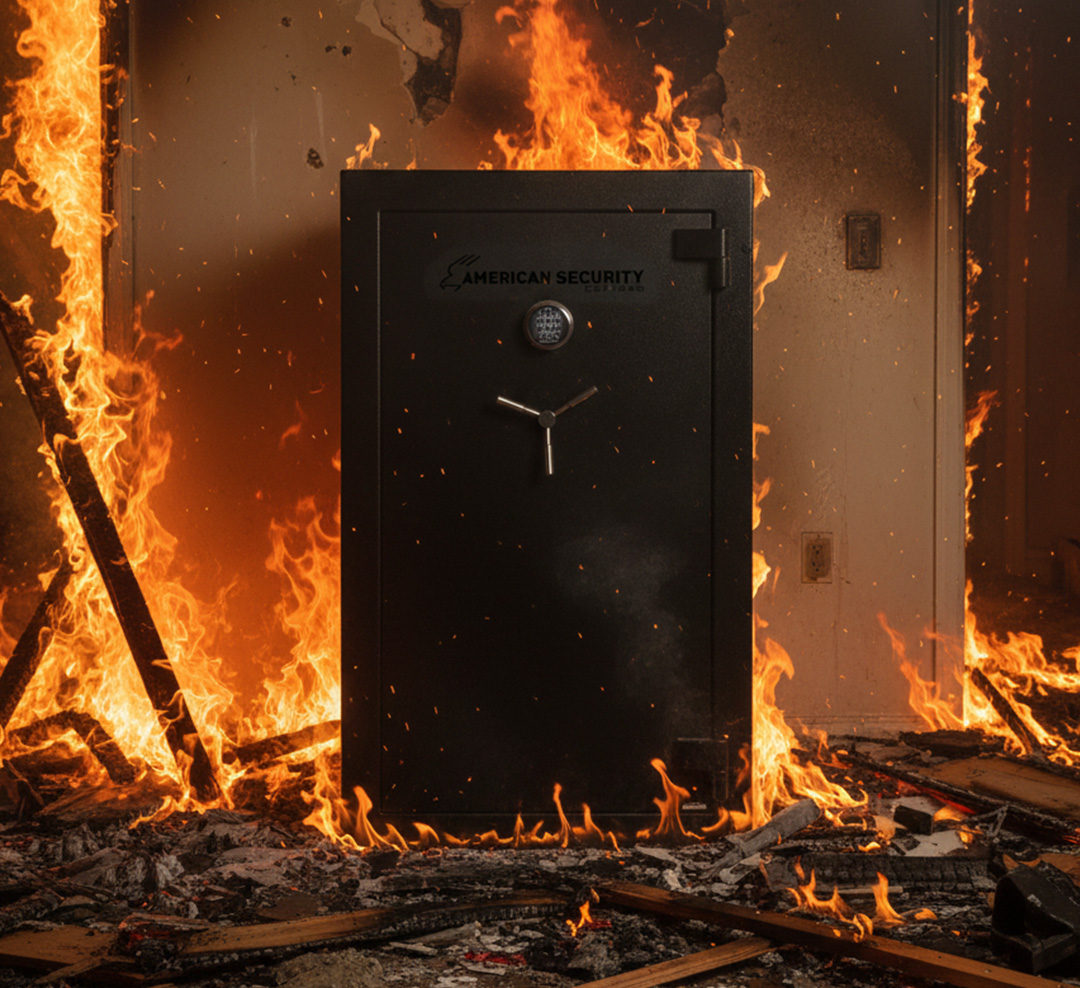
House fires burn quickly and reach high temperatures. Flames can hit 1,100°F (593°C) within minutes. Smoke and heat damage can weaken safe materials. Most rifle safes resist heat up to 1,200°F for 30 minutes. Beyond that, safes may lose protection, risking firearm damage.
Wildfire Risks
Wildfires spread over large areas with intense heat. Temperatures vary but often rise above 1,400°F (760°C). Wildfires burn longer, exposing safes to heat for hours. The constant heat and smoke can harm the safe’s seals and locking systems. Safes near wildfire zones need extra heat resistance.
Industrial And Accidental Fires
Industrial fires differ in intensity and duration. Chemical fires may burn hotter than typical house fires. Accidental fires can involve flammable materials, raising temperatures. These fires can reach over 2,000°F (1,093°C). Most rifle safes are not built for such extreme heat. Understanding these risks guides better safe choices.
Improving Heat Resistance
Improving the heat resistance of a rifle safe is vital for protecting your firearms. Fires can reach extreme temperatures fast. A safe that withstands heat can save your guns and important documents. Understanding how to boost your safe’s fire protection helps you prepare better.
Choosing The Right Safe
Select a safe with a high fire rating. Look for safes tested to withstand at least 1400°F for 30 minutes. Thicker walls and insulation improve heat resistance. Steel safes with fireproof materials inside offer better protection. Check the safe’s certification for fire endurance.
Additional Fireproofing Measures
Use fire-resistant blankets or wraps around your safe. These can add an extra layer of heat protection. Seal gaps in the safe door with fireproof tape. Place silica gel packs inside to reduce moisture during a fire. These small steps improve the safe’s ability to resist heat damage.
Safe Placement Tips
Install the safe away from high-risk areas like kitchens or garages. Avoid placing it near windows or vents where fire or heat can enter easily. Choose a spot on a concrete floor instead of wood. This reduces heat transfer and increases protection. Position the safe in a cool, dry, and sheltered area.

Signs Of Heat Damage
Heat damage can harm a rifle safe in many ways. It can weaken the structure and damage locks or seals. Signs of heat damage help you know if your safe is still reliable. Knowing these signs is important for protecting your firearms and valuables.
Inspecting Your Safe After Fire Exposure
Look for discoloration or warping on the safe’s surface. Check if the paint bubbles or peels. Feel for soft spots or cracks in the metal. Test the door and lock to see if they open smoothly. Smell for burnt odors inside the safe. These signs often point to heat damage.
Assessing Firearm Condition
Remove your firearms carefully and check them for damage. Look for melted plastic parts or discoloration on metal. Inspect the barrels for warping or rust. Ensure that wooden parts are not cracked or burned. Heat can harm guns even if the safe looks fine outside.
When To Replace Your Safe
Replace your safe if metal is warped or cracked. If locks or seals fail, the safe cannot protect properly. Any signs of severe heat damage mean the safe is weak. A damaged safe may not keep firearms safe in future fires. Choose a new fire-rated safe for better protection.
Frequently Asked Questions
What Temperature Can A Rifle Safe Typically Endure?
Most rifle safes can withstand temperatures up to 1,200°F (649°C) for a limited time. This helps protect firearms during common house fires. However, exact resistance varies by model and fire rating.
How Long Do Rifle Safes Resist High Heat?
Rifle safes usually resist heat for 30 minutes to 2 hours. Fire ratings indicate how long the safe protects contents at specific temperatures. Longer fire protection means better safeguarding of firearms and valuables.
Do Rifle Safes Protect Guns From Heat Damage?
Yes, quality rifle safes reduce heat exposure to guns. They use insulation to keep internal temperatures below damaging levels. This helps prevent warping, melting, or loss of gun functionality during fires.
Are All Rifle Safes Fireproof?
No, not all rifle safes are fireproof. Some safes offer only burglary protection without fire resistance. Always check the manufacturer’s fire rating before purchasing for fire protection.
Conclusion
Rifle safes protect guns from fire and heat. Most safes can handle temperatures up to 1,200°F for a short time. Inside heat stays lower to keep guns safe. Choose a safe with good fire rating for peace of mind. Remember, no safe is fireproof forever.
Store guns safely and check your safe’s limits. Safety matters most.