When you invest in a gun safe, protecting your firearms from fire damage is just as important as keeping them secure from theft. But have you ever wondered what makes a gun safe fireproof?
Understanding the materials inside your fireproof gun safe can help you choose the best option to protect your valuable firearms and important documents. You’ll discover exactly what materials are used to keep your safe cool and your belongings intact, even when the heat is on.
Keep reading to learn how these materials work together to offer the protection you need.
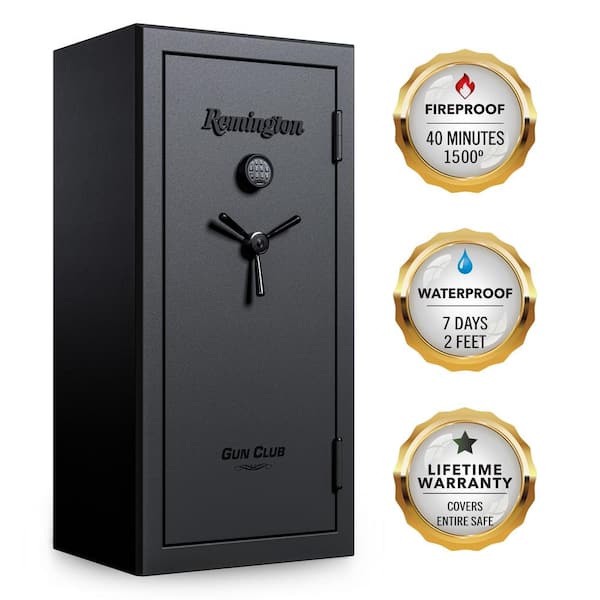
Fireproof Gun Safe Basics
Fireproof gun safes protect firearms from fire damage and theft. They combine strong materials and smart design. Understanding their basics helps in choosing the right safe for your needs. These safes use special materials to withstand high heat and keep guns secure.
Inside, they have layers that resist fire and heat. The structure balances security with fire protection. Knowing these details ensures better safety for your firearms.
Key Safety Features
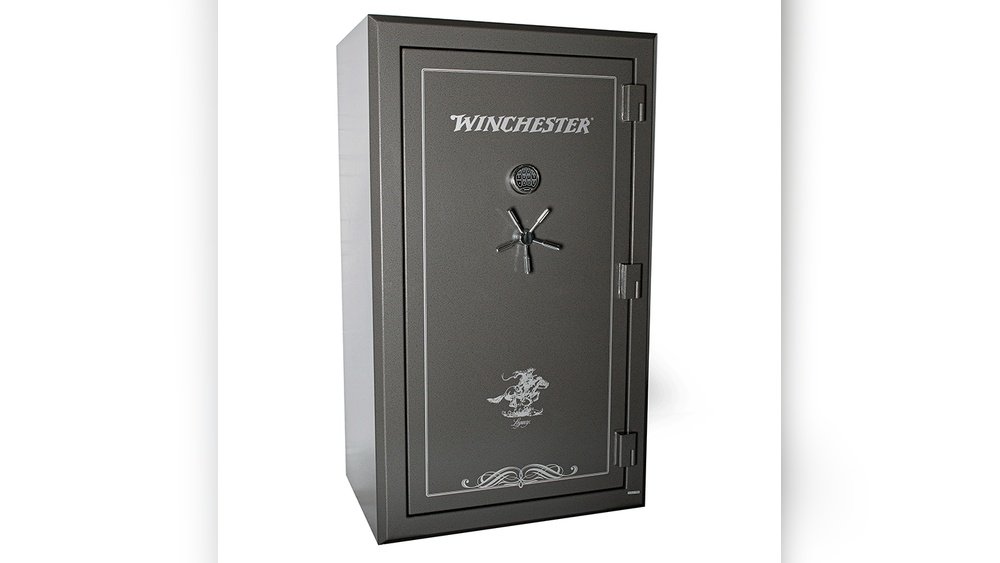
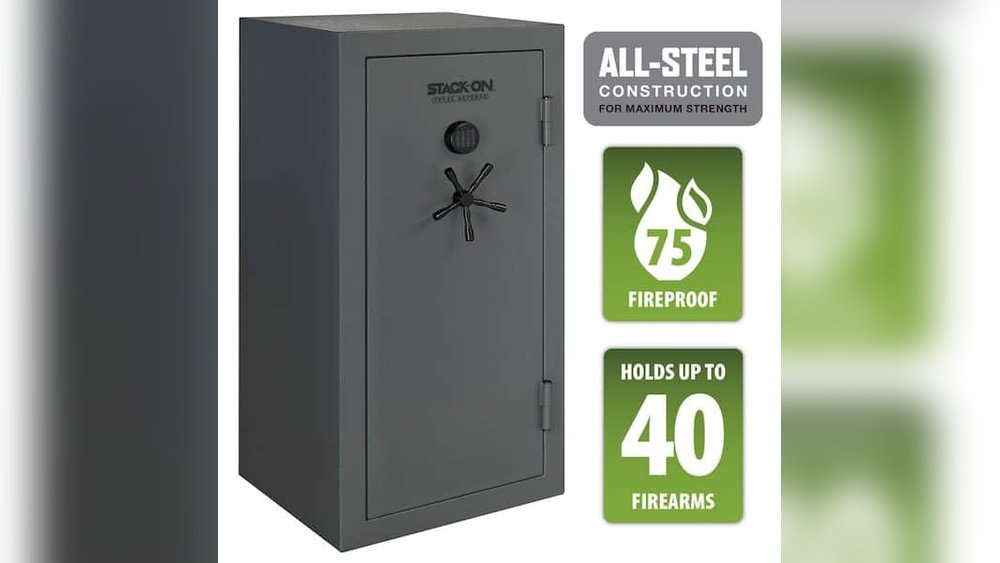
Fireproof gun safes have thick steel walls. Steel stops burglars and protects against impacts. Inside, fire-resistant materials block heat and flames. These safes often include seals that expand in heat. This stops smoke and fire from entering. Locks are strong and reliable. Some safes use digital or mechanical locks. Both types add extra security. Shelves inside keep guns organized and safe.
Importance Of Fire Resistance
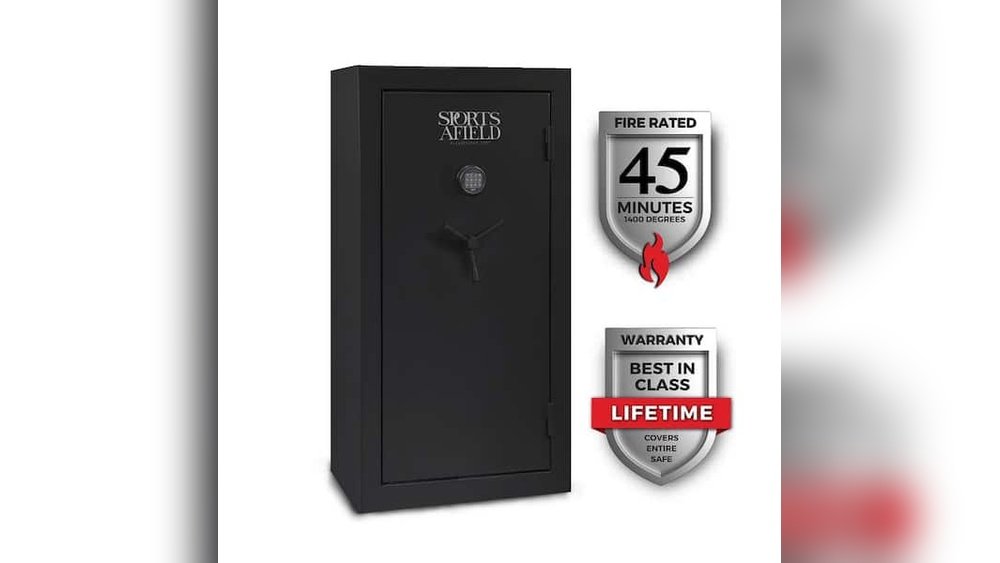
Fire resistance is vital for gun safes. Fires reach very high temperatures quickly. Normal safes can fail and let heat in. Fireproof safes use special insulation. This keeps the inside cool even in intense heat. They protect guns, ammo, and important documents. The fire rating shows how long a safe can resist heat. A higher rating means better protection. Fire resistance gives peace of mind after a fire.
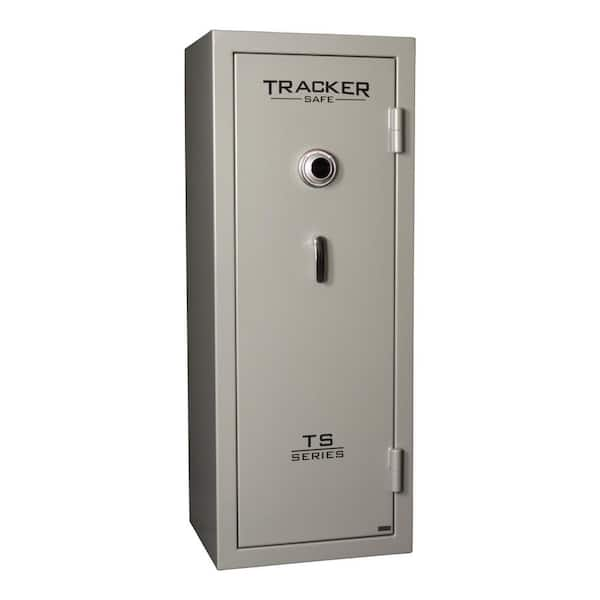
Steel Components
Steel components play a vital role in fireproof gun safes. They provide strong protection against heat and physical attacks. The quality and type of steel affect the safe’s durability and fire resistance. Understanding these steel parts helps you choose the right safe for your needs.
Types Of Steel Used
Most fireproof gun safes use cold-rolled steel. This steel is smooth and strong. It can resist heat and impact well. Some safes use stainless steel for extra rust resistance. Alloy steel appears in high-end models for added strength. Each type offers unique benefits for safety and durability.
Steel Thickness And Strength
Steel thickness matters for protection. Thicker steel means better defense against fire and break-ins. Common thickness ranges from 10 to 14 gauge. Lower gauge numbers mean thicker steel. Strong steel prevents tools from cutting through the safe easily. Thickness also helps the safe hold fireproof insulation inside.
Insulation Materials
Insulation materials are a key part of fireproof gun safes. They help stop heat from reaching the inside. This protects your valuables from fire damage. Different safes use different types of insulation. The choice affects how well the safe withstands fire. Understanding these materials helps you pick the right safe.
Fire-resistant Insulation Types
Many fireproof safes use gypsum-based insulation. Gypsum holds water and releases it as steam when heated. This cools the safe’s interior. Some safes use mineral wool or ceramic fiber. These materials resist high temperatures well. They also prevent heat from spreading quickly. Other safes include calcium silicate boards. These are lightweight and strong against fire. Some models use a mix of these materials. This blend improves fire resistance and durability.
Role In Heat Protection
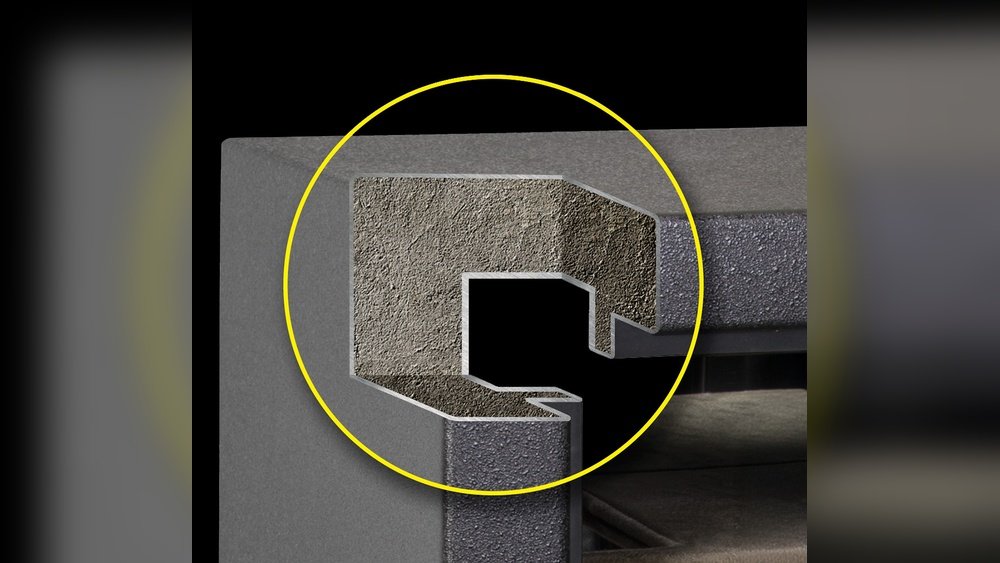
Insulation slows down heat movement. It keeps the safe’s inside cooler during a fire. This protects paper documents and electronics inside. Insulation also helps maintain the safe’s structure. It stops metal from warping or melting. The thicker the insulation, the longer the protection lasts. Good insulation means your valuables stay safe longer. It’s the main defense against fire damage in safes.
Fireproof Sealants
Fireproof sealants play a key role in protecting gun safes from fire damage. They create barriers that stop heat and smoke from entering the safe. These sealants help keep guns and valuables secure during a fire.
Sealant Materials
Fireproof sealants often use intumescent materials. These materials expand when heated, sealing gaps tightly. Common types include silicone, graphite, and fiberglass-based sealants. Each type can swell to block fire and smoke. The expanding action slows heat transfer into the safe.
Some sealants contain special chemicals that resist high temperatures. They maintain their shape and strength during intense heat. This helps keep the safe’s interior cooler for longer periods.
Preventing Heat And Smoke Entry
Sealants fill spaces around doors and joints. This stops hot air and smoke from leaking inside. Smoke can damage firearms and ruin documents. Fireproof sealants reduce this risk effectively.
As the sealants expand, they close cracks caused by heat. This action blocks both smoke and flames. The tight seal keeps the safe’s contents protected.
Composite Construction
Composite construction is a popular method used in fireproof gun safes. It combines different materials to protect guns from heat and fire. This type of construction improves safety by using layers that work together. Each material has a special role in stopping fire damage.
Layered Material Design
Composite safes use several layers of materials. The outer layer is often steel for strength and protection. Inside, fire-resistant materials like concrete or gypsum board absorb heat. These layers prevent fire from reaching the guns. Air gaps may also be added to slow heat transfer. This design keeps the inside cool during a fire.
Benefits Of Composite Safes
Composite safes offer strong fire resistance without extra weight. They are lighter than solid steel safes but still very durable. The layers protect guns from high temperatures for long periods. These safes also resist water from fire hoses better. Owners gain peace of mind knowing their firearms stay safe.

Testing And Certifications
Fireproof gun safes must pass strict tests to prove their safety. These tests check how well the safe protects guns from fire. Certifications show that a safe meets these high standards. They help buyers trust the product’s quality and fire resistance.
Fire Endurance Ratings
Fire endurance ratings tell how long a safe can resist fire. Common ratings include 30 minutes, 60 minutes, or more. Ratings depend on the temperature and time the safe can handle. Higher ratings mean better protection during a fire.
Standard Testing Procedures
Testing involves placing safes in ovens that reach high temperatures. Temperatures can exceed 1700°F (927°C) for set times. Inside, sensors monitor the safe’s internal heat. The goal is to keep guns below critical damage levels. Only safes that pass these tests get certified.
Additional Protective Features
Fireproof gun safes do more than resist heat and flames. They often include extra features that protect your valuables from other dangers. These added protections increase the safe’s overall security and durability. Understanding these features helps you choose the right safe for your needs.
Water Resistance
Water resistance protects your safe’s contents from water damage. Fires often involve water from sprinklers or hoses. A water-resistant safe prevents moisture from seeping inside. This keeps guns and documents dry and safe. Many fireproof safes use rubber seals or special coatings. These parts block water and steam during firefighting efforts.
Impact Resistance
Impact resistance helps the safe survive drops or blows. During emergencies, safes can fall or get hit. Impact-resistant safes use thick steel or heavy-duty materials. These materials absorb shocks without breaking. Some safes also have padding inside for extra protection. This keeps your firearms and valuables safe from physical damage.
Frequently Asked Questions
What Materials Make Fireproof Gun Safes Heat-resistant?
Fireproof gun safes use materials like gypsum, concrete, and ceramic wool. These materials absorb heat and prevent internal temperatures from rising. They protect firearms and valuables from fire damage efficiently.
How Does Steel Contribute To Gun Safe Fire Protection?
Steel provides structural strength and fire resistance in gun safes. It acts as a heat barrier and keeps the safe intact during fire exposure. Steel also resists physical attacks, enhancing overall security.
Why Are Insulating Materials Important In Fireproof Safes?
Insulating materials slow heat transfer inside the safe. They maintain low internal temperatures to protect guns and documents. These materials are crucial for meeting fire-resistance ratings.
Are Fireproof Gun Safes Safe Against Smoke Damage?
Yes, quality fireproof safes also prevent smoke penetration. Tight seals and insulation block smoke and harmful gases. This protection preserves the condition of firearms and sensitive items.
Conclusion
Fireproof gun safes use strong materials to protect your valuables. Steel, concrete, and fire-resistant insulation are common choices. These materials help safes resist heat and flames. Choosing the right safe means understanding these materials’ roles. Protecting your guns and documents depends on safe quality.
Always pick a safe with tested fireproof materials. Safe protection gives peace of mind during emergencies. Knowing what materials are inside helps you make smart choices. Safety starts with the materials used in your gun safe.