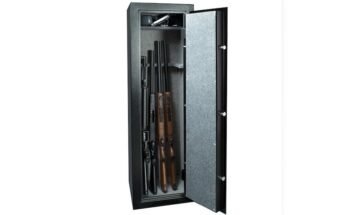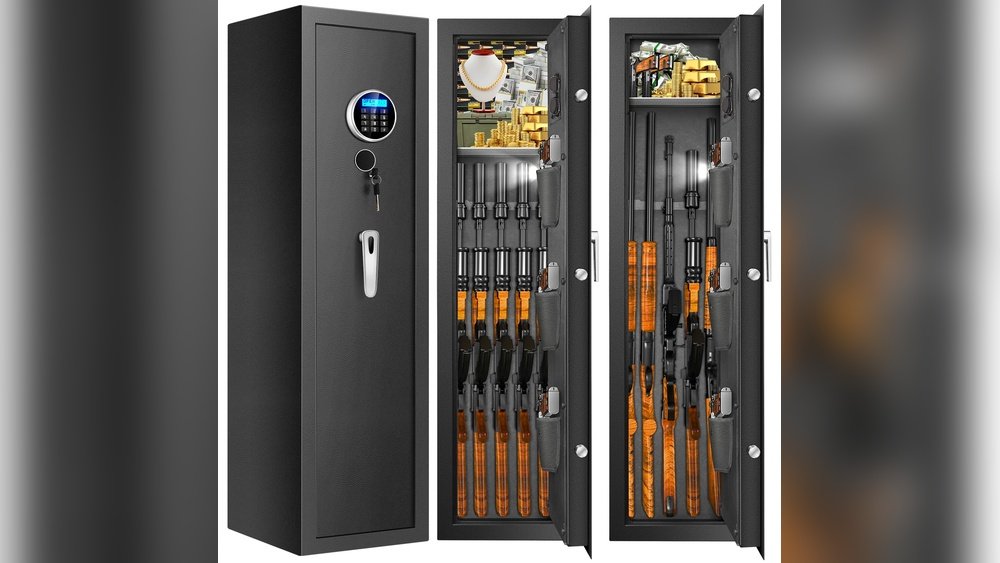
When it comes to protecting your rifle, safety is everything. But have you ever wondered what makes a rifle safe fire-resistant?
Understanding this can save your valuable firearm from damage during unexpected fires. You’ll discover the key features and materials that keep your rifle secure, even in extreme heat. Keep reading to learn how to make smart choices that protect your investment and give you peace of mind.

Fire-resistant Materials
Fire-resistant materials play a key role in making rifles safe from fire damage. These materials help protect the rifle from heat and flames. They prevent the gun from melting, burning, or losing shape. Using fire-resistant parts increases the rifle’s durability and safety in dangerous situations.
Heat-resistant Metals
Heat-resistant metals resist high temperatures without losing strength. Common metals include stainless steel and titanium. These metals do not warp or melt easily. They protect critical parts like the barrel and action. This keeps the rifle functioning after exposure to heat.
Non-flammable Polymers
Non-flammable polymers do not catch fire or burn quickly. They are used for grips, stocks, and covers. These polymers can withstand heat without melting or releasing toxic fumes. They add safety by reducing fire hazards near hot surfaces.
Ceramic Coatings
Ceramic coatings form a tough layer on metal parts. This layer blocks heat and flames. It also prevents rust and corrosion. Ceramic coatings extend the life of the rifle in hot or fiery environments. They keep the metal parts cool and protected.

Design Elements Enhancing Safety
Design elements play a key role in making rifles safe and fire-resistant. These features protect the rifle from heat damage and reduce the risk of accidental firing. Engineers carefully choose materials and build parts to handle high temperatures. This focus on safety helps users rely on their rifles in tough conditions.
Several design aspects work together to improve safety. These include thermal insulation, sealed action mechanisms, and heat dissipation systems. Each element adds a layer of protection and keeps the rifle stable under heat stress.
Thermal Insulation Features
Thermal insulation prevents heat from reaching sensitive parts of the rifle. Special materials like heat-resistant polymers or ceramics are used. These materials slow down heat transfer and protect the internal components. Insulation also keeps the shooter safe from burns during use.
Insulated grips and barrels are common. They help maintain control and comfort in hot environments. This design choice is crucial for long use or near fire sources.
Sealed Action Mechanisms
Sealed action mechanisms keep dirt, dust, and heat out of the rifle’s moving parts. Tight seals reduce the chance of malfunction caused by debris or high temperatures. They also prevent hot gases from entering the action area.
This design improves reliability and safety. The sealed parts stay cleaner and cooler. Users can trust their rifles to work well in harsh conditions.
Heat Dissipation Systems
Heat dissipation systems help the rifle cool down quickly. Ventilation holes and heat sinks are common methods. These allow heat to escape and air to flow freely around the barrel and action.
Effective heat dissipation reduces the risk of overheating. It keeps metal parts from warping or weakening. This system ensures the rifle remains safe and functional after rapid firing or prolonged use.
Protective Finishes And Treatments
Protective finishes and treatments play a key role in making rifles fire-resistant. These coatings help shield the metal and other parts from heat and flames. They also protect against damage caused by exposure to harsh environments.
These finishes improve safety by slowing down heat transfer. They prevent the rifle from getting too hot too fast. The right surface treatment can extend the life of the firearm and keep it reliable in tough conditions.
Fire-retardant Paints
Fire-retardant paints form a protective barrier on the rifle’s surface. They resist flames and high temperatures. This paint helps slow down the spread of fire.
Such paints often contain special chemicals that expand when heated. This forms a foam layer that insulates the metal beneath. This layer reduces heat damage and prevents warping.
Surface Anodizing
Anodizing is a process that thickens the oxide layer on metal parts. This layer acts as a shield against heat and corrosion. It improves the rifle’s resistance to fire damage.
Anodized surfaces can handle higher temperatures without losing strength. The process also makes the metal harder and more durable. This treatment adds a layer of protection without adding weight.
Corrosion Resistance
Corrosion weakens metal and makes rifles unsafe. Protective finishes stop rust and other forms of corrosion. This keeps the rifle strong and fire-resistant.
Coatings that prevent moisture buildup help maintain the metal’s integrity. Corrosion-resistant treatments reduce the risk of cracks and breaks. They ensure the rifle stays safe under extreme conditions.
Testing And Certification Standards
Testing and certification standards ensure rifles are safe and fire-resistant. These standards measure how well a rifle can handle heat and flames. They help buyers trust the product’s safety and quality. Different tests check the strength and durability under fire conditions.
Fire Resistance Ratings
Fire resistance ratings show how long a rifle can resist fire. They use time as the main measure, such as 30 minutes or 1 hour. Higher ratings mean better protection. These ratings come from strict testing in labs that simulate real fires.
Military And Industry Certifications
Military and industry certifications prove a rifle meets tough safety rules. The military sets strict standards for equipment used in combat. Industry groups also create rules for safety and quality. Certified rifles pass these tests and get official approval.
Field Testing Procedures
Field testing puts rifles in real-life fire situations. Experts test rifles outdoors or in controlled fire zones. They watch how rifles perform with heat and smoke. Field tests check for damage and safe operation under stress.
Maintenance For Fire Safety
Maintaining a rifle for fire safety is vital to keep it reliable and secure. Regular care helps fire-resistant features work well. Neglect can cause damage and reduce protection. Simple steps make a big difference in safety.
Regular Inspection Tips
Check your rifle often for signs of wear. Look at seals, coatings, and protective parts. Spot cracks, rust, or burns early. Test moving parts to ensure smooth action. Replace damaged parts without delay. Keep a checklist to track inspections.
Cleaning Fire-resistant Components
Use gentle cleaners that do not harm protective layers. Avoid harsh chemicals that can weaken fire-resistant coatings. Clean metal parts with a soft cloth and mild solvent. Dry parts fully to stop rust. Pay special attention to joints and seams.
Storage Recommendations
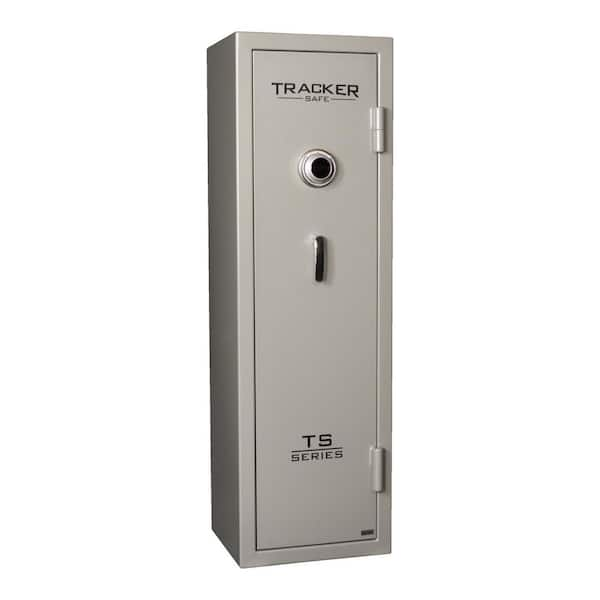
Store your rifle in a cool, dry place. Avoid areas with high heat or direct sunlight. Use fireproof safes or cases for added protection. Keep rifles away from flammable materials. Ensure good ventilation to prevent moisture buildup.
Innovations In Fire-resistant Rifles
Fire-resistant rifles are becoming safer with new technology. These innovations help protect rifles from heat and flames. They also improve the overall safety of handling and storing rifles. The latest designs focus on materials and smart safety features that reduce fire risks. This section explores these advancements and what the future holds.
Advanced Material Integration
Manufacturers use special materials to make rifles fire-resistant. These materials can withstand high heat without breaking down. Metals with heat-resistant coatings protect key parts of the rifle. Some rifles use ceramic or composite materials to reduce fire damage. These materials also keep the rifle lightweight and strong.
Smart Safety Features
Smart safety features help prevent accidental fires. Sensors detect heat or smoke near the rifle. Some rifles have automatic locking systems that activate in dangerous conditions. These features alert the user or deactivate the rifle safely. They add an extra layer of protection during emergencies.
Future Trends
Future fire-resistant rifles will use even better materials. Nanotechnology may create stronger, lighter parts that resist fire. Digital safety systems will improve, offering real-time alerts and control. More rifles will connect to apps for safety monitoring. These trends aim to make rifles safer and easier to use.
Frequently Asked Questions
What Materials Make A Rifle Safe Fire-resistant?
Fire-resistant rifles use heat-resistant alloys and treated polymers. These materials withstand high temperatures, preventing damage during fires. This enhances safety by maintaining rifle integrity in extreme conditions.
How Does Fire-resistant Coating Protect Rifles?
Fire-resistant coatings create a thermal barrier on the rifle’s surface. They reduce heat absorption and prevent structural damage. This coating extends the rifle’s lifespan and improves user safety in fire-prone areas.
Are Fire-resistant Rifles More Durable In Wildfires?
Yes, fire-resistant rifles resist heat damage better during wildfires. Their materials and coatings prevent warping and melting. This durability ensures reliable performance and safety when exposed to extreme heat.
Can Fire-resistant Rifles Withstand Prolonged Heat Exposure?
Fire-resistant rifles are designed to endure prolonged heat without losing function. Specialized materials and treatments delay heat penetration. This feature ensures operational reliability even in sustained high-temperature environments.
Conclusion
A rifle’s fire resistance depends on strong materials and smart design. Good coatings and heat shields help protect vital parts. Safe rifles reduce the chance of accidents in harsh conditions. Choosing the right rifle means thinking about safety first. Understanding these features keeps you safer in the field.
Safety is not just about the rifle, but how you use it. Always handle firearms with care and respect. A safe rifle gives you confidence and peace of mind.